

Alkaline soil quietly sabotages the plants gardeners care about most. Blueberries sulk, hydrangeas blush pink instead of cobalt, and azaleas push out yellowed leaves that never quite recover. A targeted soil acidifier corrects the underlying pH problem rather than masking it with a foliar spray. The nine options below cover a range of formats, garden sizes, and acid-loving plants worth comparing before committing.
The Choices Worth Comparing

Jobe’s Organics Granular Soil Amendment 6 lbs

Espoma Organic Soil Acidifier 30 lb. Bag

NutriStar Crape Myrtle Fertilizer 4 lb.

Fertilome Soil Acidifier Plus Iron 1 gal

Espoma Organic Soil Acidifier 6 lb. Two-Pack
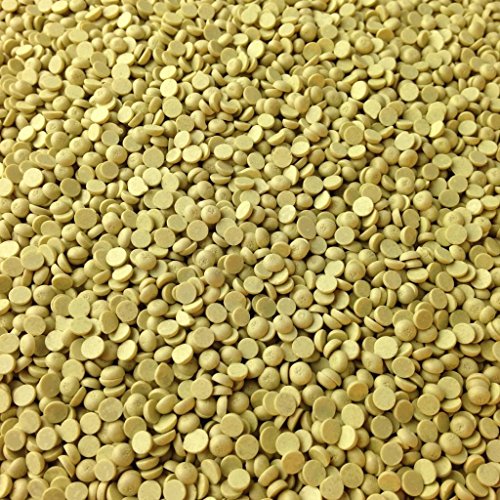
Walt’s Elemental Sulfur Pellets 5 LB

USEDDIG 1 LB Ferrous Sulfate Heptahydrate
USEDDIG 2 LB Ferrous Sulfate Heptahydrate

Earth Science Fast Acting Sulfur Granules 5 lb
Jobe’s Organics Granular Soil Amendment is built for gardeners who want a simple, certified-organic acidifier that does not demand a chemistry degree. The 6-pound bag covers a modest blueberry patch or a clutch of mophead hydrangeas without leaving you with leftover product to store for years. Because the formula leans on sulfur alongside organic matter, you are feeding soil biology while nudging pH downward, which tends to feel like a more forgiving approach than pure mineral amendments.
For someone establishing a new acid bed or rehabbing alkaline lawn strips, the granular format spreads cleanly with a hand scoop or small spreader. Owners commonly report the easiest wins on established hydrangeas, where the bloom color shifts over a season or two rather than overnight.
Positive Points
- Organic formulation that suits edible blueberry plantings and pollinator-friendly beds.
- Granular texture makes measured, targeted application around shrub drip lines straightforward.
- Supports a gradual pH shift, which reduces the risk of shocking sensitive roots.
- Compact bag fits in a garden shed without dedicated storage space.
Worth Noting
- Six pounds runs out quickly on larger landscape beds, so reordering mid-season is common.
- Results on hydrangea bloom color depend heavily on starting soil pH and may take multiple applications.
Who It Suits Best
Beginner gardeners with a small blueberry patch or a few hydrangeas who want organic ingredients and an easy, forgiving routine.
Where Another Pick Suits Better
For larger properties where a 6-pound bag feels like a stopgap, the Espoma Organic Soil Acidifier 30 lb. Bag covers more ground per purchase.
Espoma’s Organic Soil Acidifier arrives in a 30-pound bag aimed squarely at gardeners managing serious acreage or long-established azalea borders. The pelletized elemental sulfur spreads without the airborne dust that finer powders create, so application feels less like a chemistry lab. The larger format also lowers the per-pound cost compared to smaller bags, which matters when you are correcting soil across multiple beds each spring.
For properties where blueberries, rhododendrons, and camellias share real estate, this single purchase typically handles an entire season. Where the Jobe’s option suits a couple of shrubs, this one carries a whole landscape program.
Everyday Perks
- 30-pound supply fits a multi-bed acid-loving garden program without mid-season refills.
- Pelletized form spreads evenly with a broadcast spreader and keeps dust down.
- Suitable for organic gardening, including edible blueberry and strawberry plantings.
Trade Offs
- The bag is bulky and awkward to store in a small garage or apartment balcony closet.
- Works slowly on stubbornly alkaline soils, so visible results take patience and a soil test.
Right Fit For
Homeowners with established shrub borders, larger vegetable plots, or multiple blueberry rows who want a season-long supply on hand.
Reach For A Different Pick When
For a small patio garden where 30 pounds feels excessive, the Espoma Organic Soil Acidifier 6 lb. Two-Pack offers a more manageable footprint.
The NutriStar Crape Myrtle fertilizer is the most narrowly targeted pick on this list, formulated around the nutrient rhythm of flowering ornamentals rather than general-purpose acidifying. It works for crape myrtles, desert willow, orchid tree, and mimosa, making it a strong fit if your acid-loving inventory skews toward dramatic summer bloomers rather than classic blueberries. The slow-release, low-salt profile matters because crape myrtles in containers or near hardscape are sensitive to salt buildup.
Application lands early in spring at full strength, with lighter follow-ups every couple of months. Where the previous picks focus on broad pH correction, this one doubles as a feeding schedule for trees you want to flower heavily.
A Few Strong Suits
- Tailored nutrient ratio supports heavy summer bloom cycles on crape myrtles and similar ornamentals.
- Low-salt formulation reduces burn risk in containers and near paved surfaces.
- Works for indoor and outdoor container-grown specimens.
Points To Keep In Mind
- Less suited as a general acidifier for blueberries or rhododendrons with severe pH imbalance.
- Requires a multi-application schedule, so a calendar reminder helps avoid missed feedings.
Best Suited To
Gardeners focused on crape myrtles and other flowering ornamentals who want bloom performance alongside mild soil acidification.
Consider Something Else When
For pure pH correction across edible blueberry beds, the Jobe’s Organics Granular Soil Amendment 6 lbs focuses more directly on acidifying soil.
Fertilome’s Soil Acidifier Plus Iron is the only liquid concentrate on this list, and that distinction changes how it feels to use. You dilute it in water and apply with a watering can or sprayer, which works well for gardeners who dislike hand-spreading granules around prized roses or gardenias. The formula targets acid-loving ornamentals and adds iron, zinc, magnesium, and copper, so it doubles as a trace-element supplement for chlorotic leaves.
For alkaline-soil gardeners watching gardenias yellow or azaleas struggle between granular feedings, this liquid option fills a quick-reaction gap. Compared with the pelletized Espoma above, it acts faster but requires more frequent repeat applications.
Real Benefits
- Liquid concentrate mixes easily into a watering can for spot treatments around prized shrubs.
- Includes iron and other trace elements that help correct yellowing leaves on roses, gardenias, and azaleas.
- One gallon covers multiple applications across a season of mid-sized ornamentals.
Some Limits To Know
- Requires dilution before every use, so it is less convenient than shake-and-spread granules.
- Not the most efficient format for very large landscape beds where dry sulfur spreads faster.
Who Should Grab It
Gardeners managing roses, gardenias, azaleas, or hollies who want a fast-acting liquid feed that doubles as an iron boost.
A Better Fit Elsewhere
For broad-acre blueberry plantings where liquid feeding becomes impractical, the Walt’s Elemental Sulfur Pellets 5 LB spreads across bigger areas in one pass.
The Espoma 6-pound two-pack splits the difference between a single starter bag and the bulk 30-pounder. For mid-size gardens with a handful of azaleas, rhododendrons, and blueberries, the two-pack covers a full season without forcing a 30-pound commitment. The pelletized sulfur and gypsum blend is approved for organic gardening, so it stays in play for edible plantings.
Compared to the Jobe’s entry earlier, this pick leans further toward pure mineral sulfur with less organic matter. That makes it a steadier pH adjuster but a weaker soil conditioner, so pairing it with compost works well for gardeners who want both effects.
Real-World Strengths
- Two-bag format covers a typical suburban collection of acid-loving shrubs in one purchase.
- Pelletized sulfur spreads evenly and lowers dust during application.
- Suitable for organic gardening programs, including food-bearing plants.
- Works across azaleas, hydrangeas, rhododendrons, blueberries, camellias, and strawberries.
Honest Caveats
- Pure mineral sulfur lacks the organic matter content that improves soil structure.
- Requires a soil test to dial in the correct rate for your specific pH reading.
The Right Fit
Gardeners with a mixed acid-loving shrub collection who want a season’s worth of supply without committing to a 30-pound bulk bag.
Look Elsewhere When
For gardeners who want a more soil-building organic ingredient alongside sulfur, the Jobe’s Organics Granular Soil Amendment 6 lbs brings more organic matter to the bed.
Walt’s Organic Fertilizer Co. Elemental Sulfur Pellets simplify pH correction without extras. The pellets carry minimal dust and pour through a standard broadcast spreader, which makes quick work of treating a vegetable patch or a strip of acid-loving shrubs along a foundation planting. The 5-pound pail is sized for repeat treatments across a season rather than a one-shot fix.
Unlike the Espoma two-pack above, Walt’s sticks to pure elemental sulfur without gypsum or organic fillers. That makes it a more focused pH tool for gardeners who already manage soil structure with compost on their own.
The Practical Payoff
- Low-dust pellets pour cleanly through handheld and broadcast spreaders.
- Five-pound pail covers repeat applications across a small to mid-size property.
- Pure elemental sulfur delivers focused pH correction without competing soil amendments.
Where It May Fall Short
- No added organic matter means you supply your own soil-building amendments separately.
- Five pounds may be light for gardeners treating a full half-acre of acid-loving beds.
Who Should Grab It
Spreadsheet-minded gardeners who want pure sulfur pellets with predictable spread rates for targeted pH work.
Swap It Out When
For larger properties where repeat 5-pound orders become tedious, the Espoma Organic Soil Acidifier 30 lb. Bag reduces the restocking frequency.
USEDDIG’s 1-pound ferrous sulfate heptahydrate is the smallest, most water-soluble option in this lineup. The 20% iron and 12% sulfur blend dissolves quickly in a watering can, which makes it a useful tool for correcting interveinal chlorosis on acid-loving vegetables and ornamentals. The resealable pouch keeps the powder from clumping between applications, a small but appreciated detail.
This pick is more about iron delivery than broad pH correction, so it suits gardeners fighting yellow leaves rather than restructuring a whole bed. Compared to the Fertilome liquid above, this is a dry powder you mix yourself, which trades convenience for a longer shelf life and easier storage.
A Strong Showing
- Water-soluble powder mixes into a foliar feed or root drench on demand.
- Delivers iron alongside sulfur to address two common deficiencies at once.
- Compact 1-pound pouch fits on a shelf without bulk storage concerns.
Possible Compromises
- Smaller package size makes it impractical for treating large landscape beds.
- Requires measuring and mixing, so it is less convenient than pre-diluted concentrates.
Made For
Container gardeners and balcony growers managing a few acid-loving vegetables or flowers who want iron and sulfur in a single powder.
Not Your Match When
For gardeners needing both broad pH correction and trace minerals across larger beds, the Fertilome Soil Acidifier Plus Iron 1 gal handles bigger coverage more efficiently.
The 2-pound USEDDIG ferrous sulfate powder doubles the supply of its 1-pound sibling while keeping the same 20% iron and 12% sulfur analysis. For gardeners who already know they want a water-soluble acidifier with iron for vegetable beds and flower borders, the larger pouch simply reduces how often you reorder. The resealable packaging keeps the powder dry between applications.
Compared to the granular picks earlier in the list, this one dissolves entirely in water, so it doubles as a foliar spray for quick leaf-level iron delivery. That versatility helps when soil pH work happens alongside visible chlorosis on tomatoes or blueberries.
Reasons It Performs
- Two-pound supply spans a full season of mixed vegetable and flower feeding.
- 100% water-soluble powder works as a soil drench or foliar spray.
- Suitable for indoor and outdoor container plantings.
A Few Limitations
- Still requires manual measuring and stirring before each application.
- Best paired with a soil test, since overuse of iron sulfate can skew nutrient ratios over time.
Whose Shelf It Belongs On
Vegetable gardeners growing tomatoes, peppers, and berries who want iron and sulfur delivered through irrigation water on a flexible schedule.
Skip It When
For gardeners who prefer a single pre-mixed liquid feed rather than powder-and-water routines, the Fertilome Soil Acidifier Plus Iron 1 gal is a more grab-and-go option.
Earth Science Fast Acting Sulfur Granules rounds out the list with a granular format aimed at quick soil response. The 5-pound bag targets lawns and acid-loving shrubs where pH is the primary problem, and the fast-acting formulation is intended to start lowering alkalinity sooner than slower-release sulfur sources. It also addresses nutrient runoff alongside pH correction, which matters for gardeners managing clay-heavy or compacted sites.
Compared to the Walt’s pellets earlier, this option emphasizes faster breakdown and broader soil conditioning goals. The trade-off is that “fast-acting” still means weeks rather than days, so plan applications around the start of the growing season for best results.
Advantages To Know
- Fast-acting granular format starts working quickly compared to standard sulfur pellets.
- Addresses nutrient runoff alongside pH correction in compacted or clay-heavy soil.
- Five-pound bag covers lawn patches and shrub borders without surplus storage.
- Suits hydrangeas, azaleas, blueberries, and similar acid-loving ornamentals.
Things To Weigh
- Granules still take weeks to noticeably shift pH, so patience matters after application.
- Less suitable for container gardens where smaller, more soluble doses are easier to control.
Perfect Match For
Lawn-care gardeners and shrub-border owners who want a granular sulfur that starts working early in the growing season.
Another Choice May Suit
For container gardeners needing precise small doses, the USEDDIG 1 LB Ferrous Sulfate Heptahydrate mixes more accurately into a watering can.
What Matters Most Before Choosing Soil Acidifiers
The right soil acidifier depends on the plants you grow, the scale of your garden, and how much routine work you want. Three attributes cover most decisions.
Test before treating. A soil pH test kit or a lab sample tells you how alkaline your soil actually is and tracks whether applications are moving the needle. Guessing leads to over-application, which can push pH too low and lock out nutrients like calcium and magnesium. For most gardens, a yearly test in late winter is plenty.
Match format to scale. Granular sulfur pellets work best for broad beds, lawns, and shrub borders where a spreader handles application. Liquid concentrates and water-soluble powders serve smaller container gardens, foliar rescues, and quick green-ups. Match the format to how you actually water and feed your plants, because convenience determines whether you keep up with repeat applications.
Pick ingredients by goal. Pure elemental sulfur focuses on pH correction without changing soil structure. Sulfur blended with gypsum adds calcium and improves clay drainage. Organic blends feed soil biology alongside pH work. Iron-fortified options like ferrous sulfate double as a chlorosis fix for yellowing leaves.
Key Considerations Across These Picks
Pitfalls Shoppers Hit
Buying the biggest bag without a soil test leads to wasted product and overdosed beds. Applying sulfur in summer heat stresses roots and slows the conversion process. Skipping a follow-up test means you never know whether the application actually worked.
When Paying More Pays Off
Higher-tier acidifiers often bring organic certification, iron supplementation, or low-dust pellets that justify the cost for organic gardeners and larger properties. The premium matters most when you treat multiple beds each season and value the convenience of pellets that pour clean through a spreader. For a single small hydrangea, an entry-level bag does the job without the upgrade.
