
Choosing the best soil mix for your houseplants significantly influences their growth and health. Proper houseplant soil allows water to move quickly while retaining moisture, which is vital for your plants’ roots. Air pockets in the best soil mix provide essential oxygen, promoting healthy growth. Additionally, different plants thrive in specific soil mixes that mirror their natural habitats. By understanding soil components, you can create tailored solutions that enhance your plants’ vitality and longevity.
Key Takeaways
Choose a soil mix that balances moisture retention and drainage for healthy plant roots.
Incorporate organic materials like compost and worm castings to enrich your potting mix.
Select inorganic additives like perlite and vermiculite to improve aeration and prevent waterlogging.
Tailor your soil mix to the specific needs of your plants, whether they prefer moisture or dryness.
Avoid overly dense mixes that can suffocate roots and lead to poor plant health.
Best Soil Mix for Houseplants
Key Components
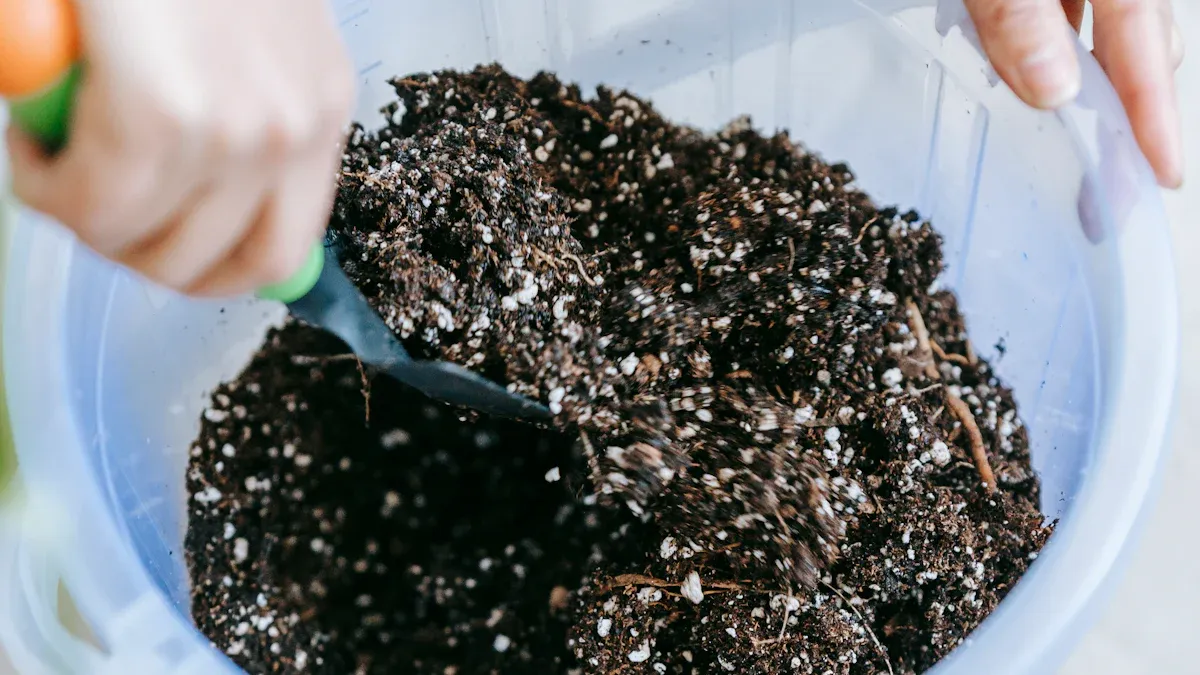
When selecting the best soil mix for your houseplants, consider several key components that contribute to their overall health. A well-balanced potting mix typically includes a combination of organic and inorganic materials. Here are the essential components you should look for:
Coarse Sand: Improves drainage, preventing water from pooling around the roots.
Pumice: Enhances aeration, allowing roots to breathe and grow.
Perlite: Aids in drainage and aeration, keeping the soil light and fluffy.
Vermiculite: Retains moisture while allowing drainage, making it ideal for moisture-loving plants.
Orchid Bark: Increases drainage and aeration, perfect for epiphytic plants.
Coco Coir: Retains moisture and provides a sustainable alternative to peat moss.
Peat Moss: Offers excellent moisture retention, but consider its environmental impact.
Component | Function |
|---|---|
Coarse sand | Improves drainage |
Pumice | Enhances aeration |
Perlite | Aids in drainage and aeration |
Vermiculite | Retains moisture while allowing drainage |
Orchid bark | Increases drainage and aeration |
Coco coir | Retains moisture |
Peat moss | Provides moisture retention |
The right mix should balance moisture retention and drainage. Plant roots require water, but the potting medium must hold the right amount—not too much and not too little. The ideal mix drains well while retaining adequate moisture. For instance, while both vermiculite and perlite are used for aeration, perlite provides quicker drainage, whereas vermiculite retains more moisture. This balance is crucial for the health of your plants.
Peat vs. Coco Coir
Peat moss and coco coir are two popular choices for moisture retention in potting mixes. Each has its advantages and disadvantages.
Feature | Peat Moss | Coco Coir |
|---|---|---|
Water Retention | Excellent water retention properties. | Good water retention, but less than peat moss. |
Nutrient Content | Low nutrient content, often requiring additional fertilization. | May contain essential nutrients like potassium, iron, and others. |
pH Level | Slightly acidic pH, which can be a disadvantage in some cases. | Typically has a neutral pH (5.2 – 6.8), beneficial for most plants. |
Sustainability | Non-renewable resource, with significant environmental concerns. | Sustainable and renewable, made from coconut husks. |
Compaction Resistance | Can compact over time, reducing aeration. | Resists compaction and decomposition, promoting better aeration. |
Environmental Impact | Harvesting contributes to carbon release and global warming. | Environmentally friendly alternative with less impact on carbon storage. |
While peat moss excels in moisture retention, it raises environmental concerns due to its non-renewable nature. On the other hand, coco coir is a sustainable option that supports healthy plant growth without the ecological drawbacks. Choosing between the two depends on your priorities—whether you value moisture retention or sustainability.
Houseplant Potting Mix Components
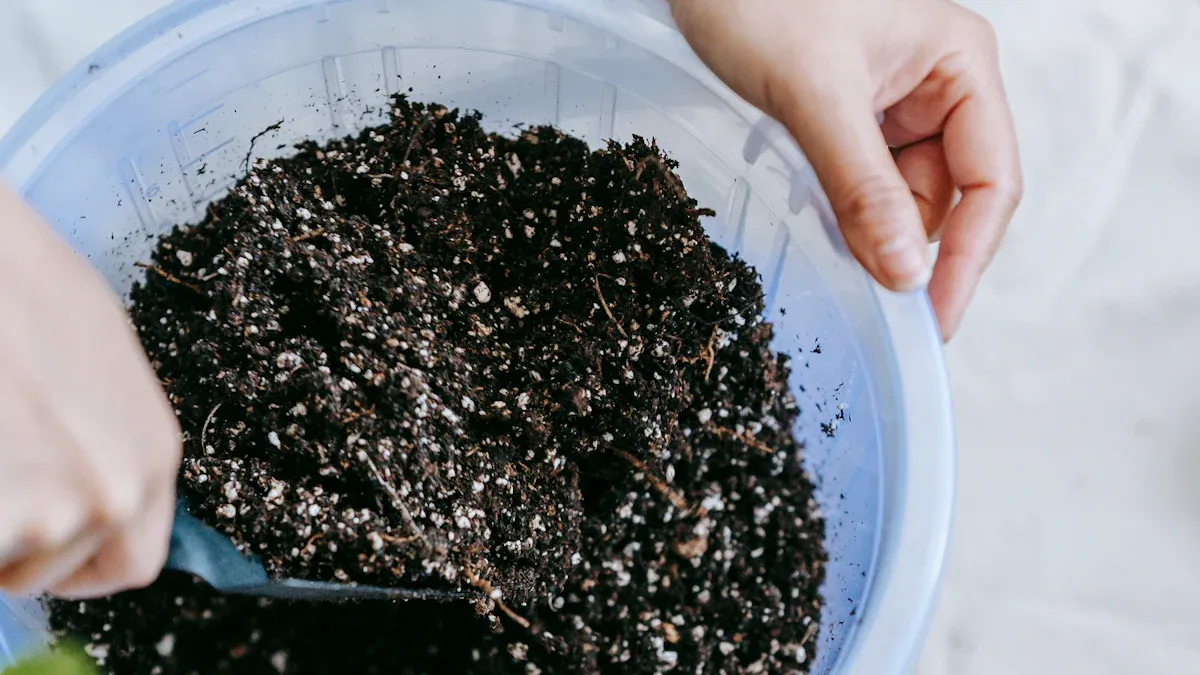
Organic Matter
Organic matter plays a crucial role in your houseplant potting mix. It enriches the soil and provides essential nutrients for your plants. Common organic materials include compost, worm castings, and coconut coir. Here’s how they benefit your potting mix:
Benefit | Description |
|---|---|
Nutrient-Rich | Contains essential plant nutrients that are easily absorbed. |
Improves Soil Structure | Creates a structure that promotes good aeration and moisture retention. |
Microbial Inoculation | Infuses the potting mix with beneficial microbes that bolster plant health. |
Natural Aeration | Enhances root oxygen uptake, vital for vigorous plant growth. |
Water Retention | Helps the soil hold onto moisture, beneficial for potted plants. |
Using organic matter in your potting mix not only feeds your plants but also improves the overall soil structure. This structure allows for better drainage and aeration, which are essential for healthy roots.
Inorganic Additives
Inorganic additives are equally important in creating a balanced potting mix. They improve drainage and aeration, ensuring that your plants receive the right amount of water and oxygen. Common inorganic materials include perlite and vermiculite. Here’s how they function:
Material | Function | Description |
|---|---|---|
Perlite | Aeration and Drainage | Introduces air pockets into the soil, allowing for faster drainage and preventing waterlogging. |
Vermiculite | Moisture and Nutrient Retention | Improves moisture retention and aeration, beneficial for moisture-loving plants. |
These additives help maintain a light and fluffy texture in your potting mix. This texture allows roots to grow freely and access the nutrients they need.
To enhance your potting mix further, consider adding amendments like biochar or mycorrhizae. These can improve plant resilience against pests and diseases. Here are some common amendments and their benefits:
Worm Castings: Provide nutrients to the soil.
Pumice: Improves soil drainage.
Coffee Grounds: Beneficial for plant growth.
Coconut Coir: Enhances absorbency and structure.
Sphagnum Moss: Improves moisture retention.
Vermiculite: Aids in aeration and moisture retention.
Maintaining the right pH level in your potting mix is also vital. Most houseplants thrive in a pH range of 6.0 to 7.0. This range ensures that nutrients remain available for uptake by the roots.
By understanding the roles of both organic and inorganic components, you can create a potting mix that supports healthy growth for your houseplants.
Best Mix for Specific Houseplants
Succulents and Cacti
Succulents and cacti thrive in dry conditions. They need a soil mix that drains well to prevent root rot. Here are some recommendations for their ideal soil composition:
For Succulents: Use a mix of three parts potting soil to one part perlite. This combination allows for moisture retention while ensuring good drainage.
For Cacti: A mix of two parts sand, one part perlite, and one part potting soil works best. This blend promotes airflow and prevents sogginess.
Quality soil is crucial for these indoor plants. Avoid cheap mixes that retain too much moisture. Instead, consider pre-made cactus and succulent mixes, like Miracle-Gro or Black Gold, for convenience.
Tropical and Moisture-Loving Plants
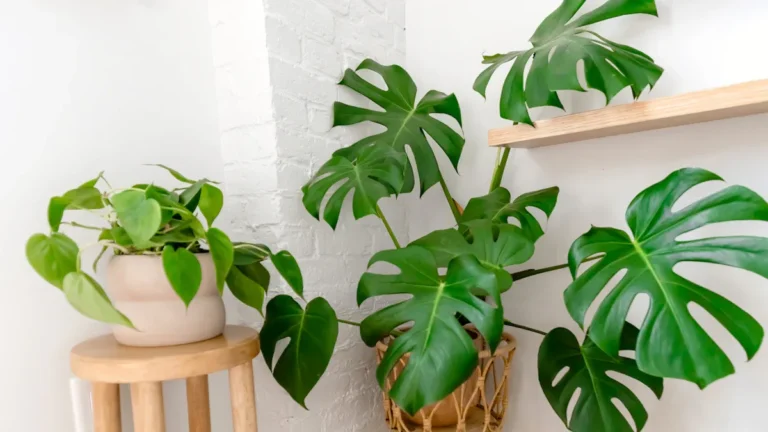
Tropical plants, such as monstera and ferns, require a different approach. They thrive in rich, consistently moist soil. Here’s how to create the perfect mix for these plants:
Aroids: Use a chunky mix for maximum air circulation. A simple recipe includes one part organic potting mix, one part orchid bark, one part perlite, and half a part activated charcoal.
General Terrestrial Tropicals: A mix of three parts organic potting mix and one part vermiculite provides the right balance of moisture and drainage.
Moisture-Loving Tropicals: Combine two parts peat moss (or coir), one part potting mix, and one part perlite for a highly moisture-retentive yet airy mix.
These mixes ensure that roots receive the necessary oxygen while retaining moisture. Remember, tropical plants need more frequent watering than succulents and cacti. They thrive in humid environments, so adjust your watering schedule accordingly.
By customizing your soil mixes based on plant type, you can create a thriving environment for your indoor plants.
Common Soil Mistakes
Overly Dense Mixes
Many plant owners make the mistake of using overly dense soil mixes. These mixes can suffocate roots and hinder growth. A lightweight and fast-draining potting mix is essential for healthy plants. Here are some issues caused by dense soil:
It retains too much water, leading to root rot.
Roots struggle to access oxygen, which is vital for growth.
You may notice yellowing leaves or stunted growth as a result.
If your potting soil stays wet for too long, it likely indicates that the mix has degraded. This condition can attract pests like fungus gnats, which thrive in damp environments. To avoid these problems, choose a mix that promotes good drainage.
Ignoring Plant Needs
Another common mistake is ignoring the specific needs of your plants. Each type of houseplant has unique requirements for soil composition. Here are some tips to help you select the right mix:
Avoid using outdoor soil. It can be too heavy for indoor pots and may introduce pests.
Prioritize high-quality, indoor-specific potting mixes. These mixes ensure proper aeration and drainage.
Research the specific needs of your plants. Some prefer moisture-retentive mixes, while others thrive in drier conditions.
By understanding your plants’ needs, you can create a suitable environment for them to flourish. Tailoring your soil mix to match these needs will lead to healthier, more vibrant plants.
Choosing the right soil mix for your houseplants is crucial for their health and growth. Remember these key points:
Moisture Retention: Ensure your soil holds the right amount of water.
Air Circulation: Promote airflow to prevent overly wet conditions.
Nutrient Availability: Use nutrient-rich mixes to support growth.
Structural Support: Provide stability for roots to anchor properly.
Experimenting with different soil mixes can lead to improved health and growth outcomes. For example, adjusting soil pH can significantly influence plant traits. Observe how your plants respond to various mixes, and find the best fit for your indoor garden! 🌱
FAQ
What type of soil is best for houseplants?
You should use a well-draining potting mix that retains moisture. A blend of organic matter, perlite, and vermiculite works well for most houseplants. Adjust the mix based on your specific plant’s needs.
How often should I repot my houseplants?
Repot your houseplants every 1-2 years or when you notice roots growing out of the drainage holes. This practice refreshes the soil and provides more space for growth.
Can I use garden soil for houseplants?
Avoid using garden soil for houseplants. It can be too dense and may contain pests or diseases. Instead, opt for a high-quality potting mix designed for indoor plants.
How do I know if my soil is too wet?
Check for yellowing leaves or a musty smell. If the soil feels soggy or water pools on the surface, it may be too wet. Allow it to dry out before watering again.
What amendments can I add to improve my potting mix?
You can add worm castings, compost, or coconut coir to enhance your potting mix. These amendments improve nutrient content and moisture retention, promoting healthier plant growth.