

Alocasia plants, sometimes called elephant ear or African mask plants, demand a growing medium that balances moisture retention with sharp drainage. Their thick rhizomes rot quickly in soggy conditions, yet their large leaves dehydrate fast when the substrate dries out too aggressively. Finding the right blend matters more than any single fertilizer regimen, since the soil itself dictates root oxygen levels, water movement, and nutrient availability. This list gathers ten widely available mixes, from dedicated orchid bark blends to gritty cactus substrates, that can anchor a healthy Alocasia collection. Most of these require amendment with perlite, bark, or charcoal to dial in the exact texture Alocasia prefers, but each provides a solid starting base.
How The Shortlist Stacks Up

FoxFarm Ocean Forest Potting Soil 1.5 cu ft

Hoffman 10410 Organic Cactus and Succulent Soil Mix 10 Quarts

FoxFarm Ocean Forest Potting Soil 2 x 12 Quart

CJGQ 3lb Mix Lava Rocks for Plants Indoors
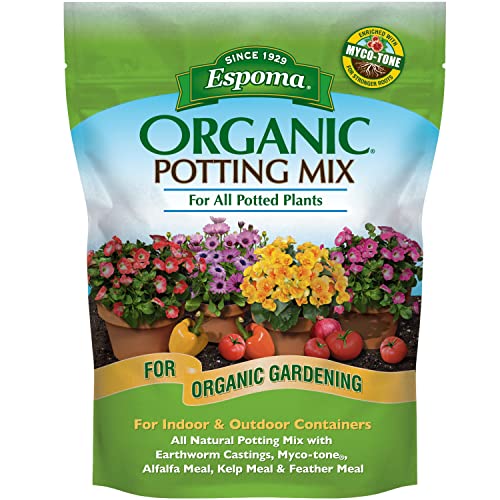
Espoma Organic Potting Soil Mix 8 qt

Miracle-Gro Potting Mix 8 qt (2-Pack)
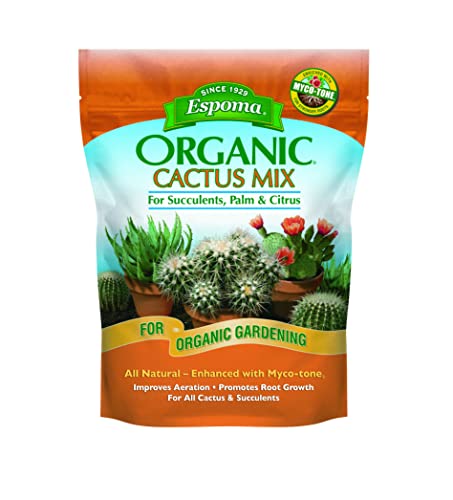
Espoma Organic Cactus Potting Soil Mix 4 qt
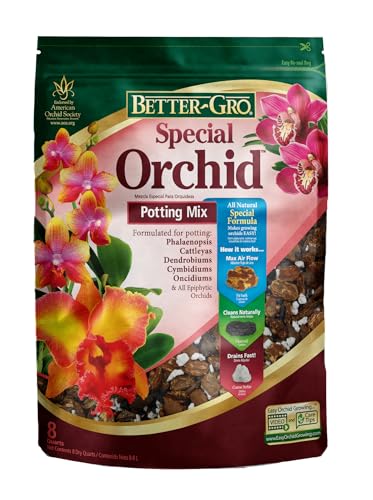
Better-Gro Special Orchid Mix 8 Quarts
Espoma Organic Potting Soil Mix 4 qt

Espoma Organic African Violet Mix 4 Quart
More On The Choices That Made The List
FoxFarm Ocean Forest arrives ready to use straight from the bag, which removes one step from a busy repotting session. Its blend of earthworm castings, fish meal, crab meal, and forest humus gives Alocasia a nutrient-dense home for the first several weeks of growth.
Large-leafed Alocasia varieties with heavy root systems benefit from the moisture-retentive texture, especially in homes where humidity drops in winter. The light, aerated feel prevents the compaction that often plagues cheaper peat-only blends.
Key Advantages
- Pre-charged with organic nutrients that feed young Alocasia without supplemental fertilizer for weeks
- Light texture resists compaction, keeping air pockets around thick rhizomes
- 1.5 cubic foot volume suits a multi-plant repotting day or several large specimens
- Widely stocked and recognizable, making repeat purchases straightforward
Points To Keep In Mind
- Holds moisture longer than a pure aroid mix, so underwatering habits may need adjustment
- The rich organic content can develop surface mold in low-airflow rooms
- Heavy bag weight may be cumbersome to carry upstairs or onto plant shelves
Quick Facts
Made For
Plant parents repotting several mature Alocasia in one session who want a nutrient-loaded, ready-to-use mix.
Consider Something Else When
Hoffman 10410 Organic Cactus and Succulent Soil Mix suits growers who prefer to build a custom aroid blend from a faster-draining base.
Hoffman’s cactus mix leans into the gritty, low-moisture end of the spectrum, formulated to loosen clay-heavy native soils and prevent caking. For Alocasia, that translates to a base that drains quickly between waterings, which mirrors the airy forest-floor conditions these plants evolved in.
Most growers using this mix for Alocasia blend it with extra perlite or orchid bark to fine-tune moisture. Used solo, it works best for Alocasia varieties that prefer a drier rest period, such as the dormant-phase species.
Points In Its Favor
- Formulated to prevent caking, keeping pore spaces open for root oxygen
- Lightweight 10-quart bag suits small-batch custom mixes
- Affordable entry point for hobbyists who mix their own aroid soil
Small Caveats
- Drains faster than most Alocasia prefer on its own, so amendments are typically needed
- Limited nutritional content compared to FoxFarm blends
Built With In Mind
Intermediate growers who enjoy customizing their soil recipe and want a well-draining starter base.
Skip It When
FoxFarm Ocean Forest Potting Soil 1.5 cu ft fits beginners who want a balanced ready-to-use mix without extra blending work.
The 2 x 12 quart configuration delivers the same FoxFarm Ocean Forest blend in a more apartment-friendly package. Each bag weighs far less than the 1.5 cubic foot option, which makes hauling soil up stairways or onto a balcony much easier.
Smaller-volume buyers, such as those with two or three Alocasia on a windowsill, get the same aged forest products, sphagnum peat, and earthworm castings without committing to bulk. The trade-off shows up in price-per-quart, which runs higher than the larger bag.
The Good Stuff
- Manageable bag weight for one-handed carrying or shelf storage
- Identical nutrient profile to the larger Ocean Forest bag
- Two-bag pack covers a moderate collection without leftovers going stale
Things To Weigh Up
- Higher cost per quart compared to the 1.5 cu ft sibling
- Plastic bag packaging can be awkward to reseal once opened
Whose Shelf It Belongs On
Urban growers with limited storage space who want the Ocean Forest quality in a lighter, easier-to-store form.
Swap It Out When
Miracle-Gro Potting Mix 8 qt (2-Pack) suits those shopping for a widely available alternative at a lower entry cost.
This mixed lava rock blend, combining red lava, black lava, maifanitum, and green mineral stones, functions as an additive rather than a standalone soil. Tossed into a peat-heavy base, it opens up drainage channels that Alocasia roots need to breathe.
The variety of stone types brings trace minerals into the substrate, which some growers credit with sturdier leaf development. Used as a top dressing, the same mix also prevents soil compaction from overhead watering.
What It Does Well
- Improves drainage dramatically when blended into dense potting mixes
- Adds mineral diversity for those seeking a more naturalistic substrate
- Functions as both amendment and decorative top dressing
Honest Caveats
- Not a standalone medium, so additional base mix is required
- Sharp stone edges can scratch plastic pots during the mixing process
Perfect Match For
Alocasia owners with a heavy peat-based mix who want to sharpen drainage without buying a whole new bag of soil.
Look Elsewhere When
Better-Gro Special Orchid Mix 8 Quarts gives a chunkier, more bark-driven starting point for those building an aroid blend from scratch.
Espoma’s organic mix combines sphagnum peat moss, humus, perlite, and a roster of natural meals, including earthworm castings, alfalfa, kelp, and feather meal. The inclusion of mycorrhizae, beneficial fungi that form symbiotic relationships with roots, helps Alocasia absorb nutrients more efficiently over time.
For gardeners who prefer natural inputs without synthetic fertilizers, this 8-quart bag delivers a balanced foundation. The texture falls between moisture-retentive and well-draining, sitting closer to FoxFarm Ocean Forest than to a cactus blend.
Noteworthy Benefits
- Mycorrhizal inoculant supports long-term root health and nutrient uptake
- Multiple organic meal amendments feed plants gradually over weeks
- Suitable for both indoor and outdoor container use
- No synthetic fertilizers, fitting organic gardening standards
Some Limits To Know
- Drains slower than a dedicated aroid mix without added perlite or bark
- Organic nutrient content breaks down faster in warm, wet conditions
Quick Facts
Best Suited To
Organic-focused growers seeking a peat-based mix with built-in beneficial fungi for long-term Alocasia health.
Where Another Pick Suits Better
Hoffman 10410 Organic Cactus and Succulent Soil Mix serves growers in humid climates who need faster-draining conditions than this richer blend provides.
Miracle-Gro Potting Mix is the bag most beginners encounter first, and for good reason. It’s stocked everywhere from big-box stores to neighborhood grocers, so restocking never requires a special trip.
The 2-pack configuration delivers 16 quarts total, which covers a starter Alocasia collection or several repottings across a season. The included fertilizer feeds plants for several months, reducing the need for a separate feeding schedule right after repotting.
Notable Upsides
- Universally available, simplifying reorders
- Built-in feeding reduces the number of products new growers must buy
- Light texture suits most container houseplants beyond Alocasia
Practical Considerations
- Holds more moisture than a dedicated aroid mix, raising rot risk in cool homes
- Contains synthetic fertilizer, which may not align with organic preferences
Right Fit For
First-time Alocasia parents who want an easy-to-find mix that works across a variety of common houseplants.
Another Choice May Suit
Espoma Organic Potting Soil Mix 8 qt better serves organic-minded growers willing to supplement with their own fertilizer routine.
Espoma’s cactus formula targets succulents, palms, and citrus, but its loose, well-draining character also benefits Alocasia in rooms where air circulation is poor. The mix resists compaction, letting water pass through without lingering at the root zone.
For humid bathrooms or kitchens where moisture hangs in the air, this blend cuts the risk of rhizome rot. Alocasia grown under bright grow lights also tend to dry out faster, pairing naturally with this faster-draining formula.
What Earns Its Place
- Loose, low-caking texture suits moisture-sensitive Alocasia species
- Organic formulation fits chemical-free gardening preferences
- Compact 4-quart bag stores easily in tight plant closets
Room For Improvement
- Dries quickly, demanding more frequent watering during summer
- Small bag size means frequent restocking for larger collections
Who Should Grab It
Alocasia growers in humid rooms or under intense lighting who need a drier, faster-draining substrate to prevent rot.
Reach For A Different Pick When
FoxFarm Ocean Forest Potting Soil 1.5 cu ft fits those managing drier indoor air and wanting a more moisture-retentive option.
Better-Gro’s orchid mix brings together western fir bark, hardwood charcoal, and sponge rock, a coarse perlite variant, creating the chunky foundation that Alocasia roots thrive in. While designed for epiphytic orchids, its airy structure adapts well to aroids when blended with peat or coco coir.
Charcoal in the mix helps buffer pH and reduce odors in closed containers, a small but meaningful upgrade over plain bark. The 8-quart volume suits mid-sized collections with multiple repotting projects per year.
Features That Help
- Chunky bark structure creates the airflow Alocasia rhizomes need
- Hardwood charcoal helps maintain a balanced root zone environment
- Resealable bag keeps the mix fresh across multiple uses
Points To Note
- Bark breaks down over time, requiring repotting every 12 to 18 months
- Not a standalone medium, so blending with a moisture-retentive component is essential
Key Attributes
Who Will Love This
DIY aroid mix builders who want a chunky bark foundation to combine with peat, coco coir, or perlite.
Not Your Match When
FoxFarm Ocean Forest Potting Soil 1.5 cu ft serves those wanting a single ready-to-use bag with no blending required.
The 4-quart Espoma bag shrinks the same organic formula down to a trial-size package. New Alocasia parents testing a soil before committing to the larger 8-quart version find this format low-risk.
Small apartments with one or two specimens on a shelf get exactly enough mix for a single repotting without waste. The compact size also fits inside a kitchen cabinet, keeping plant supplies organized in tight homes.
A Few Strong Suits
- Small volume reduces commitment for first-time users
- Same organic ingredients and mycorrhizae as the larger sibling
- Easy to store in small closets or under-sink cabinets
Trade-Offs
- Higher cost per quart than the 8-quart bag
- Requires multiple bags for collections beyond two or three plants
The Right Fit
Collectors with a small Alocasia assortment who want to trial the Espoma organic blend without buying in bulk.
A Better Fit Elsewhere
FoxFarm Ocean Forest Potting Soil 2 x 12 Quart serves growers with slightly larger collections seeking a similar organic base at lower per-quart cost.
Espoma’s African violet blend centers on sphagnum peat moss, humus, perlite, and yucca extract, a natural surfactant that helps water spread evenly through the medium. The light, fluffy texture works as a base component for Alocasia when blended with chunkier materials.
Yucca extract improves water penetration into dry peat, which is helpful for growers who sometimes let their mixes get too dry between waterings. Used solo for smaller Alocasia, it retains moisture without compacting into a dense mass.
Where It Delivers
- Yucca extract aids water absorption in peat-based substrates
- Light texture keeps fine Alocasia roots from sitting in heavy soil
- Organic ingredients align with chemical-free gardening routines
Where It May Fall Short
- Needs perlite or bark added for larger Alocasia in bigger pots
- Peat content acidifies over time, so periodic pH checks help long-term health
Spec Overview
Who It Suits Best
Growers maintaining a mixed houseplant shelf who already keep African violets and want a versatile organic base.
Look Elsewhere When
Better-Gro Special Orchid Mix 8 Quarts suits Alocasia enthusiasts building a chunkier bark-driven blend from scratch.
Matching Soil Structure To Your Alocasia Collection
Alocasia in their natural habitat grow in loose, humus-rich forest floors where decaying leaves, bark fragments, and mineral particles create pockets of air around thick rhizomes. Replicating that texture at home means choosing a mix that holds moisture without compacting, drains freely without drying in hours, and offers enough organic matter to feed hungry foliage. Perlite, a lightweight volcanic glass that improves drainage, and orchid bark are the two amendments most growers reach for when fine-tuning commercial mixes.
Humidity in your home changes everything. Bathrooms and kitchens with lingering moisture let you push toward richer, peat-heavy blends like FoxFarm Ocean Forest without rot concerns. Dry winter air in heated apartments tilts the balance toward bark-based mixes with extra perlite to prevent rapid dehydration between waterings. Pot material matters too: terracotta breathes and dries faster than plastic, so the same mix behaves differently across containers.
For beginners, a ready-to-use blend like FoxFarm Ocean Forest or Miracle-Gro Potting Mix removes the blending step entirely. Intermediate growers who want full control often combine a peat base with orchid bark, perlite, and a small percentage of horticultural charcoal to recreate the airy forest-floor profile Alocasia evolved in. The mixes on this list cover both approaches, letting you pick the starting point that matches your comfort with custom soil recipes.
Quick Notes For Smarter Shopping
Where Shoppers Go Wrong
The most common slip up is grabbing a moisture-retentive mix and using it straight from the bag without amendment. Alocasia rhizomes, the thick underground stems that store energy and produce new growth, rot quickly when soil stays wet for days, even in mixes marketed as suitable for tropical plants. Always check how dense the blend feels: if it clumps tightly in your fist, plan to add perlite or bark before potting.
Another mistake is choosing bag size based on price rather than need. Large bags save money per quart but go stale if you only have two small plants. Smaller bags cost more but reduce waste and keep the mix from breaking down in storage.
When Paying More Pays Off
Premium organic mixes with mycorrhizae and varied meals cost more upfront but feed Alocasia gradually over weeks, reducing the need for supplemental fertilizer. For larger collections where every repotting session costs time and soil, that built-in nutrition offsets the higher price.
Specialty blends like orchid bark mixes also justify their cost for growers who build custom aroid soil. The chunkier texture lasts longer before breaking down, extending the interval between repottings and protecting root systems from compaction that cheaper fine-particle mixes develop within a season.
Frequently Asked Questions
What type of soil is best for Alocasia?
Alocasia thrives in a chunky, well-draining mix that holds some moisture but never stays soggy. A blend of peat or coco coir, perlite, and orchid bark in roughly equal parts mimics their native forest-floor conditions.
Can I use regular potting soil for Alocasia?
Standard potting soil works for short periods but retains too much water for long-term Alocasia health. Mixing in extra perlite or bark improves drainage enough to keep most varieties alive, though dedicated aroid mixes perform better.
How often should I repot my Alocasia?
Most Alocasia benefit from repotting every 12 to 18 months, or when roots circle the pot’s drainage holes. Fresh soil replenishes nutrients and prevents the compaction that develops as organic components break down.
Is cactus soil suitable for Alocasia?
Cactus soil drains too quickly on its own for moisture-loving Alocasia, but blending it with peat or coco coir creates a workable balance. In humid rooms, cactus-based blends reduce rot risk compared to richer potting mixes.
Do Alocasia need fertilizer in their soil?
Pre-charged mixes like FoxFarm Ocean Forest feed plants for several weeks after repotting. Beyond that initial period, monthly diluted fertilizer during the growing season supports the rapid leaf production Alocasia are known for.
The Takeaway
Choosing the right soil for Alocasia comes down to matching your home’s humidity, your watering habits, and your willingness to blend custom mixes. FoxFarm Ocean Forest remains the most forgiving starting point for most growers, while Hoffman cactus mix and Better-Gro orchid bark give tinkerers the raw materials to dial in exact conditions. Start with the mix that fits your routine, and adjust with perlite or bark as your collection grows and your watering confidence sharpens.
