

A healthy Money Tree (Pachira aquatica) lives and dies by its root zone, and the wrong medium turns leaves yellow fast. Most apartment growers pick up whatever’s on the shelf and wonder why the trunk goes soft six weeks later. This roundup narrows it down: ten options covering pre-blended specialty mixes, build-your-own amendment staples, and feeding companions that round out a routine.
A Quick View Of The Lineup

FoxFarm Ocean Forest Potting Soil 1.5 cu ft
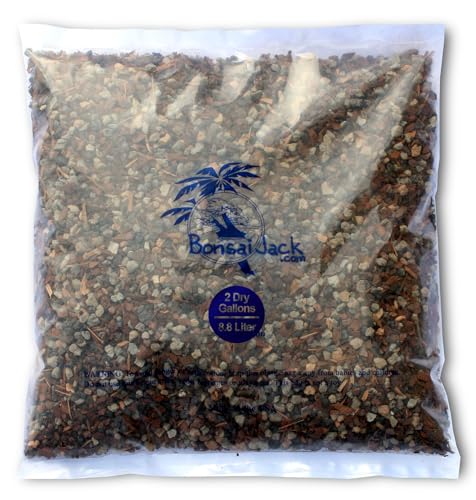
Bonsai Jack Universal Bonsai Soil Mix #221

Char Bliss Organic Biochar 8 Quarts

Worm Bliss Organic Worm Castings 1 Quart

DUSPRO Money Tree Soil 3-in-1 4 Quarts

DUSPRO Fiddle Leaf Fig Soil 5-in-1 10q
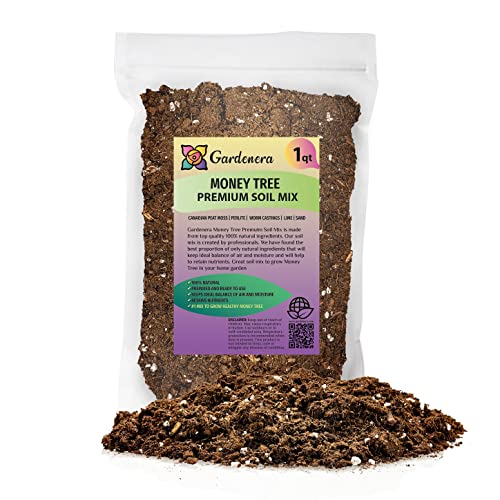
GARDENERA Money Tree Potting Soil 1qt

DUSPRO Citrus Tree Soil 4-in-1 6 Quarts

Gardenera Money Tree Spray Fertilizer 8oz

Gardenera Money Tree Liquid Fertilizer 8oz
A Deeper Look At The Lineup
FoxFarm Ocean Forest sits at the top because it doubles as a reliable all-purpose container medium for growers who keep more than one tropical on the windowsill. The 1.5 cubic foot bag covers several repottings of a medium Money Tree or a year of smaller top-ups, and it arrives ready to use straight from the bag with no mixing required.
Compared to Bonsai Jack on this list, Ocean Forest holds moisture longer, which matters in dry apartments where radiators steal humidity. You’ll want to amend it with extra perlite or pumice for a Pachira, but as a base layer it earns its spot. For most households, this is the practical starting point before committing to a species-specific blend.
Where It Excels
- Ready out of the bag, no soaking or rinsing needed
- Light, aerated texture suits tropical indoor trees
- Large 1.5 cubic foot volume stretches across multiple repottings
- Works as a versatile base for many houseplants beyond Money Trees
Things To Consider
- Retains more moisture than a pure Money Tree mix, so amending helps drainage
- Heavier bag can be awkward to carry up stairs
Who It Suits Best
Multi-plant households that want one bag to handle Money Trees, pothos, and other tropicals without buying separate media.
Consider Something Else When
Gardeners who prefer a pre-tuned Money Tree blend should look at DUSPRO Money Tree Soil, which skips the amending step.
For growers who’ve watched a Money Tree decline from soggy roots, Bonsai Jack Universal Mix #221 reorients the whole setup toward drainage. The blend arrives pre-screened and pre-washed, so the fine dust that normally clogs drainage holes is already gone, and the 6.4 pH target sits comfortably inside the slightly acidic range Pachira prefers.
Where FoxFarm holds water, this mix sheds it fast. In our view, that makes it the right call for tight ceramic cachepots or anyone watering on a schedule rather than by feel. Beginners sometimes overwater in the first month, and this medium forgives those mistakes more readily than denser soils. The trade-off is that you’ll water more often overall.
What Earns Its Place
- Pre-washed particles keep drainage holes clear longer
- pH tuned near 6.4 for healthy root function
- Engineered particle size for fast water movement
- Ready to use with no pre-rinse or sifting
Worth Noting
- Drains so quickly that watering frequency climbs
- Lighter color shows mineral buildup on the surface over time
- Holds less nutrient content, so a feeding routine becomes more important
Feature Snapshot
Right Fit For
Overwaterers and anyone whose Money Tree has struggled with yellowing leaves from root stress.
Skip It When
Low-light homes where watering frequency already feels like a chore, in which case DUSPRO Money Tree Soil offers a more forgiving balance.
Biochar is a charcoal-style soil amendment that holds nutrients in its porous structure and releases them back to roots over time. Char Bliss arrives OMRI-listed, so organic-minded growers can fold it into a custom blend without questioning what’s in the bag. The 8-quart volume is generous enough to amend several small bags of base mix.
Unlike the ready-to-pour DUSPRO picks later on this list, this one assumes you want to blend. It pairs naturally with FoxFarm Ocean Forest or plain coco coir to build a Money Tree medium that’s lighter and more nutrient-retentive than either alone. Think of it as a long-term soil conditioner rather than a standalone potting option.
Everyday Advantages
- Improves nutrient retention in fast-draining base mixes
- OMRI-listed for organic gardening standards
- Porous structure supports beneficial microbial activity around roots
- Lasts for years in the soil without breaking down
Honest Caveats
- Not a standalone medium; you still need a base soil or coir
- Dusty when dry, so wear a mask while blending
Made For
Tinkerers who enjoy dialing in their own Money Tree mix and want a slow-release organic backbone.
A Better Fit Elsewhere
If blending sounds like extra work, Worm Bliss Worm Castings offers a simpler one-ingredient upgrade over any base soil.
Worm castings (the digested organic matter earthworms leave behind) act like a gentle, slow-release fertilizer you can sprinkle or blend into existing soil. Plantonix Worm Bliss arrives in a 1-quart container that punches above its size; a thin top-dressing every couple of months is usually plenty for a single Money Tree.
Compare that to the larger DUSPRO bagged soils on this list. Where those products deliver a complete medium in one pour, Worm Bliss is a supplement, but its manure-free, vegan-friendly formula makes it appealing for indoor use. It’s also a smart way to refresh a tired pot without a full repot.
A Favorable Mix
- Rich in nitrogen, phosphorus, and trace minerals
- Won’t burn roots when used as directed
- OMRI-listed organic and manure-free
- Small footprint, easy to store in a closet
Points To Note
- One quart goes quickly if you treat multiple plants
- Strong earthy smell at first that fades within days
- Doesn’t replace a proper potting medium on its own
Best Suited To
Small-space growers who want to enrich an existing Money Tree pot without hauling in a big bag of soil.
Look Elsewhere When
You’d rather feed through a foliar spray instead of top-dressing, in which case Gardenera Money Tree Spray Fertilizer Mist fits the routine better.
DUSPRO’s Money Tree blend is purpose-built for Pachira aquatica, which means the particle mix already targets the airy, well-draining texture the species wants. The 3-ingredient formulation opens the bag, fills the pot, and skips the perlite-and-coir measuring dance that turns first-time repotting into a chore.
That’s the headline difference from FoxFarm Ocean Forest earlier: this one removes the guesswork. For a single Money Tree on a shelf, 4 quarts is a sensible size, and the lighter texture keeps roots from sitting wet between waterings. You may find the bag runs out faster than expected on a large specimen, so plan a second bag if you’re upsizing.
What Makes Sense
- Formulated specifically for Pachira aquatica needs
- Pre-mixed, so no separate amendments to source
- Lightweight texture improves airflow around the root ball
- Smaller 4-quart bag fits apartment storage
Small Caveats
- Limited 4-quart size means larger trees need two bags
- Doesn’t include starter fertilizer, so plan to feed separately
Who Should Grab It
New Money Tree owners who want a no-research, bag-to-pot experience on the first repotting.
Reach For A Different Pick When
You keep multiple tropicals and want one bag that serves them all, in which case FoxFarm Ocean Forest stretches further across the collection.
Built around fiddle leaf figs, this 5-in-1 DUSPRO blend combines coco coir, coconut fiber, perlite, pumice, and pine bark for a chunkier, well-draining medium. The 10-quart volume suits a mature Money Tree in a 10-inch or larger pot, or two smaller repottings back-to-back.
The texture reads more rustic than the smaller DUSPRO Money Tree bag earlier on the list. That chunkiness is intentional: it keeps air pockets alive around thick Money Tree roots. If your tree has outgrown its starter pot, this one reduces the urge to amend on the fly. The honest read is that the bag is overkill for a single small Money Tree, so split the cost only if you’re repotting big.
Standout Benefits
- Five-ingredient blend delivers balanced drainage and structure
- Large 10-quart bag suits mature specimens
- Pre-mixed, no measuring or sifting required
- Chunkier texture supports thick, woody Money Tree roots
Practical Considerations
- More than a single small Money Tree will use in one repotting
- Pine bark bits can float to the surface during initial watering
- Heavier than the 4-quart DUSPRO bag, awkward to lug upstairs
Feature Rundown
Perfect Match For
Owners of a mature, multi-stemmed Money Tree that’s ready for a step-up pot.
Swap It Out When
You’re repotting a small starter plant and would rather not store leftover soil, in which case the 4-quart DUSPRO Money Tree Soil is the better fit.
Gardenera keeps the focus narrow: this 1-quart bag is blended specifically for the Guiana chestnut, the botanical name behind every Money Tree sold in the trade. For a small specimen in a 4- or 6-inch pot, that’s exactly the amount you need for one repotting with little waste.
The intentional appeal over Bonsai Jack is the species targeting. Where Bonsai Jack tunes for general bonsai drainage, Gardenera’s blend leans into the looser, organic-rich profile a Pachira wants. The smaller volume means lower commitment for first-timers testing the waters, though larger trees will need multiple bags or a different option.
Useful Strengths
- Tailored for Money Tree rather than a generic tropical mix
- Small 1-quart size suits single-tree repotting
- Natural ingredient list without synthetic additives
- Easy to store in a kitchen drawer or shelf
Factors To Consider
- 1 quart is too small for trees in 8-inch or larger pots
- Limited availability compared to mainstream soil brands
The Right Fit
First-time owners of a small Money Tree who want a species-specific mix without buying more than they need.
A Better Fit Elsewhere
Anyone repotting a medium or larger Money Tree will find the 10-quart DUSPRO Fiddle Leaf Fig Soil a better volume match.
Citrus trees share a lot of soil DNA with Money Trees: both want a lighter medium that drains faster than standard houseplant potting soil. DUSPRO’s 4-in-1 citrus blend layers coco coir, coco fiber, and other components, and the raw ingredients are double-screened for a cleaner pour with fewer fines.
That double-screening sets it apart from many bagged soils on the market. Less dust means less mess on the kitchen counter, and fewer particles to wash down into the drainage layer. If your apartment rotates between a Money Tree and a small lemon or lime, this single bag covers both without buying separate media.
Positive Takeaways
- Double-screened for cleaner pouring and fewer fines
- Works for both Money Trees and indoor citrus
- 4-in-1 blend removes the need for separate amendments
- Mid-size 6-quart bag fits most single-tree repottings
Points To Keep In Mind
- Citrus-tuned rather than Money Tree-specific
- Mid-size bag may run short for larger specimens
Who Will Love This
Growers who keep both a Money Tree and a potted citrus and want one medium for the whole shelf.
Not Your Match When
You want a blend with “Money Tree” on the label for clarity, in which case the smaller DUSPRO Money Tree Soil earns the nod.
Foliar feeding (spraying nutrients directly onto the leaves) is the move when you want quick uptake without disturbing the root zone. Gardenera’s Money Tree mist delivers a 3-1-2 NPK ratio (nitrogen, phosphorus, potassium) in an 8-oz spray bottle, calibrated for a gentle weekly dose that won’t scorch foliage.
Compared to Worm Bliss from earlier, this feeds through the leaves rather than the soil. The spray format suits apartment growers who want to avoid top-dressing or mixing dry amendments, and the small bottle fits on a narrow shelf. It complements rather than replaces a base soil, so pair it with any of the media picks above.
The Helpful Details
- Ready-to-spray bottle requires no dilution step
- 3-1-2 ratio tuned for indoor foliage growth
- Lightweight mist avoids runoff on glossy leaves
- Compact 8-oz bottle stores easily in a cabinet
Small Limitations
- Doesn’t address soil-level nutrient needs
- Needs consistent weekly use to stay effective
Built With In Mind
Routine-focused plant owners who prefer a quick spritz over measuring dry fertilizer.
Where A Sibling Pick Shines
If you’d rather feed through the soil once and forget about it for a while, Gardenera’s Liquid Money Tree Fertilizer Concentrate gives a longer interval between doses.
Closing the list is Gardenera’s liquid concentrate, the soil-feeding counterpart to the spray mist above. The same 3-1-2 NPK ratio gets diluted into a watering can and delivered at the root zone, where Money Trees do most of their nutrient uptake. The 8-oz bottle lasts months at typical indoor feeding schedules.
This rounds out a routine alongside any of the soil picks earlier on. Where Worm Bliss offers a slow-release organic option, this concentrate is faster-acting and easier to control. The honest read: pick this when you want predictable, dialed-in feeding, and skip the spray version to avoid doubling up.
What Works In Its Favor
- Concentrated format stretches across many feedings
- 3-1-2 ratio balances leaf and root growth
- Mixes cleanly into regular watering routine
- Small bottle keeps storage footprint minimal
Trade Offs
- Requires measuring and dilution each feeding
- Easy to overfeed if applied more often than directed
- Doesn’t replace the soil refresh that a Money Tree benefits from every couple of years
Feature Snapshot
Whose Shelf It Belongs On
Disciplined plant owners who already follow a watering calendar and want predictable soil feeding.
Another Choice May Suit
If you’d rather feed less often and with less measuring, Worm Bliss Worm Castings offers a hands-off organic alternative.
Matching Potting Mix To Your Money Tree
Money Trees reward a lighter, faster-draining medium than most generic bagged soils provide. Start by matching the bag size to the tree: small specimens in 4- to 6-inch pots need only 1 to 4 quarts, while a mature multi-stemmed tree in a 10-inch container uses closer to 8 to 10 quarts at repotting. Choosing by particle size matters more than by brand alone.
Drainage Comes First
A Money Tree’s trunk stores water, which means soggy roots rot long before the leaves show stress. Look for mixes that include chunky aerators like perlite, pumice, pine bark, or pre-washed grit. Soils that feel dense or sticky straight from the bag usually need amending, regardless of how they’re marketed.
Ingredient Lists Tell The Real Story
Pre-mixed blends listing coco coir, coconut fiber, perlite, or pumice in the first few positions generally outperform generic “potting soil” labels. Bark-heavy mixes favor larger trees with thicker roots; coir-dominant blends retain a touch more moisture for drier apartments. Read past the marketing and look for what’s actually doing the work.
Amendments Versus Standalone Mixes
Pure amendments like Char Bliss biochar and Worm Bliss worm castings don’t replace a base soil; they enrich one. Pair them with a larger bag of FoxFarm or a DUSPRO blend when you want to push drainage or nutrition a step further without buying five separate products.
Feeding Routines Complete The Setup
Even the best mix loses nutrients over months of watering. A foliar spray like Gardenera’s mist or a diluted liquid concentrate keeps foliage color steady between repottings. Schedule feeding for the active growing months, and ease off during winter when the tree slows down.
What Sets These Picks Apart
Pitfalls Shoppers Hit
Buying a “Money Tree soil” based on the label alone often leads to a peat-heavy bag that holds too much water for Pachira. Skip mixes without listed aerators, and resist the urge to grab outdoor garden soil, which compacts fast in a container. Confirm the bag size matches the pot you’re filling, since under-buying turns a single repotting into two trips.
Where The Extra Money Goes
Premium blends earn their cost through double-screening, pre-washing, and tighter ingredient ratios that reduce dust and fines. That translates to cleaner pours, fewer clogged drainage holes, and less frequent watering guesswork. For a single tree in a small pot, a budget bag amended with perlite works fine; for a mature specimen or a multi-plant shelf, the upgrade pays back in saved maintenance.
Frequently Asked Questions
How Often Should I Repot A Money Tree With Fresh Soil?
Most Money Trees benefit from a fresh medium every two to three years, or whenever roots circle the pot or poke out of drainage holes. Repotting during the active growing season helps the tree recover faster.
Can I Use Regular Potting Soil For A Money Tree?
Standard potting soil tends to hold too much moisture for a Pachira. Amending it with perlite, pumice, or bark improves drainage, though a pre-mixed tropical or bonsai blend is usually a safer starting point.
Do Money Trees Need Fertilizer Beyond Fresh Soil?
Yes, especially after the first six months in a new pot. A monthly dose of diluted liquid fertilizer or a quarterly top-dressing of worm castings keeps leaves green and growth steady through the active months.
Is Coco Coir Safe For Money Trees?
Coco coir is a popular peat alternative that holds moisture while staying airy, and it works well for Money Trees when balanced with chunky drainage amendments. It also rewets more easily than peat if the medium dries out fully.
What Pot Size Is Right After Repotting?
Go up only one to two inches in diameter at a time. Jumping to a much larger pot keeps the soil wet longer than the roots can absorb, which sets up the rot that Money Trees are most prone to.
Final Verdict
A good Money Tree soil is lighter and grittier than the generic stuff on most garden center shelves. Start with a pre-mixed option that matches your tree’s size, lean on FoxFarm or Bonsai Jack for general indoor use, and let the DUSPRO blends handle species-specific repotting. Add Worm Bliss or a Gardenera fertilizer to round out a routine, and your Money Tree will reward you with steady growth for years.
