

You want to know what’s really going on beneath the lawn, the flower bed, or the back forty, but guessing gets expensive in the long run. Soil sample probes let you pull cores without digging a hole, so pH tests, texture checks, and nutrient readings actually mean something. This lineup covers compact hand-push models for tight garden work and longer steel rods built for deeper probing across larger properties.
The Lineup, Simplified

T&T Tools 54-Inch Mighty Probe Soil Probe 2 Pack

T&T Tools 42-Inch Mighty Probe Soil Probe

Lichtund 12-Inch Stainless Steel Soil Probe
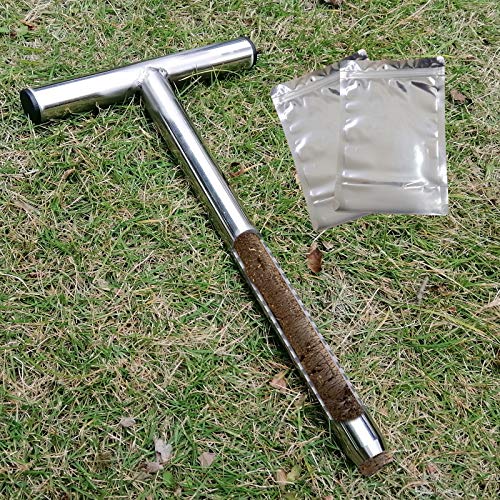
HiHydro 12-Inch Soil Probe with 2 Sample Bags

HiHydro T-Style Soil Sampler Probe (21-Inch)

Lichtund 16-Inch Soil Probe with 2 Bags

HiHydro T-Style Soil Sampler Probe (16-Inch)

Lichtund 16-Inch Soil Probe with Ejector

Lichtund 35-Inch Soil Probe with Foot Pedal

HiHydro 40-Inch Soil Probe with Foot Pedal
Why These Options Stand Out
Long reach and double-pack value make this the rod that shows up when the job runs deep. The 54-inch overall length with a 3/8-inch metal hex rod pushes past typical garden probes, so you can sample subsoil layers or probe for buried utilities without kneeling. Compared to the shorter picks below, this one trades compactness for serious downforce.
The rod’s steel core resists bending under load, which matters once you hit clay or partially frozen ground. A 6-inch composite insulator near the top gives your hands a buffer from any buried electrical lines you might encounter during utility probing. For most homeowners, two rods in the pack means a backup is always within arm’s reach.
Where It Delivers
- 54-inch reach pulls cores from well below the typical topsoil layer
- 3/8-inch hex rod resists twisting under heavy hand pressure
- Two-pack pricing lowers the cost per rod for multi-user setups
- Composite insulator adds a layer of protection near the grip
- Steel construction holds up through repeated hard insertions
Honest Caveats
- Length makes storage in a small garden shed awkward
- Heavier than the 12-inch hand models, so fatigue builds on long sessions
Who It Suits Best
Homeowners with deep-rooted concerns, large lots, or utility-locating tasks who want one tool that reaches further than a hand-held probe.
A Better Fit Elsewhere
Casual gardeners sampling a small raised bed will find the Lichtund 12-Inch Stainless Steel Soil Probe far easier to handle.
A thicker rod at a friendlier length than the 54-inch sibling. The 7/16-inch hex shaft gives this probe more rigidity than the 3/8-inch models, so it pushes through compacted soil with less flex. For shop owners and serious DIYers who probe regularly, that extra material matters when the ground fights back.
Alloy steel construction keeps weight reasonable while standing up to repeated hard pushes. A six-inch insulator near the grip keeps stray electrical contact at a safer distance during utility checks. You may find the single-pack format makes sense when you only need one capable rod rather than a backup pair.
Features That Help
- 7/16-inch hex rod adds torsional strength for hard ground
- Alloy steel balances strength with manageable weight
- 42-inch length hits a sweet spot between reach and control
- Six-inch insulator protects hands during utility probing
Worth Noting
- Single pack means no spare rod if one bends under extreme load
- Still too long for comfortable bench-top sample work
Made For
Trade users and homeowners who need a stiffer, thicker rod for compacted or rocky ground sampling.
Skip It When
Container gardeners and balcony growers will find the HiHydro 12 Inch Soil Probe with 2 Sample Bags far more appropriate for the scale of work.
A short, hand-friendly probe built for tight spaces where longer rods get in the way. The 12-inch stainless steel shaft slips between vegetable rows and tucked-in flower beds without damaging roots or stepping on plants. Compare that to the T&T rods above, and the size difference is obvious right away.
Stainless construction handles moisture without rusting between sessions, so storage in a damp garden shed won’t punish the finish. A T-style handle gives leverage for one-handed pushes while the other hand steadies the soil core. For most backyard setups, this length pulls more than enough sample for at-home pH and texture tests.
Key Advantages
- 12-inch length navigates tight planting rows without trampling
- Stainless steel resists corrosion through repeated wet-soil use
- T-handle grip supports one-handed insertion
- Light enough to carry in a tool belt or apron pocket
Trade Offs
- Limited depth means it won’t reach subsoil layers on deep-rooted projects
- Not suited for hard-packed or rocky ground without pre-loosening
The Right Fit
Backyard vegetable gardeners and raised-bed growers who only need topsoil samples for quick nutrient checks.
Look Elsewhere When
Anyone working a half-acre lawn or hunting for utility lines will get more reach from the T&T Tools 54-Inch Mighty Probe Soil Probe 2 Pack.
An entry-level stainless probe bundled with reusable sample bags to get you sampling on day one. The T-handle grips comfortably during push-and-twist motions, and the 12-inch length handles the standard topsoil layer where most home tests focus. Unlike the bare-bones Lichtund probe, this kit arrives ready for repeat sampling without scrambling for containers.
Two reusable sample bags mean you can collect one core, label it, then move to the next zone without cross-contamination. Owners commonly report that the bags clean up easily between uses, which keeps results honest across multiple lawn patches. For first-timers, the all-in-one packaging removes the guesswork of pairing accessories later.
Strengths Worth Knowing
- Reusable sample bags included for organized multi-zone testing
- Stainless shaft stays clean through repeated wet insertions
- T-handle design supports comfortable two-handed leverage
- Bundle format removes the need to buy accessories separately
Points To Keep In Mind
- Sample bag capacity limits how deep a single core can be without splitting
- Short reach rules out subsoil profiling or utility probing
Best Suited To
New gardeners setting up their first soil testing routine who want a complete kit rather than piecing one together.
Reach For A Different Pick When
Anyone needing deeper cores for forestry or agriculture work should step up to the HiHydro 40-Inch Soil Probe with Foot Pedal.
Mid-length stainless probe that bridges the gap between hand-held and full-depth rods. At 21 inches overall, it adds reach beyond the 12-inch picks without tipping into the long-rod category where storage becomes a real issue. The tubular stainless construction pulls clean cores that slide out easily for visual inspection.
A T-style handle gives natural wrist position during repeated sampling passes around shrub borders and small lawn patches. The stainless body resists corrosion through seasonal storage in humid sheds or garages. For most homeowners, this length handles everything from lawn renovation prep to flower bed amendment planning.
What It Does Well
- 21-inch length reaches past most topsoil layers without being unwieldy
- Tubular stainless shaft ejects cores smoothly for visual review
- T-handle supports comfortable grip during longer sessions
- Mid-range size stores easily against a shed wall or in a truck bed
A Few Limitations
- No foot pedal, so deep insertion on hard ground requires body weight
- Doesn’t include sample bags in the standard kit
Whose Shelf It Belongs On
Home gardeners managing mixed borders, small lawns, and shrub beds who want more reach than a 12-inch probe but don’t need a 40-inch rod.
Not Your Match When
Anyone regularly sampling deep cores across a half-acre lawn will prefer the Lichtund 35-Inch Soil Probe with Foot Pedal for the leverage it provides.
A versatile mid-short probe that earns its place in mixed lawn-and-garden routines. The 16-inch shaft reaches a bit deeper than the 12-inch picks, so you get past the disturbed top layer into less-worked soil. Compared to the slimmer HiHydro 21-inch version, this one ships with sample bags and a stainless body.
Black plug caps on both sides seal the sample chamber once a core is captured, reducing spillage during transport to your testing area. The T-handle design distributes pressure evenly across both palms when forcing through tougher ground. Owners commonly find this length hits the sweet spot for routine seasonal testing without needing a stool or step stool.
Why It Works Well
- 16-inch reach extends past typical topsoil for cleaner cores
- Plug caps on both ends prevent sample loss during transfer
- Stainless build resists rust in damp storage conditions
- Includes two reusable bags for multi-zone sampling
Worth Bearing In Mind
- No foot pedal means harder insertions on compacted clay
- Still too short for true subsoil or deep-root zone work
Who Should Grab It
Suburban homeowners managing mixed lawn renovation and garden bed prep who want one probe for both jobs.
Consider Something Else When
Anyone regularly pushing past 18 inches into compacted ground should move to the HiHydro 40-Inch Soil Probe with Foot Pedal for easier deep insertion.
The compact cousin to the 21-inch HiHydro, scaled down for quick vegetable patch testing. The 16-inch body handles routine amendment checks without overreach, which matters when working between established plants. Compared to the Lichtund 16-inch probe above, this one skips the included sample bags for a lower entry price.
Tubular stainless construction slides cores out cleanly for visual texture and color inspection. The T-style handle supports two-handed leverage for gardeners who prefer a more controlled push. For most vegetable patch testing, this length pulls enough sample to identify compaction layers, organic matter content, and basic drainage behavior.
Positive Takeaways
- 16-inch length reaches the active root zone in most vegetable beds
- Tubular stainless body ejects cores smoothly without sticking
- T-handle grip fits naturally during extended sampling sessions
- Lower price point than bag-equipped kits
Some Limits To Know
- No sample bags means sourcing your own containers
- Short reach limits use in deep-rooted perennial beds
Perfect Match For
Vegetable gardeners running seasonal soil checks who already have containers or don’t mind improvising sample storage.
Where Another Pick Suits Better
Anyone wanting the same 16-inch reach but with ejector convenience should consider the Lichtund 16-Inch Soil Probe with Ejector.
The same 16-inch stainless platform as the basic Lichtund above, but with an ejector mechanism that simplifies core removal. Instead of tapping or shaking to free a stuck sample, a built-in plunger pushes the core out cleanly. For repeat sampling across multiple lawn zones, that convenience adds up fast.
The T-handle keeps your grip consistent whether you’re pushing into the ground or ejecting the sample afterward. Stainless construction holds up through the kind of weekly use that comes during active lawn renovation projects. Compared to the HiHydro 16-inch sibling, this version trades slightly higher cost for a noticeably cleaner workflow.
The Case For It
- Ejector mechanism removes cores without shaking or tapping
- Reduces sample mess during multi-zone testing rounds
- Stainless build withstands heavy seasonal use
- Plug caps preserve sample integrity during transport
- T-handle supports smooth push-and-eject motion
Honest Caveats
- Ejector adds moving parts that may need cleaning after wet-soil sessions
- Higher cost than the non-ejector Lichtund 16-inch model
Built With In Mind
Homeowners running weekly or seasonal lawn tests who value a clean, repeatable sampling process over the lowest sticker.
Swap It Out When
Anyone working larger areas who needs pedal-assisted deep insertion will find the HiHydro 40-Inch Soil Probe with Foot Pedal better suited.
Long-reach sampling meets pedal-assisted insertion for compacted lawn areas. The 10-inch T-handle and foot pedal combination lets body weight do the heavy lifting when hand pressure alone won’t cut it. Compared to the shorter 16-inch picks, this one tackles the kind of ground that’s been driven over or settled for years.
Stainless steel construction handles the harder push cycles without bending, and the included sample bags let you capture and label cores across multiple lawn zones in a single session. For most homeowners wrestling with stubborn clay or layered soil, the pedal transforms an exhausting job into a manageable one. Storage requires a corner or wall hook given the overall length.
Useful Touches
- Foot pedal reduces arm fatigue during deep insertions
- 35-inch length reaches well into compacted subsoil layers
- T-handle supports stable two-handed guidance
- Includes two reusable bags for organized multi-zone sampling
- Stainless build resists bending under sustained pedal pressure
Points To Note
- Long overall length requires dedicated storage space
- Pedal mechanism needs occasional cleaning after wet sessions
Right Fit For
Homeowners with compacted lawn areas or layered soil who need pedal-assisted insertion without jumping to a full 40-inch or 54-inch rod.
Another Choice May Suit
Anyone wanting even longer reach for deep utility or septic locating will appreciate the T&T Tools 54-Inch Mighty Probe Soil Probe 2 Pack.
The full kit: long reach, pedal-assisted insertion, ejector, and a reusable sample bag. At 40 inches overall, this probe reaches deep enough to read subsoil conditions on larger properties and small farm plots. The stainless build, combined with the ejector, turns what is normally a multi-step process into one clean motion.
For most property owners managing a half-acre or more, the pedal saves real time when sampling across many zones in a single afternoon. The reusable bag trims ongoing consumable costs compared to single-use alternatives. Owners commonly report that the combination of reach and pedal leverage keeps the job manageable even on harder, neglected ground.
Real Benefits
- 40-inch reach supports subsoil and deep-root zone profiling
- Foot pedal reduces physical strain during extended sampling sessions
- Ejector mechanism simplifies core removal between zones
- Reusable sample bag lowers ongoing consumable costs
- Stainless construction handles regular farm or garden use
- Full-kit format removes the need to source accessories separately
Less Ideal Details
- Full 40-inch length requires wall or corner storage planning
- Higher cost than shorter hand-held models in the lineup
Who Will Love This
Property owners with large lawns, hobby farms, or extensive garden beds who want one probe to handle depth, leverage, and sample handling in a single tool.
A Better Fit Elsewhere
Raised-bed and container gardeners will do better with the simpler HiHydro 12-Inch Soil Probe with 2 Sample Bags at a fraction of the cost.
Choosing Soil Sample Probes That Match Your Ground
Matching a probe to your soil and project size prevents wasted effort and bent rods. The right tool depends on how deep you need to sample, how hard the ground is, and how often you’ll pull cores. Each factor shapes which design earns its keep in your shed.
Reading Soil Texture Before You Buy
Soil texture refers to the relative mix of sand, silt, and clay particles in your ground. Clay-heavy soils resist penetration, so longer rods with foot pedals or thicker hex shafts handle them better. Sandy or loamy ground lets shorter hand-held probes work without excessive force.
Reach Versus Maneuverability
Shorter probes (12 to 16 inches) navigate tight rows without trampling plants or damaging roots. Longer probes (35 to 54 inches) reach deeper subsoil layers and stand up to utility-locating tasks. Trade-off: shorter probes feel nimble but won’t read deeper profiles, while longer rods handle depth but demand more storage space and arm strength.
Handle Design and Sample Handling
T-style handles distribute pressure across both palms and support one-handed pushes in softer ground. Ejector mechanisms and plug caps simplify core removal when you’re sampling multiple zones in one session. Without these features, you’ll spend extra time tapping or shaking cores free between pulls.
Matching Build To Use Frequency
Stainless steel resists rust through repeated wet-soil sessions and seasonal storage in humid sheds. Plain steel rods cost less but may corrode faster without diligent drying after each use. Heavy-duty alloy or thicker hex shafts hold up to commercial-grade sampling routines on compacted ground.
What Shoppers Often Overlook
Pitfalls Shoppers Hit
A common slip is picking a probe based on length alone, ignoring whether the ground will actually accept it. Hard-packed clay laughs at short, slim rods, and a frustrated user assumes the tool is faulty when the real issue is mismatched sizing. Another trap is skipping sample bags or ejectors to save a few dollars, then losing time wrestling cores out of the chamber mid-session.
Where The Extra Money Goes
Spending more typically buys stainless construction, pedal-assisted insertion, ejector mechanisms, and longer reach. These features show their value when you sample frequently, work compacted ground, or cover larger areas in single sessions. For casual raised-bed testing, the extra cost rarely earns its keep, but for active lawn renovation or small-acre work, the upgrade pays back in saved time and reduced fatigue.
Frequently Asked Questions
How deep should a soil sample probe reach for home lawn testing?
For typical topsoil testing, 12 to 16 inches covers the active root zone in most residential lawns. Deeper reach matters when you’re checking subsoil compaction, locating utilities, or sampling below the disturbed layer.
Can soil sample probes work in rocky or frozen ground?
Short, slim rods struggle in rocky or frozen conditions because they bend or refuse to penetrate. Longer rods with thicker hex shafts, foot pedals, or composite insulators handle tougher conditions, though severely frozen ground may require waiting for a thaw.
What’s the advantage of stainless steel over plain steel?
Stainless steel resists rust and corrosion through repeated wet-soil sessions and humid storage. Plain steel costs less upfront but typically requires thorough drying after each use to slow oxidation over time.
Do I need a foot pedal on a soil sample probe?
Foot pedals matter most when you regularly sample compacted clay, layered soil, or larger areas. For soft garden beds or occasional raised-bed checks, hand pressure on a T-handle usually suffices.
How do I clean and store a soil sample probe?
Rinse the shaft after each session, dry it thoroughly, and store it indoors to extend its lifespan. Stainless models handle damp storage better than plain steel, but a wall hook or corner placement keeps longer rods from getting knocked around.
The Takeaway
The right probe matches your ground, your plot size, and how often you sample. Short stainless picks handle backyard beds with minimal fuss, while longer rods with pedals and ejectors take the strain off larger lawn and farm work. Pick the depth and features that fit your routine, and the rest of the testing process gets a whole lot easier.
