

Healthy gardens start under the surface, and guessing at soil conditions wastes seasons. These soil testing kits cover three common needs: telling you when to water, mapping nutrient levels in chemical detail, and pulling clean cores so a lab or extension office can do the real work. Whether you’re tending a windowsill herb garden or prepping a quarter-acre food plot, the right tool changes how you feed, water, and amend.
The Choices Worth Comparing
Pexio PretiHom 3-in-1 Soil Moisture Meter (Light Green)

AUZEKER 40 Inch Stainless Steel Soil Sampler Probe

AUZEKER 12 Inch Soil Sampler Probe + 50 Sample Bags
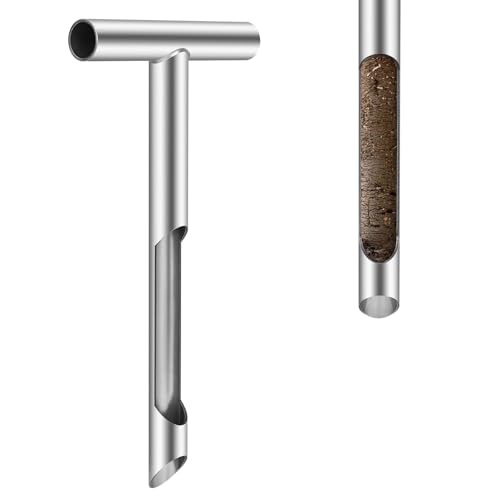
AUZEKER 12 Inch Stainless Steel Soil Sampler Probe

AUZEKER 40 Inch Soil Sampler Probe + 50 Sample Bags
Jxikatx 7-in-1 Soil Test Kit with Dual Display

Dewilde Trading Co Soil Test Kit, 140 Tests

Dewilde Trading Co 100 Soil pH Test Strips

Dewilde Trading Co Premium Soil Test Kit, 40 Tests
Taking A Closer Look At The Options
Most people kill houseplants with kindness, and a probe-style meter is the cheapest cure. The Pexio PretiHom three-in-one reader slides into soil and reports moisture, pH, and sunlight intensity on a simple analog dial, all without a battery.
The dual-probe head leaves a small slit in loose potting mix, so it’s gentle on roots in most cases. Houseplant owners with a windowsill collection will get the most value, while outdoor row gardeners may find the readings too shallow for their needs.
Everyday Perks
- Analog operation means no batteries to swap or chargers to lose.
- Three readings in one pass cut the time spent circling the plant with separate tools.
- Light green housing makes the probe easy to spot in a tangle of foliage.
- Translates raw pH numbers into a “Dry/Moist/Wet” moisture scale for quick decisions.
Things To Consider
- Probes should be wiped clean between readings, especially after dense or muddy soil, or cross-contamination can throw off the next reading.
- Not designed for hard, compacted ground, where the shaft may bend under force.
Who It Suits Best
Apartment dwellers and first-time plant owners who water too often or forget entirely will see the fastest improvement.
Skip It When
Vegetable gardeners planning nutrient amendments will find more useful numbers in the Jxikatx 7-in-1 Soil Test Kit or the Dewilde Trading Co liquid kits.
A probe that doesn’t reach deep enough is just a fancy stick. The AUZEKER 40-inch sampler solves the back-and-knee problem by letting you stand while a stainless steel shaft pulls a clean core from the root zone without bending.
The T-handle is built for two-handed twisting pressure, and the stainless body shrugs off the rust that plagues cheaper plated tools. Larger property owners and small-acreage growers benefit most; raised-bed gardeners will overpay for reach they don’t need.
Benefits That Matter
- Standing-height reach avoids the back strain that comes from kneeling over short probes.
- Stainless steel resists corrosion across seasons of repeated use and storage.
- Pulls consistent cores that local extension offices accept for lab submission.
Trade Offs
- Longer shaft takes practice in rocky ground, where the tip can hit a stone and stop.
- No included sample bags, so plan to source zip bags or the AUZEKER 12-inch bundled kit for organized shipping.
Made For
Pasture managers, food plot planters, and homeowners with half an acre or more who want lab-accurate depth.
Reach For A Different Pick When
Raised bed growers and apartment patios should step down to the AUZEKER 12 Inch Stainless Steel Soil Sampler Probe, which suits tight spaces far better.
A probe is only useful if you can keep track of where each core came from. This AUZEKER bundle solves that by pairing the 12-inch stainless sampler with fifty sample bags, so cores from the front lawn stay separate from the back bed.
The shorter shaft is right at home in raised beds and flower borders, where you rarely need to dig past the top foot. Suburban homeowners running multiple test zones benefit most, while anyone with deep-rooted trees will find the 12 inches limiting.
Practical Pluses
- Fifty sample bags mean organized multi-zone testing from day one.
- Twelve-inch reach covers the active root zone for most vegetables and lawn grass.
- Stainless steel shaft cleans easily with a rinse and dry between uses.
Where It May Fall Short
- Twelve inches runs short for established fruit trees and deep-rooted perennials.
- Requires kneeling, which can wear on knees during longer sampling sessions.
Right Fit For
Backyard gardeners managing several beds who want to send labeled samples to a lab without buying extras.
Consider Something Else When
Anyone planning deep root-zone work on a half-acre or larger property should pick the AUZEKER 40 Inch Stainless Steel Soil Sampler Probe for the extra reach.
The bare-bones sibling of the bag-included AUZEKER 12-inch kit, this probe strips back to the core tool. You get the same stainless steel shaft and T-handle without the bundled bags, which makes it the right pick when you already have a labeling system.
Twelve inches of depth matches most home garden and lawn needs, especially in raised beds where the soil profile is engineered rather than native. Gardeners who want to add their own sample containers will appreciate the lower buy-in.
Strengths Worth Knowing
- Stainless build holds up to repeated insertion in clay and loam without flaking.
- T-handle gives two-handed leverage for breaking through crusted topsoil.
- Pairs easily with resealable kitchen bags if sample bags aren’t a priority.
Honest Caveats
- No bags included, so you’ll need a separate plan for labeling and storage.
- Short length limits utility in orchard or pasture settings.
Best Suited To
Home gardeners with one or two established beds who already own bags or jars for sample organization.
Where Another Pick Suits Better
Multi-zone testers managing five or more sampling locations should grab the bag-bundled AUZEKER 12 Inch Soil Sampler Probe + 50 Pack instead, since organization beats reuse every time.
The bigger sibling of the AUZEKER bundle lineup, this 40-inch sampler pairs standing-height reach with fifty sample bags for serious multi-zone testing. Large yards, small farms, and food plots are exactly the use case it’s built around.
The T-handle comes with an anti-pinch guard that protects your knuckles during twisting leverage. For most homeowners, the deep reach may be overkill, but if you’re managing orchard rows or pasture, the extra length pays off every season.
The Upside
- Standing-height reach eliminates the knee-strain common with shorter probes.
- Anti-pinch guard keeps fingers safe during heavy twisting on tough ground.
- Bundle covers a full season of multi-zone testing out of the box.
Small Caveats
- Long shaft is harder to maneuver in tight landscaped beds where overhead branches get in the way.
- Storage requires a corner of the garage, since it doesn’t shrink down.
Whose Shelf It Belongs On
Property owners with quarter-acre-plus lawns, small orchards, or food plots who want to track soil changes over multiple seasons.
Not Your Match When
Small-plot gardeners in tight spaces will be happier with the 12-inch bundled AUZEKER, which maneuvers around established perennials with less effort.
Most analog probes give you moisture and a shrug on everything else. The Jxikatx 7-in-1 covers moisture, pH, fertility, light intensity, soil temperature, air humidity, and ambient temperature, all on a dual-screen display that splits the data for easy reading.
That said, “fertility” on a probe-style meter is an indirect reading rather than a true NPK lab result, so treat it as a starting point. Data-curious indoor growers and patio gardeners will appreciate the breadth, while those chasing lab-grade nutrient numbers should still send a sample off.
Advantages To Know
- Seven readings in one session reduce the juggling of separate meters and thermometers.
- Dual display keeps the most-watched numbers visible without mode cycling.
- Air humidity and ambient temperature broaden the use case beyond soil alone.
Points To Keep In Mind
- Probe-style fertility readings are an estimate, not a replacement for liquid NPK kits or lab work.
- Sensor tip should be cleaned between uses, since residue can skew the next reading.
Feature Card
Who Should Grab It
Tinkerers and detail-oriented plant parents who want a wide snapshot without buying three separate meters.
A Better Fit Elsewhere
Vegetable gardeners chasing actual nitrogen and potassium numbers should reach for the Dewilde Trading Co Premium Soil Test Kit, which runs a real chemical assay.
Liquid reagent kits are where soil testing tips from hobby into actual chemistry. The Dewilde 140-test kit measures pH, nitrogen, phosphorus, potassium, and ammonia using color-change reactions, giving a real nutrient panel rather than a probe estimate.
One hundred and forty tests across the panel stretch across multiple seasons and several beds. The trade-off is process: you’ll mix soil with distilled water, add capsules, and compare colors against a chart. Gardeners who want real numbers and don’t mind the ritual get the best return.
Standout Benefits
- Five-metric panel includes ammonia, a frequent missing piece in cheaper kits.
- 140 total tests support a full year of multi-bed monitoring.
- 2026-updated instructions address common confusion in older color charts.
- Liquid reactions translate into fertilizer choices rather than guesses.
Practical Considerations
- Color matching takes practice and depends on decent lighting for accuracy.
- Test capsules and reagent containers should be stored dry and sealed between uses.
Perfect Match For
Vegetable gardeners planning fertilizer amendments across multiple beds who want a chemical reading at home.
Look Elsewhere When
Growers who only need pH can save time with the simpler Dewilde Trading Co 100 Soil pH Test Strips, which skip the reagent mixing entirely.
For most home gardeners, pH is the only number that actually changes what you plant. These Dewilde strips cover a 3.5 to 9 range, which spans everything from acid-loving blueberries to sweet-soil vegetables, with a hundred strips in the jar.
The procedure is simple: mix soil with distilled water, dip the strip, and compare to the chart. You give up nutrient data for speed and zero reagent mess, which fits renters, casual gardeners, and anyone who wants a sanity check before adding lime or sulfur.
Useful Touches
- No reagent capsules to store means less shelf clutter over time.
- Broad 3.5 to 9 pH range catches both acidic and alkaline soil conditions.
- Hundred-strip count supports multi-zone testing across the whole yard.
Less Ideal Details
- Strip-only format offers no nitrogen, phosphorus, or potassium data.
- Color matching depends on good lighting and a fresh strip for each test.
Who Will Love This
Casual gardeners and renters who want a fast pH sanity check without committing to liquid kits or probes.
Another Choice May Suit
Anyone planning fertilizer work will benefit more from the Dewilde Trading Co Premium Soil Test Kit, which adds real NPK readings on top of pH.
When you’re ready to stop guessing about fertilizer, a four-in-one chemical kit earns its place on the bench. The Dewilde Premium tests pH, nitrogen, phosphorus, and potassium, the four numbers that actually dictate what to add to the bed.
Forty total tests, ten per parameter, suit a focused garden plan across one or two seasons. This kit rewards growers who keep notes, since comparing results over time is where the real value shows up. It’s also the most time-intensive pick here, so patience matters.
A Few Highlights
- Four parameters cover the trio that drives fertilizer decisions, plus pH.
- Ten tests per parameter support a season of deliberate tracking.
- Color-change format works without electricity or batteries.
Points To Note
- Reagent capsules should be kept sealed and dry, since moisture ruins the chemistry.
- Smaller test count than the 140-test Dewilde kit, so plan your sampling carefully.
Built With In Mind
Serious home gardeners and small-plot growers who want lab-style nutrient data to drive targeted amendments.
Swap It Out When
Multi-bed operations running many zones should step up to the Dewilde Trading Co Soil Test Kit 140 Tests, which spreads more tests across the season.
Picking The Right Soil Testing Kit For Your Garden
Probe vs. Chemical: Which Fits Your Routine
Probe-style meters deliver instant, no-fuss readings that guide watering and rough pH estimates. Chemical reagent kits demand more setup but return real nutrient numbers you can act on. Probe meters suit casual houseplant care, while chemical kits suit anyone planning fertilizer amendments across a vegetable bed. Match the tool to the decision you actually need to make, not the spec sheet.
Depth, Reach, and Sample Collection
Long stainless probes reach deeper into the root zone without kneeling, which matters for orchards and pasture. Shorter 12-inch probes maneuver around perennials in raised beds and tight borders. Bundled sample bags make multi-zone testing organized; bare probes require your own labeling system.
What to Look For in a Reagent Kit
Test count per parameter determines how many zones and seasons you can cover. Color-change reactions are only as accurate as your lighting and timing, so dedicated gardeners get better results. Storage matters: keep capsules sealed and dry, or the chemistry degrades before you finish the box.
Key Considerations Across These Picks
Common Shopping Slip Ups
Buying a probe for nutrient data is the most common misstep. Probes estimate; chemical kits measure. Skipping sample bags leads to mixed-up cores once three beds are in play. Ignoring depth means buying a probe that’s too short for orchard work or too long for raised beds.
What The Higher Tier Buys
Premium reagent kits add ammonia and fertility readings that basic strips skip. Longer probes buy standing-height sampling and lab-acceptable core depth. Bundled sample bags buy organization, which matters most when comparing results across multiple zones or seasons.
Frequently Asked Questions
How often should I test my soil?
Most home gardeners get useful data testing twice a year: once in early spring before amendments, and once in fall to track changes. Heavier feeding schedules like vegetable beds may justify quarterly checks during peak growth.
Do probe meters really measure pH accurately?
Probe-style pH readings are best treated as directional indicators rather than lab-grade numbers. For precise pH decisions, liquid reagent kits or strips paired with distilled water give more reliable results.
Can I use the same probe for indoor and outdoor plants?
Yes, as long as you wipe the shaft between very different soil types. Cross-contamination between acidic houseplant mix and alkaline outdoor soil can skew readings by a noticeable margin.
What’s the difference between a soil probe and a soil test kit?
A probe pulls physical samples or measures moisture, light, and rough pH on the spot. A soil test kit uses chemical reactions to measure actual nutrient levels, requiring more time but giving more actionable data.
Do I need to send soil to a lab instead?
For garden beds where you’re investing in fertilizer and amendments, a home kit covers most needs. For commercial plots or persistent growth problems, a lab report adds micronutrient data home kits don’t capture.
The Takeaway
Soil testing kits earn their keep by turning guesswork into a number you can act on. Match the tool to the question you actually have: probe meters for watering, strips for quick pH, reagent kits for fertilizer planning, and long probes for clean lab submissions. The right answer depends on your bed size, your patience for process, and how much data your planting plan needs to succeed.
