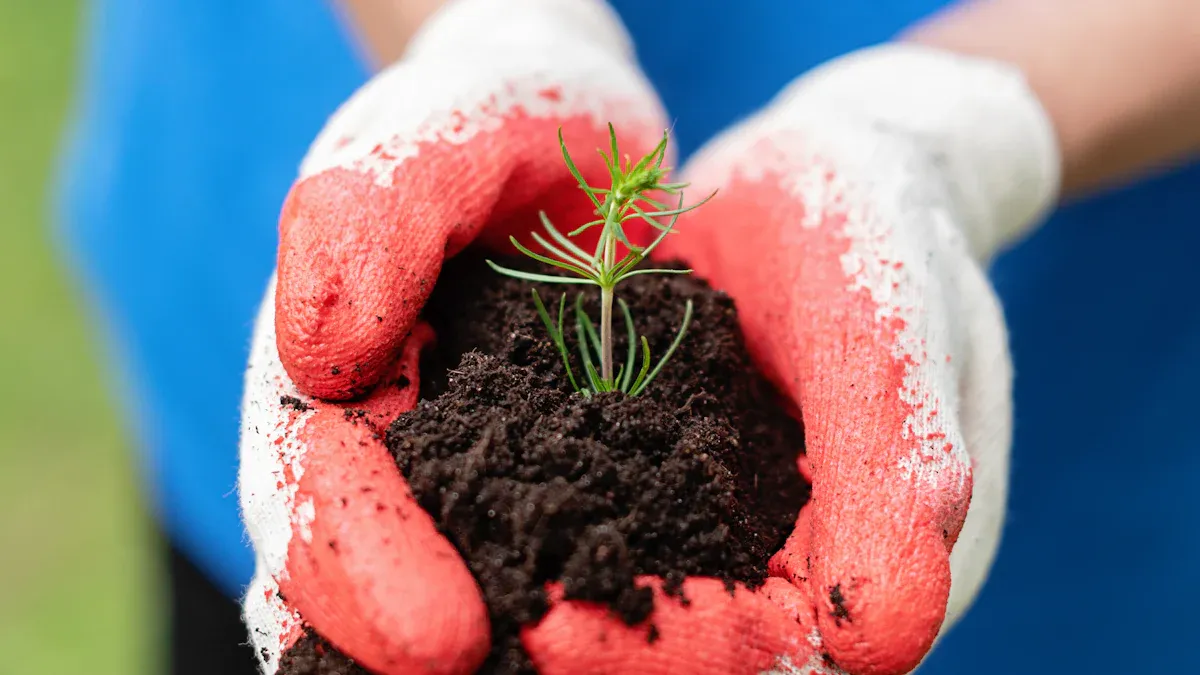
Soil serves as the foundation for successful vegetable gardening. It provides essential nutrients and supports plant growth. Ideal soil for vegetables typically contains a mix of organic matter, good drainage, and balanced pH levels. You might wonder, what are the best soil types for vegetable gardens? Understanding these elements will help you create a thriving environment for your plants.
Key Takeaways
Loamy soil is the best choice for vegetable gardens. It combines sand, silt, and clay for excellent drainage and nutrient retention.
Regular soil testing every 3 to 5 years helps maintain soil health. Testing reveals nutrient levels and pH balance for optimal plant growth.
Adding organic matter, like compost, improves soil structure and fertility. This practice enhances moisture retention and supports beneficial microbes.
Crop rotation prevents nutrient depletion and improves soil fertility. Changing the types of vegetables planted each season boosts soil health.
Healthy soil reduces erosion and improves water retention. Investing in soil health leads to better crop yields and a thriving garden.
Best Soil for Vegetable Gardens: Ideal Characteristics
Nutrient Content
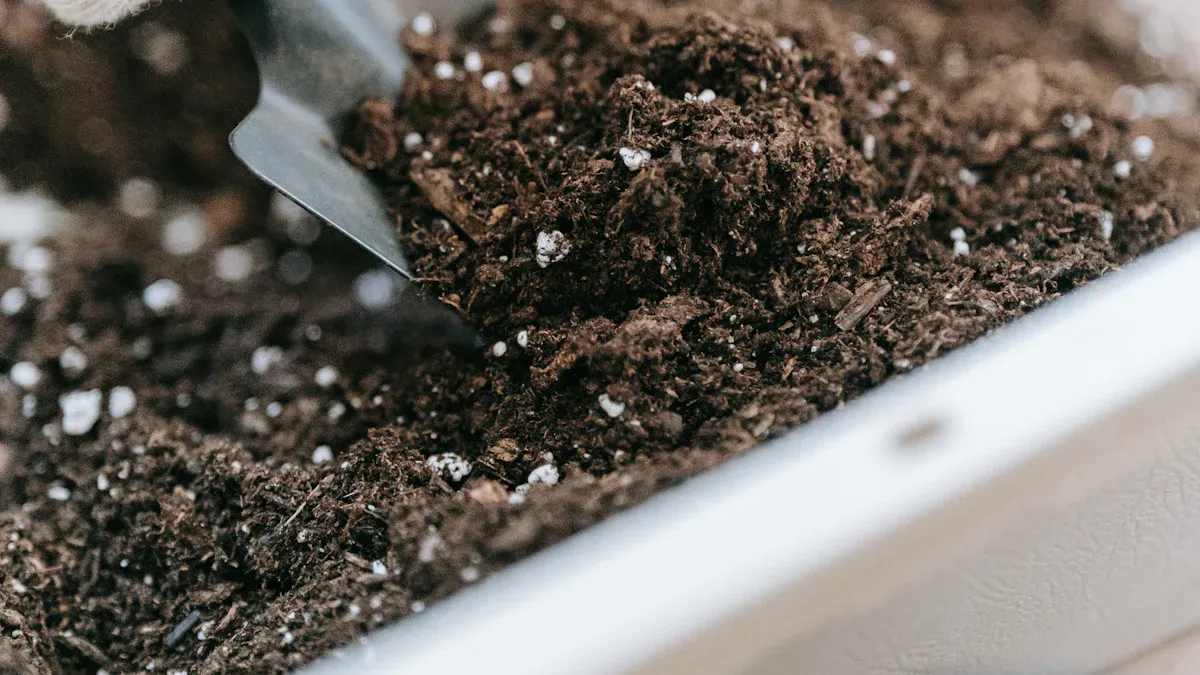
Nutrient content plays a crucial role in the health of your vegetable garden. For optimal growth, your soil must contain essential nutrients. These nutrients can be divided into two categories: macronutrients and micronutrients.
Macronutrients:
Nitrogen (N)
Phosphorus (P)
Potassium (K)
Calcium (Ca)
Magnesium (Mg)
Sulfur (S)
Micronutrients:
Boron (B)
Chlorine (Cl)
Copper (Cu)
Iron (Fe)
Manganese (Mn)
Loamy soil is often considered the best soil for vegetable gardens due to its rich nutrient profile. This soil type combines clay, silt, and sand, making it nutrient-dense and ideal for plant growth. It retains moisture effectively while also providing excellent drainage, which is crucial for healthy vegetable gardening.
Drainage and Aeration
Good drainage and aeration are vital for your vegetable plants. Poor drainage can lead to waterlogged soil, which deprives roots of oxygen. This condition can cause root rot and other diseases, ultimately affecting your crop yield. You want to ensure that excess water can escape while still retaining enough moisture for your plants.
Loamy soil excels in this area as well. Its balanced texture allows for both drainage and moisture retention. This balance supports a wide variety of plants, including vegetables. In contrast, sandy soil struggles with nutrient retention, while clay soil can create drainage issues.
pH Levels
Soil pH significantly impacts nutrient availability for your vegetables. The optimal pH range for most vegetable crops is between 5.5 and 7.0. This range promotes the availability of essential nutrients necessary for their growth.
pH Level | Nitrogen Availability | Phosphorus Availability | Potassium Availability |
|---|---|---|---|
5.0 | 40% | 35% | 50% |
5.5 | 70% | 45% | 70% |
6.5 | 100% | 100% | 100% |
If your soil’s pH falls below 6.0, it can reduce the availability of phosphorus, nitrogen, and potassium. Acidic soils may also release toxic elements like aluminum and manganese. Conversely, high pH levels (above 7.5) can make micronutrients like iron and zinc unavailable.
To choose the right soil for your vegetable garden, consider these ideal characteristics. Healthy soil leads to thriving plants and a bountiful harvest.
Best Soil Types: Soil Type Comparisons
Garden Soil
Garden soil is a popular choice among vegetable gardeners. It is nutrient-rich, providing essential vitamins and minerals for plant growth. This type of soil is also permeable, allowing water and air to reach plant roots. These characteristics prevent rot and stunted growth, making garden soil a reliable option for your vegetable garden.
However, the quality of garden soil can vary. Some garden soils may not retain nutrients as effectively as loamy soil. Here’s a quick comparison of loamy soil and garden soil:
Property | Loamy Soil | Garden Soil (General) |
|---|---|---|
Nutrient Retention | High | Varies (depends on type) |
Moisture Management | Excellent | Varies (depends on type) |
Versatility | Suitable for many crops | Limited (depends on specific soil type) |
Drainage | Good | Varies (depends on type) |
Loamy soil is often regarded as the best soil for vegetable gardens due to its balanced mix of sand, silt, and clay. This combination supports healthy root growth and ensures that nutrients are available for plant uptake.
Native Soil
Native soil refers to the soil that naturally occurs in your area. Its composition can vary significantly based on your region. For example, some areas may have sandy soil, while others may have clay-rich soil. Understanding soil types in your region is crucial for successful vegetable gardening.
The performance of native soil can impact vegetable growth. Studies show that planting different vegetables can alter soil parameters. For instance, growing cabbage can lead to higher concentrations of organic matter and nitrogen compared to growing cucumbers. This indicates that the type of vegetable you grow can directly affect soil health and fertility.
Topsoil
Topsoil is the uppermost layer of soil and is essential for creating a nutrient-rich base for plants. It typically contains at least 2% organic matter, which improves water and nutrient retention. When mixed with compost, topsoil enhances root spread and drainage, making it beneficial for vegetable growth.
However, topsoil can become compacted, which may hinder root development. In contrast, loamy soil often offers better aeration and drainage. Here are some key points about topsoil:
Topsoil supports root development by providing essential nutrients.
It improves drainage in heavy clay areas, allowing roots to access water and nutrients more effectively.
It is often used to create new planting areas, ensuring that roots have adequate space and nutrients.
Potting Soil
Potting soil is specifically formulated for container gardening. It retains moisture while ensuring excellent drainage, which is essential for growing vegetables in pots. The best potting soil for vegetables often includes a mix of ingredients such as compost, peat moss, and perlite. Here are the main components of potting soil blends designed for vegetables:
Bagged potting soil serves as a good base.
Compost adds nutrients and can be homemade.
Composted chicken manure enhances fertility but must be composted before use.
Peat moss retains moisture and adds nutrients.
Worm castings provide a natural nutrient source.
Perlite improves drainage and lightens the soil.
Potting soil generally retains moisture better than garden soil, making it ideal for container gardening. In contrast, garden soil’s water retention can vary widely based on its composition.
Best Soil for Starting Vegetables: Essential Components

Organic Matter
Organic matter is vital for your vegetable garden. It enhances soil fertility and supports healthy plant growth. You should aim for organic matter levels between 5% and 10% for optimal results. Here are some benefits of organic matter:
Benefit of Organic Matter | Description |
|---|---|
Enhances Soil Structure | Organic matter improves the physical structure of the soil, allowing for better air and water movement. |
Increases Nutrient Availability | It helps in the release of nutrients into the soil, making them more accessible to plants. |
Supports Soil Health | Organic matter contributes to the overall health of the soil ecosystem, promoting beneficial microbial activity. |
Adding organic matter can be done through compost, manure, or other organic materials. Regularly incorporating these elements can lead to significant improvements in crop yields. Research shows that increasing organic matter can boost yields by about 12% for every 1% increase in organic content.
Soil Amendments
Soil amendments play a crucial role in correcting nutrient deficiencies in your vegetable garden. They enhance soil structure and fertility, which leads to healthier plants. Some effective amendments include:
Potassium
Magnesium
Sulfur
You can also consider using compost, leaf mold, worm castings, and biochar. These amendments improve aeration and water retention, which are vital for plant health. For instance, compost not only enriches the soil but also supports beneficial microorganisms.
Texture and Structure
Soil texture and structure significantly influence water retention and drainage. Different soil types behave differently:
Soil Type | Water Retention Characteristics | Drainage Characteristics |
|---|---|---|
Sand | Low water holding capacity; dries out quickly | Drains quickly; high infiltration rate |
Silt | Moderate water holding capacity; retains moisture longer than sand | Moderate drainage; better than clay |
Clay | High water holding capacity; retains water tightly | Poor drainage; can lead to waterlogging |
Healthy soil consists of mineral particles and organic matter. The right balance creates conditions that support air space and root development. For example, adding compost to sandy soils enhances water retention, while it improves drainage in clay soils. This balance is essential for growing the best soil for starting vegetables.
Maintaining Soil Health for Vegetable Gardens
Regular Testing
Regular soil testing is essential for maintaining healthy soil in your vegetable garden. Testing helps you understand the nutrient levels and pH balance of your soil. Most experts recommend testing your soil every 3 to 5 years, depending on the soil type:
Clay-heavy soils: Test every 3 to 4 years due to slower nutrient drainage.
Sandy soils: Test every 2 to 3 years since they drain faster.
Gardens facing issues: Consider annual testing until stability is achieved.
Key parameters to test include:
Soil pH
Nitrogen (N)
Phosphorus (P)
Potassium (K)
Micronutrients
Soil organic matter
Crop Rotation
Crop rotation is a powerful practice for enhancing soil health. By changing the types of vegetables you plant each season, you can prevent nutrient depletion and improve soil fertility. Here are some benefits of crop rotation:
Boosts Soil Fertility: Heavy feeders like corn deplete nutrients, while light feeders and legumes replenish them.
Enhances Pest Control: Rotating crops disrupts pest life cycles, reducing their prevalence.
Improves Soil Structure: Different root systems aerate the soil and prevent compaction.
To reduce the risk of soil-borne diseases, follow these tips:
Switch plant families each season.
Use a 3-year rotation rule before replanting the same family.
Plant cover crops like mustard to suppress pathogens.
Organic Practices
Incorporating organic practices is vital for maintaining soil fertility. Here are some effective methods:
Add Organic Matter: This improves soil structure and prevents compaction.
Use Compost: Compost enhances moisture retention and increases beneficial microbes.
Plant Cover Crops: These add organic matter and provide habitat for beneficial insects.
Using these organic practices will help you maintain healthy soil, leading to better vegetable growth and higher yields.
Healthy soil is essential for successful vegetable gardening. You learned about the ideal characteristics of soil, including nutrient content, drainage, and pH levels. You also explored various soil types and their suitability for growing vegetables.
Applying this knowledge can lead to numerous benefits, such as:
Erosion Reduction: Healthy soil reduces erosion, leading to better land retention and productivity.
Nutrient Retention: Improved soil health minimizes nutrient losses, enhancing crop yield and quality.
Water Retention: Healthy soil improves water productivity, making crops more resilient to extreme weather.
Investing in soil health pays off in the long run. You can enjoy a thriving vegetable garden and a bountiful harvest.
FAQ
What is the best soil type for growing vegetables?
Loamy soil is the best choice for growing vegetables. It combines sand, silt, and clay, providing excellent drainage, nutrient retention, and moisture balance.
How often should I test my garden soil?
You should test your garden soil every 3 to 5 years. If you have sandy soil, test every 2 to 3 years. Regular testing helps maintain soil health.
Can I use native soil for my vegetable garden?
Yes, you can use native soil. However, improve it with organic matter and amendments to enhance its nutrient content and drainage for better vegetable growth.
What are soil amendments, and why are they important?
Soil amendments are materials added to improve soil quality. They enhance nutrient availability, structure, and moisture retention, leading to healthier plants and better yields.
How can I improve soil drainage in my garden?
To improve soil drainage, mix in organic matter like compost or peat moss. You can also add sand to sandy loam soils for better aeration and drainage.