

Growing in containers means your plants can’t reach beyond the pot, so the medium has to do all the heavy lifting. The right soilless mix holds moisture long enough for roots to drink, drains fast enough to prevent rot, and stays light enough for a healthy root system to push through. Whether you’re restarting a fiddle leaf fig or seeding a windowsill herb garden, the ten mixes below cover most of what container gardeners actually need.
A Side-By-Side Look

FoxFarm Ocean Forest Potting Soil, 1.5 cu ft

Hoffman Canadian Sphagnum Peat Moss, 18 Quart

Hoffman Cactus and Succulent Soil Mix, 10 Quarts

FoxFarm Happy Frog Potting Soil, 2 cu ft

FoxFarm Ocean Forest Potting Soil, 2 x 12 Quart

Horticultural Lava Rock Pebbles Pumice Amendment

Miracle-Gro Potting Mix, 8 qt. (2-Pack)
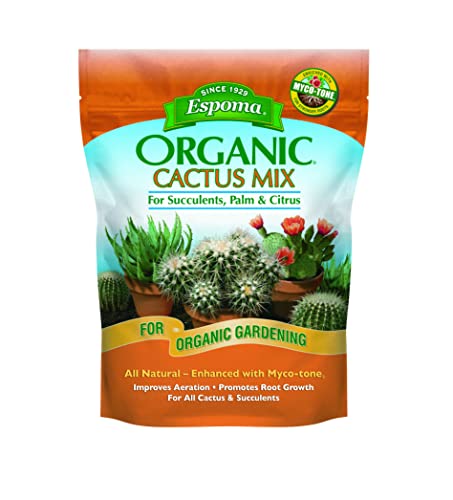
Espoma Organic Cactus Potting Soil Mix, 4 qt

Coast of Maine Bar Harbor Blend, 16 qt

SunGro All Purpose Potting Soil with Control, 16 Quart
A Closer Look At Each Pick
FoxFarm Ocean Forest has earned its place at the top of the list because it works the first time you open the bag. The texture is light and airy, so roots slide through without struggling, and the blend arrives already pH-adjusted for most container plants. For anyone repotting a houseplant or starting a patio tomato, this mix removes the guesswork that usually comes with bagged soil.
It pulls double duty for both new transplants and mature containers. The organic inclusions feed steadily for the first few weeks, which gives seedlings a strong start without forcing you to measure fertilizer right away.
Useful Touches
- Ready to use straight from the bag, no mixing required.
- Light, aerated texture supports healthy root development.
- Organic inclusions like earthworm castings feed plants early on.
- Suitable for seedlings, established houseplants, and patio vegetables alike.
- Large 1.5 cu ft volume suits multi-pot refreshes.
Things To Consider
- Heavier bags can be tough to carry up stairwells without help.
- Strong organic smell when first opened, which fades within a day or two.
Feature Snapshot
Right Fit For
Anyone managing a mixed collection of indoor and outdoor containers who wants one reliable bag to reach for.
Look Elsewhere When
If you’re growing only dry-climate succulents, Hoffman Cactus and Succulent Soil Mix will drain faster in a small pot.
Sphagnum peat moss is the backbone of most soilless mixes, and Hoffman’s New Brunswick-grade bag gives you a clean, consistent base to build your own. Think of it as flour for someone baking their own bread: not a finished product, but the foundation that makes everything else work. If you’ve been frustrated by mixes that compact or dry out too fast, this is the ingredient to add.
For hobbyists who tweak ratios for different plants, this bag opens up real flexibility. You can blend it with perlite (a heated volcanic glass that holds air pockets) for a standard houseplant mix, or push the ratio toward chunkier amendments for orchids and bonsai.
Everyday Advantages
- Increases water and nutrient retention in any mix.
- Premium-grade coarse texture resists breaking down quickly.
- Compatible with perlite, vermiculite, and pumice for custom blends.
Honest Caveats
- Dry peat sheds water initially, so pre-moisten before potting.
- Acidic on its own, which means lime may be needed for some plants.
- Bag is heavy and dusty when first opened.
Who It Suits Best
DIY gardeners who want control over drainage and pH in their custom mixes.
Where Another Pick Suits Better
If you’d rather skip the blending step, FoxFarm Ocean Forest Potting Soil arrives ready to pour.
Hoffman’s cactus blend was formulated with one job in mind: moving water through the root zone before rot can take hold. The mix is loose and gritty, which keeps the medium from clinging to roots after a drink. For succulent keepers who have lost a plant or two to overwatering, that fast drainage is the whole point.
Compared to general-purpose blends, this one skips the moisture-retaining ingredients that succulents dislike. It’s also useful for bonsai, where root breathability shapes the long-term health of the tree.
Advantages To Know
- Loosens heavy native soils when used as an amendment.
- Reduces caking in pots that sit in saucers of water.
- Improves drainage and aeration in tight containers.
- Compatible with a wide range of dry-climate houseplants.
Worth Noting
- Drains so quickly that thirsty tropicals may need more frequent watering.
- Smaller 10-quart bag fills only a few mid-size pots.
Quick Facts
Best Suited To
Succulent and cactus owners dealing with humidity or heavier native soils that stay wet too long.
Skip It When
For moisture-loving tropicals, the Espoma Organic Cactus Potting Soil Mix offers a more balanced moisture profile for mixed indoor collections.
Happy Frog is FoxFarm’s softer, more forgiving sibling to Ocean Forest, and it shows up often in beginner recommendations for good reason. The texture stays loose without drying out too quickly, which gives new plant parents a margin for error on watering. Earthworm castings and aged forest products feed roots steadily without the burn risk of stronger synthetic fertilizers.
The 2 cu ft size makes sense for anyone refreshing a larger container or potting up several medium houseplants at once. If you’ve been working through small bags and running out mid-project, the volume here solves that.
Points In Its Favor
- Earthworm castings support steady, gentle feeding.
- Loose texture reduces compaction over time.
- No cheap fillers or sludge, just premium inputs.
- Works across vegetables, herbs, and ornamental houseplants.
Small Caveats
- Larger bag is bulky and may need to be stored in a dry corner.
- Feeding effect is mild, so fast growers may want supplemental fertilizer later.
Whose Shelf It Belongs On
New growers and casual houseplant enthusiasts who want a forgiving mix that holds up between waterings.
Swap It Out When
For a richer nutrient punch out of the bag, FoxFarm Ocean Forest Potting Soil is the stronger pick.
This is the same trusted Ocean Forest formula in a smaller, more apartment-friendly package. Two 12-quart bags are easier to haul up a flight of stairs and store on a balcony shelf, which matters when you don’t have a garage for soil bags. The 1.5 cu ft version earlier in the list covers more pots, but this one keeps waste down if you only have a handful of plants.
Fish meal, crab meal, and earthworm castings all show up in the ingredient list, giving the mix a richer nutrient profile than most off-the-shelf options. For seedlings and young transplants, that early feeding is the difference between steady growth and a stalled start.
Practical Pluses
- Two-bag format is easier to store and handle.
- Aged forest products and sandy loam improve aeration.
- Sphagnum peat moss adds moisture balance for seedlings.
- Strong nutrient profile supports vigorous early growth.
Possible Compromises
- Cost per quart runs higher than the bulk 1.5 cu ft version.
- Resealing opened bags cleanly can be tricky without a clip.
Feature Snapshot
Right Fit For
Urban gardeners with limited storage who want the Ocean Forest formula in a more manageable size.
Consider Something Else When
If you repot often or run a larger patio setup, the larger FoxFarm Ocean Forest Potting Soil at 1.5 cu ft stretches further per bag.
This isn’t a complete mix on its own, but it’s the missing piece for anyone serious about gritty, fast-draining blends. The porous lava rock holds small amounts of moisture while letting excess water escape, which is exactly what orchids, succulents, and bonsai need. Pumice works alongside it for a similar effect, keeping the medium from compacting around delicate roots.
It’s also worth keeping around for top dressing, where it covers bare soil and discourages fungus gnats. For terrariums or fairy gardens, the decorative pebbles double as a finishing touch that holds up to misting.
Where It Excels
- Porous structure balances drainage and moisture retention.
- Pre-washed with no artificial fillers or dye.
- Useful as a mix-in, top dressing, or vase filler.
- Long-lasting, doesn’t break down quickly like organic matter.
Less Ideal Details
- Heavy to ship and may include some dust at the bottom of the bag.
- Not a standalone medium, must be combined with other ingredients.
Perfect Match For
Experienced growers crafting custom gritty mixes for succulents, orchids, or bonsai.
Another Choice May Suit
Beginners who want a ready-to-pour medium should reach for Hoffman Cactus and Succulent Soil Mix instead.
Miracle-Gro’s potting mix is the kind of bag you can grab without overthinking, which matters on busy spring weekends when you’d rather plant than research. The formula feeds plants for up to six months, so a freshly potted tomato or petunia keeps growing without you remembering to fertilize on schedule. For annual flowers and quick-turn vegetables, that built-in feeding is the whole appeal.
The two-pack format makes sense for anyone tackling a full patio refresh in one afternoon. As an outdoor-focused mix, it works best in larger containers where moisture doesn’t evaporate too quickly.
A Strong Showing
- Feeds plants for up to six months after potting.
- Suited to flowers, vegetables, herbs, and shrubs.
- Easy-to-follow fill-and-plant method.
- Two-pack covers several medium containers.
Points To Keep In Mind
- Not ideal for small succulents that prefer fast-draining grit.
- Holds moisture longer, so overwatering is a real risk indoors.
Made For
Patio gardeners growing annual flowers, herbs, and vegetables in mid-to-large containers.
Not Your Match When
For indoor succulents or citrus, Espoma Organic Cactus Potting Soil Mix is dialed in for drier conditions.
Espoma’s cactus mix is built around organic inputs and a blend designed for plants that hate wet feet. It handles cacti and succulents as you’d expect, but the real draw is its reach into palms and citrus, which often need more nutrients than a typical cactus blend provides. For indoor gardeners mixing collections, that flexibility saves you from buying multiple bags.
The 4-quart bag is sized for a small windowsill collection rather than a whole patio of jade plants. You’ll likely go through it quickly if you’re repotting large specimens, but for everyday maintenance it lasts.
The Good Stuff
- Organic formulation appeals to chemical-free gardeners.
- Suitable for cacti, succulents, palms, and citrus.
- Balanced drainage without going full grit.
- Trusted brand with a long track record in organic amendments.
Worth Bearing In Mind
- Smaller bag means frequent repotters will need backups.
- Organic smell is mild but present on opening.
Right Fit For
Indoor gardeners tending mixed collections of succulents, palms, and citrus who want organic ingredients.
A Better Fit Elsewhere
If your collection is heavy on dry-climate succulents and you want sharper drainage, Hoffman Cactus and Succulent Soil Mix leans grittier.
Coast of Maine’s Bar Harbor Blend reads like a coastal recipe: sphagnum peat, compost, perlite, plus lobster and crab shell meal and kelp meal. The shellfish ingredients break down slowly, feeding plants across a full growing season instead of forcing a quick flush. For edible herbs and vegetables in containers, that sustained feeding usually pays off in longer harvests.
The 0.53 cu ft volume is modest, but the bag goes further than you might expect when filling standard pots. Indoor herb gardens and patio tomato planters are where this blend really earns its keep.
What Works In Its Favor
- Organic and natural ingredient list.
- Shellfish and kelp meals feed plants over time.
- Supports root development from seedling stage onward.
- Versatile across houseplants, vegetables, and herbs.
Trade-Offs To Consider
- Coastal ingredients may carry a noticeable odor at first.
- Premium positioning means a higher cost per quart than basic mixes.
Built With In Mind
Organic-focused gardeners growing herbs, vegetables, and houseplants in containers who want steady feeding.
Reach For A Different Pick When
If you’re after a sharper dry-climate blend for succulents, Espoma Organic Cactus Potting Soil Mix is the closer match.
SunGro’s Black Gold All Purpose with Control adds a controlled-release fertilizer into the bag, so the mix feeds plants gradually without spikes. For outdoor containers that you don’t want to fuss with weekly, that built-in feeding simplifies the season. The base ingredients (Canadian sphagnum peat, worm castings, forest humus, and pumice) match up with what you’d build yourself.
Hanging baskets and patio planters are the most natural fit, since both tend to dry out and need steady nutrition. Indoor houseplants also do fine, as long as you don’t double up with extra fertilizer too early.
Key Advantages
- Slow-release fertilizer feeds plants over a long window.
- Canadian sphagnum peat moss holds moisture reliably.
- Pumice improves aeration without floating to the top.
- Works for houseplants, baskets, and outdoor containers.
Less-Strong Areas
- Pre-charged nutrients mean you shouldn’t add strong fertilizer early on.
- Not specialized enough for true cacti or orchids out of the bag.
Quick Facts
Who Should Grab It
Container gardeners who want steady feeding without tracking a fertilizing schedule.
Where A Sibling Pick Shines
For organic-focused growing, Coast of Maine Bar Harbor Blend skips synthetic controlled-release in favor of natural meals.
Matching Soilless Mixes To Your Growing Style
A soilless mix is more than a bag of fluff: it’s the environment your roots live in for the entire season. The right one keeps moisture accessible without suffocating roots, drains quickly enough to prevent rot, and holds enough air for healthy growth.
Drainage Comes First
Most container problems trace back to drainage. Heavier or compacted mixes hold water too long, and roots suffocate in days. For plants that prefer drier conditions, succulents and most herbs, lean toward blends with perlite, pumice, or lava rock for faster flow. For moisture-loving tropicals, a peat-based mix strikes the right balance between retention and breathability.
Match The Mix To The Plant
The same shelf at the garden center holds wildly different needs. Cacti and orchids thrive in loose, gritty mediums, while vegetables and leafy tropicals want richer organic inputs. Treating all your pots the same way is one of the most common beginner mistakes. A simple habit: keep at least two bags on hand, one all-purpose and one specialty, and you’ll rarely be caught off guard.
Bag Size And Storage Matter
Bags stack up faster than you’d think, especially in apartments without a garage. A 1.5 cu ft bag (about 42 liters) fills roughly four to six medium pots. Storage tip: open bags seal better when you roll the top tightly and secure with a clip, since moisture creeping in can breed fungus gnats over time.
Know When To Refresh
Most soilless mixes break down over a year or two, losing the airy structure roots depend on. If water runs straight through without absorbing, or the medium smells sour, it’s past its prime. Repotting annually for fast growers and every two years for slower plants keeps root systems healthy.
Where Shoppers Slip Up
Buying A Generic Mix For Everything
The biggest mistake is treating all containers as interchangeable. Cacti planted in rich, moisture-retentive mixes rot fast, and herbs grown in pure grit dry out within hours. Match the mix to the plant, not the other way around.
Paying More For Features You’ll Never Use
Slow-release fertilizer, organic meals, and pumice additions all sound appealing, but they’re wasted if you’re growing a single pothos on a windowsill. For small collections, a versatile all-purpose blend usually covers everything without the extra cost per quart.
Ignoring The Importance Of Drainage Holes
Even the best mix fails in a pot without drainage. If your decorative container has no holes, consider keeping the plant in a nursery pot inside it, so excess water has somewhere to go.
Skipping Pre-Moistening For Dry Mixes
Peat-heavy blends often shed water when fully dry, sending moisture right around the root ball instead of absorbing. Wetting the mix in a separate tub before potting solves this and gives roots a better start.
Frequently Asked Questions
What makes a potting mix “soilless”?
A soilless mix uses no actual garden soil. Instead, it blends organic matter like peat or compost with inorganic drainage materials such as perlite, vermiculite, or pumice. This combination reduces compaction and the risk of soil-borne disease, which matters most in container gardening.
Can I use outdoor garden soil in pots instead?
Garden soil compacts in containers, limits airflow, and often carries pests or pathogens. Soilless mixes are engineered for the limited root zone of a pot, which is why they outperform native soil even when the native soil is high quality.
How often should I replace the mix in my containers?
Most mixes need refreshing every one to two years, since organic components break down over time. Faster-growing plants benefit from annual repotting, while mature specimens can stretch the interval a bit longer.
Do cacti and succulents really need a different mix?
Yes. These plants evolved in fast-draining conditions and rot quickly when held in moisture-retentive blends. A gritty, low-organic mix protects them from the overwatering that’s otherwise easy to do indoors.
Is organic always better than synthetic?
Not necessarily. Organic inputs feed slowly and improve soil biology, while controlled-release synthetics offer predictable feeding. The honest read is that both work, and the choice usually comes down to your preference and the plant’s needs.
Closing Remarks
The best mix is the one that fits the plants you actually grow and the conditions you keep them in. Start with your plant’s water needs, then choose a bag that matches, and refresh containers yearly so roots stay healthy. Once those basics click, the rest of container gardening gets noticeably easier.
