

Your garden bed is only as good as the soil you put in it. Whether you’re filling a new raised bed, refreshing tired ground, or starting seedlings on the kitchen counter, the right growing medium makes the difference between sad, leggy plants and a genuinely productive harvest. This roundup covers potting mixes, soil amendments, conditioners, and a sifter that all play a real role in building healthy garden soil. Each pick solves a specific problem, from water retention to drainage to slow-release nutrition, so you can match the product to the job your bed actually needs.
A Side-By-Side Look

MODELLOR Coco Coir Bricks, 4-Pack (5 lb)

FarmTek Horticultural Vermiculite, 4 Cubic Feet

Earth Science Earthworm Castings, 3 lb

FoxFarm Ocean Forest Potting Soil, 1.5 cu ft
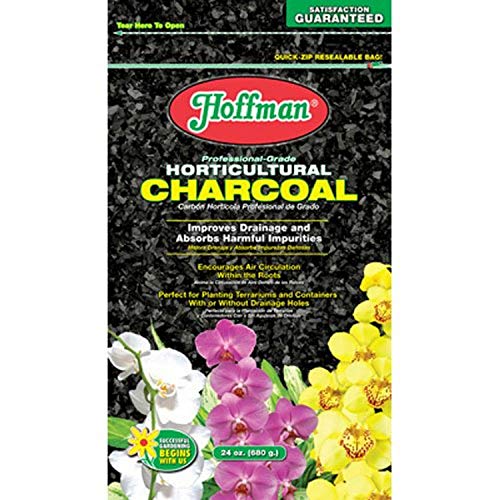
Hoffman Charcoal Soil Conditioner, 24 oz

Nonley 3-Piece Galvanized Soil Sifter Set

Wonder Soil 30-Quart Coco Coir 3-Pack
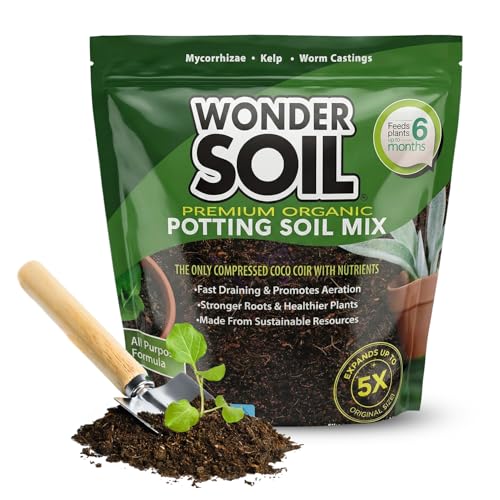
Wonder Soil Organic Potting Soil, 12 Quarts

Wonder Soil 72-Quart Coco Coir Block, 10 lb
PVP Industries Coarse Vermiculite
Inside Each Recommended Option
Coir is the fibrous husk of coconuts, processed into a dry brick that fluffs up dramatically when you add water. The MODELLOR 4-pack lands in that sweet spot for home gardeners who want to start seeds or refresh a few containers without committing to a giant bale. You get four compact bricks totaling 5 lb, and the package claims a yield of up to 9 gallons once hydrated.
What separates this coir from bargain imports is the washing process. Triple-washed, low-EC material means fewer soluble salts that can burn seedlings and stunt young roots. The pH-balanced profile sits in a comfortable range for most vegetables and herbs, so you can plant directly without a buffering step. For most home setups, that convenience matters more than chasing the absolute cheapest brick on the shelf.
A Few Highlights
- Triple-washed and low-EC, so young roots aren’t fighting salt stress right out of the gate.
- pH-balanced profile skips the rinse-and-test routine most coir requires.
- 4-pack format yields up to 9 gallons, enough for a full seed-starting tray run and a couple of small pots.
- Bricks store flat on a shelf, taking up almost no space until you hydrate them.
Things To Consider
- Coir on its own has minimal nutrient content, so you’ll want to mix in a fertilizer or blend with compost for long-term plantings.
- Hydration takes a few minutes and a large bucket; dry bricks can be stubborn to break apart without warm water.
Who Should Grab It
First-time seed starters and apartment growers with a few small containers who want clean, ready-to-use coir without the salt-balancing dance.
Consider Something Else When
If you’re filling a 4×8 raised bed from scratch, skip ahead to the FarmTek vermiculite or Wonder Soil 72-quart block for the volume you’ll actually need.
Vermiculite is a naturally occurring mineral that expands into lightweight, spongy flakes when heated. The FarmTek bag delivers 4 cubic feet of it, which is a serious volume aimed at people building or topping off large raised beds. Vermiculite doesn’t replace soil on its own; instead, it loosens dense mixes, holds water like a reservoir, and slowly shares that moisture with roots.
Compared to the MODELLOR coir above, this is a structural additive rather than a finished growing medium. You typically blend it at 10 to 30 percent by volume into your existing soil or potting mix to improve aeration and reduce compaction. The inorganic, sterile nature also makes it useful for seed-starting blends where fungal issues can wipe out a tray overnight.
Strengths Worth Knowing
- 4-cubic-foot volume suits large raised beds and community garden plots without frequent reordering.
- Mineral-based and sterile, so it won’t introduce weeds, pathogens, or pH drift into your mix.
- Holds several times its weight in water, stretching the gap between watering sessions.
- pH-neutral behavior means it won’t fight the soil chemistry you’ve built for acid-loving or alkaline-tolerant plants.
Worth Noting
- Bulk size means a heavy, awkward bag; have a wheelbarrow or helper ready when it arrives.
- Dry vermiculite produces fine dust during pouring, so wearing a mask while mixing is widely recommended.
Key Specs
Made For
Home growers filling or refreshing large raised beds who need a generous volume of a moisture-retentive, sterile additive to blend into existing soil.
Where Another Pick Suits Better
If you’re working with a few small patio containers, the Wonder Soil 12-quart brick is a friendlier size than wrestling with a 4-cubic-foot bag.
Earthworm castings are essentially worm-processed organic matter: what comes out the other end of an earthworm is one of the richest, most biologically active soil amendments you can buy. Earth Science packages 3 lb in a manageable bag aimed at vegetable gardeners and indoor plant owners who want to feed their soil without synthetic fertilizer spikes.
Unlike the FarmTek vermiculite, which mostly changes soil structure, castings feed the living layer of microbes that makes nutrients available to roots. You typically top-dress or mix a thin layer into potting soil, and the slow-release behavior means you’re not chasing nutrient levels every week. For a first garden bed, this is one of the most forgiving amendments to start with.
The Good Stuff
- Adds organic matter that improves moisture retention without the sogginess of pure peat.
- Feeds soil microbes, which in turn unlock nutrients for plant roots over time.
- Won’t burn seedlings the way strong synthetic fertilizers can if you over-apply.
- 3 lb size is manageable for apartment storage and indoor plant routines.
Points To Note
- A 3 lb bag covers a small bed or a season of houseplants, but larger vegetable plots will burn through it quickly.
- The earthy smell is mild but noticeable; indoor users commonly report keeping the bag sealed between uses.
Right Fit For
Beginner vegetable gardeners and indoor plant owners who want a gentle, organic nutrient boost without measuring out synthetic feeds.
Skip It When
You need to fill a brand-new raised bed from scratch; the FoxFarm Ocean Forest bag gives you a complete mix in one shot.
FoxFarm Ocean Forest is one of those names that comes up in nearly every container-gardening conversation, and the 1.5 cu ft bag is its workhorse size. This is a finished potting soil rather than an additive, meaning you can pull it out of the bag and plant directly. The light, aerated texture is the giveaway: it’s been blended for container life, where drainage and root breathing matter more than field-soil density.
Where the earlier picks on this list play a supporting role, Ocean Forest is meant to be the main course. It comes loaded with earthworm castings, fish meal, crab meal, and other organic amendments that feed plants through the first several weeks of growth. Compared to the Wonder Soil bricks later in this list, you trade the compressed-storage convenience for an immediately ready-to-use texture.
Well-Handled Touches
- Ready to use straight from the bag, no hydration or mixing required for container planting.
- Light, aerated texture promotes strong root development in pots where compaction is the usual killer.
- Built-in organic nutrition supports several weeks of growth without supplemental feeding.
- 1.5 cu ft fills a generous run of medium-sized pots or one large patio planter.
Minor Gripes
- Heavier and bulkier than compressed coir, so storage in a small apartment closet can be awkward.
- Some growers report a strong organic smell at first pour that fades within a day.
Best Suited To
Container gardeners running multiple patio pots who want a premium, ready-to-use mix that holds its texture through a full growing season.
Not Your Match When
You’re filling an entire raised bed frame; the bulk cost adds up, and the PVP Industries vermiculite is a smarter additive for that scale.
Horticultural charcoal is a porous, carbon-rich material that pulls double duty in container mixes: it improves drainage and absorbs impurities that can build up over time. Hoffman’s 24 oz jar is sized for the small end of the gardening spectrum: terrariums, decorative pots, and houseplants that sit in decorative cachepots without drainage holes. It’s not the product you’d reach for when filling a raised bed.
What makes charcoal different from the vermiculite and coir on this list is its filtering behavior. As water moves through the soil, the charcoal traps odors, salts from tap water, and organic compounds that would otherwise build up in a closed pot. For most decorative indoor setups, that’s the difference between a thriving plant and one that mysteriously yellows after a few months.
Practical Pluses
- Porous structure pulls excess moisture away from roots, reducing water-logging in dense mixes.
- Absorbs impurities and odors, keeping closed-container plants fresher longer.
- Encourages air circulation around roots, especially helpful in pots without drainage holes.
- Compact 24 oz jar tucks easily into a closet or potting bench drawer.
Room For Improvement
- The small package makes it impractical for anything beyond terrariums and a handful of houseplants.
- Charcoal dust during handling is widely reported; pouring slowly over newspaper helps reduce the mess.
Feature Snapshot
Perfect Match For
Indoor plant owners with decorative pots lacking drainage, and terrarium builders who want cleaner substrate over time.
Look Elsewhere When
You’re building a vegetable bed; the Earth Science earthworm castings will do more for an edible garden than a charcoal additive will.
A soil sifter isn’t soil at all, but no serious bed-prep kit is complete without one. The Nonley set ships three galvanized mesh screens sized to fit a standard 5-gallon bucket, with 3mm, 6mm, and 10mm openings. Sifting separates rocks, sticks, and clumps from finished compost or screened topsoil, leaving you with a uniform texture that beds and seedlings love.
Unlike every other item in this roundup, this is a tool rather than a growing medium. Think of it as the partner to the Earth Science castings and the Wonder Soil blocks: you sift your compost before amending beds, screen topsoil before filling containers, and clean up worm bedding without losing the worms. The galvanized finish is the practical detail, since you’ll be rinsing these screens between uses.
A Few Strong Suits
- Three mesh sizes cover everything from fine seed-starting sifting to rough debris removal.
- Fits standard 5-gallon buckets you likely already own, no specialty hardware required.
- Galvanized construction resists rust through repeated wet-soil use and rinsing.
- Stackable design stores compactly in a garage or shed between seasons.
A Few Limitations
- Sifting large volumes is genuinely physical work; expect sore arms after a few bucket loads.
- Fine mesh can clog with wet material; sifting dry or slightly moist soil works much better.
Who It Suits Best
Composters and serious bed-prep gardeners who want to refine their own soil mix rather than buying pre-screened material by the bag.
Reach For A Different Pick When
You just want ready-to-use soil without the prep work; the FoxFarm Ocean Forest bag skips sifting entirely.
Wonder Soil takes the compressed coir concept from the MODELLOR bricks above and pre-loads it with amendments. Each brick in this 3-pack comes with worm castings, mycorrhizae (beneficial root fungi that help plants absorb nutrients), and kelp blended in, so you skip the separate amendment step. Three bricks hydrate to roughly 30 quarts of finished medium, which is the sweet spot for a mid-size raised bed refresh.
For most home gardeners, the value here is the all-in-one formula. Plain coir is essentially inert; you have to feed it. Wonder Soil’s blend shortens the gap between hydration and planting, which matters during the busy spring transplant window when you’re juggling a dozen other tasks. The bricks also store flat, which is a real plus if you’re working out of a garage or small shed.
Noteworthy Benefits
- Comes pre-blended with worm castings, mycorrhizae, and kelp, so you skip buying and measuring separate amendments.
- Compressed brick format saves substantial shelf space compared to bagged potting soil.
- Hydrates quickly with warm water, ready to plant within minutes rather than hours.
- 30-quart yield suits a single 4×4 raised bed refresh or several large container plants.
Softer Spots
- Pre-loaded amendments feed for a limited window; you’ll still want supplemental fertilizer mid-season for heavy feeders.
- Brick dust during opening is common; cutting the wrapper over a large bucket helps contain the mess.
Quick Facts
Whose Shelf It Belongs On
Mid-size raised bed owners who want a one-step, pre-amended coir without buying a giant bale or mixing their own blend.
A Better Fit Elsewhere
If you need over 70 quarts, the Wonder Soil 72-quart block is the same formula at a more practical scale.
The 12-quart Wonder Soil is the smallest end of the brand’s compressed-coir line, and the most useful for tight spaces. A 3 lb bag hydrates to a manageable batch that’s perfect for a windowsill herb garden, a row of balcony pots, or one season’s worth of houseplant repotting. It carries the same pre-loaded amendment blend as the larger bricks above, just at a smaller dose.
This is the format to grab when you don’t have a garden shed to store the 72-quart block in. Apartment dwellers and renters especially benefit, since the bag fits in a kitchen drawer until you’re ready to use it. The peat-free composition also matters for anyone who wants to avoid peat harvesting for environmental reasons.
Benefits That Matter
- Small bag fits under a sink or in a closet, ideal for renters and apartment dwellers.
- Pre-loaded with worm castings, mycorrhizae, kelp, and perlite, so each pot gets a balanced start.
- Peat-free formula avoids the environmental concerns tied to peat harvesting.
- Hydrates to roughly 12 quarts, enough for a full round of small-pot repotting.
Where It May Fall Short
- 12 quarts runs out fast for anyone managing more than a handful of pots.
- The included perlite means you’ll see white specks in the mix; that’s normal aeration, not contamination.
Built With In Mind
Small-space gardeners running a few patio or windowsill containers who want premium, pre-amended coir without committing to a large bag.
Another Choice May Suit
For pure seed-starting without the amendment cost, the MODELLOR 4-pack gives you more volume at a lower entry price.
The 10 lb Wonder Soil block is the largest of the three sizes on this list and hydrates to roughly 72 quarts of finished medium. That’s enough to fill a sizable raised bed or refresh multiple garden projects across a season. You get the same worm castings, mycorrhizae, and kelp blend as the smaller bricks, just in a single dense block that you crack apart and hydrate in stages.
For most large-scale bed builders, this format is more practical than buying a dozen individual bricks. The trade-off is upfront hydration time: you’ll want a wheelbarrow or large plastic tub, and breaking the block apart takes some effort. Once it’s hydrated, the resulting fluff is indistinguishable from the smaller Wonder Soil packs.
What Pays Off
- 72-quart yield handles a full raised bed or multiple smaller projects from one purchase.
- Pre-loaded amendments feed plants for weeks, reducing early-season fertilizer shopping.
- Compressed block stores far more compactly than equivalent bagged soil.
- Same proven blend as the smaller Wonder Soil packs, just in larger format.
Trade-Offs To Consider
- 10 lb block is heavy and dense; you’ll want a helper or cart to move it from the delivery spot.
- Hydration requires a large tub or wheelbarrow and some patience to fully break the block apart.
The Right Fit
Serious raised bed gardeners starting from scratch or refreshing multiple beds who want the lowest cost per quart of pre-amended coir.
Where A Sibling Pick Shines
If you’re only filling containers on a balcony, the Wonder Soil 12-quart bag avoids wrestling with a 10 lb block.
Vermiculite showed up earlier in this roundup in the FarmTek 4-cubic-foot bulk bag. PVP Industries offers a smaller, coarser-grit version aimed at hobby gardeners who just need enough to amend a propagation tray or two. Coarse vermiculite is the grade typically used for seed-starting and cutting propagation, where its larger particle size keeps tender roots from staying waterlogged.
The appeal of PVP’s product is its unfussy, no-frills nature. It’s clean, odorless, non-toxic, and pH-neutral, with no additives to interact with delicate seedlings. For most propagation setups, a small bag of coarse vermiculite mixed with perlite or peat gives you the airy, moisture-balanced medium that cuttings need to root reliably.
The Practical Payoff
- Coarse grade is sized for seed-starting and cutting propagation where fine particles would stay too wet.
- Odorless and sterile, so it won’t introduce fungal issues to vulnerable seedlings.
- pH-neutral behavior keeps it from fighting the chemistry of your other mix components.
- Won’t rot, mold, or break down, so a single bag lasts through many propagation cycles.
Things That May Matter
- Dry dust during pouring is widely reported; a mask and slow pour over a tray help.
- On its own, vermiculite has no nutrients, so you’ll need to feed seedlings once they establish.
At A Glance
Who Will Love This
Home propagators and seed-starters who need a clean, coarse-textured additive for rooting cuttings and starting small seedlings.
Swap It Out When
You need bulk volume for a raised bed; the FarmTek vermiculite is sized for that scale.
Choosing The Right Mix For Your Garden Bed
Soil isn’t one-size-fits-all. The right blend depends on what you’re growing, where you’re growing it, and how much hands-on feeding you want to do.
Container gardening versus in-ground beds. Containers dry out fast and have limited root room, so light, aerated mixes like FoxFarm Ocean Forest or pre-amended Wonder Soil work best. In-ground beds benefit more from bulk amendments like FarmTek vermiculite or Earth Science worm castings blended into your existing soil.
Drainage and water retention. Raised beds can swing between soggy after rain and bone-dry by midsummer. Vermiculite holds water like a sponge, perlite and coarse sand improve drainage, and coco coir sits comfortably in the middle. Mixing two or three of these gives you a buffer against both extremes.
Nutrient strategy. Soilless mixes like coir and vermiculite are nearly inert, which is great for seedlings but punishing for hungry vegetables. Pre-amended options like Wonder Soil or supplemental feeds like earthworm castings bridge that gap. Heavy feeders like tomatoes and squash still want mid-season fertilizer regardless of what you start with.
Storage and handling. Compressed coir bricks save enormous shelf space but require hydration time and a large tub. Bagged potting soils are ready to use but take up more storage room. Match the format to your space and how often you repot.
Key Considerations Across These Picks
Pitfalls Shoppers Hit
The most common mistake is treating “potting soil” and “garden soil” as interchangeable. Bagged garden soil is designed to be mixed into native ground and often compacts badly in containers. The reverse is also true: pure potting mix in an in-ground bed drains too fast and lacks the mineral density that deeper roots prefer.
Another trap is ignoring salt content in cheap coir. Lower-grade coconut coir can carry enough residual salts to burn seedling roots, which is why washed, low-EC products like the MODELLOR bricks exist. When the listing doesn’t mention washing or EC levels, factor that into your decision.
When Paying More Pays Off
Pre-amended blends cost more per quart than plain coir or vermiculite, but the math changes once you add up what you’d buy separately. Worm castings, mycorrhizae, kelp, and perlite purchased individually quickly exceed the price difference. For most home gardeners running a couple of beds, the convenience is worth the markup.
Premium bagged mixes like FoxFarm Ocean Forest earn their higher price through texture and consistency. The blend is engineered for container life, with particle sizes and organic content dialed in for repeated watering cycles. For most container setups, that engineering saves you troubleshooting time later in the season.
Frequently Asked Questions
What is the best soil for a raised garden bed?
A blend of topsoil, compost, and a moisture-retentive additive like vermiculite or coco coir works well for most raised beds. The exact ratio depends on what you’re growing, but a common starting point is roughly 60 percent topsoil, 30 percent compost, and 10 percent vermiculite or coir for aeration.
Can I use potting soil directly in a garden bed?
Potting soil works in raised beds but is more expensive per cubic foot than topsoil. It’s also formulated to drain quickly, which means in-ground beds may dry out faster than you’d like. Blending potting soil with native ground at roughly a 50/50 ratio is a workable compromise.
How often should I replace or refresh garden bed soil?
A full replacement isn’t usually necessary. Top-dressing with an inch or two of compost each season, plus occasional amendments like worm castings, keeps most beds productive for years. Soils heavy in organic matter do break down over time, so a deeper refresh every three to five seasons helps.
Is coco coir better than peat moss?
Both work as the base for soilless mixes, but they behave differently. Coco coir holds less water than peat and rehydrates more easily once dry, while peat is more acidic and harder to rewet. Coco coir is also more sustainable, since it’s a coconut byproduct rather than a harvested peat bog.
Do I need fertilizer if I use pre-amended soil?
Pre-amended soils like Wonder Soil feed plants for several weeks, but heavy feeders like tomatoes, peppers, and squash will still want supplemental fertilizer mid-season. Light feeders like herbs and lettuce often do fine on the pre-loaded nutrients alone.
Closing Remarks
The right soil makes gardening easier, not harder. Match the product to the job: compressed coir for storage-limited spaces, bulk vermiculite for large beds, pre-amended blends when you want fewer steps, and a sifter if you make your own compost. Your plants will tell you within a season whether you got it right, and most of these picks make that learning curve a little shorter.
