

You picked up a money tree, or you’re about to. The braided trunk looks great in the corner, the leaves are glossy, and then reality sets in: regular potting soil tends to stay soggy around the roots, and your plant sulks. The right soil for a money tree (Pachira aquatica) drains well, holds a little moisture, and gives the roots room to breathe. Houseplant care gets easier when the medium matches the plant. This roundup covers ready-to-use potting mixes, drainage amendments, and a couple of liquid feeds that pair well with any soil you choose.
A Side-By-Side Look

Earth Science Earthworm Castings – 3 lb Soil Enhancer

FoxFarm Ocean Forest Potting Soil 1.5 cu ft
Bonsai Jack Universal Organic Bonsai Soil Mix #221

Char Bliss Organic Biochar (8 Qts)

Special Lithops Soil Mix (2 Quarts)

Worm Bliss Worm Castings (1 Qt)
Gardenera Money Tree Potting Soil Mix (1 Quart)

Gardenera Money Tree Spray Fertilizer Mist (8oz)

Gardenera Liquid Money Tree Fertilizer 3-1-2 (8oz)

NOHOBE Hard Akadama Bonsai Soil (2.5 lb)
Inside Each Recommended Option
Earthworm castings are worm-processed organic matter. The black, crumbly texture looks like coffee grounds and behaves like a slow-release conditioner for tired indoor mix. Earth Science’s 3-pound bag works as an additive rather than a standalone medium, so you’ll blend it into whatever base you’re already using.
For a money tree, you can mix roughly one part castings into three to four parts standard potting soil. That gives the roots a richer organic layer without making the pot hold water. Houseplant owners with one or two indoor trees usually find the 3-pound size lasts several repottings.
Why It Works Well
- Adds organic matter that improves soil structure and feeds beneficial microbes.
- Helps standard potting mix hold moisture longer between waterings.
- Won’t burn roots when used at typical amendment ratios.
- Light, low-odor bag that stores easily in a closet or under a sink.
Worth Noting
- Used alone, the texture compacts and stays too wet for a money tree’s roots.
- The 3-pound bag feels small for anyone repotting multiple large plants.
- Commonly reported as dusty when poured, so work over a tray.
Built With In Mind
First-time money tree owners who already own a basic potting soil and want a richer, more forgiving blend without buying a specialty product.
Look Elsewhere When
You want a single bag that does the whole job out of the box, in which case the FoxFarm Ocean Forest Potting Soil is a stronger pick.
FoxFarm Ocean Forest is a pre-loaded potting mix. That means the soil arrives already blended with earthworm castings, fish meal, crab meal, and other organic amendments, so you skip the measuring step. The light, aerated texture suits tropical foliage plants, and money trees fall into that group comfortably.
A 1.5 cubic foot bag fills a sizeable number of medium pots, which makes sense for anyone with a small collection of indoor trees. The mix drains well but retains enough moisture for the few days between waterings that a money tree prefers.
The Helpful Details
- Pre-blended organic amendments remove the guesswork of mixing your own.
- Light, fluffy texture that resists compaction over time.
- Large bag size suits multiple repottings of 6 to 10 inch containers.
- Suitable for seedlings through mature container plants without extra feeding for weeks.
Things To Consider
- One of the richer options on this list, so owners in humid homes may find they water less often than expected.
- The 1.5 cubic foot bag is bulky to store if you only need a small amount.
- Heavier than gritty mixes, which matters when you lift large planters.
Whose Shelf It Belongs On
Plant owners repotting multiple indoor trees at once and wanting a premium, ready-to-use medium without custom blending.
Swap It Out When
You only have a single small money tree and don’t need 1.5 cubic feet of soil, in which case the Gardenera Money Tree Potting Soil Mix is sized more appropriately.
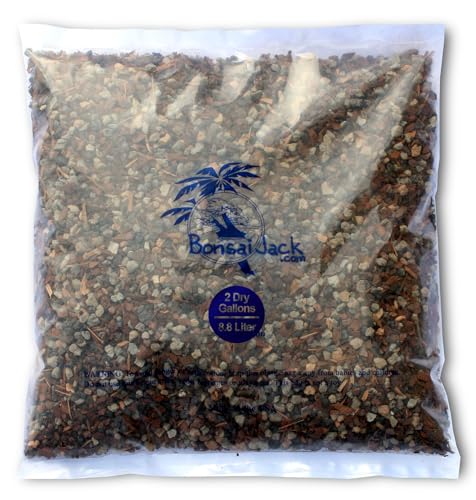
Bonsai Jack’s mix is screened and pre-washed, which is a step beyond most bagged soils. The screened part means the manufacturer filters out fine dust and small particles that typically clog drainage holes. The 2-gallon size translates to roughly 8 dry quarts, enough for several small pots.
Money trees tolerate a wide range of indoor mixes, but they hate sitting in soggy soil. Bonsai Jack’s gritty texture gives the roots room to expand while letting excess water escape quickly. Apartment dwellers who tend to overwater will appreciate the safety margin this blend offers.
The Upside
- Screened and pre-washed, so you avoid the dusty cloud some mixes produce on opening.
- Optimized pH around 6.4 sits in the comfortable range for tropical foliage plants.
- Fast drainage helps prevent the most common money tree killer: root rot.
- 2-gallon bag covers several small repottings.
Honest Caveats
- Used straight, it dries out faster than peat-based indoor mixes.
- You’ll likely need to water more frequently, especially in dry winter homes.
- Coarse texture means small top dressings and mosses don’t anchor well.
Right Fit For
Indoor gardeners who frequently overwater and want a forgiving, fast-draining base to mix with other amendments.
Consider Something Else When
You prefer a richer, moisture-retentive blend out of the bag, in which case the FoxFarm Ocean Forest Potting Soil is a closer match.
Biochar is a charcoal-like soil amendment made by heating organic material in low-oxygen conditions. Unlike regular charcoal, it has a porous structure that traps nutrients and water in the root zone. Char Bliss arrives in an 8-quart bag and is meant to be blended into existing soil rather than used alone.
Adding roughly 10 to 20 percent biochar by volume to a standard mix improves nutrient retention and reduces how often you need to fertilize. For money trees, that translates into steadier growth through the active season and less fertilizer runoff when you do water through.
Advantages To Know
- Improves the soil’s cation exchange capacity (how well it holds onto nutrients).
- Holds moisture without becoming waterlogged, useful in dry indoor air.
- One application lasts years because biochar breaks down very slowly.
- 8-quart bag covers several indoor pots without breaking the bank.
Softer Spots
- Black particles can stain skin and surfaces during mixing.
- Doesn’t add organic matter on its own, so pairing with compost or castings helps.
- The fine dust fraction may need to be sifted out before blending.
Best Suited To
Long-term indoor gardeners looking to upgrade a base potting mix once and enjoy the benefits across multiple repottings.
Reach For A Different Pick When
You want a ready-to-use blend with no measuring, in which case the FoxFarm Ocean Forest Potting Soil is a more straightforward option.
This mix is formulated for lithops, the small stone-shaped succulents that rot easily. The blend is mostly inorganic: pumice, lava rock, and similar gritty particles with very little organic matter. That sounds unusual for a money tree, but it can serve as a drainage booster when you mix it with a richer base.
The 2-quart size works well as an additive. Blending roughly one part lithops mix into two or three parts standard potting soil produces a fast-draining, low-compaction medium that handles overwatering better than straight peat-heavy mixes.
Key Advantages
- Air space between particles helps roots breathe and prevents rot.
- Settles firmly around roots without compacting over time.
- Pairs well with peat-based mixes to balance drainage.
- Includes a bonus mini lithops plant, which is a small but pleasant extra.
Practical Considerations
- Used alone, it’s too lean for a tropical foliage plant like a money tree.
- The bonus lithops needs very different care from a money tree, which can confuse beginners.
- Small 2-quart bag runs out quickly across multiple pots.
Made For
DIY mixers who want to add a generous grit component to a base soil and don’t mind doing the blending themselves.
A Better Fit Elsewhere
You want a complete soil straight from the bag, in which case the Gardenera Money Tree Potting Soil Mix is formulated specifically for that use case.
Worm Bliss is worm castings from plantonix, similar in concept to the Earth Science product earlier on this list. The 1-quart size suits a single small tree or occasional top-dressing rather than full repotting. The vegan, manure-free claim matters for plant owners who want a clean amendment without animal byproducts.
You can sprinkle a thin layer on top of the soil every few months, then water it in. The castings release nutrients slowly as you water, giving the money tree a steady feed without overdoing it.
The Good Stuff
- Small jar size fits easily in a kitchen drawer or plant shelf.
- Vegan-friendly production appeals to owners avoiding animal-based fertilizers.
- Easy way to refresh nutrients between full repottings.
- Light, low-odor product that won’t attract pests indoors.
Where It May Fall Short
- Too small to amend a full repotting of a large tree.
- Won’t fix a compacted or root-bound medium on its own.
- Costs more per quart than larger bags of castings.
Who Should Grab It
Apartment dwellers with one or two small money trees who want a clean, organic top-dressing between waterings.
Not Your Match When
You need to repot a large tree or amend a full bag of soil, in which case the Earth Science Earthworm Castings in the 3-pound size covers more ground for less.
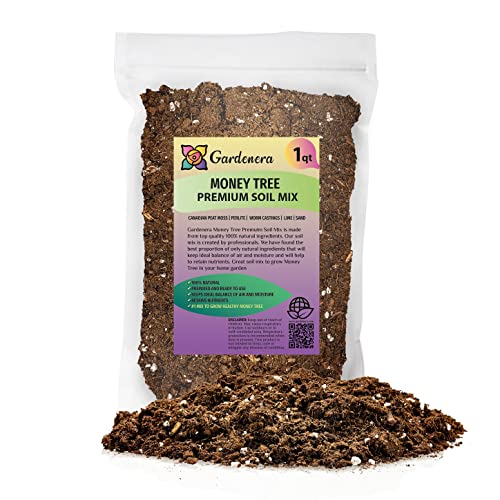
Gardenera’s offering is one of the few bagged mixes labeled specifically for money trees (Guiana chestnut). The 1-quart size suits a single 4 to 6 inch pot, which is the typical size for a tabletop money tree. The formula leans toward well-draining with enough organic content to keep the trunk happy.
Owners who don’t want to think about ratios get a straightforward option here. Open the bag, fill the pot, and plant. For one small tree, that’s a real convenience.
The Value In It
- Pre-blended for the specific species, so no research on ratios needed.
- Compact 1-quart bag is easy to store and ship.
- Useful for first repottings when you don’t have leftover soil on hand.
- Clean, light product that doesn’t trigger indoor dust complaints.
Less Ideal Details
- One quart covers only a small pot, so larger trees require multiple bags.
- Specialized blend typically costs more per quart than general-purpose soils.
- Limited availability of larger package sizes for collectors with multiple trees.
Perfect Match For
Beginner money tree owners who want a purpose-built mix for a single small plant without studying soil composition.
Skip It When
You have several plants to repot or want a more versatile blend for mixed houseplants, in which case the FoxFarm Ocean Forest Potting Soil gives more bang per quart.
This is a foliar mist rather than a soil product. Foliar feeding means you spray the leaves directly, and the plant absorbs nutrients through tiny pores. The 3-1-2 NPK ratio (3 parts nitrogen, 1 part phosphorus, 2 parts potassium) suits foliage-focused plants like money trees that prioritize leaves over flowers.
Use it as a supplement between regular soil feedings. A quick mist on the leaves every week or two helps leaves stay glossy, especially in dry indoor air where roots don’t always deliver enough nutrients on their own.
Positive Points
- Gentle 3-1-2 ratio suits leafy tropicals without pushing excessive growth.
- Foliar application reaches the leaves fast for a quick boost.
- Small 8oz bottle is easy to keep near the plant.
- Pairs well with any of the soil products on this list as a complementary feed.
Some Limits To Know
- Doesn’t replace soil feeding; roots still need nutrients in the medium.
- Wet leaves in low light can invite fungal issues if over-applied.
- Smaller coverage area than a liquid concentrate you mix yourself.
Who It Suits Best
Owners who want a simple, occasional leaf boost and don’t want to measure out liquid concentrates.
Consider Something Else When
You prefer feeding through the soil once and forgetting about it for weeks, in which case the Gardenera Liquid Money Tree Fertilizer 3-1-2 concentrate is a better match.
The liquid concentrate uses the same 3-1-2 ratio as the spray mist, but you dilute it into your watering can. That makes it more economical for routine feeding and easier to apply evenly across the soil. The 8-ounce bottle makes quite a bit of finished feed once diluted.
Pair this with any of the soils above. A monthly diluted feeding during spring and summer supports steady leaf growth. Skip feeding in winter when the tree slows down naturally.
Points In Its Favor
- Concentrate format stretches further than pre-mixed sprays.
- Soil application delivers nutrients directly to the root zone.
- Same species-specific 3-1-2 ratio as Gardenera’s spray for consistency.
- Small bottle stores easily on a shelf or in a cabinet.
A Few Limitations
- Requires measuring and dilution each feeding.
- Over-diluting or under-diluting can lead to inconsistent results.
- Doesn’t help if your base soil is already compacted or poorly draining.
The Right Fit
Owners with a feeding routine who want a concentrated, species-specific liquid fertilizer to use through the growing season.
Where A Sibling Pick Shines
You’d rather skip measuring altogether, in which case the Gardenera Money Tree Spray Fertilizer Mist applies in seconds without any prep.
Akadama is a baked Japanese clay granule long used in bonsai mixes. The small 1/8 to 1/4 inch grain in this 2.5-pound bag creates permanent air pockets in your soil that don’t break down like peat or coco coir. Used straight, akadama works for bonsai and succulents; for money trees, it serves as a drainage and aeration amendment.
The visual indicator is a nice touch: akadama darkens when wet and lightens as it dries, giving you a built-in moisture gauge at the soil surface. That’s helpful for owners who tend to second-guess their watering schedule.
Where It Excels
- Hard granules maintain structure over years rather than breaking down.
- Color change acts as a built-in moisture indicator at the soil surface.
- Improves drainage and root aeration when blended with peat-based soils.
- 2.5-pound bag covers several small to medium pots as an additive.
Practical Considerations
- Akadama alone provides no organic matter, so it needs to be combined with compost or castings.
- Hard granules can damage roots if you have to break up a compacted root ball later.
- Costs more per pound than most soil amendments.
Who Will Love This
Owners who want long-lasting aeration in their mix and appreciate a visual cue for watering timing.
Not Your Match When
You want a complete soil ready to use out of the bag, in which case the Gardenera Money Tree Potting Soil Mix removes the blending step entirely.
What Matters Most In A Money Tree Soil
A money tree’s roots sit in a confined pot, so the medium has to earn its keep. Drainage comes first: water should run through the pot within a few seconds and the surface should dry out reasonably fast. After drainage, look for enough organic content to hold moisture for a day or two between waterings. Third, structure matters: a mix that compacts into mud suffocates roots, so grit, perlite, or akadama helps keep air pockets open.
Texture tolerance is wider than most people think. A blend heavy on peat retains moisture and suits forgetful waterers, while a gritty mix suits attentive waterers in dry homes. Match the soil to your watering habits, not the other way around.
Start with the soil, then layer in amendments. A premium base like FoxFarm Ocean Forest handles most situations, but adding worm castings or akadama lets you dial the mix toward your specific environment without buying separate specialty products for every variable.
Picking The Right Blend For Your Space
Mistakes Worth Dodging
Grabbing any bag labeled “potting soil” is the most common slip-up. Outdoor garden soil compacts too tightly for indoor pots, and moisture-control mixes with polymer crystals hold more water than a money tree wants. Stick with mixes designed for containers or houseplants, and check that drainage is part of the formula.
Another trap is over-amending a soil that’s already well-balanced. Stacking castings, biochar, and akadama on top of a peat-rich base can swing the mix toward extremes. Pick one or two amendments and go from there, adjusting only if your watering behavior or home humidity changes.
Where The Extra Money Goes
Premium money tree mixes earn their higher cost through better ingredient sourcing: screened pumice, washed granite, organic composts that don’t smell, and balanced pH out of the bag. The Gardenera money tree blend, for example, costs more per quart because it’s blended specifically for the species rather than a general audience.
The upgrade pays off when you want fewer steps between opening the bag and putting your plant in it. Specialty blends reduce guesswork, which matters for beginners and for owners who keep multiple houseplants and don’t want a different recipe for each one.
Frequently Asked Questions
Do money trees need cactus soil?
Money trees tolerate cactus soil better than most tropicals, but pure cactus mix dries out very quickly and lacks the organic content a money tree prefers. A 50/50 blend of cactus mix and standard potting soil works well.
How often should you repot a money tree?
Most money trees benefit from repotting every 2 to 3 years, or when roots start circling the drainage holes. Going up one pot size at a time keeps the soil from staying too wet.
Can you reuse old money tree soil?
Old soil loses structure and nutrients over time, so most owners replace it during repotting. The old soil can go onto outdoor garden beds or compost piles rather than the trash.
Is perlite or vermiculite better for money trees?
Perlite improves drainage and aeration, which suits money trees well. Vermiculite holds more moisture and works better for plants that prefer consistently damp soil.
Should you fertilize a money tree right after repotting?
Wait 4 to 6 weeks after repotting before fertilizing. Fresh soil has nutrients the plant can use, and fertilizing too soon risks burning tender new roots.
Wrap Up
The right soil for a money tree comes down to drainage, structure, and your watering habits. Pre-blended options like the Gardenera Money Tree Potting Soil Mix suit beginners, while FoxFarm Ocean Forest gives experienced owners a versatile starting point. Amendments like akadama, biochar, and worm castings let you tune any base mix to your home. Pair the soil with a gentle 3-1-2 fertilizer during the growing season, and your money tree should reward you with steady, glossy growth.
