

Aloe vera is one of the easiest houseplants to keep alive, and also one of the easiest to lose. The reason almost always traces back to the potting medium. Aloe roots hate sitting wet, so a dense, peat-heavy bag of standard mix can quietly rot a healthy plant from below. The right soil for aloe vera drains fast, breathes well, and holds just enough moisture to keep leaves plump between waterings.
You do not need a specialty horticultural background to pick a good mix, but you do need to understand a few practical differences between regular potting soil, cactus blends, and gritty succulent mixes. This guide covers ten widely available options that work for aloe in pots, terrariums, and mixed succulent arrangements, along with the soil characteristics that decide whether your plant thrives or slowly declines.
A Snapshot Of The Selections
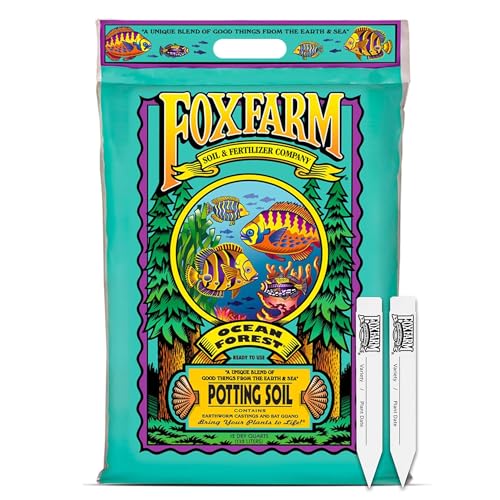
FoxFarm Ocean Forest Potting Soil, 12 Quarts

FoxFarm Ocean Forest Potting Soil, 1.5 cu ft

Special Lithops Soil Mix, 3 lb
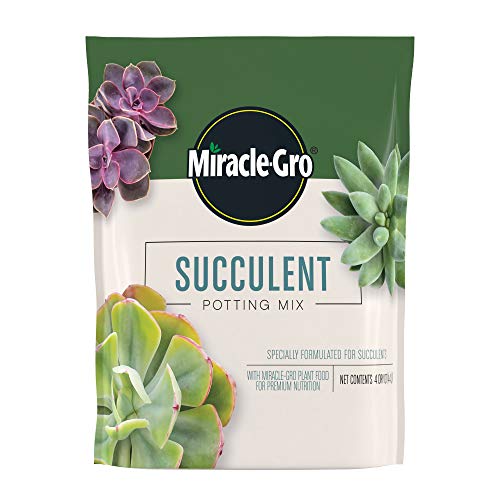
Miracle-Gro Succulent Potting Mix, 4 qt.

Miracle-Gro Cactus, Palm & Citrus Mix, 8 qt.
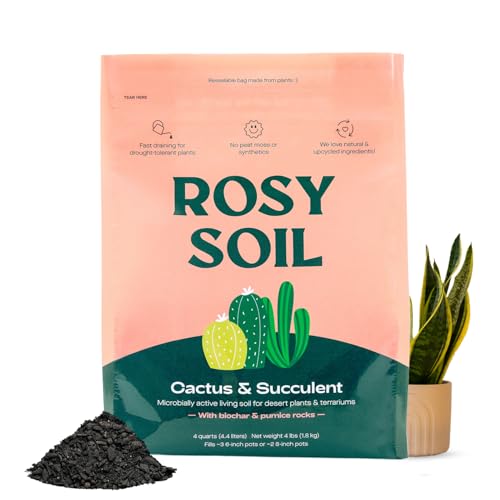
Rosy Soil Cactus & Succulent Mix, 4 Quarts

Miracle-Gro Indoor Potting Mix, 6 qt., 2-Pack

FoxFarm Ocean Forest Potting Soil, 12 Quart

Miracle-Gro Indoor Potting Mix, 6 qt.
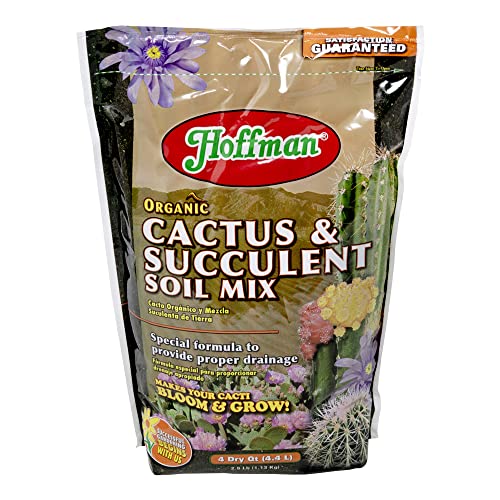
Hoffman 10404 Cactus & Succulent Mix, 4 Quarts
Taking A Closer Look At The Options
This 12-quart bag of FoxFarm Ocean Forest is one of the most familiar names in container gardening, and it doubles as a serviceable medium for aloe vera with one caveat. The texture is light and aerated, and the blend leans on earthworm castings, fish meal, and crab meal to feed plants steadily without chemical fertilizer spikes.
You may find it slightly rich for young aloe pups, so amending with extra perlite or pumice is a common adjustment. Two plant tags come tucked in the bag, a small touch that helps you label varieties when starting a collection.
Useful Strengths
- Light, aerated texture supports healthy root oxygenation.
- Organic nutrients feed aloe for several months after repotting.
- Ready to use straight from the bag with no mixing required.
- Compact 12-quart size suits a small repotting session or two.
Things To Consider
- Higher organic content means it holds moisture longer than a dedicated cactus blend.
- Not formulated specifically for succulents, so extra drainage amendments are common.
Key Advantages
Made For
Plant owners who want one versatile medium that handles aloe alongside leafy tropicals without juggling separate bags.
Consider Something Else When
You keep multiple aloes in shallow terracotta and want a drier base than FoxFarm Ocean Forest Potting Soil delivers out of the bag.
If the 12-quart bag in pick one feels too small, this 1.5 cubic foot version delivers the same recipe in a much larger volume. Aloe growers running a windowsill full of mixed containers tend to chew through soil fast, and this format keeps you from rationing.
The lighter aerated texture is a noticeable upgrade over generic indoor mixes, and the same organic amendments show up here. You can split the bag across aloes, pothos, and other foliage plants without compromising any of them.
Where It Excels
- Large 1.5 cu ft volume covers many repottings.
- Same trusted organic blend as the smaller bag.
- Light texture resists compaction over time.
Worth Noting
- Bulky bag requires storage space.
- Still benefits from added perlite for very dry-loving aloes.
Whose Shelf It Belongs On
Plant owners with a rotating collection of aloes and tropicals who repot often and prefer to buy in volume.
A Better Fit Elsewhere
Anyone with a single small aloe should reach for Miracle-Gro Succulent Potting Mix instead and skip the bulk storage.
This Micro Landscape Design blend is built for lithops, the small stone-like succulents that punish any overwatering. Aloe vera tolerates a bit more moisture than lithops, but the gritty, free-draining character of this mix actually works well for it too.
The blend prioritizes airflow around roots and resists compaction, which is exactly what an aloe wants in a deep pot. A bonus live mini lithops ships with the bag, which adds a small discovery element to the purchase.
Why It Works Well
- Excellent drainage protects against root rot.
- Air porosity supports strong root branching.
- Includes a bonus starter lithops plant.
Points To Note
- Smaller 3 lb bag suits limited collections.
- Not designed with aloe feeding in mind, so supplement lightly during the growing season.
Perfect Match For
Collectors who grow aloes alongside lithops and other ultra-drought-tolerant succulents in shallow pots.
Look Elsewhere When
You prefer a more traditional nutrient-rich mix, in which case FoxFarm Ocean Forest Potting Soil is a better match.
Miracle-Gro’s succulent blend is the bag most people grab at the garden center for a first aloe. It is a sphagnum peat-based mix (peat being the standard moisture-holding fiber used in most bagged soils) designed to drain faster than the brand’s all-purpose indoor mix, and it specifically calls out aloe as a compatible plant.
One 4-quart bag fills roughly an 8-inch container, which lines up well with a typical nursery aloe’s original pot. The familiar brand makes it easy to find in stores when you run out mid-project.
Everyday Advantages
- Formulated specifically for succulents like aloe.
- Compact 4 qt size suits a single repotting.
- Widely stocked in garden centers and online.
Honest Caveats
- Bag size limits how many plants you can repot at once.
- Some growers add extra perlite for very dry conditions.
Right Fit For
First-time aloe owners who want a no-mix, grab-and-go option without learning about amendments on day one.
Swap It Out When
You need a much bigger volume or want richer organic content, where Hoffman 10404 Cactus & Succulent Mix or FoxFarm Ocean Forest serves better.
Despite the multi-plant label, this Miracle-Gro mix is one of the most affordable cactus-and-succulent blends you can buy, and aloe vera fits the use case cleanly. The fast-draining formula leans on forest products, sphagnum peat moss, sand, and perlite.
The 8-quart bag covers more aloe repottings than the smaller succulent bag, which makes it useful if you tend to split pups and grow them on. A small amount of starter plant food is included to support early root activity.
What It Does Well
- Fast-draining texture suited to aloe watering habits.
- Generous 8 qt size handles several plants.
- Perlite content keeps mix airy over time.
Trade Offs
- Sandy texture can settle in deep pots.
- Sand grains make the bag heavier to carry home.
Best Suited To
Plant owners splitting multiple aloe pups and looking for a budget-friendly, large-format bag.
Reach For A Different Pick When
You want organic worm-casting enrichment, in which case Rosy Soil Cactus & Succulent Mix is closer to what you want.
Rosy Soil takes a different angle than most big-brand succulent mixes. The texture is intentionally chunky, with larger particles that resist compaction and let water run through quickly rather than pooling around roots.
Beneficial fungi, microorganisms, and worm castings come pre-mixed, which is the “living soil” angle the brand leans into. For aloe in small decorative pots, that biology can be a quiet long-term advantage over sterile bagged peat.
Key Advantages
- Chunky texture resists compaction in shallow pots.
- Living soil biology supports steady root activity.
- Worm castings feed aloe gently over time.
Soft Spots
- Higher per-quart cost than mass-market blends.
- Chunky pieces may shift through drainage holes in some pots.
Who Will Love This
Aloe owners who prefer organic, microbe-rich blends over peat-heavy mixes and keep their plants in small decorative containers.
Where Another Pick Suits Better
Budget-focused owners with many plants will get more value from Miracle-Gro Cactus, Palm & Citrus Mix instead.
This is Miracle-Gro’s general indoor blend rather than a dedicated cactus mix, and it shows in the texture. Sphagnum peat, coir (a fibrous coconut-husk material that holds water and air), and perlite combine into a lighter, water-retentive medium that works fine for aloe only when you dial back watering.
The 2-pack format gives you 12 quarts total, which is useful if your collection includes aloes alongside ferns and leafy tropicals. For aloe specifically, expect to add extra perlite.
Notable Upsides
- Two bags cover multiple plant types in one purchase.
- Lightweight mix is easy to carry and pour.
- Coir helps the soil rehydrate evenly when dry.
A Few Limitations
- Not specifically formulated for succulents, so drainage amendments are common.
- Holds moisture longer than true cactus mixes.
Who Should Grab It
Mixed indoor gardeners who want a single medium across aloes, pothos, and other foliage plants.
Skip It When
You grow aloes exclusively in deep terracotta, where a dedicated cactus blend like Miracle-Gro Cactus, Palm & Citrus Mix fits more naturally.
This is essentially the same Ocean Forest blend as pick one, just packaged without the included plant tags. The aged forest products, sandy loam, and sphagnum peat moss combination is identical, and the light aerated texture holds up in containers over time.
For aloe, this size makes sense if you do one or two meaningful repottings per year rather than a string of small touch-ups. The bag reseals reasonably well with a clip.
Features That Help
- Same trusted FoxFarm aerated formula.
- Earthworm castings feed aloe without chemical burn.
- Handles both seedlings and mature container plants.
Things To Weigh
- Organic richness means longer drying time than cactus mixes.
- No plant tags included in this listing.
Built With In Mind
Plant owners who already trust Ocean Forest and just need a single mid-size bag without the extras.
Not Your Match When
You want a dedicated succulent blend right out of the bag, in which case Hoffman 10404 Cactus & Succulent Mix is the cleaner fit.
This single-bag version of Miracle-Gro’s indoor blend is built around coir, which holds and releases water and helps dry soil rehydrate quickly. The formulation skips compost and bark, which the brand says reduces the chance of fungus gnats showing up around houseplants.
For aloe, the trade-off is the same as the 2-pack: it is a general indoor mix, not a cactus blend, so expect to add perlite. The 6-quart size is right for one mid-sized aloe repotting or several small pups.
What Works In Its Favor
- Coir helps soil rehydrate evenly after dry spells.
- Designed to be less attractive to fungus gnats.
- Blended for a wide range of indoor foliage plants.
Possible Compromises
- General-purpose moisture profile suits tropicals more than aloes.
- Drainage amendments are typically needed for succulent use.
The Right Fit
Apartment dwellers who rotate aloe in and out of a larger indoor plant collection and want a versatile medium.
Another Choice May Suit
You keep aloes in dedicated shallow pots and want a drier base, where Rosy Soil Cactus & Succulent Mix is the closer call.
Hoffman’s organic cactus and succulent mix has been on shelves for years and is one of the most familiar bagged choices for hobbyists growing desert plants. The formula is professionally blended for both jungle and desert cacti, with a pH balance aimed at encouraging bloom and root development.
For aloe vera, the drainage-first character is the main draw. You can pour it straight into a terracotta pot, plant the aloe, and water normally without worrying about compaction in the first few weeks.
A Strong Showing
- pH balanced for succulent root systems.
- Ready to use straight from the bag.
- Encourages root development in young plants.
- Works for both desert and jungle cacti.
Small Caveats
- Smaller 4-quart bag suits limited collections.
- Less organic enrichment than FoxFarm-style blends.
Who It Suits Best
Low-fuss aloe owners who want a classic cactus blend and only need to repot occasionally.
Where A Sibling Pick Shines
You run a multi-plant shelf and want richer organic feeding, where FoxFarm Ocean Forest Potting Soil delivers more nutrients over time.
Choosing The Right Mix For Aloe Vera
Aloe vera tolerates neglect better than most houseplants, but it punishes the wrong soil fast. The medium has to balance three things at once: enough aeration to keep roots dry, enough weight to anchor a top-heavy plant, and enough organic content to feed slow growth over several months. Get those right and watering mistakes are much easier to recover from.
Drainage Is The First Filter
Anything that holds water for days will eventually rot an aloe root system. Sandy loam, perlite, pumice, and pine bark are the most common drainage agents in bagged mixes. The more of these a blend includes relative to peat, the safer it is for aloe in deep pots.
Organic Content Feeds The Plant
Earthworm castings, compost, and worm-based amendments release nutrients slowly. Heavier organic blends support faster leaf production, but only when drainage keeps up. A mix that splits the difference between fast drainage and mild organic enrichment tends to be the sweet spot.
Match The Pot, Not Just The Plant
Terracotta breathes and helps soil dry evenly between waterings, so a peat-heavy mix is more forgiving. Glazed ceramic or plastic pots hold moisture longer, so a chunkier cactus blend is the better pairing. Aloe in shallow bonsai-style pots wants the grittiest mix you can find, like the Lithops Soil Mix in pick three.
Consider How Often You Actually Repot
Aloe vera does not need annual repotting. A small 4-quart bag covers most home growers for a year or more. Bigger bags make sense for split-pup propagation or mixed succulent shelves, but they also need a dry storage spot.
Key Considerations Across These Picks
Common Shopping Slip Ups
The biggest mistake is reaching for an all-purpose indoor potting mix because it is familiar. Standard indoor blends hold moisture far longer than aloe tolerates, and the rot often shows up weeks after the plant looks fine on top. Grab a cactus or succulent blend first, or plan to cut it with at least 30 percent perlite.
Where The Extra Money Goes
Premium mixes like Rosy Soil earn their higher price through chunky textures and living soil biology, not just branding. You pay for slower compaction, better airflow, and organic amendments that release over time. For a single aloe on a desk, the upgrade is modest; for a shelf of mixed succulents, the drainage difference is noticeable within a season.
Frequently Asked Questions
Can I use regular potting soil for aloe vera?
You can, but only if you cut it with perlite or pumice to speed up drainage. Plain indoor mix stays wet too long and commonly leads to root rot in aloe pots.
How often should I repot aloe vera?
Most aloes do well with repotting every two to three years, or when pups crowd the container. Always refresh the soil at repotting rather than reusing the old medium.
Do aloe plants need fertilizer in their soil?
Slow-release organic amendments are usually enough for the first growing season. A dilute succulent fertilizer during spring and summer is fine if the mix is mostly mineral, but heavy feeding can make leaves soft.
What is the best soil texture for aloe vera?
A gritty, coarse texture drains fast and resists compaction. Fine, peat-heavy mixes hold water against the roots and shorten the safe window between waterings.
Can I mix two different soils together for aloe?
Yes. Many growers blend a cactus mix with extra perlite or pumice for faster drainage, or mix FoxFarm Ocean Forest with a cactus blend for richer feeding without soggy roots.
Closing Remarks
The best soil for aloe vera is the one that drains quickly enough to forgive an extra watering. Most of the picks above will do the job, and the right choice comes down to pot size, watering habits, and how many plants you keep. Start with a cactus or succulent blend, watch how fast the medium dries after watering, and adjust with extra perlite if needed. Your aloe will tell you within a few weeks whether the mix is working.
