

Begonias in pots are unforgiving about soggy roots, so picking the right growing medium matters more than most people expect. Wax begonias, tuberous begonias, and rex begonias all share a dislike for wet feet, which makes a loose, well-draining blend far more important than a nutrient-heavy garden bed mix. This roundup pulls together ten mixes and bundles worth considering, from lightweight compressed granules to specialty indoor blends, so you can match the soil to the begonia on your shelf.
The Choices Worth Comparing

Organic Plant Magic Compressed Soil + Soluble Plant Food

OrganicMatter All Purpose Potting and Planting Garden Soil
Bonsai Jack Universal Organic Bonsai Soil Mix #221

Miracle-Gro Potting Mix, 16 qt. (2-Pack)

Miracle-Gro Indoor Potting Mix, 6 qt., 2-Pack

Compressed Organic Potting Soil with Coconut Coir & Worm Castings

rePotme Bromeliad and Jewel Classic Potting Soil Mix

Compressed Organic Potting Soil, 100% Organic (Two 2 lb Bags)

Organic Plant Magic Compressed Soil + Slow Release Granular Fertilizer
Hoffman 10404 Organic Cactus and Succulent Soil Mix
A Closer Look At Each Pick
Bundling compressed soil with a soluble fertilizer (a powder you dissolve in water before pouring on), this Organic Plant Magic set tries to give you a complete feeding system in one box. The soil arrives as a small, lightweight puck that expands to roughly three gallons once water hits it, which makes storage painless in a closet or gardening tote.
For begonias in pots, that loose, peat-light blend drains quickly enough that the rhizomes of tuberous varieties stay healthy. Gardeners who prefer mixing their own feeding schedule will appreciate the soluble concentrate, which covers a generous footprint and lets you control strength with each watering.
Useful Highlights
- Compressed format saves shelf space and stays light on the way home from the store.
- Soil retains moisture roughly three times longer than standard dry mixes once rehydrated.
- Soluble food treats up to 2,000 square feet, enough for a full season of mixed containers.
- Built-in feeding saves you from buying a separate fertilizer bottle at the start.
Worth Noting
- Compressed granules take a few minutes to fully break down with water, so plan mixing time.
- Resealing a partially used puck can be fiddly without a clip or extra bag.
Who It Suits Best
New container gardeners who want soil and feed in a single order rather than shopping two aisles.
Consider Something Else When
Rex begonia collectors chasing a specialist texture should look at rePotme Bromeliad and Jewel Classic Potting Soil Mix instead.
From Terra Products Co., this organic mix leans into minimal processing rather than flashy additives. No dyes, no synthetic wetting agents, no chemical fertilizers, just a proprietary blend that looks closer to screened topsoil than a typical bagged medium.
For potted begonias, that simplicity reads as a low-risk choice. You get a consistent texture that holds moisture without turning into mud, and you control the feeding schedule with whatever gentle organic fertilizer you prefer. For gardeners who read labels closely, the short ingredient list is the headline feature.
A Favorable Mix
- Free of dyes, synthetics, and chemical fertilizers, so nothing unexpected leaches into the root zone.
- Minimally processed texture stays closer to natural soil than heavily amended blends.
- Versatile enough to handle begonias alongside herbs, foliage plants, and small shrubs.
Things To Consider
- No added fertilizer means you’ll need a separate feeding plan from day one.
- Bag specs and volume aren’t clearly published, so plan to size up if you’re repotting several large containers.
Made For
Garden shoppers who prioritize clean ingredient lists over built-in fertilizer.
Look Elsewhere When
You want a single bag that feeds for half a year. In that case, the Miracle-Gro Potting Mix, 16 qt. (2-Pack) covers that need more directly.
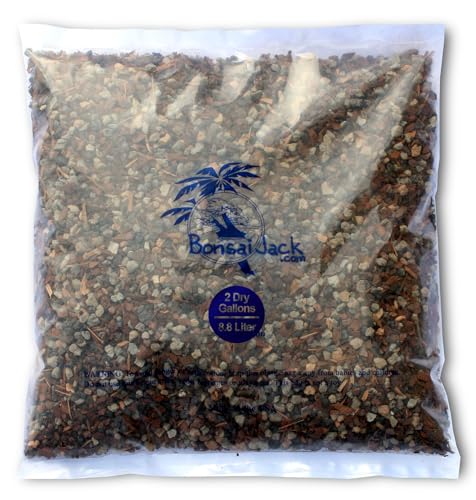
Bonsai Jack’s universal mix was designed for small trees, but the engineering happens to match what begonias want. The blend comes screened and pre-washed, which removes dust and fine particles that normally clog drainage holes in shallow pots.
Optimized for a pH of 6.4, particle size, and water absorption, this mix behaves predictably when you water. For tuberous begonias that hate compacted soil, the airy structure lets roots breathe between drinks. The catch is that it drains so well you’ll water more often than with a peat-heavy mix.
Points In Its Favor
- Pre-washed and screened, so the bag is essentially ready to pot straight into.
- pH balanced to 6.4, comfortably in the slightly acidic range begonias prefer.
- Coarse particle size prevents the compaction that suffocates rhizomes in deep pots.
- Available in multiple bag sizes, useful when you’re repotting a single plant or several.
Room For Improvement
- Aggressive drainage means you’ll water more frequently, especially for moisture-loving wax begonias.
- No built-in nutrients, so fertilizing on a separate schedule is non-negotiable.
Key Specs
Right Fit For
Tuberous begonia growers dealing with heavy, compacted native soil and wanting a ready-to-use gritty mix.
A Better Fit Elsewhere
Gardeners focused on indoor rex begonias will find a softer texture in the Miracle-Gro Indoor Potting Mix, 6 qt., 2-Pack.
A familiar name in container gardening, Miracle-Gro’s outdoor potting mix is built for high-traffic patios and porches. The two-pack delivers 32 quarts of medium with enough slow-release nutrition to feed container plants for up to six months.
For begonias, that built-in feeding is the real draw, since it removes one weekly chore during the busy summer. The blend holds moisture without staying soggy, though you’ll still want a pot with drainage holes. Compared to the Indoor Potting Mix in pick 5, this version is slightly denser and better suited to outdoor container weight.
Why It Works Well
- Two-pack volume gives you enough for several medium-sized pots in one purchase.
- Slow-release feed takes the guesswork out of fertilizing schedules for half a year.
- Formulated for outdoor containers, so it handles rain cycles better than indoor-only blends.
Honest Caveats
- Denser than indoor mixes, so very small terracotta pots may feel heavy once filled.
- Built-in fertilizer means you can’t easily switch to an organic-only feeding routine.
Best Suited To
Patio gardeners running a rotation of begonias, petunias, and other flowering annuals in big containers.
Skip It When
You’re keeping begonias strictly on an organic feeding program. The Organic Plant Magic Compressed Soil + Soluble Plant Food bundle fits that lifestyle more naturally.
The indoor version of Miracle-Gro’s potting mix swaps outdoor weight for a lighter blend built around sphagnum peat moss, coconut coir, and perlite (a volcanic mineral that aerates soil and prevents compaction). The result is an airy medium that releases water gradually instead of holding it hostage.
Rex begonias in particular enjoy the looser texture, since their shallow root systems dislike dense, suffocating soil. The two-pack gives you a generous 12 quarts, useful when you’re repotting a small collection of windowsill plants over a weekend.
A Few Strong Suits
- Sphagnum peat and coir blend holds moisture without turning into mud.
- Perlite keeps the structure open, reducing the risk of root rot in shallow pots.
- Lightweight enough to make moving small indoor pots around manageable.
Trade Offs
- No long-term fertilizer built in, so you’ll need to start a liquid feeding routine within weeks.
- Perlite particles float to the top during watering and can look cosmetic-fussy in clean decorative pots.
At A Glance
Who Will Love This
Indoor begonia keepers working with windowsill-sized pots and a watering can they use weekly.
Swap It Out When
You want a specialist mix engineered around begonia textures. The rePotme Bromeliad and Jewel Classic Potting Soil Mix was built with that in mind.
Another compressed-soil entry from Organic Plant Magic, this version leans on coconut coir (a fibrous material from coconut husks that holds water like a sponge) and worm castings (a natural fertilizer produced by earthworms) for both structure and feeding. A small brick or puck expands roughly four times in volume once you add water, which makes hauling it upstairs to a balcony apartment far easier than wrestling with a heavy bag.
For begonias, the coco-coir base delivers consistent moisture without compacting, and worm castings add gentle nutrition over the first several weeks. Once expanded, you’ll have around three gallons of medium to work with.
Standout Benefits
- Compresses down small for easy storage in closets, drawers, or gardening totes.
- Coir base resists compaction, which is the usual cause of root suffocation in pots.
- Worm castings add slow nutrition without burning tender begonia roots.
- Versatile enough for indoor windowsills or outdoor containers.
Points To Note
- Expanding the brick takes planning and a bucket, so it’s less convenient for quick single-pot repotting.
- Smaller upfront volume means frequent reorders once you start a few containers going.
Feature Card
Perfect Match For
Apartment dwellers with limited storage who need soil that disappears onto a shelf until they’re ready to use it.
Reach For A Different Pick When
You’d rather have a specialist begonia blend. The rePotme Bromeliad and Jewel Classic Potting Soil Mix is tuned specifically for that audience.
Few mixes on this list are built around begonias by name, but rePotme’s blend is one of them. Sold in a small mini bag (about two quarts), it’s aimed at the collector who wants a handcrafted texture for jewel-like foliage varieties rather than a bulk bag for an entire patio.
The “classic” version is described as a free-draining, multi-purpose houseplant mix made fresh daily, with a balance of drainage and moisture absorption that suits begonias, philodendrons, and other indoor favorites. The small footprint makes it easier to commit to a specialty product without buying more than you’ll use in a season.
What Works In Its Favor
- Specifically called out as a fit for begonias alongside bromeliads and other tropical houseplants.
- Small bag size reduces waste when you’re only repotting a few prized plants.
- Blend emphasizes drainage without going as gritty as pure bonsai soil.
Practical Considerations
- Small bag is expensive per quart compared to larger mixes, especially for big containers.
- Specialty sourcing can mean longer restock windows when you run out mid-season.
Whose Shelf It Belongs On
Rex and cane begonia enthusiasts who want a craft-blended medium specifically tuned to tropical foliage plants.
Not Your Match When
You’re filling a dozen patio containers on a budget. The Miracle-Gro Potting Mix, 16 qt. (2-Pack) will stretch your dollars much further.
Sold as two 2-pound bags, this Organic Plant Magic compressed soil is marketed as kid and pet safe, which matters if your begonias share floor space with curious dogs or toddlers. Once water hits the granules, each bag expands to roughly three gallons of nutrient-rich medium.
The worm-casting base gives the blend a steady feed without sharp synthetic additives, and the compressed format means a fresh bag takes almost no room in a kitchen drawer. For apartment windowsills with a cat who investigates every new leaf, that safety angle is the main draw.
Positive Points
- Two-bag format is convenient for small households that go through soil slowly.
- Pet and kid safe framing offers peace of mind in shared living spaces.
- Worm-castings feed gently enough for the sensitive roots of young begonias.
Soft Spots
- Smaller bags than the single-brick competitor, so heavy users may reorder more often.
- Worm castings are a mild feed, so vigorous tuberous begonias will still need supplemental feeding during bloom.
Built With In Mind
Pet owners and parents who want an organic, low-risk medium for indoor begonia arrangements.
Another Choice May Suit
Collectors who want a longer feeding window should consider the Organic Plant Magic Compressed Soil + Slow Release Granular Fertilizer bundle in the next pick.
This bundle pairs the compressed organic soil with a granular fertilizer that releases nutrients gradually across the season. The slow-release format means less babysitting during peak summer, which suits long-season patio planters where you don’t want to feed weekly.
The granules cover up to 1,000 square feet when spread at the recommended rate, so a small pot of begonias uses only a pinch. Combined with the same 4x-expansion soil as pick 6, this version trades the soluble concentrate for a more hands-off feed approach.
What Makes Sense
- Slow-release granules remove the need for weekly feeding during the active growing season.
- Generous coverage area means a single bundle lasts across multiple pots and small beds.
- Compressed soil base stays consistent with the rest of the Organic Plant Magic line.
Small Caveats
- Slow-release granules are harder to fine-tune than liquid feeds if your begonias need a quick boost.
- Storing both components separately takes a bit more shelf space than a single bag.
Quick Facts
The Right Fit
Busy gardeners running several outdoor containers who want organic feeding without a weekly ritual.
Skip It When
You prefer mixing liquid fertilizer to match each plant’s stage. The Organic Plant Magic Compressed Soil + Soluble Plant Food bundle keeps that flexibility intact.
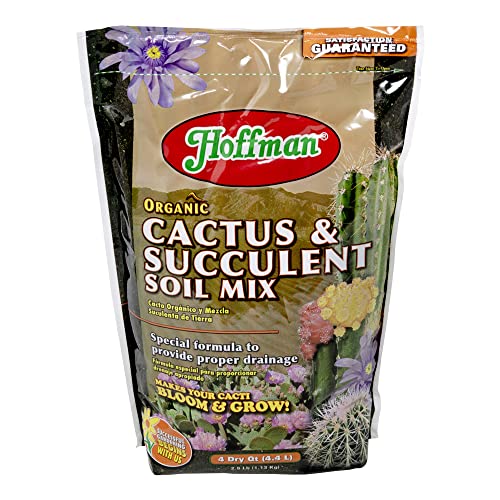
Hoffman’s cactus and succulent mix is a sharp-draining blend built for plants that want their roots dry between waterings. Formulated to support bloom and root development for both jungle and desert cacti, it carries a balanced pH aimed at minimizing root stress.
For succulent-style begonias or thick-stemmed varieties that resent wet feet, this mix acts as a fast exit ramp for excess water. Most standard wax and rex begonias will find it too dry, but if you’ve been losing plants to rot, switching to a cactus blend can reset the balance.
The Value In It
- Rough texture encourages quick water exit, the main defense against stem and root rot.
- pH balanced for healthy root development across cactus varieties.
- Ready to use straight from the bag with no extra amendments.
- Four-quart size is manageable for a small succulent begonia collection.
Things To Weigh
- Drastically faster drainage than typical begonia mixes, so standard wax varieties may need more frequent watering.
- Smaller bag volume than the Miracle-Gro two-packs, so heavy users will reorder often.
Who Should Grab It
Growers battling chronic root rot who want the driest possible medium for thick-stemmed begonias.
Not Your Match When
You’re growing moisture-loving rex or wax begonias indoors. The Miracle-Gro Indoor Potting Mix, 6 qt., 2-Pack holds water more comfortably for those.
What To Weigh Before Choosing A Begonia Potting Mix
Begonias reward a medium that drains quickly yet still holds enough moisture to keep leaves from wilting between waterings. The first thing to consider is texture: coarse mixes like Bonsai Jack’s grit-heavy blend are perfect for tuberous varieties that hate wet feet, while finer, peat-based blends like Miracle-Gro’s indoor mix support the shallower root systems of rex and wax types.
Drainage is the second pillar, and it ties closely to your pot choice. Even the loosest soil struggles in a container without drainage holes, so pair any of these mixes with pots that let excess water escape. Aeration matters too, because begonia stems and rhizomes (horizontal underground stems that store energy and produce new shoots) rot fast in compacted soil, and perlite, pumice, or coarse coir all help keep air pockets open.
Feeding style is the final decision. Built-in slow-release formulas reduce weekly chores, while clean blends like OrganicMatter let you run a fully organic, hands-on feeding routine. Match the soil’s nutrient plan to how often you actually want to mix fertilizer, not to the busiest month on the calendar.
Common Shopping Slip Ups And Upgrade Worth
Wrong Turns To Avoid
A frequent misstep is grabbing a heavy garden bed soil for a pot, since outdoor bed mixes compact quickly once confined. Another is assuming “more fertilizer” is always better, since begonias fed too aggressively push leggy growth and fewer blooms. Finally, skipping drainage holes because a decorative pot looks pretty is the fastest route to root rot.
Where The Extra Money Goes
Specialist blends such as the rePotme Bromeliad and Jewel Classic command a higher per-quart cost because they’re mixed in small batches with carefully chosen ingredients. Bonsai Jack’s screened and pre-washed process adds another layer of labor that you can see in the bag’s cleanliness. For most casual growers, a general indoor mix handles the job, but collectors chasing healthier foliage or larger blooms often find the upgrade pays off across a full season.
Frequently Asked Questions
Do begonias prefer acidic or neutral soil?
Begonias grow well in slightly acidic conditions, generally a pH of around 6.0 to 6.5. Most commercial mixes already sit in that range, so adjusting pH rarely becomes necessary.
Can you use regular potting soil for begonias?
Standard potting soil works in a pinch, but it tends to hold more water than begonias like. Mixing in perlite or switching to a begonia-friendly blend reduces the risk of rot.
How often should you repot a potted begonia?
Most begonias benefit from a fresh pot every one to two years, ideally in spring before active growth kicks in. If roots circle the bottom of the pot or water runs straight through, it’s time to size up.
Do begonias need fertilizer in potting mix?
A mild feed during the active growing season supports foliage and blooms, especially for tuberous and rex varieties. Slow-release granular options cover a long stretch without weekly effort.
Is cactus soil safe for begonias?
Cactus soil is safe for thick-stemmed and succulent begonias that demand sharp drainage. For wax or rex begonias, it’s usually too dry on its own and benefits from added coir or peat.
The Takeaway
The right soil for your begonias comes down to matching drainage, texture, and feeding style to the variety on your shelf and the time you actually have to maintain it. Coarse, screened blends suit tuberous types in outdoor pots, while lighter peat-and-coir mixes keep indoor rex and wax begonias happy through the season. Start with the variety you’re growing, then let your watering habits and pot choice guide the rest.
