

You planted blueberries along the fence and watched the leaves yellow by midsummer. Or you watched a row of raspberries struggle through a wet spring in dense, compacted ground. The truth is that berry bushes reward loose, well-draining, slightly acidic soil, and they punish anything that stays soggy around the roots. This roundup sorts through eight soil and amendment options that genuinely suit cane fruit and bush fruit, so you spend less time guessing at the garden center and more time picking berries.
The Shortlist At A Glance
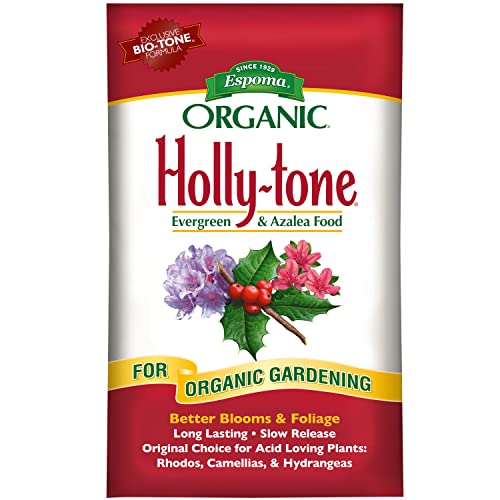
Espoma Holly-Tone 4-3-4 Organic Acid-Loving Plant Food 36 lb. Bag

Berry Tone Plant Food 4-3-4 4-Lb. Bag

Legigo 4 Quarts Organic Perlite Soil Amendment

Miracle-Gro Potting Mix 2 cu. ft. 2-Pack

Organic Plant Magic Compressed Potting Soil

Legigo 15 Quarts Organic Perlite Soil Amendment

Legigo 20 Quarts Organic Perlite Soil Amendment

Legigo 6 Quarts Organic Perlite Soil Amendment
Why These Options Stand Out
Holly-Tone has earned its reputation among backyard blueberry growers for a simple reason: it feeds the soil biology, not just the plant. The 4-3-4 nitrogen-phosphorus-potassium ratio is intentionally modest, which matters for berries that evolved in lean, acidic ground rather than heavily fertilized fields.
The included Bio-tone microbes help break down organic matter into forms berry roots actually use. In our view, this is the kind of slow, steady nutrition that produces consistent cane growth without the soft, floppy new shoots that attract aphids. A 36-pound bag covers a sizable planting along a fence line, which makes the per-bush cost reasonable for a whole-yard project.
What Stands Out
- Organic, slow-release feed suited to acid-loving shrubs like blueberries and lingonberries
- Bio-tone microbial blend supports long-term soil health, not just one season of growth
- Large 36 lb. format covers multiple bushes without constant reordering
- Lower nitrogen level discourages the lush, pest-attracting growth that plagues overfed cane fruit
Things To Consider
- This is a fertilizer, not a complete soil, so it works best mixed into an already acidic, well-draining bed
- Bag weight can be awkward for gardeners who prefer smaller, easier-to-carry containers
Key Specs
Best Suited To
Backyard growers establishing a blueberry patch or maintaining established acid-loving shrubs who want a steady, organic feed without overdoing nitrogen.
Consider Something Else When
Berry Tone Plant Food 4-3-4 4-Lb. Bag is a better fit if you want a formulation specifically labeled for strawberries, raspberries, and blackberries rather than the broader acid-loving category.
If Holly-Tone is the generalist for acid-loving shrubs, Berry Tone is its sibling tuned specifically for cane and bush fruit. The 4-3-4 formula plus 5% sulfur helps nudge soil pH downward for blueberries, while still feeding strawberries, raspberries, and blackberries on the same schedule.
The 4-pound bag is the practical sweet spot for a small kitchen garden with two or three raised beds. You can carry it one-handed, scatter it around established plants, and still have enough left for a midseason top-up. For most home gardeners juggling multiple berry types, this avoids the guesswork of separate products.
The Practical Payoff
- Labeled for blueberries, strawberries, raspberries, and blackberries in one formulation
- Added sulfur supports the acidic soil blueberries need to access iron properly
- Bio-tone organic base feeds soil life, not just roots, for steadier long-term results
- Smaller 4 lb. bag is easy to store on a shelf in a shed or garage
Worth Noting
- Four pounds won’t carry a large commercial-style planting without frequent repurchase
- Organic ingredients release slower than synthetic feeds, so visible results take patience
Feature Snapshot
Made For
Home gardeners growing a mix of strawberry, raspberry, and blueberry plants who want one fertilizer that covers all of them without juggling multiple bags.
Look Elsewhere When
Miracle-Gro Potting Mix 2 cu. ft. 2-Pack is a smarter choice if you need actual planting medium rather than a feed to work into existing soil.
Perlite is the white, porous volcanic stone that keeps a potting mix from compacting into concrete around tender roots. For berry bushes in containers, that’s not optional: waterlogged soil suffocates roots faster than drought does, and blueberries are especially unforgiving about wet feet.
Four quarts is enough to lighten a few small pots or amend one window-box-style planter. The coarse, evenly sized pieces create air pockets that roots can actually push through. In our experience, this kind of small bag is the right call for someone with a single patio container rather than an ambitious backyard overhaul.
What Helps Most
- Coarse perlite particles create durable air pockets that don’t break down quickly
- pH-neutral volcanic stone won’t interfere with the acidic soil mix blueberries prefer
- Lightweight enough to blend into a small container without straining your back
Some Limits To Know
- Four quarts covers only a couple of small pots, so cost-per-quart runs higher than larger bags
- Perlite produces fine dust when poured, which can irritate lungs if you skip a mask
Who Will Love This
Apartment growers with one or two potted blueberry plants who want to fix drainage without buying a giant amendment bag they’ll never finish.
Reach For A Different Pick When
Legigo 15 Quarts Organic Perlite Soil Amendment is a better value for raised beds or multiple containers where you’ll actually use the volume.
Miracle-Gro’s potting mix is the workhorse of container gardening, and berry bushes in large planters benefit from its balanced texture. The 2-pack of 2 cu. ft. bags gives you roughly 4 cubic feet of medium, which fills two big half-barrel planters or several mid-size patio pots.
Where this differs from plain garden soil is the included feed that lasts up to six months. For new cane fruit or young blueberry shrubs, that head start reduces the “did I forget to fertilize again” stress. Compared to the compressed Organic Plant Magic mix later in this list, you trade the space-saving pellets for a ready-to-use blend you can pour straight into a pot.
Strong Points
- Built-in feeding sustains container plants for up to six months after planting
- Two-bag format keeps cost-per-cubic-foot reasonable for bigger planter projects
- Formulated for a wide range of ornamentals and edibles, including berry shrubs
- Ready to use straight from the bag, no rehydration step required
Practical Considerations
- Not specifically acidified, so blueberries may still need sulfur or Holly-Tone on top
- Heavy two-pack can be tough to haul up stairs to a balcony garden
Quick Facts
The Right Fit
Families filling patio planters or railing boxes with mixed edibles who want a forgiving, ready-to-go medium without special mixing.
Swap It Out When
Espoma Holly-Tone 4-3-4 Organic Acid-Loving Plant Food 36 lb. Bag is the better partner if your main concern is dropping soil pH for blueberries rather than filling containers.
Compressed soil solves the problem nobody talks about: potting mix is heavy, messy, and tough to store. This blend ships as light granules that puff up to roughly four times their volume once you add water, which means a small bag on a closet shelf replaces a bulky bag in the garage.
The base is coconut coir, a renewable fiber that holds moisture without becoming waterlogged. Mixed with worm castings for slow nutrient release, it gives berry transplants a soft, forgiving start. The honest read is that this works best as a component in a custom blend, not a stand-alone medium for mature shrubs.
Useful Strengths
- Compressed format weighs a fraction of traditional potting mix for easy carrying
- Resealable bag keeps unused portions viable for the next planting session
- Coir plus worm castings delivers organic matter and trace minerals in one step
- Expands up to 4x, so a small bag fills several medium pots
Possible Compromises
- Requires water and a mixing container before use, which adds a prep step
- Coir retains moisture well, so you may need extra perlite for blueberry containers that prefer drier conditions
Perfect Match For
Apartment dwellers with limited closet space who want a lightweight, storable medium for occasional repotting of berry plants.
Not Your Match When
Miracle-Gro Potting Mix 2 cu. ft. 2-Pack is more practical if you’re filling large planters and don’t want to rehydrate compressed material.
The 15-quart Legigo perlite bag hits the middle ground that most raised-bed gardeners actually need: large enough to amend a full 4×8 bed, small enough to lift without help. The coarse, evenly sized particles match what you want for cane fruit, which hates soggy roots.
Compared to the 4-quart entry earlier, this format trims the per-quart cost noticeably. If you’re blending your own mix for blueberries in half-barrel planters or refreshing a strawberry bed that’s started to compact, 15 quarts gives you room to work without waste.
Points In Its Favor
- Mid-size bag handles two to three raised beds or several large containers
- pH-neutral stone won’t shift your carefully acidified blueberry soil toward alkaline
- Coarse grade keeps air pockets open longer than finer perlite products
A Few Limitations
- Bag is light but bulky, so storage space matters before you order
- Dust at pouring time still calls for a simple mask or outdoor mixing
Feature Rundown
Who Should Grab It
Raised-bed gardeners tending a mixed berry patch who want enough perlite to lighten compacted soil across more than one bed at a time.
Skip It When
Legigo 4 Quarts Organic Perlite Soil Amendment is plenty if you only have a single patio pot, while the 20-quart version suits a much larger yard.
Twenty quarts of coarse perlite is the bulk-amendment format for serious blueberry plantings or a long row of raspberries that need their whole bed loosened. If you’re rebuilding a bed that’s spent a few years settling into dense clay, this is the volume that gets the job done in one pass.
Working it into native soil takes effort, and you may find the bulk bag harder to store than the 15-quart option. For anyone establishing more than three or four bushes, though, the per-quart savings justify the bigger size. Pair it with an acidifying fertilizer from earlier in this list and you’ve covered the two biggest berry-soil needs in one trip.
Where It Delivers
- Bulk 20-quart volume handles a long row or several established blueberry bushes
- Same coarse volcanic stone as smaller bags, so quality is consistent across the line
- Best per-quart value among the Legigo sizes for serious amendment projects
Trade-Offs To Consider
- Big bag demands shed or garage space, since it won’t fit on a closet shelf
- Incorporating that much perlite into native soil is a workout with a wheelbarrow and fork
Built With In Mind
Suburban growers installing or renovating a multi-bush blueberry row who want one bag large enough to handle the whole bed at once.
A Better Fit Elsewhere
Berry Tone Plant Food 4-3-4 4-Lb. Bag deserves the budget instead if drainage isn’t your bottleneck and you actually need a feed that targets fruit production.
Six quarts sits in a useful middle zone for first-time berry growers: enough to lighten a small raised bed or amend two big pots, but not so much that you’re storing leftover perlite in the back of the closet for two years. It’s a forgiving size to learn what your soil actually needs.
Beginners often overbuy amendments, so the smaller bag lowers the cost of experimentation. If your first bed turns out to be fine and the perlite goes unused, you haven’t tied up much shelf space. The coarse grade matches the rest of the Legigo line, so the texture is consistent no matter which size you eventually move up to.
The Case For It
- Manageable size for one small bed or a couple of patio containers
- Lower entry cost lets new gardeners test drainage amendments without committing to bulk
- Same coarse volcanic perlite as larger sizes for consistent results
Worth Bearing In Mind
- Six quarts won’t cover a long row or multiple established beds without a second purchase
- Per-quart cost is higher than the 15- or 20-quart options in the same line
Whose Shelf It Belongs On
First-time berry growers planting a single small bed or a few containers who want to learn what their soil needs before committing to bulk amendments.
Another Choice May Suit
Organic Plant Magic Compressed Potting Soil is a smarter pick if you’d rather start with a ready-to-go blend than mix your own medium from scratch.
Getting Berry Soil Right From the Start
Match pH Before Anything Else
Blueberries anchor the low-pH requirement, asking for soil between about 4.5 and 5.5 on the pH scale, while raspberries and strawberries tolerate a wider range closer to 6.0. Test your existing bed before buying anything, because no fertilizer or amendment fixes the wrong starting pH overnight. Acid-loving plant foods with sulfur or organic matter work gradually, so plan to retest after a season rather than expecting instant correction.
Build Drainage Before You Plant
Berry roots, especially blueberry roots, drown quickly in compacted or clay-heavy soil. Coarse perlite is the most reliable way to introduce permanent air pockets, since organic matter breaks down and disappears within a season or two. For in-ground plantings, work perlite into the top 8 to 12 inches. Container plantings need at least 20 to 30 percent perlite by volume mixed into the potting medium to keep roots healthy through wet weather.
Right-Size Your Bag
Perlite and potting mix both suffer the same trap: leftover material loses quality sitting open in a shed. Smaller bags suit single beds or patio gardens, while larger formats only pay off when you have multiple beds or a long row to fill. A rough rule is one cubic foot of amendment per four to six square feet of bed area, depending on how dense your native soil has become.
Feed Lightly, Then Retest
Berry bushes evolved in lean soils, and heavy nitrogen produces floppy new growth that attracts aphids and reduces fruit production. A modest 4-3-4 organic fertilizer applied once or twice per growing season usually covers the need. Watch the leaves: deep green, sturdy growth means you’re dialed in, while pale leaves or stunted canes mean a second application or a pH retest is overdue.
Smart Choices For Berry Soil Shoppers
Pitfalls Shoppers Hit
The single biggest mistake is grabbing a general-purpose potting mix for blueberries without checking pH, since most blends run closer to neutral. Another common slip is assuming compost alone fixes drainage, only to watch the bed re-settle within a year. Buying perlite in bulk before testing your soil also backfires: a small trial bag tells you whether the amendment actually helps your native texture.
Why Top Tier Costs More
Premium berry soils justify the cost with sustained-release fertilizers, finer-textured organic matter, and consistent pH buffering you don’t get in bargain mixes. For a single patio pot, the upgrade rarely matters. For a backyard blueberry patch you expect to harvest from for a decade, the extra cost per cubic foot pays back in steadier yields and fewer soil problems down the line.
Frequently Asked Questions
Do blueberries need different soil from raspberries?
Blueberries need acidic soil with a pH between 4.5 and 5.5, while raspberries and blackberries tolerate a wider range closer to 6.0. You can plant them in the same bed only if your soil already sits in the lower half of that range. Most growers keep blueberries in their own bed or container to fine-tune pH separately.
How often should I refresh potting mix for container berries?
Refresh the top 2 to 3 inches of potting mix each spring, or repot entirely every two to three years as perlite breaks down and organic matter decomposes. Watch for compacted soil, slow drainage, or roots circling the pot, all of which signal it’s time to refresh. Container berries deplete nutrients faster than in-ground plantings, so light feeding through the season helps.
Is perlite necessary or can I use sand instead?
Coarse perlite works better than sand for berry containers because it creates lasting air pockets without the weight or compaction issues sand causes. Coarse horticultural sand can substitute in large in-ground beds, but it tends to settle and cement over time. For containers, perlite is the safer, lighter choice.
Can I mix these fertilizers and amendments together?
Yes, combining perlite for drainage with an acid-loving fertilizer gives you both physical soil structure and pH correction in one pass. Apply the fertilizer at planting or as a top-dress, then work the perlite into the surrounding medium. Avoid mixing concentrated fertilizer directly with roots, since contact can burn tender new growth.
How long before new berry bushes actually produce fruit?
Strawberries can fruit in their first growing season, while blueberries and raspberries typically need two to three years to establish before a meaningful harvest. Proper soil prep speeds that timeline, since roots settle faster in loose, well-drained, correctly pH-balanced ground. Patience through the first two seasons usually pays off with stronger, more abundant fruiting afterward.
Wrap Up
The right soil depends less on brand names and more on matching your bed to what each berry type actually needs. Blueberries call for acidic, loose, well-draining conditions, while cane fruit is more forgiving as long as water doesn’t sit around the roots. Pick a fertilizer and amendment combination that fits your bed size, retest your pH each spring, and refresh container plantings on a two- to three-year cycle. With those basics covered, your berry bushes reward you with stronger growth and steadier harvests for years to come.
