

Bird of Paradise plants have a reputation for drama, but the right growing medium quietly does the heavy lifting. Whether you’re bringing home a Strelitzia nicolai for a sunny corner or nursing a young Strelitzia reginae back to glossy-leaf form, the soil mix sets the tone for everything from root development to how often you’ll need to water. A heavy, dense garden soil is the fastest path to root rot, while a loose, woody mix drains too fast for a thirsty tropical.
This guide narrows down nine solid soil and care picks for Bird of Paradise, covering dedicated tropical blends, general-purpose potting mixes that still hold up, decorative toppers, and a few extras worth knowing about. Each entry below addresses a different angle: indoor feeding routines, outdoor container growing, top-dressing for aesthetics, and even a faux option for spaces where light won’t cooperate.
A Quick View Of The Lineup

Bird of Paradise Plant Care Bundle – Liquid Fertilizer 8 oz + Premium Soil Mix 2.2 Qt

FoxFarm Ocean Forest Potting Soil, 1.5 cu ft

FoxFarm Ocean Forest Potting Soil 12 Quart
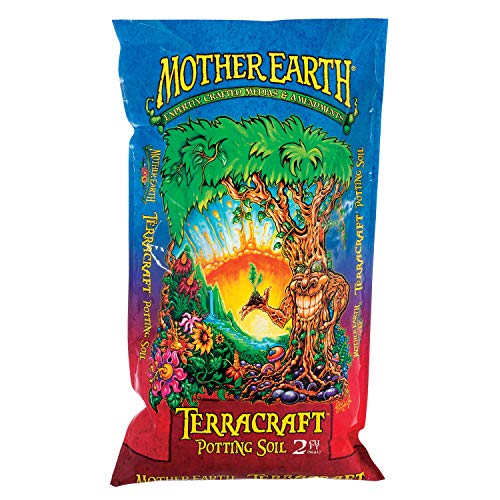
Mother Earth Terracraft Potting Soil 2 cu. ft.

YISZM Green Zeolite Decorative Stones 5 lb

Miracle-Gro Potting Mix, 8 qt. (2-Pack)

MAQIHAN Natural Coconut Fiber for Bonsai

Bacucine Artificial Bird of Paradise Stem Set (6 Pcs)
Bird of Paradise Fertilizer and Soil Bundle, 3-1-2 Concentrate
More Details On Our Top Picks
This bundle pairs a 3-1-2 liquid fertilizer (meaning a nitrogen-phosphorus-potassium ratio of three parts nitrogen to one part phosphorus to two parts potassium, the nitrogen-leaning profile Bird of Paradise foliage craves) with a 2.2-quart premium soil mix. Both pieces are formulated for tropical indoor plants, so you don’t have to second-guess whether a general-purpose blend will keep Strelitzia happy. For someone repotting a young plant into a fresh container, the matched pairing removes the guesswork.
The soil itself contains peat moss, coco coir, perlite (small white volcanic bits that keep the mix from compacting), and dolomite (a mineral that buffers pH and adds calcium and magnesium). That combination drains quickly enough to prevent soggy roots while still holding moisture between waterings, which matters in warm, dry indoor air.
What Helps Most
- Nitrogen-forward 3-1-2 fertilizer supports the large, paddle-shaped leaves Bird of Paradise is grown for.
- Soil ingredients are tuned for tropical plants, so less amending is required on your part.
- Smaller 2.2-quart bag suits a single repot without leaving leftover mix to store.
- Peat and coco coir work together to balance moisture retention with airflow.
Things To Consider
- The 2.2-quart volume runs out quickly for anyone with multiple mature plants.
- You may still want to add extra perlite for very large pots, where the root zone needs more airflow.
Who It Suits Best
First-time Bird of Paradise owners repotting a single plant into a 6 to 10-inch container.
Where Another Pick Suits Better
If you maintain a whole collection of tropicals, FoxFarm Ocean Forest 1.5 cu ft offers more volume per dollar for ongoing care.
FoxFarm’s Ocean Forest has been a long-running favorite for container gardeners, and for good reason. The light, aerated texture comes from a blend that includes earthworm castings, fish meal, and crab meal, along with forest humus and sphagnum peat moss. For a Bird of Paradise, that translates into a mix rich enough to feed mature foliage without sitting heavy around the roots.
The 1.5 cubic foot bag covers several repots or one very large container, so it’s a practical pick if you maintain more than one tropical or run a small indoor jungle. Compared to the smaller Leaves and Soul bundle above, this one trades species-specific guidance for volume and flexibility across many plant types.
Notable Upsides
- Light, fluffy texture resists compaction in deep pots.
- Bulk format works for multi-plant households and small greenhouses.
- Ready to use straight from the bag with no initial mixing.
Honest Caveats
- The strong organic smell at opening is noticeable and fades over a few days.
- Heavier to lift and store than quart-size bags once opened.
Feature Snapshot
Made For
Plant parents repotting multiple tropicals in a single shopping trip.
Skip It When
You only need a small amount for one new plant; the 12-quart FoxFarm bag below is easier to handle.
Same Ocean Forest blend as the larger bag above, just in a 12-quart size that suits a single repot. If you’re moving a Bird of Paradise up one pot size, from a 10-inch into a 12-inch, this volume is plenty without leaving excess to store in a closet. The fish meal, crab meal, and earthworm castings do the slow-feeding work so you don’t need to fertilize as urgently after repotting.
The texture stays light even after a few waterings, which matters for Bird of Paradise since their fleshy roots dislike dense, waterlogged soil. Compared to a heavier outdoor garden soil, this one gives the root ball room to expand without suffocating.
Everyday Advantages
- Manageable 12-quart size fits in a small storage area.
- Same proven FoxFarm blend trusted for container growing.
- Light texture reduces the risk of compaction over time.
Minor Gripes
- For two or more large plants, you’ll burn through this bag quickly.
Right Fit For
Anyone repotting a single Bird of Paradise into a mid-size container.
Look Elsewhere When
You need volume for several tropicals, in which case the 1.5 cu ft FoxFarm above stretches your dollar further.
Mother Earth’s Terracraft leans toward versatility, working for both outdoor patio containers and indoor pots. The blend brings together peat moss, perlite, forest products, and earthworm castings, giving Bird of Paradise the airy root zone it needs whether you’re growing on a sunny deck or near a south-facing window. The included nutrient charge means you can delay your first round of fertilizer for a few weeks after repotting.
The 2 cubic foot format makes this a practical pick for larger outdoor planters, where a tropical Bird of Paradise can really stretch out during warm months. If your plant summers outside and winters indoors, this blend transitions between the two reasonably well.
What Earns Its Place
- Larger 2 cu ft bag handles big patio planters and raised beds.
- Built-in starter nutrients reduce immediate feeding pressure.
- Suitable for both indoor and outdoor tropicals.
A Few Limitations
- Less species-specific than the Leaves and Soul tropical bundle for picky growers.
Best Suited To
Gardeners moving a Bird of Paradise onto a patio or deck for the warm season.
Another Choice May Suit
Strict indoor growers will find the dedicated tropical bundle (Item 1) easier to match to Strelitzia’s preferences.
Zeolite is a porous mineral that holds onto moisture and nutrients while still letting air move through, which is why it’s increasingly popular as both a soil additive and a top-dress. The green stones here are sized for succulents, bonsai, and decorative pots, which means they sit well on top of a Bird of Paradise container as a finishing layer rather than a primary medium. The green tint adds visual depth compared to plain pebbles.
Spread a thin layer across the surface after watering to reduce evaporation and keep the soil from crusting. Compared to bare soil, a zeolite top-dress also helps prevent fungus gnats from laying eggs in the moist upper layer.
Everyday Perks
- Helps retain moisture between waterings in dry indoor air.
- Adds a clean, decorative finish to large tropical pots.
- Reduces surface crusting on peat-heavy mixes.
Points To Keep In Mind
- This is a top-dress or amendment, not a full soil replacement.
- Not a standalone growing medium for the entire root zone.
Who Will Love This
Design-conscious indoor gardeners polishing the look of a large Bird of Paradise pot.
Reach For A Different Pick When
You need actual potting soil to fill a new container; the Leaves and Soul bundle handles that job.
Miracle-Gro’s potting mix is widely available and easy to find, which makes it a common starting point for new plant owners. The formula includes a starter nutrient charge, so newly repotted plants get a feeding head start without immediate extra work. For a Bird of Paradise, this means a forgiving first month while you settle into a watering routine.
The two-pack of 8-quart bags totals 16 quarts, which suits a single medium repot or two smaller ones. Compared to the FoxFarm blends above, this mix is a touch denser, so adding extra perlite is a common adjustment for tropicals that prefer more airflow at the roots.
Everyday Wins
- Easy to find at most garden centers and online.
- Starter nutrients help during the first weeks after repotting.
- Two-pack format balances value with manageable weight.
Trade Offs
- Denser texture than tropical-specific mixes, often needing added perlite for Bird of Paradise.
Feature Rundown
Perfect Match For
Beginner plant parents who want a familiar, easy-to-source mix for their first Bird of Paradise.
Swap It Out When
You want a tropical-tuned blend from the start, in which case the Leaves and Soul bundle (Item 9) is a stronger first choice.
Coconut fiber, also called coco coir, is the long fiber stripped from coconut husks. It holds moisture while staying airy, which makes it a popular amendment for tropical plant mixes. MAQIHAN’s natural fiber comes in long strands rather than the finely ground coir pith, so it’s better suited as a chunky additive than a standalone medium. Mixing a small handful into your Bird of Paradise soil loosens the texture and improves water distribution.
Compared to perlite, which is inorganic and lasts forever, coco fiber breaks down slowly over a few years. For a tropical plant that gets repotted every two to three years, that timeline fits the renewal cycle nicely.
Useful Touches
- Organic, renewable material with no synthetic additives.
- Improves moisture balance in peat-heavy tropical mixes.
- Long fiber form adds structural air pockets in the root zone.
Softer Spots
- Not a complete soil, so it must be combined with a base mix.
- Smaller pack size may run short on large amending projects.
Built With In Mind
Hobbyists who like to blend their own custom tropical soil from raw amendments.
Not Your Match When
You’d rather pour one bag straight into the pot; a ready-to-use tropical blend suits that approach.
Sometimes the answer to “I want a Bird of Paradise” is no Bird of Paradise at all. This set of six faux Strelitzia stems in red lets you capture the tropical silhouette in a windowless office, a dim hallway, or a rental where light is limited. The rubber-like petals feel soft to the touch and the stems can be bent into arrangements, so you can style them in a tall floor vase without a single ray of sun.
For homes where a real Bird of Paradise would struggle, this is a no-maintenance alternative that still delivers that exotic tropical look. It also sidesteps the watering, repotting, and pest questions that come with the real plant.
A Few Strong Suits
- Brings the tropical Bird of Paradise look to low-light or rented spaces.
- Adjustable stems allow custom arrangements in vases or wreaths.
- Zero watering, no soil needed beyond a weighted vase.
Worth Bearing In Mind
- Artificial petals can fade with prolonged direct sun exposure.
- Not a substitute for the air-purifying and growth-reward benefits of a living plant.
Whose Shelf It Belongs On
Anyone decorating a windowless office, event space, or rental with limited natural light.
Where A Sibling Pick Shines
If you actually want a living plant, the Leaves and Soul bundle above sets you up with soil and fertilizer from day one.
This second bundle from Leaves and Soul takes the same tropical-focused approach as Item 1, pairing a 3-1-2 liquid concentrate with a well-draining potting soil. The soil is designed to improve nutrient absorption and support the fertilizer’s efficiency, so the two products are meant to work as a system rather than independently. For someone starting a Bird of Paradise from a small nursery pot, this kit covers the first season in one purchase.
Both items are made in the USA, and the packaging is built to keep the soil fresh between uses. If you’ve been piecing together a tropical mix from separate bags and bottles, consolidating into one bundle simplifies the routine.
Key Advantages
- Soil and fertilizer are designed to complement each other.
- Suitable for Strelitzia reginae, Strelitzia nicolai, and White Bird of Paradise varieties.
- Good fit for seedlings and mature plants in decorative containers.
Practical Considerations
- Bundle size is again modest, so multi-plant households will run out mid-season.
- Liquid fertilizer requires consistent dilution discipline to avoid overfeeding.
Feature Overview
Who Should Grab It
New Bird of Paradise owners who want soil and fertilizer bundled without the guesswork.
A Better Fit Elsewhere
If you prefer to source fertilizer separately or already have a tropical liquid feed you trust, FoxFarm Ocean Forest handles the soil side on its own.
What Matters Most Before Choosing Soils For Bird Of Paradise
Drainage And Aeration Come First
Bird of Paradise has fleshy roots that dislike sitting in water, so a mix with perlite, coco coir, or pumice tends to outperform dense garden soil. In a container with no drainage hole, even the best mix will eventually waterlog the plant. Pick a pot with drainage holes before worrying about the soil brand.
Match The Mix To The Container Size
Small pots dry out quickly and benefit from mixes that hold a touch more moisture. Large containers stay wet longer, so a chunkier, more aerated blend reduces the chance of rot. A young Bird of Paradise in a 6-inch pot has different needs than a mature plant in a 14-inch floor planter.
Look For Tropical-Tuned Ingredients
Peat moss, coco coir, perlite, orchid bark, and earthworm castings all show up in tropical blends for good reason. Peat and coir hold moisture, perlite and bark keep the mix airy, and castings provide slow-release nutrition. Avoid mixes heavy in actual garden loam or topsoil, which compact quickly in pots.
Fertilizer Matters Too
A nitrogen-leaning ratio like 3-1-2 mirrors the nutrients large tropical leaves consume during the growing season. If your soil has no built-in charge, plan to feed every two to four weeks in spring and summer, then ease off in fall and winter.
Key Considerations Across These Picks
Pitfalls Shoppers Hit
Buying a dense outdoor garden soil for an indoor pot is the most common mistake, since garden soil compacts inside containers and traps moisture around the roots. Another is picking the largest bag on the shelf without checking for drainage amendments, since not all “potting” mixes include perlite or bark. Finally, skipping the drainage hole because a decorative pot looks prettier usually ends in root rot within a few months.
Where The Extra Money Goes
Premium tropical blends cost more because they include organic amendments like earthworm castings, fish meal, or coco coir instead of just peat and a synthetic starter charge. The upside is slower, more even nutrition and a lighter texture that holds up over multiple waterings. For one Bird of Paradise, the extra cost pays off across several years of growth. For a whole collection, bulk bags of FoxFarm or Mother Earth spread that premium across more plants.
