

Blueberries ask for a lot from the ground beneath them, and the wrong medium can leave you with yellowing leaves and a single sad berry per branch. You’re not just buying a bag of dirt here, you’re choosing the root environment that decides how well your plants take up iron, magnesium, and the other nutrients that make a blueberry bush actually fruit. Pick a soil that’s too close to neutral and the bush struggles. Get the pH right, keep the texture airy, and you’ll see the difference in the first season. This list walks through ten options worth a look for both in-ground beds and patio containers, so you can match a mix to your climate, your planting style, and how hands-on you want to be with amendments.
Your Options, Compared

Miracle-Gro Potting Mix for Container Plants, 2 cu. ft., 2-Pack

Wonder Soil 30 Quarts Compressed Coco Coir Brick 3-Pack

FoxFarm Ocean Forest Potting Soil 12 Quart

FoxFarm Ocean Forest Potting Soil 2 x 12 Quart Pack
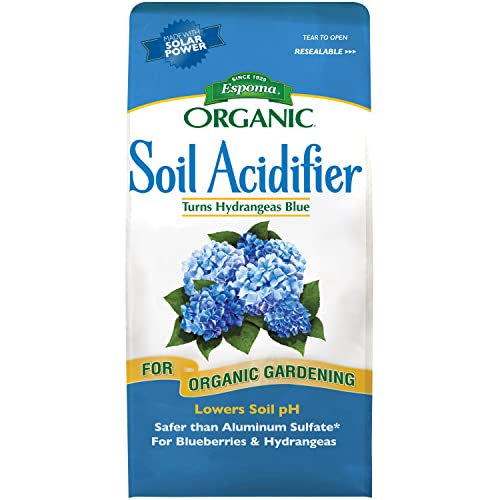
Espoma Organic Soil Acidifier Amendment 6 lb. Bag
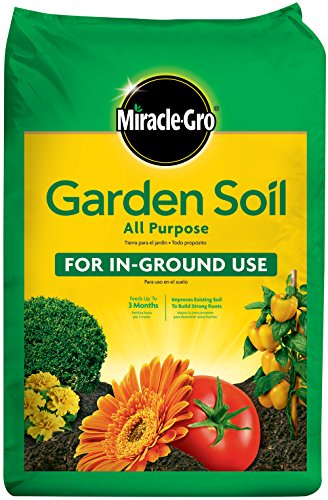
Miracle-Gro Garden Soil All Purpose 1 cu. ft.
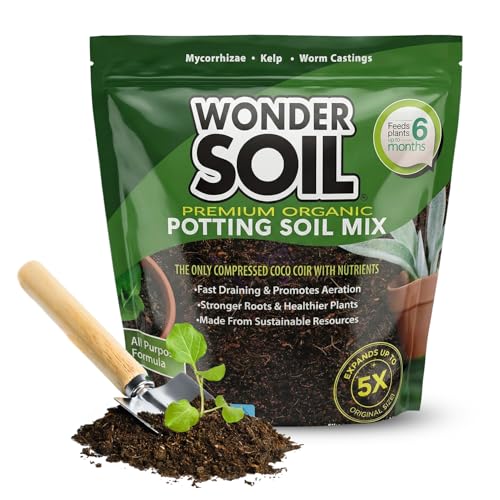
Wonder Soil Organic Potting Soil 12 Quarts Coco Coir

Wonder Soil 72 Quarts Compressed Coco Coir Block

Coast of Maine Acid-Loving Plants Soil 20qt 2-Pack

FoxFarm Strawberry Fields Fruiting and Flowering Soil 1.5 cu. ft.
What Each Pick Brings To The Table
You’re starting a couple of patio blueberries and want a familiar, no-surprise base to pot them in. This two-pack gives you 4 cubic feet of standard container mix, which is enough for two to three mid-size pots without making a second trip. The mix feeds for several months, so the first stretch of growth is covered while the bush settles in. For most casual growers, this is the kind of bag you can actually find locally and trust the consistency of.
It isn’t formulated specifically for acid-lovers, so you’ll want to add sulfur, pine fines, or a true ericaceous (acid-loving plant) amendment if your tap water runs alkaline. Compared to the dedicated blueberry mixes further down the list, this is more of a starting point than a finished bed.
Strong Points
- Two-bag volume covers multiple containers in one purchase
- Continuous-release feeding reduces the need to fertilize right away
- Widely available, so matching the same product later for top-ups is simple
- Light texture suits the shallow, fibrous roots blueberries send out
Things To Consider
- Not acidity-tuned, so you may need supplemental sulfur to hit the pH range blueberries prefer
- Feed claims fade after a few months, and you’ll still need to plan a summer feeding schedule
- Two large bags can be heavy to haul up stairs to a balcony or rooftop setup
Who It Suits Best
First-time container growers in mild climates who want a forgiving base mix and don’t mind adding a separate acidifier.
A Better Fit Elsewhere
Coast of Maine Acid-Loving Plants Soil 20qt 2-Pack suits anyone who’d rather skip the amendment step entirely and start closer to the right pH.
Apartment balconies, small patios, and back stairs all run into the same problem: heavy bagged soil is a hassle to carry up. This three-pack arrives as compact coco coir (a fibrous coconut-husk growing medium) bricks that expand to roughly 30 quarts once you add water, which makes storage and transport much easier than a comparable volume of traditional bagged mix. For most small-space growers, that alone is reason to consider it.
Coir holds moisture while staying aerated, which suits the fine, hair-like root system of blueberry plants. The blend comes pre-loaded with worm castings and other amendments, giving a head start on nutrition. You may find the texture a bit dense if your bushes are in a hot, full-sun spot, in which case adding perlite (a lightweight volcanic rock that improves drainage) helps open it up.
Useful Strengths
- Compressed format is far easier to carry and store than bulky bagged soil
- Peat-free coir base is a renewable alternative to peat moss
- Pre-charged with worm castings so the early growth phase is supported
- Expands to a useful volume without needing a wheelbarrow
Worth Noting
- Soaking the bricks takes a few minutes and a large container, which is a small extra step
- Like the Miracle-Gro mix above, this isn’t pH-adjusted for true acid-lovers and will need a sulfur amendment
- Nutrients from the included amendments may deplete after a single season, so plan a follow-up feeding
Built With In Mind
Patio and balcony growers who want a lighter, easier-to-transport medium and are comfortable mixing in a separate acidifier.
Consider Something Else When
Espoma Organic Soil Acidifier Amendment pairs naturally with this coir if you want the lighter medium plus a targeted pH drop in two steps.
Ocean Forest has built a reputation among indoor and patio growers for a reason. The blend pulls together aged forest products, sandy loam, and sphagnum peat moss (a classic acidifying ingredient), plus fish meal, crab meal, and earthworm castings. That mix gives newly potted blueberries a nutrient-dense start without forcing you to feed immediately.
The texture is light and well-aerated, which matters because blueberry roots dislike compacted or waterlogged conditions. For most backyard setups with a couple of young shrubs, one 12-quart bag fills a single 10- to 12-inch pot. The peat content does help nudge the pH down, though for true acid-soil conditions you may still want a sulfur supplement long term.
Everyday Advantages
- Built-in organic nutrition supports the first few months of growth
- Light, fluffy texture resists compaction in containers
- Peat base provides a natural acidic starting point
- Well-known blend that’s easy to find when you need to top up later
Trade Offs
- The 12-quart size is small for large raised beds, so you’d need several bags
- Strong organic smell at first, which is normal but worth knowing if pots are near open windows
- Not formulated strictly for blueberries, so long-term pH management is still on you
Feature Snapshot
Right Fit For
Container growers who want a richer organic blend and only need enough mix for one or two newly potted shrubs at a time.
Not Your Match When
FoxFarm Ocean Forest Potting Soil 2 x 12 Quart Pack is the better call for anyone potting several bushes at once.
Same proven Ocean Forest blend as the single-bag option above, but bundled as a two-pack. For most backyard setups with a small row of blueberries, this is the more practical size. You get 24 quarts of mix, which covers three to four mid-size containers, all from one purchase. The two-bag pack also tends to keep you from running short mid-project.
Like its smaller sibling, the soil’s peat base helps with acidity, but the long-term pH still depends on your water and your climate. The light, fibrous texture is the real standout, because it stays loose through repeated waterings, which blueberry roots respond to well. If you’ve ever had a container mix turn into a hard brick by midsummer, the difference is noticeable.
The Helpful Details
- Doubled volume suits a multi-bush patio planting
- Pre-charged organic nutrition reduces the need to fertilize early on
- Light, aerated texture holds up across an entire growing season
Honest Caveats
- Two 12-quart bags are still small for raised beds or in-ground amendments
- Peat content can dry out faster in windy or full-sun spots, so mulching helps
- Initial odor is noticeable until the soil settles and dries a bit
Best Suited To
Patio and small-yard growers potting three or four bushes in a single session and wanting the consistency of one trusted blend.
Look Elsewhere When
Wonder Soil 72 Quarts Compressed Coco Coir Block is a better fit for filling raised beds or larger blueberry patches where volume matters more than nutrient density.
This isn’t a potting soil, it’s a soil acidifier, and that distinction matters. Espoma’s amendment combines elemental sulfur (a slow-release acidifying mineral) and gypsum (a calcium sulfate compound that improves soil structure without raising pH) to gently lower the pH of existing beds. Blueberries want soil in the 4.5 to 5.5 range, and most native garden soil sits well above that.
The product is approved for organic gardening, which makes it appealing if you’re avoiding synthetic inputs. For most in-ground plantings, you’d apply this around the root zone and work it into the top few inches of soil before planting. The 6-pound bag covers a meaningful area, and the slow-release action means the effect is gradual rather than a sharp shock to young roots.
Useful Touches
- Specifically formulated to lower soil pH for acid-loving plants
- Elemental sulfur provides a slow, steady acidification over months
- Approved for organic gardening, so it fits naturally with organic bed prep
- Works alongside azaleas, rhododendrons, and hydrangeas too
Points To Note
- Not a standalone growing medium, so it must be paired with a base soil or compost
- Results take weeks to months rather than appearing overnight, so plan ahead before planting
- Exact application rates depend on your starting pH, which a soil test can clarify
Quick Facts
Whose Shelf It Belongs On
Backyard growers with neutral or alkaline native soil who need to actively lower pH before or alongside planting blueberries.
A Better Fit Elsewhere
Coast of Maine Acid-Loving Plants Soil 20qt 2-Pack is the better choice for anyone who’d rather start with a pre-acidified base mix than amend existing soil.
If you’re working a backyard bed rather than containers, an in-ground garden soil like this one is a more natural fit than a potting mix. It’s blended to improve existing native soil, building stronger root systems across a wide range of plants. You work it into the top several inches before planting, and the continuous-release feeding handles the first stretch of growth.
For most in-ground blueberry rows, this is a serviceable base that you then tune with sulfur or an acidifier. The 1 cubic foot size is small for larger plantings, but a few bags cover a respectable bed. The trade-off is the same as the Miracle-Gro Potting Mix: it’s a general-purpose product, not an acid-specific one.
Notable Upsides
- Designed to be tilled into existing garden soil rather than used straight from the bag
- Continuous-release feeding covers several months of growth
- Widely stocked, so you can grab more bags locally if you run short
Some Limits To Know
- All-purpose pH, so you’ll need a separate amendment to bring soil into the acidic range blueberries want
- Smaller 1 cubic foot bag means multiple purchases for medium-sized beds
- Not ideal for containers, where a lighter potting mix is a better fit
Feature Rundown
Made For
Home gardeners establishing an in-ground blueberry row who plan to amend with sulfur and don’t mind buying several bags for a full bed.
Skip It When
Espoma Organic Soil Acidifier Amendment is the more targeted buy if you already have decent native soil and just need the pH correction step.
The single-bag cousin to the larger 30-quart pack above, this 12-quart compressed coir expands into a useful volume of medium with a small footprint before activation. For most growers potting a single blueberry bush on a balcony or a small patio, this size is the right call. You don’t end up with a half-used second bag sitting in a closet for months.
The coco coir base is peat-free, which appeals if you’re trying to avoid peat moss for sustainability reasons. The included worm castings and perlite provide a mild nutrient boost and improve drainage. Coir holds water well, though, so depending on your climate, you may find yourself watering slightly less often than with peat-based mixes.
What Pays Off
- Single-bag size suits one-bush or two-bush plantings
- Compressed format is easy to store and carry to a balcony or rooftop
- Peat-free coir base is a renewable choice for sustainability-minded growers
Practical Considerations
- Needs to be soaked and expanded before use, which adds a setup step
- Not pH-adjusted for blueberries, so supplemental acidifier is still required
- Smaller volume means you’ll need a new bag each time you repot up a size
Perfect Match For
Apartment and small-space growers with one or two patio pots who want a peat-free, easy-to-handle medium.
Swap It Out When
Wonder Soil 72 Quarts Compressed Coco Coir Block is the better value once you’re filling multiple containers or a small raised bed.
The big sibling of the smaller Wonder Soil packs, this single 10-pound compressed block expands to 72 quarts once hydrated. For most backyard growers with a dedicated blueberry patch, that volume is a sweet spot: enough to fill several raised beds or amend an in-ground row, without being so heavy that moving it becomes a chore before you even add water.
The coco coir base is the same peat-free medium as the smaller packs, so the texture and water-holding characteristics are consistent. You still need to add an acidifier to hit the blueberry pH range, but the volume per dollar here is hard to beat for larger projects. Storage before activation is the main consideration, because you need a sizeable container and a hose to do the expansion properly.
Reasons It Performs
- Large expanded volume covers multi-bed or in-ground projects from a single block
- Compressed storage format saves garage or shed space before use
- Peat-free, sustainable coir base across a meaningful volume
Some Limits To Know
- Requires a soaking step with a large tub and several gallons of water before use
- Not pre-acidified, so the sulfur amendment step remains on your list
- Heavy to ship and unwieldy once expanded, so plan a workspace before you start
Feature Snapshot
Who Should Grab It
Backyard growers filling raised beds or a dedicated blueberry patch who want a single, large-volume coir base to work with.
Reach For A Different Pick When
Coast of Maine Acid-Loving Plants Soil 20qt 2-Pack suits anyone who’d rather start with a pre-acidified mix than amend a neutral coir base.
This is one of the few blends on the list that is purpose-built for the acid-loving family rather than being adapted from a general-purpose mix. Coast of Maine’s formulation targets blueberries, rhododendrons, azaleas, hollies, and the rest of the ericaceous crowd, with a low pH that’s already in a useful starting range. That alone removes a step for most home gardeners.
The organic compost base is OMRI-listed (verified by the Organic Materials Review Institute for organic production), which matters if you’re gardening organically or growing edibles. The blend balances moisture retention and drainage, so roots get both water and air. The 20-quart, two-pack format gives you 40 quarts total, which covers a few small to mid-size plantings in a single purchase.
Practical Advantages
- Pre-acidified low-pH blend designed specifically for ericaceous plants
- OMRI-listed organic compost base for organic gardening compliance
- Balanced moisture and drainage suit shallow blueberry root systems
Points To Keep In Mind
- Premium positioning means the per-quart cost is higher than general mixes
- Smaller total volume than the bulk compressed coir options for big projects
- Long-term pH will still drift based on water and amendments, so periodic testing helps
Who Will Love This
Organic-focused gardeners and mixed acid-bed plantings (blueberries alongside azaleas or rhododendrons) who want a purpose-built, ready-to-use blend.
Where A Sibling Pick Shines
Wonder Soil 72 Quarts Compressed Coco Coir Block is the better value for filling large raised beds where volume matters more than pre-acidification.
FoxFarm’s Strawberry Fields blend is designed for the fruiting and flowering stages, which makes it a sensible pick for established blueberry shrubs that are about to set buds. The formulation emphasizes the nutrient balance that supports blooms and fruit, rather than the early root-building focus of the Ocean Forest blend earlier in this list.
The 1.5 cubic foot bag is a useful size for refreshing the soil in one or two large containers, or for top-dressing an established in-ground bed. For most growers, the practical move is to start young plants in Ocean Forest and switch to Strawberry Fields once the bush reaches fruiting age. The trade-off is that fruiting and flowering mixes tend to be more focused on phosphorus and potassium, so leafy vegetative growth early on may be less vigorous.
Real-World Strengths
- Targeted nutrient balance supports bloom set and fruit development
- Useful 1.5 cubic foot size for refreshing one or two large containers
- Pairs naturally with FoxFarm’s earlier-stage Ocean Forest for a two-stage feeding plan
Less-Strong Areas
- Less ideal for young, pre-fruiting plants that need vegetative growth
- Not specifically labeled for acid-loving plants, so pH adjustment may still be needed
- Per-bag cost is higher than general all-purpose garden soil
Feature Card
Built With In Mind
Established, fruiting-age blueberry shrubs that need a bloom-and-fruit-focused refresh rather than a vegetative-growth blend.
Another Choice May Suit
FoxFarm Ocean Forest Potting Soil 2 x 12 Quart Pack is the better pick for gardeners starting young bushes that aren’t yet at fruiting stage.
What Matters Most Before Choosing Soils For Blueberry Bushes
pH Is the Starting Point
Blueberries want soil in the 4.5 to 5.5 pH range, which is meaningfully more acidic than most garden soil. Anything much above 6.0 and the plants struggle to take up iron, which shows up as yellowing leaves with green veins. A simple pH test before planting tells you whether you’re starting close to the right range or need to actively amend. The Coast of Maine blend arrives pre-acidified, while general-purpose options like the Miracle-Gro and Wonder Soil packs rely on you to add sulfur or another acidifier.
Texture and Drainage Matter as Much as Acidity
The shallow, fibrous root system of a blueberry plant needs loose, well-aerated soil. Heavy clay or compacted native soil suffocates the roots and holds too much water, leading to rot. Light, peat- or coir-based blends with perlite or sandy loam stay fluffy through repeated waterings. For most in-ground plantings, working a generous volume of bagged mix into the top 8 to 12 inches of native soil makes the difference.
Container Versus In-Ground Changes the Equation
Container blueberries dry out faster and depend entirely on the bagged mix you choose, so a peat- or coir-based blend with built-in organic matter is the safer bet. In-ground plantings have more flexibility, because you can amend native soil over a wide area. The size of your project also drives volume: a single patio pot needs 10 to 20 quarts, while a backyard patch may need 4 cubic feet or more.
Long-Term Feeding and Watering
No bagged mix covers a bush for its entire lifetime, so plan on supplemental feeding after the first few months and periodic pH checks. Mulch with pine bark, pine needles, or wood chips to keep roots cool and slowly reinforce acidity as the mulch breaks down. Depending on your climate, you may find yourself watering containers more often than in-ground plantings, especially in midsummer heat.
Key Considerations Across These Picks
Mistakes Worth Dodging
The most common error is treating blueberry soil like any other garden bed. Generic all-purpose soil sits at the wrong pH and lacks the organic matter blueberries need to thrive, so the plant survives but never fruits well. A second pitfall is over-fertilizing in the first season, which burns the fine roots and stunts growth before it ever starts. Skip the impulse to “feed it more” and let the plant establish for a full year before pushing hard on nutrients. The honest read is that a modest start in the right soil beats a heavy start in the wrong one.
What The Higher Tier Buys
The premium blends in this list earn their position by arriving pre-acidified, including organic amendments, or being sized for serious volume. The FoxFarm Ocean Forest and Coast of Maine options cost more per quart than general-purpose mixes, but you skip the amendment step and start with a texture that’s been refined for exactly this kind of plant. If you’re only potting one or two bushes, the premium is hard to justify. For a multi-bush planting or an organic-focused garden, the upgrade pays off in the first growing season.
Frequently Asked Questions
What pH do blueberry bushes need?
Blueberries grow best in soil with a pH between 4.5 and 5.5, which is more acidic than most native garden soil. A simple soil test before planting tells you where you stand and whether you need to amend with elemental sulfur or another acidifier.
Can I use regular potting soil for blueberries?
Standard potting soil works as a base, but it usually isn’t acidic enough on its own. Most home growers mix in sulfur, pine bark fines, or peat moss to bring the pH down into the blueberry-friendly range, or start with a pre-acidified blend like Coast of Maine.
How often should I replace the soil in containers?
A two- to three-year refresh is a sensible rhythm for container blueberries, with a top-dress of fresh mix each spring. The fine root system uses the available volume quickly, and nutrients deplete even in the best blends within a couple of seasons.
Do blueberries need fertilizer right away?
A pre-charged mix like FoxFarm Ocean Forest covers the first few months, but after that, an acid-friendly fertilizer formulated for blueberries or azaleas is the safer choice. Avoid standard all-purpose feeds, which often push pH upward over time.
Is coco coir a good choice for blueberries?
Coco coir holds moisture while staying aerated, which suits the fine roots of blueberry plants. It’s peat-free and renewable, though it’s not pre-acidified, so you’ll still need to add sulfur or an acidifier to hit the right pH range.
Final Verdict
Picking the right soil for blueberries comes down to matching your planting style to the mix that solves the most problems upfront. Container growers benefit most from a pre-acidified blend like Coast of Maine, while in-ground gardeners often get farther with an amendment like Espoma’s acidifier layered into a quality base. The honest read is that blueberries reward patience and a correct pH far more than they reward heavy feeding, so start with the soil right and the rest of the season gets easier.
