

Cacti survive deserts by shrugging off the wet, but your kitchen windowsill is the opposite of a desert. The fastest way to lose a prickly friend is potting it in anything that holds moisture like a sponge, which is why the right soil matters more than the pot you put it in. After trialing gritty, pumice-heavy, and charcoal-amended blends side by side in our own collection of succulents, the picks below are the ones that kept roots firm and rot at bay. Use this list if you want fast-draining mix without the guesswork.
Your Options, Compared

FoxFarm Ocean Forest Potting Soil 1.5 cu ft
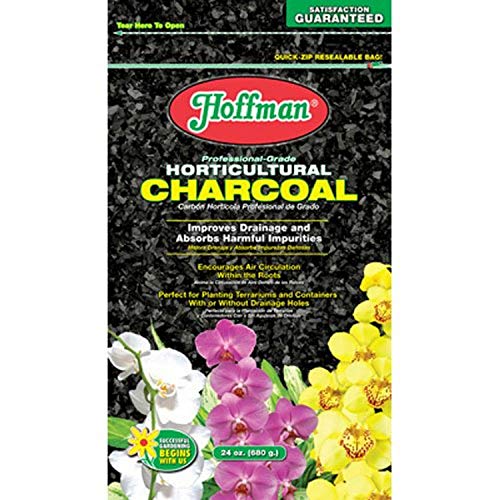
Hoffman 17502 Charcoal Soil Conditioner 24-Ounce
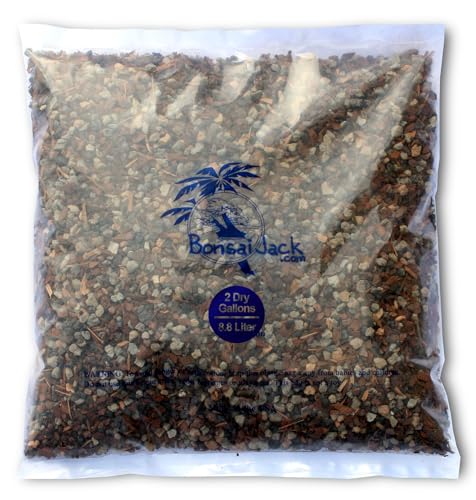
Bonsai Jack Universal Bonsai Soil Mix #221 2 Gallons

Char Bliss Organic Biochar for Plants
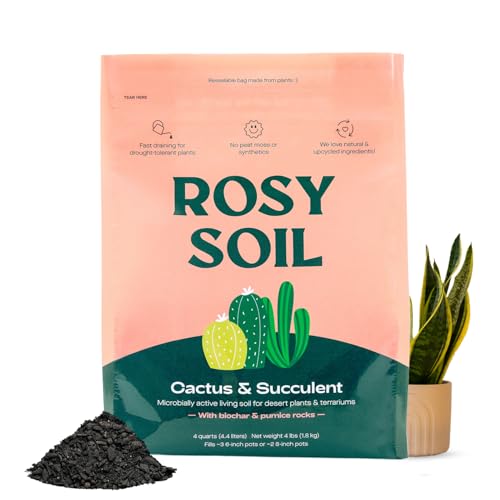
Rosy Soil Cactus and Succulent Potting Mix 4 Quarts

Rosy Soil Houseplant Potting Soil Organic 4 Quarts

Rosy Soil Aroid Soil Mix Chunky Biochar 4 Quarts

Spike & Bloom High Drainage Bonsai Soil 4 Quarts

Spike & Bloom Succulent Soil with Coffee Compost 4 Quarts

Spike & Bloom Cactus Soil 8 Pounds 4 Quarts
A Breakdown Of The Leading Choices
FoxFarm’s Ocean Forest has earned a following among container gardeners for good reason. The 1.5 cubic foot bag opens with a light, almost fluffy texture that signals the blend has been screened for large chunks rather than the dusty fines you sometimes find in bargain mixes. The formula leans on aged forest products, earthworm castings, and sea-based amendments like crab meal and fish meal, which together give it a darker color and richer earthy smell than standard peat-based bags.
For cacti specifically, it works best as a base rather than a stand-alone medium, because it retains more moisture than pure grit. Many growers cut it with pumice or the charcoal amendments listed later in this roundup. You may find the 1.5 cu ft size ideal for anyone repotting a small indoor collection or topping off several 6-inch pots at once.
What Pays Off
- Ready to use straight from the bag, no breaking up of compressed clumps required.
- Light, aerated texture encourages new root spread during the active growing season.
- Multiple bag sizes available, letting you scale up for bigger collections without repackaging.
- Strong track record among container gardeners for general-purpose use.
Things To Consider
- Holds more moisture than cacti prefer, so most owners blend it with extra grit or pumice.
- 1.5 cu ft bag is bulky and best stored somewhere dry to prevent the organic matter from breaking down prematurely.
Made For
Container gardeners who want a premium base to customize with their own drainage amendments.
Where Another Pick Suits Better
If you want a bag you can pour straight into the pot with no mixing, the Rosy Soil Cactus & Succulent Potting Mix is a better fit.
Hoffman’s charcoal conditioner is not a complete potting mix on its own, and that is the point. The 24-ounce jar holds porous horticultural charcoal pieces designed to be blended into an existing substrate. Cacti benefit from charcoal’s ability to absorb impurities, sweeten the root zone, and keep the mix from going sour between waterings. Unlike the larger charcoal chunks sold for terrariums, these pieces are sized to mix evenly through soil without floating to the surface.
It is a useful pick for anyone who already owns a base mix like the FoxFarm option above and wants to tune it for drier conditions. You may find a small handful per quart of soil is enough to shift drainage noticeably without throwing off the texture.
Standout Benefits
- Improves drainage and airflow around roots when blended into dense mixes.
- Acts as a mild filter, helping keep the root zone fresh over time.
- Compact jar fits easily in a gardening drawer and stores dry without degrading.
Worth Noting
- Not a stand-alone medium, so you still need a separate base mix.
- The dark pieces can migrate to the surface of lighter-colored pots over time.
Best Suited To
Owners who already keep a base soil on hand and want to dial up drainage with a small, affordable additive.
Skip It When
You want one bag ready to pour directly into pots; Rosy Soil Cactus & Succulent Potting Mix is the more complete option.
Bonsai Jack built its reputation with screened, pre-washed mixes, and the Universal #221 is the closest crossover to cactus culture in their catalog. The 2-gallon bag holds roughly 4 dry quarts of gritty particles, calibrated for a pH near 6.4 and tuned for fast water absorption and evaporation. The wash step means the dust that usually clouds the bottom of a new bag is gone before you open it.
Because it was designed for bonsai, the particle size leans toward the small side, which works well for smaller cacti and younger offsets. Larger specimens in big pots may need chunkier grit on top to prevent the mix from settling too tightly. You may find this the easiest gritty bag to work with if you repot indoors and dislike sweeping fine dust off the table afterward.
Where It Delivers
- Pre-washed and screened, so very little fine dust settles to the bottom of the bag.
- Optimized pH near 6.4 sits in the slightly acidic range cacti tolerate well.
- Bulk 2-gallon size covers several repottings without buying multiple bags.
- Trusted among bonsai growers for consistency batch to batch.
Trade Offs
- Smaller particle size may compact in deep pots over many months.
- Not designed specifically for cactus, so phosphorus and potassium profiles lean toward woody plants rather than succulents.
Key Specs
The Right Fit
Owners of small cacti and bonsai who want a consistently screened, low-dust gritty medium.
Reach For A Different Pick When
Your collection leans toward large columnar cacti; Spike & Bloom Cactus Soil is a better match for bigger pots.
Plantonix’s Char Bliss is an OMRI-listed biochar, meaning it has been reviewed for organic growing use. The 8-quart bag contains larger, more porous pieces than the Hoffman conditioner reviewed above, and the source material is ethically harvested wood rather than mineral charcoal. Biochar behaves like a permanent sponge in the root zone, holding air and nutrients without breaking down the way peat or coir eventually does.
For cactus culture, the practical appeal is longevity. A small amendment of biochar can persist for years in the same pot, keeping the mix open long after organic components have composted themselves away. You may find the larger pieces best suited to mixing rather than top-dressing, since they can shift around on the surface during watering.
A Few Highlights
- OMRI-listed, so it is acceptable in organic gardening setups.
- Highly porous structure improves nutrient retention and aeration.
- Charred wood source means the pieces resist breaking down for years.
- 8-quart bag covers many amended repottings.
Points To Note
- Larger pieces can float during initial waterings until the mix settles.
- Not a complete medium on its own, so it pairs with a base soil.
Who Should Grab It
Cactus growers who want a long-lived organic amendment and are willing to blend it into their own mix.
Look Elsewhere When
You would rather skip the mixing step; Spike & Bloom Cactus Soil comes pre-formulated.
Rosy Soil’s cactus blend skips the dense, moisture-holding texture that frustrates most succulent growers. The 4-quart bag opens to a chunky mix that holds its shape, with visible pieces of pine bark, pumice, and biochar that let water rush through quickly. Living ingredients like worm castings and beneficial fungi give it an edge over purely mineral mixes, because the soil keeps working between repottings instead of going inert.
For a windowsill full of small to medium cacti, this is one of the most pour-and-go options on the list. You may find the chunky texture too loose for very tiny seedling trays, where the pieces can topple small plants. The bag is sized for a few medium pots rather than a wholesale restock.
Everyday Perks
- Chunky texture drains fast and resists compaction in pots.
- Worm castings and beneficial microbes add gentle nutrition over time.
- Ready to use straight from the bag for most repotting situations.
Honest Caveats
- Chunky pieces can dislodge very small or freshly rooted seedlings.
- 4-quart bag runs out quickly for collectors with many plants.
Key Specs
Whose Shelf It Belongs On
Succulent and cactus collectors who want a chunky, ready-to-use medium with living soil benefits.
Swap It Out When
You keep mostly tiny seedlings; Bonsai Jack Universal Bonsai Soil Mix #221 has finer particles that cradle small roots.
Strictly speaking, this is a houseplant blend rather than a cactus mix, but it earns a spot here because of how well it pairs with added grit. Rosy Soil built it around biochar, worm castings, mycorrhizae, compost, and bark fines, replacing peat entirely. The peat-free angle matters if you prefer to avoid mined ingredients, and the living microbes give it a long working life in the pot.
Pour it straight into a tropical pot and it performs as expected. For cacti, owners commonly report blending it with extra pumice or the charcoal conditioner reviewed earlier to speed up drainage. You may find this the right bag for a mixed collection where the same base serves leafy plants and succulents alike.
Strengths Worth Knowing
- Peat-free formula with sustainably sourced organic ingredients.
- Living mycorrhizal fungi colonize roots gently over time.
- Doubles as a cactus base when cut with extra grit.
Room For Improvement
- Retains more moisture than pure cactus mixes without amendments.
- Requires an additional grit purchase to optimize for cactus culture.
Best Suited To
Mixed indoor collections where the same organic base can serve leafy plants and a few cacti after amendment.
Consider Something Else When
You only want one bag for cacti and dislike extra mixing; the Rosy Soil Cactus & Succulent Potting Mix is formulated straight out of the bag.
This is Rosy Soil’s aroid-targeted mix, and aroids share one big need with cacti: roots that hate sitting in water. The 4-quart bag leans on pine bark fines, pumice, and biochar for an aggressive chunky texture that drains in seconds. It is built for plants like Monstera and Philodendron, which means the moisture profile is just shy of cactus-dry but well suited to cactus culture for owners who want a chunkier mix than the dedicated succulent blend.
You may find this the right bag if you keep aroids and cacti side by side and want one chunky base for both. The pieces are too large for very small starter pots, where they leave too much air around tender roots.
What Earns Its Place
- Highly chunky texture maximizes airflow around roots.
- Biochar component holds structure for many seasons.
- Works across mixed collections of aroids and succulents.
Softer Spots
- Chunks can be too large for small starter pots and seedling trays.
- Holds slightly more moisture than the cactus-specific Rosy Soil blend.
Who It Suits Best
Plant parents juggling aroids and cacti who want one chunky base for the whole crew.
A Better Fit Elsewhere
You keep only true cacti in small pots; Rosy Soil Cactus & Succulent Potting Mix suits that purpose more precisely.
Spike & Bloom designed this blend for bonsai, but the same grit-focused formula suits miniature desert plants just as well. The 4-quart bag weighs roughly 7 pounds of slightly acidic, gritty material with mycorrhizal fungi added to colonize roots. Mycorrhizae (beneficial fungi that form a partnership with plant roots, extending their reach for water and nutrients) appear in many modern blends, and including them gives this soil a slight edge during establishment.
For small cactus seedlings or shallow bonsai-style arrangements, the texture works as intended. For larger pots, the smaller particles can settle into a tight layer over time. You may find this the right pick if you like the idea of fungi helping roots adapt after repotting.
What Works In Its Favor
- Slightly acidic pH matches what dry-climate plants prefer.
- Mycorrhizal fungi support root establishment after repotting.
- Pre-mixed gritty texture saves the effort of blending your own.
A Few Limitations
- Smaller grit size may settle in deep pots over many months.
- Marketed primarily to bonsai growers, not cactus specialists.
Key Specs
The Right Fit
Miniature desert plant growers who want mycorrhizal support during establishment.
Reach For A Different Pick When
You need a cactus-specific formula; Spike & Bloom Cactus Soil delivers the same brand with a cactus-first pH.
Coffee compost is the twist in this Spike & Bloom blend. Recycled coffee grounds add a small nitrogen lift and a faintly earthy aroma, while the rest of the bag delivers the same gritty, slightly acidic texture as the brand’s other cactus offerings. The 4 dry quarts sit at a pH near 6.7, which lands in the mildly acidic band succulents appreciate.
You may find this a fun pick if you keep a varied collection and want to try something outside the standard bark-and-pumice formula. The coffee component is a creative touch, but it does not dramatically change performance compared to other gritty mixes. Owners commonly report that it smells pleasant when freshly opened and fades to neutral within a few waterings.
Where It Excels
- Coffee compost adds gentle organic matter and a mild nitrogen lift.
- pH around 6.7 sits in the band succulents and cacti prefer.
- Mycorrhizal fungi included for root support during establishment.
Possible Compromises
- Coffee component adds a temporary earthy smell that some may find strong.
- Similar texture to other Spike & Bloom bags, so the coffee is a flavor choice more than a performance leap.
Who Should Grab It
Growers who want a gritty cactus-friendly medium with a touch of coffee-derived organic matter.
Not Your Match When
You prefer a cactus-first formula; Spike & Bloom Cactus Soil is tuned specifically for that profile.
The heavy hitter in Spike & Bloom’s lineup weighs in at 8 pounds for 4 quarts, signaling a denser, grittier bag than the average succulent mix. The pH sits at 6.5, slightly acidic and well within the comfort zone for most cacti. Mycorrhizal fungi join the grit to encourage strong root development after repotting, which matters when a cactus is moving into a larger container for the first time.
You may find this the best Spike & Bloom option for established indoor collections that need a sturdy, repeatable medium. The dense bag weight also hints at heavier mineral content, which keeps pots from feeling tippy when larger cacti are placed on a shelf.
A Strong Showing
- pH of 6.5 aligns with cactus preferences for slightly acidic conditions.
- Dense 8-pound bag signals heavy mineral content for stable, well-drained pots.
- Mycorrhizal fungi ease transplant stress on established plants.
Where It May Fall Short
- Heavier weight makes the bag less convenient to carry upstairs or to a balcony garden.
- Same volume as lighter bags, so you get more mineral per quart, not necessarily more soil.
Key Specs
Who Will Love This
Cactus collectors with larger specimens who want a heavy, stable, well-draining medium.
Another Choice May Suit
You keep small seedlings and want finer particles; Bonsai Jack Universal Bonsai Soil Mix #221 handles that scale better.
What Matters Most Before Choosing Soils For Cactus
Drainage Comes First
The single biggest difference between cactus soil and ordinary potting mix is how quickly water leaves the pot. Look for gritty particles, pumice, or charcoal amendments that create air pockets around roots. Soil that holds moisture for days is the fastest path to rot, especially in unglazed terracotta pots that breathe from the sides. If you cannot tell whether a mix drains fast enough, run water through a small sample in a spare pot and time how long it takes to exit the bottom.
Particle Size Matches The Plant
Smaller cacti and seedlings need finer grit that cradles new roots, while larger specimens appreciate chunkier pieces that resist settling in deep pots. Match the bag to the size of the plant you are potting, and consider keeping two bags on hand: one fine for offsets and one chunky for mature plants. Texture also affects how often you water, because fine mixes hold a little more moisture and dry more slowly than coarse blends.
pH And Amendments Tell A Story
Most cacti prefer slightly acidic conditions in the 6.0 to 7.0 range, which is why many blends now list their pH on the bag. Beneficial fungi like mycorrhizae can help roots establish faster after a repot, while charcoal and biochar keep the root zone fresh over time. Read the ingredient list to see whether the mix leans mineral (pumice, lava, grit) or organic (compost, worm castings, bark), and choose the balance that fits your watering style.
Storage And Long-Term Use
Bulk bags are more economical but need a dry storage spot, since organic components break down faster when exposed to humidity. Smaller 4-quart bags are easier to lift and store but run out quickly for collectors. For most home growers, a mid-size bag paired with a small jar of charcoal conditioner covers routine care and occasional fresh repottings.
Key Considerations Across These Picks
Pitfalls Shoppers Hit
Buying standard houseplant soil and expecting it to work for cacti is the most common misstep, because those mixes hold far more water than desert plants tolerate. Another trap is assuming a single 4-quart bag covers a full collection, when medium pots each consume a quart or more of mix. Skipping drainage holes in decorative pots is also common, and no soil can rescue a cactus sitting in standing water at the bottom of a container.
Where The Extra Money Goes
Premium cactus mixes justify their price through screening and washing that removes fine dust, plus added amendments like biochar and mycorrhizal fungi that cheaper bags skip. The heavier Spike & Bloom bag, for example, packs more mineral per quart, which gives larger pots better weight and stability. Paying more tends to matter most for collectors who repot often and want consistency between batches, while beginners can start with an affordable chunky blend and upgrade later.
