

Caladiums reward growers who pay attention to what sits below the surface. These tropical foliage plants crave a loose, humus-rich mix that holds moisture without staying soggy, drains quickly around the tubers, and breathes well enough to keep roots from rotting during humid stretches. Picking soil off the shelf without thinking about texture, organic content, and drainage usually ends in yellowing leaves or mushy corms, so the right blend saves a season of disappointment.
This roundup pulls together ten options worth considering, from organic-rich general mixes to fast-draining cactus blends that work well as a base. Some are tailored for houseplants and seedlings, others lean toward succulents but adapt beautifully when amended with compost. The goal is to help you match soil texture, water behavior, and nutrient density to your caladium-growing setup, whether that is a shaded patio pot, an indoor windowsill, or a partial-shade garden bed.
A Snapshot Of The Selections
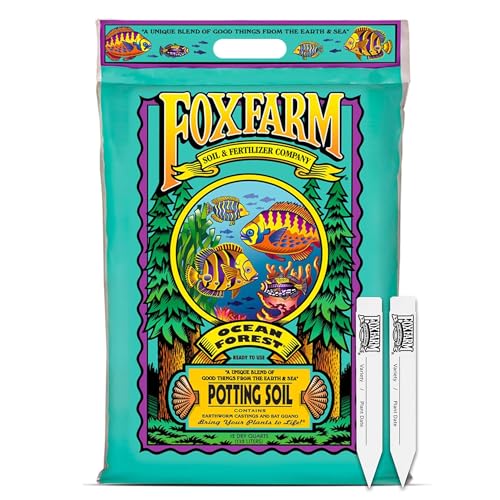
FoxFarm Ocean Forest Potting Soil with Plant Tags, 12 Quarts

MICRO LANDSCAPE DESIGN Lithops Soil Mix, 3 lb
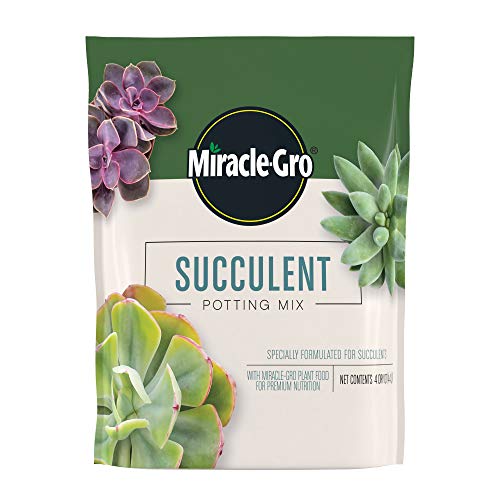
Miracle-Gro Succulent Potting Mix, 4 qt.

Miracle-Gro Cactus, Palm & Citrus Potting Mix, 8 qt.

Miracle-Gro Moisture Control Potting Mix, 8 qt. (2-Pack)
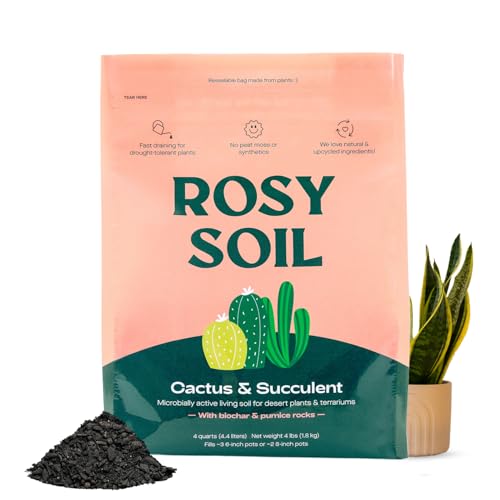
Rosy Soil Cactus & Succulent Potting Mix, 4 Quarts
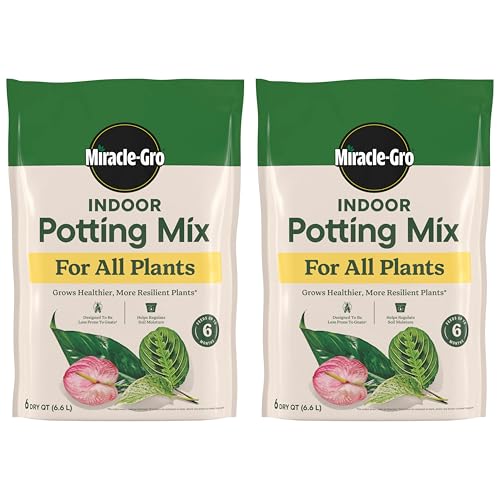
Miracle-Gro Indoor Potting Mix for All Plants, 6 qt., 2-Pack

FoxFarm Ocean Forest Potting Soil for Container Gardens, 12 Quart

Miracle-Gro Indoor Potting Mix, Blended for Houseplants, 6 qt.
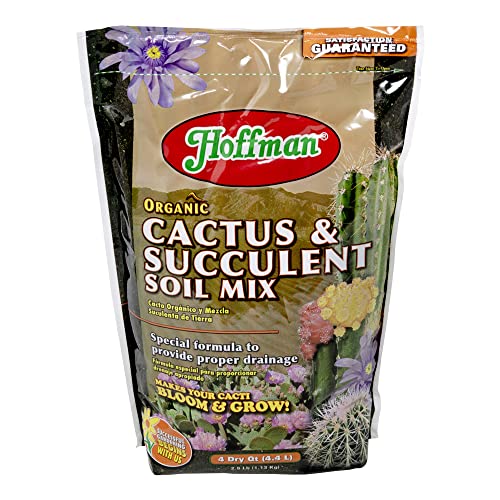
Hoffman 10404 Organic Cactus and Succulent Soil Mix, 4 Quarts
A Closer Look At Each Pick
This FoxFarm blend opens the list because it handles caladiums’ two competing needs almost on its own: moisture retention through the heat of summer and enough porosity to keep tubers from sitting in standing water. The light, fluffy texture means newly sprouted corms push through without resistance, which matters when you are staring at the pot wondering whether anything is happening down there.
For most backyards, the included fish meal, crab meal, and earthworm castings give young plants a steady nutrient push without the need to feed immediately. You can pot up tubers straight from dormancy and skip the starter fertilizer. The two included plant tags are a small but genuinely useful touch for anyone juggling several caladium varieties, since “Pink Beauty” and “Miss Muffet” look identical as bare corms.
Where It Excels
- Aerated texture helps prevent tuber rot during humid stretches
- Organic amendments feed young plants for the first several weeks
- Ready to use right out of the bag with no mixing required
- Light enough for indoor containers yet substantial for patio pots
- Bonus plant tags help track variety and planting dates
Things To Consider
- 12 quarts may run short for larger garden bed plantings
- Nutrients deplete mid-season for heavy feeders, requiring supplemental feeding
Who It Suits Best
Container gardeners starting caladiums from dormant tubers in moderate climates will find this blend ready-to-go and forgiving through weather swings.
Where Another Pick Suits Better
Growers filling wide garden beds or large planter groupings may get more value from the larger-volume Miracle-Gro Cactus, Palm & Citrus Potting Mix instead.
On paper, a lithops mix looks like an odd fit for caladiums. In practice, the airy structure and fast-draining character solve a real problem for growers dealing with heavy bagged soils that compact after a few waterings. Mixed at roughly one part lithops blend to two parts organic potting soil, it lightens the texture without starving caladiums of nutrients.
The bonus live mini lithops is a charming extra, though the real value lies in the blend itself. Perlite and coarse mineral content keep air pockets open, and depending on your climate, this added drainage can be the difference between thriving foliage and a tuber that quietly rots during a wet week.
Advantages To Know
- Excellent drainage keeps roots oxygenated during humid weather
- Mineral-rich texture supports strong root anchorage
- Useful amendment for loosening up dense, peat-heavy mixes
Honest Caveats
- Too lean and fast-draining to use alone for caladiums
- Only about 2 quarts, so it works as a supplement rather than a base
- The bonus lithops arrives separately and needs its own care routine
Made For
Experienced growers who like customizing their own blend and want a quality drainage amendment to mix into richer base soils.
Not Your Match When
Anyone wanting a single-bag solution should look at the Rosy Soil Cactus & Succulent Potting Mix, which already has the chunky texture built in.
This succulent blend sits in a useful middle ground for caladium growers. The texture is light and gritty enough to prevent the soggy-pot syndrome that kills tubers, yet it still holds enough moisture to keep caladium leaves from wilting on a hot afternoon. For indoor windowsill setups, that balance saves a lot of fiddling.
Compared to the FoxFarm Ocean Forest Potting Soil with Plant Tags, this mix is leaner on organic content, so supplementing with a dilute liquid feed during peak growth pays off. You may find the smaller 4-quart bag perfect for one or two pots, though larger collections will need multiple bags.
A Strong Showing
- Quick-draining formula reduces risk of tuber rot
- Lightweight composition suits small indoor containers
- Widely available and consistent from bag to bag
Points To Keep In Mind
- Dries out faster than richer mixes during peak summer
- Lower nutrient density means you’ll likely need to fertilize sooner
Best Suited To
Beginners repotting a few caladiums indoors who want forgiving drainage without the higher cost of premium blends.
Skip It When
Growers wanting richer organic content from the start will appreciate the FoxFarm Ocean Forest Potting Soil with Plant Tags more for a single purchase.
The 8-quart size gives this blend a clear edge for anyone filling bigger planters or grouping multiple caladiums together. The fast-draining formula combines sphagnum peat moss, sand, perlite, and forest products, which together create a loose medium that resists compaction over a full growing season.
The added plant food means less initial worry about feeding schedules, though most caladium growers still top-dress with compost or a balanced fertilizer mid-summer. In our view, the real appeal here is volume: a single bag covers several medium pots, so you are not running back to the store mid-project.
Useful Highlights
- Generous 8-quart volume for multi-pot plantings
- Fast-draining texture suits caladiums’ moisture needs
- Enriched with starter plant food for early growth
Trade Offs
- Heavier bag to carry and store than quart-sized options
- Drainage may be too aggressive for cooler or shadier setups
The Right Fit
Patio gardeners with several pots or a shaded border bed will appreciate the volume-to-cost balance of this larger bag.
Reach For A Different Pick When
Indoor growers with only one or two pots will find the 4-quart Miracle-Gro Succulent Potting Mix more practical and easier to handle.
Caladiums sulk when their soil swings from bone-dry to dripping wet, and this moisture-control blend specifically targets that problem. The AquaCoir formula absorbs a meaningful amount of water and releases it slowly, which is exactly what caladiums want during hot spells when pots dry out fast.
For outdoor containers in sunny or windy spots, this blend removes some of the guesswork from watering. The two-pack format also helps anyone managing a full season’s worth of repotting without needing to source more bags later. Depending on your climate, though, the added water retention can be too much in cool or shaded conditions where soil already stays damp.
What Helps Most
- Absorbs and holds extra water for slow release between waterings
- Two-pack covers a full season of repotting needs
- Forgiving for gardeners who occasionally forget to water
- Feeds plants for several months right out of the bag
Small Caveats
- Too moisture-retentive for very humid climates without added perlite
- Bags are bulky to store in small garden sheds
Key Specs
Who Should Grab It
Growers in warm, dry regions who battle fast-drying pots and want a blend that buys them time between waterings.
Swap It Out When
Anyone in a humid climate or with already-moist shaded beds will find the FoxFarm Ocean Forest Potting Soil with Plant Tags a better-balanced starting point.
Rosy Soil takes a different approach from the typical cactus blend by leaning into chunky texture and active biology. Beneficial fungi, microorganisms, and worm castings come together in a mix that stays loose rather than collapsing after a few waterings. For caladiums, that structure is a quiet advantage you appreciate over time.
The honest read is that this blend costs a bit more per quart than mainstream options, but it doubles as both base and amendment. You can use it straight for caladiums in small pots or blend it into denser mixes to improve drainage and biological activity.
Good Reasons To Consider
- Chunky texture resists compaction across a full season
- Living biology supports nutrient cycling around roots
- Works as a base or as a texture-improving amendment
Points To Note
- Higher per-quart cost than basic cactus mixes
- Smaller 4-quart bag means frequent repurchasing for big projects
Perfect Match For
Organic-minded growers who want biologically active soil and don’t mind paying a little extra for better structure.
A Better Fit Elsewhere
Budget-focused shoppers potting up many containers at once may prefer the Hoffman 10404 Organic Cactus and Succulent Soil Mix for the same general purpose at a lower cost.
Indoor caladiums live in a different world than their outdoor cousins: less airflow, less light, and more risk of fungus gnats. This indoor blend sidesteps the gnat problem by skipping compost and bark in the formula, and the coconut coir helps the soil re-wet evenly when it dries out. For anyone who has battled little flies indoors, that matters.
The balanced sphagnum, coir, and perlite blend keeps moisture steady without staying soggy. Compared to the moisture-control mix above, this one trades some water retention for lighter weight and indoor-friendly ingredients.
Well-Handled Touches
- Formulated without bark or compost to deter fungus gnats
- Coir helps soil re-wet uniformly after drying
- Two-pack covers several houseplant-sized containers
Worth Bearing In Mind
- Less nutrient-dense than outdoor mixes, so feeding still matters
- Not specialized for caladiums specifically, so amending may help
Whose Shelf It Belongs On
Apartment growers and indoor plant collectors who want a clean, lightweight mix for caladiums kept as houseplants year-round.
Consider Something Else When
Growers wanting a richer, organic-forward blend for outdoor containers will do better with the FoxFarm Ocean Forest Potting Soil for Container Gardens.
This is the sibling bag to the FoxFarm entry that opened the list, and it shares the same blend without the included plant tags. If you already have labels or don’t need them, this version lets you put the savings toward more soil. The aged forest products, sandy loam, and sphagnum peat moss combination delivers the same airy texture caladiums prefer.
The ocean-forest recipe earns its reputation by balancing drainage and nutrient density better than most general-purpose mixes. For a long container season, the worm castings and other organic amendments keep feeding roots steadily, though most growers still top up with liquid feed once foliage is fully developed.
Positive Points
- Same proven FoxFarm blend in a tag-free, slightly larger format
- Strong aeration for healthy tuber development
- Nutrient-rich from organic amendments right out of the bag
Where It Is Less Suited
- No plant tags included for those who want to label varieties
- Organic smell is noticeable for a day or two after potting
Feature Snapshot
Built With In Mind
Long-season container growers who repot multiple caladiums each spring and want a proven, nutrient-rich blend without extras they don’t need.
Look Elsewhere When
Anyone who values the included plant tags for organizing varieties should pick the FoxFarm Ocean Forest Potting Soil with Plant Tags, 12 Quarts instead.
For caladiums grown strictly as indoor plants, the six-month feeding window is the standout feature here. You pot up the tuber, water it in, and largely forget about fertilizer schedules until the leaves start to fade in fall. The blend also avoids compost and bark, which keeps fungus gnats from setting up shop.
The coconut coir component deserves a mention because it helps the soil re-wet evenly after drying cycles, which indoor pots go through constantly. Compared to the Miracle-Gro Indoor Potting Mix for All Plants covered earlier, this single-bag option suits smaller collections where a 2-pack would be overkill.
Useful Touches
- Built-in feeding covers up to six months of growth
- No bark or compost reduces fungus gnat attraction
- Coir helps soil rehydrate evenly between waterings
Some Limits To Know
- Smaller 6-quart bag covers only a few small pots
- Slow-release feeding can’t fully replace liquid feed for heavy summer growth
Right Fit For
Low-maintenance indoor gardeners who want fewer fertilizer applications across a full caladium growing season.
Another Choice May Suit
Anyone growing caladiums outdoors in containers will get more value from the Miracle-Gro Cactus, Palm & Citrus Potting Mix, 8 qt., which is geared for larger volumes.
Hoffman’s cactus and succulent mix rounds out the list as a no-fuss, ready-to-use option that works surprisingly well for caladiums when blended with compost. The pH-balanced formula is professionally blended for jungle and desert cacti, which sounds mismatched until you realize caladiums share the same drainage-first preference.
For beginners who want something they can grab off the shelf without second-guessing, this is a sensible starting point. The 4-quart bag is manageable to carry and store, though larger projects will require several. Owners commonly report good sprouting results when amending it with a bit of worm castings.
Strengths Worth Knowing
- Ready to use immediately with no extra mixing
- pH-balanced to support root development
- Affordable entry point for new caladium growers
Practical Considerations
- Lean on its own, so amending with compost improves results
- Smaller bag means multiple purchases for big plantings
Feature Rundown
Who Will Love This
First-time caladium growers who want a simple, affordable bag to start with and don’t mind mixing in extra organic matter.
Where A Sibling Pick Shines
Caladium growers wanting richer organic content from the start will appreciate the FoxFarm Ocean Forest Potting Soil with Plant Tags, 12 Quarts more for a single, fuller solution.
Getting The Mix Right Before You Plant
Caladiums are not picky about brand names, but they are unforgiving about soil structure. The single most important attribute is drainage that still holds some moisture, since tubers rot quickly in soggy conditions but shrivel in bone-dry pots. A loose, peat-based mix amended with perlite, sand, or pine bark usually hits the mark. Organic content matters too: worm castings, compost, or aged forest products give foliage the steady nutrient push that produces vivid colors instead of pale, washed-out leaves.
Drainage First, Nutrients Second
Tubers and roots need oxygen as much as they need water, and a mix that drains freely prevents the anaerobic conditions where rot takes hold. Aeration refers to how much air space exists between soil particles; a well-aerated mix feels crumbly rather than dense in the hand. Cactus and succulent blends get this right out of the gate, while all-purpose mixes often need a perlite boost.
Match The Mix To Your Climate
Hot, dry patios call for moisture-retentive blends that buy time between waterings. Humid coastal gardens do better with extra drainage to shed excess water quickly. Indoor windowsills sit somewhere in between, where lighter indoor mixes prevent soggy pockets in low-airflow rooms.
Texture Matters More Than Label
A bag labeled “houseplant mix” can still be too dense for caladiums, and a “cactus” blend can still work with a handful of compost stirred in. Always check the texture by squeezing a fistful: it should hold shape loosely, then crumble apart when poked. That quick test beats any marketing claim on the front of the bag.
Key Considerations Across These Picks
Mistakes Worth Dodging
The most common slip-up is grabbing any general-purpose potting soil without checking drainage. Caladiums planted in dense, peat-heavy mixes often yellow and decline within weeks. Another trap is assuming cactus mix works straight out of the bag for tropical foliage; it usually needs organic matter added back in to feed the plants.
Where The Extra Money Goes
Premium blends earn their cost through better texture, organic amendments, and biological activity that basic mixes skip. For a single decorative pot, the difference is hard to notice. For a full patio of caladiums across a long growing season, the richer blend reduces feeding work and supports fuller foliage, which is when the upgrade quietly pays off.
Frequently Asked Questions
Can caladiums grow in regular potting soil?
Standard all-purpose potting soil works for caladiums, but only if it drains well. Adding perlite or coarse sand improves texture and helps prevent tuber rot during humid weather.
How often should caladiums be watered?
Caladiums like consistently moist soil during active growth, so water when the top inch feels dry. Reduce watering once leaves fade in fall, since dormant tubers prefer drier conditions.
Do caladiums prefer acidic or alkaline soil?
Caladiums tolerate a wide pH range but grow best in slightly acidic to neutral soil, roughly between 5.5 and 6.5. Most balanced potting mixes fall within this window naturally.
Can I reuse caladium soil next year?
Reusing soil is fine if you refresh it with new compost and check for compaction. Old soil loses structure and nutrients over time, so blending in fresh mix keeps next year’s tubers happy.
Should caladium tubers be planted in wet or dry soil?
Plant tubers into slightly moist soil and wait to water again until growth appears. Overwatering before sprouting is the most common cause of tuber rot in early spring.
The Takeaway
Caladiums reward growers who think about drainage and organic content before they think about brand. The picks above cover everything from rich ocean-forest blends to lean cactus mixes, and the right one depends on your climate, pot size, and how much amending you want to do. Match the texture to your conditions, and most of the work is already done before the first leaf unfurls.
