

A healthy cherry tree starts with the medium its roots sit in. Sweet and sour cherries both want deep, well-drained ground with a slightly acidic to neutral pH, steady organic matter, and air pockets that keep water from pooling around the root crown. The right soil sets the tone for blossom set, fruit size, and how your tree handles a wet spring or a dry August.
This roundup focuses on the soil products that actually work for cherry trees: ready-to-use mixes, drainage amendments like perlite, and nutrient boosters you can fold into native ground. Whether you’re planting a single sapling in a half-whiskey barrel or establishing a small backyard row, these options cover the realistic situations home growers face.
An Overview Of The Picks

Legigo 4 Quarts Organic Perlite Soil Mix Amendment

Wonder Soil 30 Quarts Compressed Coco Coir 3-Pack

Gardenwise Organic Olive Tree Potting Mix 3 Quarts

Legigo 15 Quarts Organic Perlite Soil Mix Amendment

Legigo 20 Quarts Organic Perlite Soil Mix Amendment

Legigo 6 Quarts Organic Perlite Soil Mix Amendment

FoxFarm Ocean Forest Potting Soil 12 Quart 2 Pack
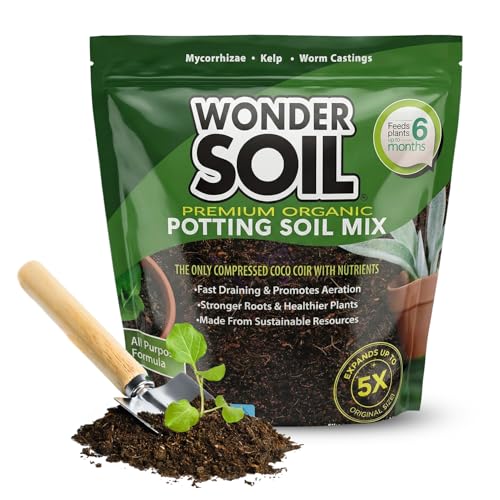
Wonder Soil 12 Quarts Organic Coco Coir Bag

Wonder Soil 72 Quarts Compressed Coco Coir Block

Tank’s Green Stuff Supermix Fertilizer 4 lb
More On The Choices That Made The List
Perlite is expanded volcanic stone that looks like small white popcorn, and its main job is opening up heavy soil so water and air can move freely through the root zone. For cherry trees, that drainage is critical: soggy roots invite fungal issues and crown rot, the two biggest killers of young cherries in backyard plantings.
The 4-quart bag from Legigo is sized for a single container or a small refresh of an existing pot. It mixes cleanly into potting blends and stays pH-neutral, meaning it won’t shift the acidity of your soil toward something cherries dislike. If you’re repotting one patio cherry into a slightly larger planter, this volume covers you without a lot of leftover.
Useful Touches
- pH-neutral volcanic stone won’t alter existing soil chemistry
- Coarse, even particle size for predictable drainage results
Worth Noting
- The small 4-quart volume runs out fast if you’re amending a raised bed
- Perlite dust during pouring is common, so mixing outdoors or wearing a basic mask helps
Who It Suits Best
Container gardeners repotting a single patio cherry tree and wanting better drainage without buying more than they need.
Look Elsewhere When
You’re amending a full in-ground planting hole, where the larger Legigo 20 Quarts bag covers the job with fewer bag changes.
Coco coir is the fibrous husk material from coconut shells, and it holds moisture while still letting roots breathe, a useful balance for cherry trees that hate wet feet but need steady hydration during fruit set. Wonder Soil ships this 3-pack as compressed bricks that fluff up to roughly 30 quarts once water hits them, which saves a lot of shelf space compared to bagged mixes.
The bricks arrive pre-loaded with worm castings, mycorrhizae, and kelp. Those amendments give young cherry transplants a softer landing: worm castings feed slowly, mycorrhizae help roots stretch into surrounding soil, and kelp contributes trace minerals. For backyard growers starting several young trees in containers at once, the 3-brick format keeps the workload manageable.
Useful Strengths
- Compressed format means compact shipping and easier storage than loose mixes
- Pre-blended organic amendments reduce the need to buy separate fertilizers early on
- Expands to 30 quarts, covering three to four medium containers per pack
Trade Offs
- Hydration takes planning, since each brick needs water and time to fully break apart
- Coco coir holds moisture well, so pairing with extra perlite is wise for wetter climates
Made For
Backyard growers potting up several young cherry trees in a single weekend and wanting a tidy, multi-pack format.
Consider Something Else When
You’re establishing a larger orchard or filling raised beds, where the Wonder Soil 72 Quarts Block offers better coverage per dollar.
Gardenwise blended this mix for Mediterranean trees, meaning the texture and drainage profile mimic the loose, mineral-rich ground olives and many cherries naturally prefer. The formula pairs fast drainage with enough organic content to keep roots fed, so a young cherry planted in it has room to spread without sitting in stagnant moisture.
The mix arrives enriched with worm castings, compost, and limestone for balanced pH, and the brand describes a roughly 12-month nutrient feed. For a single patio cherry in a decorative pot, that long feed window means less fiddling with supplemental fertilizer during the first year. The 3-quart size fits a modest planter without waste.
A Few Highlights
- Mediterranean-style drainage supports cherry trees’ drought-tolerant tendencies
- Limestone inclusion helps stabilize pH in regions with acidic tap water
Honest Caveats
- Formulated primarily for olives, so cherry growers should still monitor moisture during fruit development
- Smaller 3-quart volume is best for one container rather than a row of trees
Best Suited To
A grower with one or two patio cherry trees who wants a ready-to-use Mediterranean blend and a hands-off first season.
Swap It Out When
You’re planting multiple trees or working a larger bed, where FoxFarm Ocean Forest Potting Soil delivers more volume per bag.
The 15-quart Legigo sits in the middle of the brand’s perlite range and makes sense for gardeners straddling the line between a single big container and a small planting bed. Like the smaller 4-quart version, it stays pH-neutral, so it works alongside compost, peat, or coco coir without shifting the overall balance toward alkalinity.
When amending native ground that leans toward clay, mixing in coarse perlite opens up pore spaces and helps water percolate rather than pool around roots. For cherry trees in particular, that improved percolation can be the difference between a tree that thrives and one that struggles through wet springs.
Everyday Advantages
- Mid-tier volume fits backyard beds and several medium containers
- Coarse grade blends smoothly into dense or compacted native soil
A Few Limitations
- You’ll still need a base soil or compost, since perlite alone won’t sustain a tree
- Lightweight particles can float upward during heavy watering if used as a top layer
Perfect Match For
Home growers amending a small backyard bed or refreshing the medium for a handful of potted cherry trees.
A Better Fit Elsewhere
You’re working with very heavy clay across a wide area, where the Legigo 20 Quarts Organic Perlite cuts down on bag changes.
The 20-quart bag is the largest perlite option Legigo offers in this roundup, and it lines up well with the backbreaking reality of amending a full in-ground planting site. For a small backyard orchard of two or three cherry trees, this volume covers the drainage work in one trip rather than juggling multiple smaller bags.
For most home gardeners, mixing perlite into native soil at roughly a 1:4 ratio with the existing dirt gives cherry roots the open structure they need. The expanded volcanic stone doesn’t decompose the way organic matter does, so the drainage benefits hold up across multiple growing seasons.
Benefits That Matter
- Single-bag solution for amending a small orchard plot
- Stable, inorganic particles keep working season after season without breaking down
Points To Keep In Mind
- Bags this size are awkward to pour; a helper or a wide mixing tub saves spillage
- Perlite doesn’t add nutrition, so pairing with compost or a slow-release feed is essential
Right Fit For
Growers preparing multiple in-ground cherry tree sites and wanting to finish the job with one bag rather than several smaller ones.
Reach For A Different Pick When
Your project is purely container-based, where the smaller Legigo 6 Quarts bag avoids storing excess perlite that may go unused.
The 6-quart Legigo sits between the smallest 4-quart option and the mid-tier 15-quart bag, and it works well for a gardener who wants a little extra drainage material without committing to a heavy sack. First-time cherry growers often want to test a small perlite blend before committing to a larger volume, and this bag fits that hesitation.
The product shares the same coarse grade and pH-neutral volcanic base as the other Legigo sizes. If your existing potting mix drains a bit slowly during the first waterings, folding in a few scoops of this perlite is a quick way to dial in better performance for a young cherry.
Practical Pluses
- Compact 6-quart size is approachable for new cherry growers testing ratios
- Easy to store on a shelf alongside other small garden amendments
Things To Weigh
- Volume still tightens fast once you start blending for more than one container
- You may end up buying a second bag mid-project, so check your planter count first
Built With In Mind
First-time cherry tree growers potting up a single tree and wanting a low-commitment perlite trial.
Not Your Match When
You’re potting up three or more containers at once, where the Legigo 15 Quarts bag keeps you from running short.
FoxFarm Ocean Forest is a ready-to-use potting mix that’s earned a long track record with container gardeners, and the 2-pack here totals 24 quarts across the bundled bags. The blend arrives pH-adjusted between 6.3 and 6.8, which lands squarely in the slightly acidic range cherries prefer for nutrient uptake.
You open the bag and plant directly into it, no extra mixing required. For a backyard grower who wants a single product decision rather than juggling perlite, coco coir, and compost separately, this format simplifies the process. The included plant tags are a small but useful touch for tracking varieties and planting dates across multiple containers.
Strong Points
- pH-adjusted range supports cherry trees’ preferred nutrient uptake window
- Ready-to-use right out of the bag, no blending required for beginners
- 2-pack format covers several medium containers or two large planters
- Included plant tags help organize multiple cherry varieties by name and planting date
Softer Spots
- Heavier than coco-coir alternatives, so hauling bags to upper balconies takes effort
- Nutrients deplete over a single season, so supplemental feeding is needed for long-term container trees
Key Advantages
Who Will Love This
Container gardeners who want a single, dependable bagged mix that supports cherry trees from transplant through the first growing season.
Another Choice May Suit
You’re working exclusively in-ground and prefer to amend native soil, where Wonder Soil 72 Quarts Block paired with compost fits better.
This 3-pound compressed bag expands to about 12 quarts once you add water, which is a tidy format for apartment and balcony gardeners without much storage. The bag fits on a closet shelf before hydration, then fluffs into enough medium for one or two mid-sized cherry containers.
The blend includes worm castings, perlite, mycorrhizae, and kelp, covering several soil needs in one bag. For growers who want organic ingredients and a peat-free medium, this product ticks those boxes while staying light enough to haul up a flight of stairs without strain.
Notable Gains
- Pre-hydrated expansion gives 12 quarts from a 3-pound bag, easing transport
- Peat-free organic blend suits growers avoiding traditional peat products
- Built-in perlite and mycorrhizae cut down on separate amendment purchases
Where It May Fall Short
- Coco coir holds moisture, so pairing with extra perlite helps in humid climates
- Hydration requires a tub and several minutes of waiting before planting
Whose Shelf It Belongs On
Balcony and small-patio growers who want an organic, lightweight medium for one or two cherry trees in tight quarters.
Skip It When
You need to fill a large raised bed or multiple containers at once, where the larger Wonder Soil 72 Quarts Block covers more ground per order.
The 10-pound compressed block expands to roughly 72 quarts once hydrated, making it the heavyweight option in this roundup. For a backyard grower installing a small row of cherry trees or filling a sizable raised bed, the single-block format simplifies sourcing and storage.
The same organic amendments appear here as in the smaller Wonder Soil bags: worm castings, mycorrhizae, and kelp. Once hydrated, the medium provides a steady nutrient feed for several months, giving transplants a runway to settle in before supplemental feeding becomes necessary.
Features That Help
- Single-block format covers a small orchard or raised bed in one purchase
- Hydration ratio of roughly 7:1 keeps shipping and storage compact
- Pre-loaded nutrients reduce the need to buy separate fertilizer early on
Less Ideal Details
- Breaking apart and hydrating a 10-pound block takes time and a large tub
- Over-hydration can leave soggy pockets, so adding water in stages helps
Right Fit For
Growers planting several cherry trees at once or establishing a sizable backyard bed and wanting to source one bulk block.
Where A Sibling Pick Shines
You’re working on a single small patio container, where Wonder Soil 12 Quarts Bag avoids the overcommitment of a 72-quart block.
Tank’s Green Stuff is a granular organic fertilizer, and it functions differently from the soil products above: you mix it into existing ground rather than plant directly into it. For established in-ground cherry trees whose soil has lost steam after a few seasons, this is the kind of top-up that keeps fruit quality and leaf color on track.
The blend draws from 16 natural ingredients, including worm castings, biochar, and kelp meal. That broad ingredient list spreads nutrient release across multiple mechanisms, so trees get a steadier feed rather than a single short burst. The 4-pound bag covers several mature trees across a few applications.
A Few Strong Suits
- OMRI-listed organic composition fits chemical-free gardening routines
- Diverse ingredient profile delivers slow, even nutrient release over time
- Works alongside any of the soil or coco coir picks earlier on this list
Practical Considerations
- Granular form means scratching into the soil surface rather than pouring straight into a planting hole
- Not a standalone medium; existing soil or a base mix is still required
Who Should Grab It
Growers with established in-ground cherry trees who want an organic nutrient top-up to complement their existing soil base.
A Better Fit Elsewhere
You’re starting fresh in containers and need a complete medium, where FoxFarm Ocean Forest Potting Soil gives you a ready-to-use base in one step.
What Matters Most Before Choosing Soils For Cherry Trees
Drainage and Aeration
Cherry trees tolerate drought better than wet roots, and the single most common reason home trees fail is slow-draining soil that suffocates roots during wet weather. Coarse perlite, gritty mineral amendments, and loose coco coir all open up the medium so water moves through quickly. For most backyard situations, you want a mix that drains within a few seconds after a thorough watering.
pH Balance and Nutrient Availability
Cherries prefer a slightly acidic soil in the 6.0 to 7.0 range, where nutrients stay accessible to roots. Mixes pre-adjusted to that window, like the FoxFarm Ocean Forest blend, save the trouble of testing and amending later. If your tap water runs alkaline, a mix with limestone or compost helps hold the line against rising pH over time.
Organic Content and Feed Duration
Young cherry transplants benefit from steady, slow-release nutrition rather than a single strong dose. Worm castings, compost, and kelp-based amendments feed roots gradually and support the soil microbiome. Long-feed windows reduce how often you need to interrupt the growing season with supplemental fertilizer.
Match the Format to the Project
Container growers benefit from compressed bricks and ready-to-use blends that store easily and plant in one step. In-ground plantings often call for bulk perlite or compost to amend native soil across a wider area. Matching the format to your project scale keeps waste low and effort realistic.
Key Considerations Across These Picks
Common Shopping Slip Ups
Picking a soil mix based on volume alone is one of the easier mistakes to make, and it leaves you with a medium that may not drain fast enough for cherry trees. Drainage, pH, and organic content matter more than quarts. Another common slip is assuming any tree-formulated mix works the same, when cherry-specific needs lean closer to Mediterranean profiles than moisture-loving species.
Where The Extra Money Goes
Premium mixes earn their higher cost by arriving pre-adjusted for pH, pre-loaded with organic amendments, and ready to plant without extra blending. The added convenience matters most for growers without time to mix their own media or those working with limited storage space. For projects where you’re blending amendments yourself, lower-cost perlite and coco coir bricks cover the core needs without the premium markup.
Frequently Asked Questions
What type of soil is best for cherry trees?
Well-drained, loamy soil with a pH between 6.0 and 7.0 works best. Cherry trees struggle in heavy clay that holds water around the roots, so amendments like perlite or coarse sand help in dense native ground.
Can I plant a cherry tree in regular potting soil?
Standard potting soil works for short-term container growth, but mixes designed for fruit trees or Mediterranean plants usually drain faster and feed more steadily. Amending standard potting soil with extra perlite closes that gap reasonably well.
How often should I refresh the soil around my cherry tree?
Container cherries benefit from fresh medium every two to three years, since nutrients deplete and the structure breaks down. In-ground trees rarely need full replacement; top-dressing with compost or an organic granular fertilizer each spring handles the renewal.
Is perlite necessary for cherry tree soil?
Perlite isn’t strictly required, but it dramatically improves drainage and aeration, especially in heavier native soils. For cherry trees specifically, that drainage improvement can prevent the root rot issues that otherwise shorten a tree’s productive years.
Do cherry trees prefer acidic or alkaline soil?
Slightly acidic soil, around pH 6.0 to 7.0, suits cherry trees best. Strongly alkaline conditions lock out certain nutrients, especially iron, which shows up as yellowing leaves on younger growth.
Wrap Up
The right soil depends on whether you’re planting in containers, raised beds, or native ground, and on how much hands-on blending you want to do. Container growers get the smoothest path with ready-to-use blends like FoxFarm Ocean Forest, while in-ground plantings often benefit most from bulk perlite and organic amendments folded into existing soil. Cherry trees reward well-drained, slightly acidic conditions with stronger growth and better fruit set across the seasons.
