

Most container gardens fail for one simple reason: the wrong medium. Garden soil compacts inside a pot, suffocating roots in a season. Lightweight, well-draining mixes with organic matter and good aeration change that picture almost overnight, whether you’re growing herbs on a windowsill or feeding a patio full of tomatoes.
The eight picks below cover the bases: bulk coco coir for moisture retention, mineral vermiculite for aeration, a richly amended ready-to-use potting soil, and charcoal conditioners that keep containers from going sour. Each one solves a different slice of the container-gardening puzzle.
An Overview Of The Picks

MODELLOR Coco Coir Bricks, 4-Pack (5 lb)

FarmTek Horticultural Vermiculite, 4-Cubic Feet

FoxFarm Ocean Forest Potting Soil, 1.5 cu ft
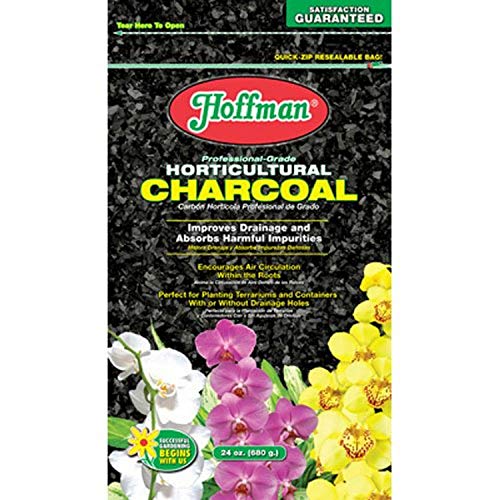
Hoffman 17502 Charcoal Soil Conditioner, 24-Ounce

Compressed Organic Potting Soil with Worm Castings
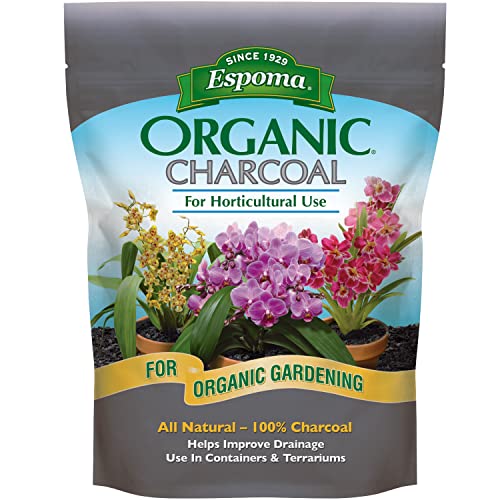
Espoma Organic Charcoal for Horticultural Use, 4 qt

Coco Coir Brick for Plants, 6-Pack
PVP Industries Coarse Vermiculite, Horticultural Grade
Why These Options Stand Out
Coco coir is the fibrous middle layer of a coconut husk, processed into dense bricks that rehydrate into a fluffy, peat-free growing medium. MODELLOR ships four compact bricks totaling 5 lb, each one expanding into roughly 2.25 gallons of usable material when soaked. The coir is triple-washed, which keeps the natural salt content low enough that seedlings won’t stall from EC burn.
For seed-starting trays and small herb pots, this brick format beats bagged soil on storage alone. A shelf-stable brick tucked behind a watering can is far easier to handle than a 40-lb sack, especially in apartments. You simply add warm water, wait a few minutes, and break the brick apart with your hands. Most home growers will get through one pack across a full spring and summer of transplants.
Good Reasons To Consider
- Triple-washed and low-salt, meaning less rinsing is needed before sowing sensitive seeds like basil or lettuce
- Expands to 9 gallons total, enough to fill roughly nine 1-gallon nursery pots or several seed trays
- pH-balanced and organic, a clean alternative to peat for gardeners avoiding bog harvesting
- Lightweight when dry, making it manageable to carry up stairwells and tuck into tight shelves
- Holds moisture well, so pots dry out less fast during summer heat waves
Worth Noting
- Pure coir has minimal nutrients, so you’ll need to feed container plants with a balanced liquid fertilizer after the first few weeks
- Hydration takes planning; the bricks need a bucket and 10-15 minutes of soaking before use
- Some growers find finer coir dust mildly irritating, so a quick mask during break-up helps
Who It Suits Best
Beginners starting a windowsill herb garden or apartment growers who need a clean, peat-free base that stores on a closet shelf.
Consider Something Else When
Vegetable gardeners running deep patio containers with heavy feeders should look at FoxFarm Ocean Forest instead, which comes pre-amended with nutrients.
Vermiculite is a heat-expanded mineral that acts like a sponge in soil mixes, soaking up water and nutrients then releasing them slowly to roots. FarmTek’s offering is a professional-grade 4-cubic-foot bag, sized for growers amending raised beds or filling a season’s worth of large containers at once.
The main reason this lands on a container-gardening list is its drainage personality. Where coco coir holds moisture, vermiculite keeps pore spaces open so oxygen reaches the root zone. For tall patio planters that dry unevenly, blending in 20-30% vermiculite prevents the compaction that suffocates roots in a typical mid-summer cycle. The bag is heavy and dusty, so plan a dry storage corner and pour slowly.
Strengths Worth Knowing
- Sterile and pH-neutral, won’t introduce weeds or shift the acidity of an existing mix
- Holds several times its weight in water, reducing how often you need to water in heat
- Slows nutrient leaching, so liquid feeds stay available to roots longer
- 4-cubic-foot volume covers roughly ten 5-gallon containers at a 30% blend
Trade-Offs To Consider
- It’s an amendment, not a standalone medium, so it must be mixed with peat, coir, or compost
- The bag is bulky and around 30 lb, awkward for one-person carrying up stairs
Right Fit For
Backyard growers running raised beds and large containers who want bulk aeration without paying by the quart.
Swap It Out When
Someone filling a single windowsill planter should reach for PVP Industries coarse vermiculite, which ships in a friendlier small-bag size.
Unlike the bare amendments on this list, Ocean Forest arrives ready to use straight from the bag. FoxFarm built its reputation by blending earthworm castings, fish meal, crab meal, and other organic inputs into a peat-based medium that mimics a rich forest floor. The texture is light and airy, which matters more than people expect in containers.
For flowering patio pots, tomato planters, and fruiting containers, this mix gives hungry plants a head start. The included nutrients feed transplants for the first several weeks, which is exactly when root systems establish. You can grab a 1.5 cu ft bag for a few mid-sized containers, or scale up to multi-pack listings for raised bed fills. Compared to MODELLOR’s bare coir, this is the no-mix option.
Notable Upsides
- Pre-amended with organic nutrients, so transplants establish without an immediate feeding schedule
- Light, aerated texture stays fluffy even after multiple waterings
- Works for ornamentals, herbs, and vegetables without separate recipes
- Available in 1.5 cu ft single bags up through multi-pack bundles for larger projects
Points To Keep In Mind
- The organic nutrient charge fades after 4-6 weeks, so heavy feeders still need follow-up fertilizing
- Strong fish and earthworm scent right after opening, which can linger indoors for a day or two
- 1.5 cu ft is roughly 11 gallons, enough for two large patio planters and not much more
Best Suited To
Container vegetable gardeners and flower growers who want a ready-to-use blend without mixing their own amendments.
A Better Fit Elsewhere
Someone sourcing a peat-free setup should choose MODELLOR Coco Coir Bricks instead, since Ocean Forest relies on peat as its base.
Horticultural charcoal is the porous, slow-release form of carbon that keeps terrariums and houseplant containers from going sour. Hoffman’s 24-ounce jar is sized for the small-batch crowd: a few terrariums, a handful of tropical houseplants, or one serious orchid collection.
The honest read is that charcoal works best as a supporting ingredient, not a primary medium. A few tablespoons mixed into a tropical aroid’s potting soil keeps drainage channels open and absorbs impurities that build up in containers without drainage holes. For a single bag at this volume, expect it to last across many repottings if used sparingly.
The Good Stuff
- Porous structure pulls excess moisture away from roots, helping prevent waterlogging
- Absorbs odors and impurities in closed terrariums and glass containers
- Improves oxygen flow around roots in dense, peat-heavy mixes
- 24-ounce jar is shelf-stable and easy to store on a plant shelf
Soft Spots
- Used at more than 10-15% of total volume, charcoal can dry out a pot too quickly for thirsty plants
- The 24-ounce size isn’t enough to amend an outdoor patio planter meaningfully
Made For
Houseplant enthusiasts and terrarium builders working at small scale where drainage and odor control matter more than volume.
Not Your Match When
Growers working large containers in bulk should pick Espoma Organic Charcoal, which ships in a 4 qt bag suited to bigger projects.
This compressed-soil format solves the storage problem that frustrates apartment gardeners: a 3-gallon batch of mix arrives in a small resealable pouch that fits in a closet. Add water and the granules expand roughly four times their original volume, breaking into a soft, worm-castings-enriched medium.
Worm castings are the nutrient-rich output of earthworms, often called “black gold” for their gentle, slow-release feeding effect. Mixed into the coir base, they give transplants a buffer of organic nutrition that synthetic fertilizers can’t match. For indoor herb gardens and small patio pots, this is a tidy one-step solution. Where it falls short is at scale, since expanding the bag for a large planter means multiple hydration sessions.
Everyday Perks
- Compact pouch fits in a kitchen drawer, far easier to store than a 1.5 cu ft bag
- Expands up to 4x with water, yielding roughly 3 gallons of finished mix
- Worm castings deliver trace nutrients gradually without fertilizer burn risk
- Works for indoor houseplants, outdoor containers, and seed-starting trays alike
Honest Caveats
- Each pouch produces only enough for one or two small containers, so larger projects need multiple bags
- Hydration requires a large bucket and several minutes of stirring to break up clumps
Quick Facts
Perfect Match For
Apartment growers with limited closet space who need a tidy, nutrient-enriched medium that doesn’t require a heavy bag.
Look Elsewhere When
Someone refilling a dozen patio containers should consider Coco Coir Brick for Plants, 6-Pack, which delivers far more volume per dollar.
Espoma’s horticultural charcoal is pure carbon made from untreated hardwoods, with no synthetic additives or fillers. The 4-quart bag is the larger cousin of Hoffman’s 24-ounce jar, sized for gardeners who keep a few terrariums and several potted tropicals going at once.
Use it for drainage in potting mixes, lining the bottom of terrariums, or refreshing the top layer of a container that’s started to smell stale. Because it’s a natural material, expect some dust at the bottom of the bag. For growers committed to organic setups, Espoma’s century-long track record in natural amendments makes this a straightforward pick.
What It Does Well
- 100% untreated hardwood charcoal with no synthetic chemicals
- Improves drainage when blended into dense potting mixes
- Useful as a base layer in terrariums and closed glass containers
- 4-quart volume covers several medium planters or one large terrarium refresh
Practical Considerations
- Charcoal pieces can stain hands and surfaces during pouring; a drop cloth helps
- Larger particle size makes it less effective as a deep-soil conditioner compared to finer grades
Who Should Grab It
Organic-focused gardeners building or refreshing terrariums and tropical planters who want a clean, additive-free charcoal source.
Another Choice May Suit
Houseplant owners with only one or two small pots should grab Hoffman 17502 Charcoal Soil Conditioner instead, which ships in a more practical 24-ounce size.
Anothera’s 6-pack ships six compressed coconut bricks at roughly 1.4 lb each, expanding to a combined 12.6 gallons once hydrated. The math works out nicely for patio gardeners running several containers through a single growing season, especially those who mix their own blends rather than buying pre-amended soil.
The bricks are smaller and lighter individually than MODELLOR’s larger format, so each one is easier to handle when you’re working alone with a bucket. Hydrate them in batches as needed rather than all at once, since soaked coir doesn’t store well. Compared to peat-based bagged mixes, this format wins on shelf life and weight before use.
Useful Strengths
- 6 bricks totaling 12.6 gallons finished, more volume than MODELLOR’s 4-pack
- Smaller individual bricks are easier to hydrate in a standard 5-gallon bucket
- Peat-free alternative that suits organic and eco-conscious gardeners
- Compact shipping box fits on a garage shelf without dominating storage space
Where It May Fall Short
- Plain coir without nutrients means every planting needs a separate feeding plan
- Salt content isn’t specified as triple-washed, so a pre-rinse helps avoid EC issues for sensitive starts
Feature Snapshot
Whose Shelf It Belongs On
Patio and urban gardeners running multiple containers who want a high-volume, peat-free base at a friendlier per-gallon cost.
Reach For A Different Pick When
Someone filling just one or two small pots should pick MODELLOR Coco Coir Bricks, which ships in a more manageable 4-pack size.
PVP Industries offers a clean, odorless coarse vermiculite that doubles as a standalone rooting medium and a soil amendment. Unlike finer grades, the coarse particle size keeps air pockets open around delicate cuttings and seedling roots, which is why nurseries have used it for decades.
For propagators rooting cuttings or building a custom seedling blend, this is the simplest entry point. Mix it 50/50 with coco coir or peat for a balanced starter, or use it pure for stem cuttings that hate wet feet. The bag is heavy but manageable, and the contents won’t rot, mold, or lose structure over time, so you can store partial bags for next season without worry.
Where It Helps
- Coarse grade keeps air channels open, ideal for cuttings and seedling roots
- pH neutral and sterile, won’t introduce weeds or shift existing mix chemistry
- Long-lasting and reusable across multiple seasons without breaking down
- Clean and odorless, suitable for indoor propagation stations
Things To Weigh
- Coarse particles don’t suit very fine seed-starting mixes where smaller grades blend better
- Heavy bag at shipping, so plan a delivery location close to storage
At A Glance
Built With In Mind
Propagators and serious seedling growers who want a sterile, long-lasting aeration medium for cuttings and starter mixes.
Where A Sibling Pick Shines
Growers amending raised beds and large containers at volume should choose FarmTek Horticultural Vermiculite, which ships in a 4-cubic-foot bag built for big projects.
Matching Your Containers To The Right Medium
Container gardening rewards growers who match the medium to the planter size, the plant type, and the climate they live in. A shallow windowsill herb pot has very different needs than a deep tomato planter sitting on a south-facing patio.
For small indoor pots and seed-starting trays, compressed coco coir and worm-castings blends hit the sweet spot. They hydrate fast, store cleanly, and stay light enough to move around as light shifts through the seasons. The MODELLOR and Organic Plant Magic formats both fit this profile, and a sprinkle of charcoal helps prevent the sour smell that closed terrariums sometimes develop.
For larger outdoor containers, drainage and nutrient load matter more than weight. Ready-to-use mixes like FoxFarm Ocean Forest save the guesswork, while bulk vermiculite from FarmTek lets you build a custom blend that holds moisture through hot afternoons. Heavy feeders like tomatoes, peppers, and squash benefit from the pre-amended approach, while drought-tolerant herbs do fine in leaner coir-based blends amended with perlite or vermiculite.
Climate plays a quiet role too. Hot, dry regions benefit from higher coco coir ratios to slow evaporation. Cool, damp climates lean toward chunkier mineral amendments so roots don’t sit wet. For most suburban patios in temperate zones, a balanced 60% coir or peat base, 30% vermiculite, and 10% charcoal tends to cover the bases.
Key Considerations Across These Picks
Where Shoppers Go Wrong
The most common slip-up is grabbing a bag of “garden soil” instead of “potting mix.” Garden soil is engineered for in-ground use and compacts badly in containers, choking roots within weeks. Potting mixes and amendments like the ones on this list are formulated to stay loose and aerated.
Another trap is buying only one product and expecting it to cover every plant. Heavy feeders, light feeders, succulents, and tropicals all want different ratios. A small stockpile of coco coir, vermiculite, and charcoal covers almost any blend you might need, with FoxFarm ready-to-use as a shortcut when time is tight.
Where The Extra Money Goes
Premium-priced options like FoxFarm Ocean Forest cost more per cubic foot because they include organic amendments such as earthworm castings, fish meal, and crab meal. For fruiting vegetables and flowering annuals, that built-in charge saves weeks of feeding.
Larger bulk bags of vermiculite cost less per cubic foot but require hauling and storage space. For backyard growers with a shed and a wheelbarrow, the savings add up. For apartment growers, the compressed and small-bag formats cost a bit more per gallon but pay off in convenience and storage ease.
Frequently Asked Questions
What is the difference between potting soil and garden soil?
Potting soil is a soilless blend designed to stay loose and drain well in containers, while garden soil is meant for in-ground use and tends to compact in pots. For container gardening, stick with potting mixes or amendments like coco coir and vermiculite.
Can I reuse potting soil from last season?
You can refresh used container medium by blending in fresh compost, worm castings, or a slow-release organic fertilizer. Removing old roots and fluffing the mix before replanting helps restore airflow, though severely compacted or sour-smelling soil is usually better replaced.
How often should I replace the medium in containers?
Most container gardeners refresh the top few inches each season and fully replace the medium every two to three years. Heavy-feeding crops like tomatoes often benefit from a full refresh each year to avoid nutrient depletion and salt buildup.
Do I need to add fertilizer if I use coco coir?
Yes. Pure coco coir is low in nutrients, so container plants need regular feeding with a balanced liquid fertilizer or slow-release organic amendments. Worm castings blended into the mix at planting give a gentle starting boost.
Is vermiculite or perlite better for containers?
Vermiculite holds more water and works well for moisture-loving plants and seed-starting. Perlite drains faster and suits succulents, Mediterranean herbs, and any plant that resents wet feet. Many growers keep both on hand and blend by plant type.
The Takeaway
The right medium turns container gardening from a guessing game into a reliable system. Pair a moisture-retentive base like coco coir with an aerating amendment like vermiculite, add charcoal for freshness, and feed hungry crops through the season. Start with one ready-to-use blend for an easy first season, then build a custom mix as your confidence grows.
