

Growing vegetables in pots feels like cheating the seasons, until your tomatoes sulk because the mix compacts by midsummer or your lettuce bolts from a soil that drains too fast. The right growing medium keeps roots fed, airy, and consistently moist, and it has to do all of that in a small volume that can’t reach out for help. Container soil has to work harder than ground soil, and the wrong bag turns a sunny patio into a season of frustration.
This roundup focuses on mixes, amendments, and additives that pair well with vegetable pots, raised planters, and small-space gardens. Some are complete potting soils you pour straight in; others are amendments you blend into your own mix. Pick the one that matches how you actually garden: quick and ready-to-go, or hands-on and tailored.
A Snapshot Of The Selections
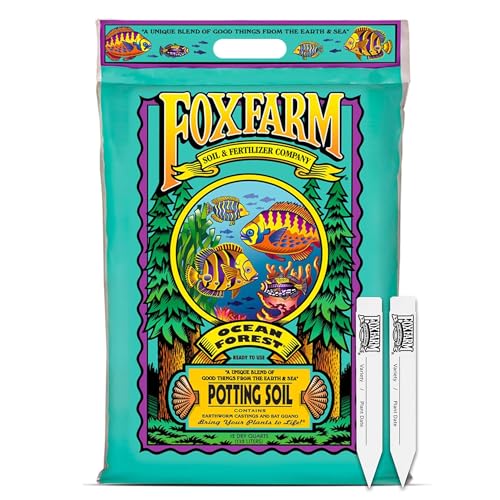
FoxFarm Ocean Forest Potting Soil with 2 Plant Tags, 12 Quarts

MODELLOR Coco Coir Bricks, 4-Pack (5 lb), 9 Gallons Yield

FarmTek Horticultural Vermiculite Soil Additive, 4 Cubic Feet

BuildASoil Build-A-Flower Organic Top Dress Kit, Half Cubic Foot

FoxFarm Ocean Forest Potting Soil, 1.5 Cubic Feet

Coco Bliss Coco Coir Bricks, 50-Pack (650gm)

Espoma Organic Garden Lime, 5 lb. Bag, 2 Pack
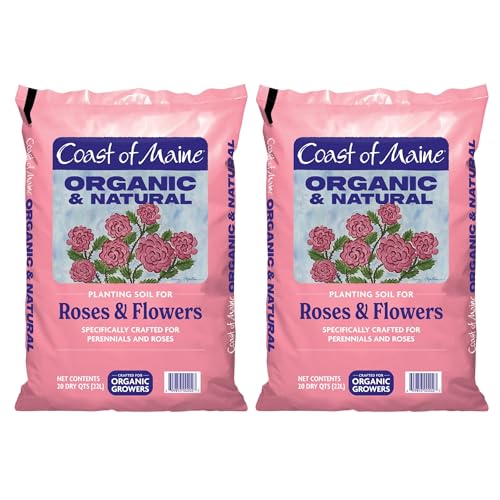
Coast of Maine Roses and Flowers, 20qt (Pack of 2)
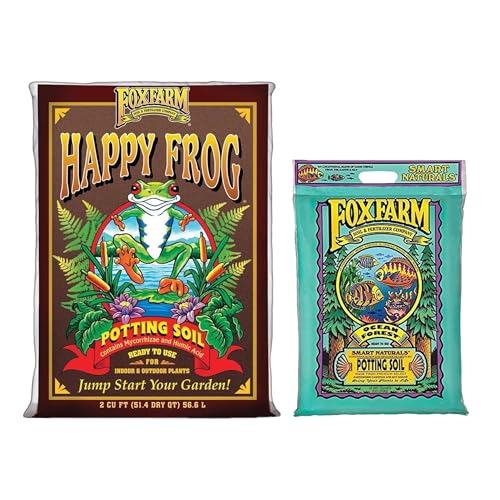
FoxFarm Happy Frog 2 Cu.ft + Ocean Forest 12qt Bundle

Vermont Compost Company Fort Vee Organic Potting Soil, 40 Quarts
Why These Options Stand Out
The 12-quart bag is the friend you call when a single transplant goes sideways midweek. Open it, fill the pot, and you’re growing again. It’s built around a light, aerated texture that holds moisture without smothering roots, so seedlings and established transplants both settle in quickly.
Two included plant tags mean you can finally stop guessing which pot holds the basil and which holds the parsley. For small urban patios, balconies, and a windowsill herb cluster, this bag covers a season’s worth of routine repotting without forcing you to mix anything by hand.
Points In Its Favor
- Ready to use straight from the bag, no mixing required.
- Light, aerated feel keeps small pots from compacting midseason.
- Two plant tags help you track variety and planting dates.
- Convenient 12-quart size suits tight storage shelves.
Things To Consider
- Smaller volume means heavy gardeners will run out fast.
- Premium blends like this often cost more per quart than bulk options.
Right Fit For
Patio gardeners juggling a handful of small pots who want a no-fuss, premium mix ready the moment it arrives.
A Better Fit Elsewhere
Heavier feeders managing many large containers may prefer the FoxFarm Ocean Forest 1.5 cu ft bag for its larger volume and lower per-quart cost.
Four dense bricks that fit on a closet shelf and expand to nine gallons once hydrated, this is the apartment gardener’s answer to buying bulky bags. Coco coir is the fibrous husk of the coconut, prized for holding air and moisture in roughly equal measure.
Compared with peat, coir rewets more reliably after drying out, which matters when a tomato pot sits in afternoon sun. The triple-washed process keeps salts low, so seedlings and tender herbs aren’t burned at transplant. Drop a brick in a bucket, add water, and you’ve got a fluffy medium in about half an hour.
Strengths Worth Knowing
- Compact bricks store easily in small apartments or garden sheds.
- Rewets more easily than peat after drying out.
- Expands to nine gallons, enough for several mid-size pots.
- pH-balanced and triple-washed to reduce salt content.
Honest Caveats
- Requires hydration and fluffing before use, so it’s not a pour-and-go option.
- On its own, coir has few nutrients, so you’ll need to feed or blend in compost for fruiting crops.
Feature Snapshot
Who It Suits Best
Seed starters and indoor herb growers working in tight spaces who don’t mind a quick soak-and-fluff step.
Consider Something Else When
Vegetable gardeners who want a fully loaded mix out of the bag will find Vermont Compost Company Fort Vee a more complete option.
Four cubic feet of vermiculite is the bulk-bag answer for gardeners who mix their own soil or refresh tired beds. Vermiculite is a heat-expanded mineral that soaks up water and holds it in the root zone, releasing it slowly as the soil dries.
Blended into a standard potting mix, it loosens compaction and keeps moisture levels steadier through hot afternoons. For deep raised beds and big patio planters that dry out fast, this is the kind of additive that turns a thirsty container into a forgiving one.
Practical Advantages
- Large four-cubic-foot volume suits raised beds and many containers.
- Improves moisture retention in fast-drying summer mixes.
- Lightweight and sterile, with no weed seeds or pathogens.
- pH-neutral, so it won’t shift your soil chemistry.
Points To Keep In Mind
- It’s an additive, not a complete soil, so it must be blended in.
- Overuse can leave a mix overly spongy and reduce structural support for tall plants.
Made For
Raised-bed growers and large-container vegetable gardeners who prefer to build their own mix and want long-lasting water buffering.
Skip It When
Beginners who want a single bag to pour into pots will find a complete mix like FoxFarm Ocean Forest 1.5 cu ft easier to start with.
Build-A-Flower is a top-dressing amendment, not a standalone potting mix. You sprinkle it across the surface of an existing bed or container and water it in, letting nutrients work their way down to the root zone.
The blend leans on compost with added phosphorus and potassium, the two macronutrients that drive flower and fruit development. For tomato, pepper, and squash growers in midseason, a thin layer every few weeks can keep heavy feeders pushing out new blossoms rather than resting on their laurels.
Benefits That Matter
- Phosphorus and potassium support flowering and fruiting stages.
- Easy top-dress application, no digging or repotting required.
- Organic compost base feeds soil life over time.
- Compact half-cubic-foot bag fits any garden shed corner.
Trade Offs
- Small bag means it’s best for a few containers, not a full bed refresh.
- Won’t help on its own for a brand-new planting that needs bulk soil.
Best Suited To
Midseason vegetable gardeners with established pots who want to push more blooms and fruit without disturbing roots.
Look Elsewhere When
Container vegetable gardeners starting from scratch will get more value from a complete mix like FoxFarm Ocean Forest 1.5 cu ft as the base layer.
The 1.5 cubic foot version is the larger sibling of the 12-quart bag, and it’s the one serious container gardeners tend to keep on the porch. It’s the same blend of earthworm castings, fish meal, and crab meal, scaled up for bigger projects.
What sets this size apart is the per-quart value: bigger bags stretch your soil budget further without changing the mix itself. For a back patio full of tomato pots or a community garden plot starter, it’s the volume most home growers end up wishing they’d ordered first.
Standout Benefits
- Larger volume lowers the cost per quart for serious projects.
- Same aerated texture that resists compaction through the season.
- Works across indoor and outdoor containers.
- Trusted blend used by hobbyists for years.
Practical Considerations
- Bigger bag means more storage space and a heavier carry to the garden.
- Not the lightest option for anyone hauling soil up several flights of stairs.
Feature Card
Who Will Love This
Home gardeners running multiple mid-to-large vegetable containers who want one reliable bag to cover most of the season.
Reach For A Different Pick When
Apartment growers with just a couple of small pots may find the 12-quart FoxFarm Ocean Forest bag easier to store and finish before it sits too long.
Fifty compressed bricks is the supply-level option, suited to community gardens, school programs, or anyone tearing out and restarting a large vegetable plot. Each brick puffs up into a predictable volume of coir once hydrated, so you can plan container counts with some accuracy.
The Coco Bliss line is screened through fine filters to remove fiber, sand, and rock fragments, which matters more than you’d think when handling it dry. Cleaner coir means less dust in the workspace and a more uniform texture in the final mix. It’s listed for organic use, which helps if certification matters for your program or household.
What Earns Its Place
- Bulk 50-pack suits larger gardens and ongoing replenishment.
- OMRI-listed for organic gardening use.
- Pre-rinsed and screened to reduce impurities and dust.
- Compact bricks store flat until needed.
- pH-balanced medium suits a wide range of vegetables.
Smaller Limitations
- Bulk count is overkill for someone with one balcony and a few pots.
- Still requires soaking and fluffing before each use.
Perfect Match For
Large-scale container gardeners, school gardens, or anyone running a rotation of vegetable pots through a full season.
Swap It Out When
Small-space gardeners with a handful of pots will find the four-pack from MODELLOR a more manageable entry point.
Garden lime isn’t a soil; it’s a soil conditioner, used to nudge acidic container mixes closer to neutral. Dolomitic lime, the kind in these bags, also adds magnesium alongside calcium, supporting chlorophyll production in leafy greens.
If your tomatoes are showing blossom end rot, a small dose of calcium from dolomitic lime can help. The two-pack format covers a season’s worth of small corrections across several containers without running short midseason. Pelletized form spreads cleanly without the dust of powdered lime.
What Helps Most
- Pelletized form is easier to spread and measure than powdered lime.
- Adds calcium to support healthy fruit development.
- Listed for organic gardening use.
- Two-pack covers multiple containers through a season.
Where It May Fall Short
- An amendment, not a complete growing medium, so it can’t stand alone.
- Over-application will push pH too high and lock out nutrients, so it pays to test first.
Built With In Mind
Vegetable gardeners with acidic container mixes who want a slow, steady calcium boost without switching to a new base soil.
Not Your Match When
Anyone looking for a ready-to-pour mix will get more immediate value from FoxFarm Ocean Forest 1.5 cu ft as a base.
Coast of Maine leans on compost-based blends that mimic what you’d find in a healthy forest floor. The Roses and Flowers mix is formulated to balance drainage with moisture retention, useful for vegetables that hate drying out but also resent soggy roots.
Although the name suggests ornamentals, the ingredients work just for fruiting crops, herbs, and edible flowers. It comes OMRI-listed for organic gardening, which matters for gardeners committed to chemical-free beds. The two-bag pack gives you 40 quarts to spread across several mid-size containers or one ambitious planter.
Useful Strengths
- OMRI-listed organic compost blend.
- Balances drainage and moisture for vegetables and flowers.
- Two-bag pack covers multiple pots in one order.
- Compost-based formula supports long-term soil life.
Possible Compromises
- Positioned primarily for roses and ornamentals, so the nutrient balance may lean toward blooms rather than leafy greens.
- Compost-based mixes can vary slightly in texture between batches.
Whose Shelf It Belongs On
Organic-focused gardeners growing edible flowers, peppers, and fruiting crops in mid-size containers who value compost-rich blends.
Where A Sibling Pick Shines
Heavy-feeding tomato growers may prefer the broader nutrition profile of Vermont Compost Company Fort Vee for a richer base.
Pairing a 2 cu ft bag of Happy Frog with a 12-quart bag of Ocean Forest in one order lets you match each mix to its strongest use. Happy Frog is amended with soil microbes that support nutrient uptake, while Ocean Forest brings a richer organic base.
For gardeners with mixed containers, this kind of split makes sense: Happy Frog for leafy greens and herbs, Ocean Forest for heavy feeders like tomatoes and peppers. The bundle trims the hassle of sourcing two separate orders.
Useful Touches
- Two distinct blends in one order for varied crops.
- Happy Frog includes soil microbes to support nutrient uptake.
- Ocean Forest adds earthworm castings and organic nutrients.
- Single shipping receipt simplifies ordering.
Less Ideal Details
- Bundle volume may be more soil than a small-space gardener can use before next season.
- Heavier to transport than a single smaller bag.
Who Should Grab It
Mixed-container gardeners running both leafy crops and fruiting vegetables who want two complementary blends without separate orders.
Another Choice May Suit
Single-crop growers focused only on tomatoes or herbs may prefer the streamlined FoxFarm Ocean Forest 1.5 cu ft bag alone.
Vermont Compost Company built Fort Vee around compost, and that base shows up in how the mix feels in hand: rich, dark, and loaded with organic matter. For container vegetables that need steady nutrition through a long season, compost-rich blends tend to outperform lighter mixes.
The 40-quart two-pack covers a serious vegetable garden, with enough volume to refresh raised planters or fill several large patio pots in one go. It’s marketed for seed starting through mature plants, so the same bag can carry a flat of lettuce starts and a tomato transplant.
Practical Pluses
- Compost-rich base delivers steady nutrition through the season.
- Suitable for seed starting, transplants, and mature plants.
- 40-quart pack handles several large containers.
- Organic blend aligned with chemical-free gardening.
Worth Bearing In Mind
- Premium compost blends cost more per quart than lighter mixes.
- Heavier bag to lift and carry into garden areas.
Key Product Details
The Right Fit
Serious organic gardeners running larger containers who want compost-rich nutrition from seed start through harvest.
Consider Something Else When
Casual balcony gardeners with a few herbs may find the smaller FoxFarm Ocean Forest 12-quart bag easier to store and finish in a season.
What To Weigh Before Picking a Container Mix
Container soil has to do three things at once: hold moisture, drain freely, and feed plants in a tiny root zone. In the ground, roots can stretch for nutrients and water, but in a pot they’re stuck with whatever you give them. The right blend keeps that balance steady through heat waves and dry spells.
Drainage matters most. A mix that holds water too long suffocates roots and invites rot, especially in plastic or glazed ceramic pots. Look for ingredients like perlite, vermiculite, pumice, or coarse coir that keep air pockets open. Aerated blends tend to resist compaction, which is the slow killer of container vegetable yields.
Moisture retention is the other side of the same coin. Vermiculite and coco coir hold water without staying soggy, which helps during peak summer when pots can dry out in a single afternoon. For thirsty crops like tomatoes and squash, blending in water-holding amendments pays off quickly.
Nutrition is the long game. Compost-based mixes deliver slow-release organic matter that feeds soil microbes, which in turn feed your plants. Light, sterile mixes need regular fertilizing to keep production going. Heavier feeders like tomatoes, peppers, and leafy greens generally thrive with compost-rich bases, while root crops and herbs often prefer something lighter.
Finally, think about your climate and container material. Terracotta breathes and dries faster, so a mix with extra moisture retention helps. Plastic and glazed pots hold water longer, so lean toward better drainage. Match the soil to the pot, and you’ll water less often while keeping roots happier.
Key Considerations Across These Picks
Common Slip Ups When Choosing Container Soil
Grabbing any bag labeled “garden soil” is the most common mistake. Garden soil is formulated for in-ground use and compacts badly in pots, choking roots within weeks. A bag labeled “potting mix” or “container mix” is built to stay loose and airy.
Another trap is skipping amendments and expecting the bag to feed plants all season. Even the richest compost blend runs low after eight to ten weeks of heavy feeding. Plan on supplementing with a liquid feed or a top-dressing like Build-A-Flower midseason.
When A Higher Tier Pays Off
Premium compost-rich mixes like Vermont Compost Company Fort Vee cost more per quart, but the nutrient density and structure often outlast cheaper blends by weeks. For organic gardeners and serious food growers, the upgrade typically shows up in harvest weight and flavor intensity. For casual herb keepers, a mid-tier bag is plenty.
