

Corn plants (Dracaena fragrans) tolerate a range of soil types, but a loose, well-draining mix with steady organic matter keeps the foliage greener for longer. Whether you’re repotting a leggy specimen into a larger container or starting a small one on a bright windowsill, the right medium makes routine watering more forgiving and root rot less likely.
An Overview Of The Picks
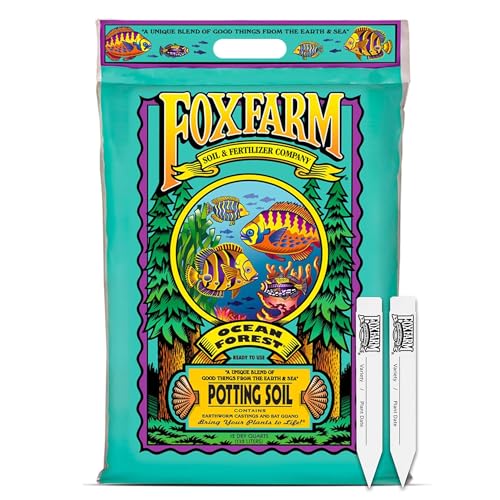
FoxFarm Ocean Forest Potting Soil with 2 Plant Tags, 12 Quarts

MODELLOR Coco Coir Bricks, 4-Pack (5 lb), Yields 9 Gallons

FoxFarm Ocean Forest Potting Soil, 1.5 cu ft

WONDER SOIL Compressed Coco Coir 3-Pack, Expands to 30 Quarts

Vermont Compost Company Fort Vee Organic Potting Soil Mix, 2 Pack, 40 Quarts
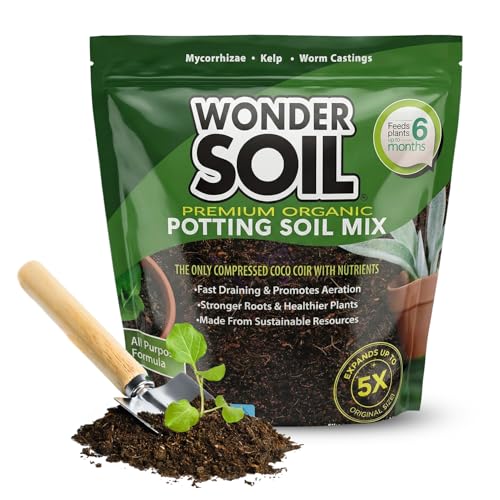
WONDER SOIL Organic Potting Soil, 3 lb Bag Expands to 12 Quarts

WONDER SOIL Compressed Coco Coir 10 lb Block, Expands to 72 Quarts

Coconut Coir Potting Soil, Expands to 3.5 Quart (7.5 lb)

Coconut Coir Potting Soil, Expands to 7 Quart (15 lb)

Coconut Coir Potting Soil, Expands to 5 Quart (11 lb)
Inside Each Recommended Option
This 12-quart bag of FoxFarm Ocean Forest arrives ready to use, which removes the most common early stumbling block for new corn plant parents: figuring out ratios of perlite, bark, and peat. The blend leans on fish meal, crab meal, and earthworm castings to add slow-release organic matter, and the light, aerated texture encourages roots to spread rather than circle the pot.
For one medium corn plant in a 10-inch container, this bag covers a single repotting with some leftover for a smaller sidekick. The two included plant tags are a small but useful bonus for keeping track of varieties or repotting dates, especially in a mixed indoor collection.
The Good Stuff
- Ready to use straight from the bag, no mixing required
- Earthworm castings, fish meal, and crab meal add organic nutrition
- Light texture reduces compaction around sensitive corn plant roots
- Includes two plant tags for labeling varieties and repot dates
- Compact 12-quart size fits in a closet or under a sink
Things To Consider
- Smaller bag means a refill is needed for anyone repotting more than two or three plants
- Organic meals can attract gnats indoors if the surface stays moist
Feature Snapshot
Who It Suits Best
First-time corn plant owners who want one bag they can open and use without extra steps.
Where Another Pick Suits Better
The FoxFarm Ocean Forest 1.5 cu ft bag is a better match if you’re repotting a whole cluster of plants at once and don’t want to chase down two of these.
Unlike the first pick, MODELLOR ships its growing medium as four compressed bricks that fluff up to roughly nine gallons once water hits them. Coco coir (the fibrous husk material from coconut shells) holds moisture while still letting air reach roots, which suits a corn plant’s preference for soil that dries moderately between waterings.
Triple-washing is the detail that makes this brick set worth a closer look. The process strips out excess salts and brings the pH (a measure of how acidic or alkaline the medium is, on a 1-14 scale) closer to neutral, so you can blend it with perlite or your existing mix without second-guessing the chemistry. Storage is also easier: four small bricks stack neatly on a shelf until you’re ready to hydrate one.
Bright Spots
- Triple-washed and pH-balanced to keep salts low
- Expands to about 9 gallons (36 quarts) from a compact 5 lb pack
- Organic, single-ingredient medium with no synthetic additives
- Ideal for seed starting and amending heavier container soils
Worth Noting
- Plain coir contains few nutrients on its own, so feeding is needed for steady corn plant growth
- Bricks require a bucket and water to rehydrate before use
Made For
DIY mixers who like to control perlite, bark, and fertilizer ratios for several plants at once.
Look Elsewhere When
Vermont Compost Company Fort Vee suits you better if you’d rather skip the mixing and grab a pre-blended organic bag.
This is the same FoxFarm Ocean Forest blend as the 12-quart option, just in a 1.5 cubic foot bag for bigger projects. The added volume makes sense when you’re refreshing multiple houseplants in one session or filling a large floor planter where a corn plant’s tall, cane-style growth has room to spread.
The aerated texture and earthworm-casting base carry over from the smaller sibling, so watering behavior stays predictable. You may find the bigger bag heavy to haul upstairs, so plan a spot to pour from before dragging it through the door.
Notable Gains
- Larger 1.5 cu ft volume covers several repottings or one deep planter
- Same proven Ocean Forest blend trusted by container gardeners
- Light texture supports healthy corn plant root systems
- Useful when filling raised beds or large patio planters alongside indoor work
Trade Offs
- Heavier bag can be awkward to carry up stairs or through tight hallways
- Overkill for someone repotting a single small corn plant
Right Fit For
Indoor gardeners repotting three or more medium houseplants in a single afternoon.
Skip It When
The MODELLOR Coco Coir bricks make more sense for anyone mixing custom soilless blends or working with limited storage.
Wonder Soil takes the compressed-coir idea a step further by pre-loading the bricks with worm castings and other nutrients, so the resulting medium isn’t just fluffy but actually plant-ready. Three bricks expand to about 30 quarts, which works out to a generous single repotting for a tall corn plant or a small batch of starts.
Adding water and watching the brick swell has a near-instant effect, and the pre-amended mix helps new transplants settle without an immediate feeding routine. The trade-off is that the amendment list isn’t as transparent as the plain MODELLOR bricks, so growers who prefer to control every input may look elsewhere.
Practical Pluses
- Comes pre-amended with worm castings and added nutrients
- Three bricks yield roughly 30 quarts of finished medium
- Compact dry form is easy to store on a shelf or in a closet
- Expands quickly with water for fast repotting sessions
Points To Note
- Amendment details beyond worm castings aren’t listed on the package, so precise mixers may want a more transparent option
- Coir holds water longer than bark-heavy blends, so adjust watering habits accordingly
Quick Facts
Best Suited To
Shoppers who want coir’s airy feel without buying plain bricks and amendments separately.
Consider Something Else When
The MODELLOR 4-pack makes more sense for anyone who wants the cleanest possible coco coir without pre-mixed nutrients.
Fort Vee is a compost-based organic mix, which means its backbone is decomposed plant material rather than peat or coir. That gives the bag a richer, darker appearance and a slightly heavier water profile, which corn plants tolerate well as long as the pot has drainage holes.
The two-pack ships 40 quarts total, generous for a medium-sized indoor collection or an outdoor container arrangement. Unlike the coco options earlier in this list, Fort Vee arrives already moist and workable, so there’s no brick to rehydrate before you can start potting.
The Practical Payoff
- Compost-based organic blend with no synthetic additives
- Ready to use straight from the bag, no hydration step
- Two-pack yields 40 quarts for medium to large projects
- Works indoors, in greenhouses, or in outdoor containers
Honest Caveats
- Compost-rich mixes can compact over time, so refreshing the top inch each season helps airflow
- Strong earthy smell at first, which fades once watered in
Technical Sheet
Perfect Match For
Organic-focused gardeners who prefer compost-based blends and want a pre-moistened, ready-to-use bag.
A Better Fit Elsewhere
The Wonder Soil 3-pack suits anyone wanting a lighter, drier, coir-based medium with built-in amendments.
This is the smallest Wonder Soil bag in the lineup, and it doubles down on the same pre-amended coir concept as the larger 3-pack. The 3-pound compressed brick expands to 12 quarts, which is roughly enough for one medium corn plant or a couple of smaller pots.
For a tight apartment closet or a shelf above the washer, the dry brick format is easier to store than a 1.5 cubic foot bag of loose soil. Perlite (a light, porous volcanic material that improves drainage) is among the included amendments, which gives the finished medium a slightly grittier, well-draining feel.
Positive Takeaways
- Compact 3-pound bag expands to 12 quarts of finished medium
- Pre-amended with worm castings, perlite, and other nutrients
- Dry format stores neatly in small closets or on shelves
- Pet- and family-friendly organic ingredient list
Less Ideal Details
- Smaller expansion means a refill for any future repotting beyond one plant
- Coir-based mixes hold moisture longer, so overwatering risk rises for forgetful waterers
Who Should Grab It
Apartment dwellers with limited storage who want a single small bag for one corn plant.
Swap It Out When
The AVERGO 7-quart coir disc is a closer match if you prefer the disc format over a brick.
The 10-pound block is Wonder Soil’s biggest swing, expanding to 72 quarts once hydrated. That’s enough medium to repot a small collection of corn plants, fill a few large floor planters, or top up an outdoor patio arrangement in one go.
The block format is dense when dry, so a wheelbarrow, large bucket, or tarp comes in handy for hydration. Once fluffed, the same worm-casting and nutrient blend as the smaller Wonder Soil bags carries through, so you’re not getting a watered-down version of the formula.
Real Benefits
- Single block yields 72 quarts, ideal for multiple containers at once
- Pre-amended with worm castings and other nutrients
- Compressed dry form is far lighter to ship than bagged soil
- Reusable: store unused hydrated medium in a sealed bin
Where It Is Less Suited
- Hydrating the full block requires a sizeable container and several gallons of water
- Overkill for a single small corn plant on a windowsill
Built With In Mind
Corn plant owners repotting multiple large specimens or refreshing an entire indoor collection.
Reach For A Different Pick When
The Vermont Compost Company Fort Vee 2-pack is easier to handle if you’d rather skip the rehydration step.
AVERGO’s smallest offering is a single compressed disc that expands to about 3.5 quarts, making it the most shelf-friendly option in this lineup. For one small corn plant in a 6-inch nursery pot, this is enough to top up or refresh the soil without leftover medium going stale.
The disc format differs from the bricks earlier in the list: it hydrates more uniformly in a shallow tray, with less chance of a dry core sitting in the middle. Mess is minimal, which apartment dwellers will appreciate.
Why It Works Well
- Compact disc is easy to store in a kitchen drawer or closet shelf
- Expands to 3.5 quarts, enough for one small pot
- Coir base holds moisture while staying airy for roots
- Minimal mess during hydration compared to loose bricks
Small Caveats
- Too little medium for any corn plant in a pot larger than 8 inches
- Coir alone has limited nutrition, so plan to add fertilizer or worm castings
Feature Rundown
Whose Shelf It Belongs On
Anyone with one small corn plant who wants the least possible storage footprint.
Another Choice May Suit
The AVERGO 5-quart disc is the better pick when a slightly larger pot needs filling.
The 7-quart disc lands right in the middle of the AVERGO range, doubling the smaller disc’s volume without jumping to a full brick. It’s a tidy choice for two or three medium corn plants or one larger specimen that needs a complete soil refresh.
Like its smaller sibling, this disc hydrates into a uniform, fluffy medium. The bigger dry weight (15 lb) is still manageable for a short carry from the door to the kitchen counter.
Where It Helps
- Mid-size 7-quart expanded volume fits two or three medium pots
- Coir retains moisture while improving aeration around roots
- Compressed disc hydrates evenly without dry pockets
- Works for indoor repotting across a small collection
Factors To Consider
- Coir’s moisture retention means adjusting watering frequency for indoor corn plants
- Not pre-amended, so a separate feeding plan is needed
Who Will Love This
Plant parents managing a small but growing corn plant collection who want one tidy disc instead of multiple bags.
Where A Sibling Pick Shines
The Wonder Soil 12-quart brick is a better match when you want pre-mixed nutrients in the same compressed format.
The 5-quart AVERGO disc splits the difference between the smallest and largest options in the brand’s range. For one medium corn plant in an 8- to 10-inch pot, this expands to just the right amount with a small amount of leftover for a starter side plant.
Hydration is straightforward: a wide bowl, lukewarm water, and a few minutes of patience turn the disc into a soft, workable medium. Coir’s tendency to hold water means you’ll likely water less often than with a peat-heavy blend.
Noteworthy Benefits
- 5-quart expanded volume suits one medium corn plant repotting
- 100% natural coconut coir with no synthetic additives
- Compressed disc hydrates quickly with lukewarm water
- Lightweight dry form is easy to bring home from the mailbox
Some Limits To Know
- Coir holds moisture longer than bark-based mixes, so watering habits need a small adjustment
- Contains no built-in fertilizer, so a separate feeding routine helps steady growth
Feature Card
Best Suited To
Someone refreshing a single medium corn plant’s soil without committing to a full brick or bag.
Not Your Match When
The Wonder Soil 12-quart brick is a stronger fit for gardeners who prefer pre-amended, ready-to-plant coir.
Picking The Right Mix For Your Corn Plant
Drainage Comes First
Corn plants dislike sitting in soggy soil, so any mix you choose should drain freely within a few seconds of watering. Look for blends that include perlite, pumice, or coarse bark rather than dense garden soil. Container-grown corn plants in particular need air pockets around the root zone, since their roots can rot quickly when oxygen runs out.
Match The Format To Your Routine
Loose, ready-to-use bags are easiest for first-time repotters who want to skip extra steps. Compressed bricks and discs save shelf space and reduce shipping weight, but they need a bucket and water before use. If your corn plant lives on a high shelf or in a hard-to-reach corner, the lighter dry form may save you a trip hauling a heavy bag up the stairs.
Organic Matter vs. Soilless Mixes
Compost-based blends like Fort Vee deliver slow, steady nutrients and a richer water profile. Soilless coco-coir blends offer more control over feeding but require regular fertilization during the growing season. Pick the format that matches how often you actually want to remember fertilizer.
Indoor Use, Outdoor Use, And Drainage Holes
Whether indoors or out, every corn plant pot should have drainage holes. Outdoor patio planters dry faster, so coir-heavy mixes that retain moisture can be a real asset. Indoor pots in cooler rooms dry more slowly, so a lighter, perlite-amended blend is usually the safer call.
Key Considerations Across These Picks
Common Shopping Slip Ups
Buying the cheapest bag without checking the ingredient list often means a dense, peat-heavy mix that holds water too long for a corn plant. Skipping the pot’s drainage hole check is another frequent miss. Even the best medium can’t save roots sitting in standing water.
What The Higher Tier Buys
Premium blends like FoxFarm Ocean Forest add organic meals and aged forest products that feed slowly over weeks, while budget options lean on cheaper peat and minimal amendments. The upgrade pays off when your corn plant sits in the same pot for years between repottings, since richer soil buffers small watering mistakes.
Frequently Asked Questions
What Type Of Soil Is Best For A Corn Plant?
A loose, well-draining potting mix with organic matter works well. Look for blends that include perlite or bark to keep air flowing around the roots, and avoid dense garden soil or pure peat that holds water too long.
Can I Use Regular Potting Soil For A Corn Plant?
Standard indoor potting soil works for most corn plants as long as the pot drains freely. Adding a handful of perlite improves airflow if the mix feels heavy or stays wet for more than a few days after watering.
How Often Should I Repot My Corn Plant?
Repotting every two to three years keeps the soil fresh and gives roots room to expand. Refresh only the top two inches of soil in between if the plant is still comfortable in its current container.
Is Coco Coir Good For Corn Plants?
Coco coir is a popular choice because it holds moisture without becoming waterlogged, which suits corn plants’ preference for soil that dries moderately between waterings. Coir alone lacks nutrients, so plan to add fertilizer or worm castings during the growing season.
Do Corn Plants Need Fertilizer In Their Soil?
A pre-amended mix provides a starter boost, but most corn plants benefit from a balanced liquid fertilizer during spring and summer. Reduce feeding in fall and winter when growth naturally slows.
The Takeaway
A loose, well-draining mix is the single biggest factor in keeping a corn plant healthy indoors or out, and the ten options above cover the main ways growers approach that goal. Match the format to your storage and watering habits, and your corn plant should reward you with steady green growth for years.
