

Crape myrtles reward the gardener who gets the soil right. These flowering shrubs and small trees crave a loose, well-draining mix with steady nutrients, and the wrong base can leave you with yellowing leaves, weak stems, and shy blooms through summer.
This roundup focuses on the practical pick: which soils genuinely support the moisture-and-drainage balance crape myrtles love, and which work for the way you actually plant, in containers on a patio or as a landscape backbone. Every option below pulls from real product specs and use-case fit, not brand reputation alone.
The Picks In Brief

Zoo Med Creature Soil 1qt (3-Pack)

Miracle-Gro Potting Mix 16 qt (2-Pack)

Miracle-Gro Moisture Control Mix 8 qt (2-Pack)

Miracle-Gro Potting Mix 2 cu. ft. (2-Pack)

Miracle-Gro Moisture Control Mix 16 qt
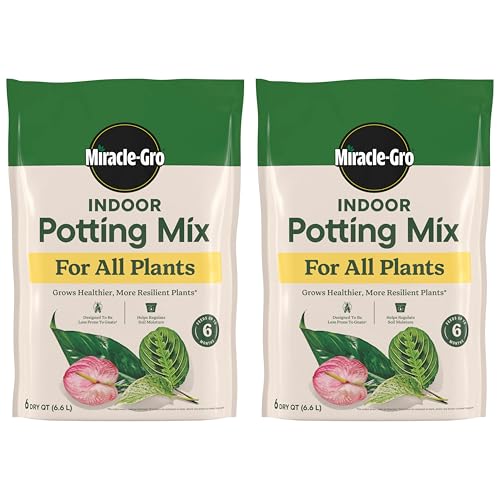
Miracle-Gro Indoor Potting Mix 6 qt (2-Pack)

Miracle-Gro Potting Mix 2 cu. ft.

Miracle-Gro Garden Soil Trees & Shrubs 1.5 cu. ft.

Miracle-Gro Organic Outdoor Potting Mix 16 qt
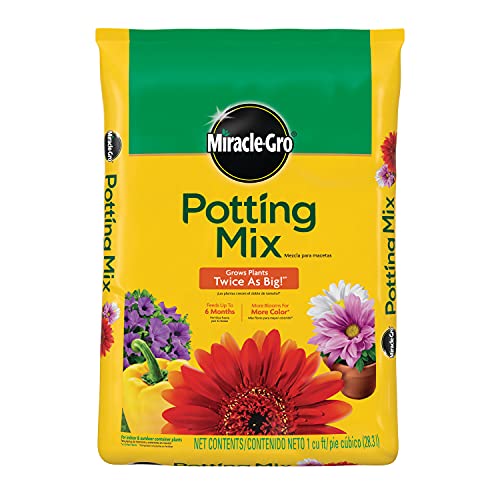
Miracle-Gro Potting Mix 1 cu. ft.
More Details On Our Top Picks
Crape myrtles and tarantulas share remarkably little real estate. Zoo Med Creature Soil is a proprietary blend of peat moss, sand, soil, and carbon formulated for tarantula and invertebrate enclosures, not flowering landscape shrubs. Peat moss is the ingredient that does any gardening work here, and you’ll find that, on its own, it compacts quickly in a deep outdoor bed.
The 1-quart bags (sold in a 3-pack) are sized for terrariums, not patio planters. For most crape myrtle setups, this is the wrong product in the right aisle, and the rest of this list offers far better fits.
What Stands Out
- Natural ingredient list with no synthetic additives
- Sand component supports burrow structure in enclosed habitats
- Carbon helps moderate enclosure moisture
Worth Noting
- Peat-heavy composition compacts quickly in outdoor beds
- Carbon component is intended for arthropod husbandry, not ornamental shrubs
- 1-quart volume per bag means you’d need many bags for even a small container
- No added fertilizer means crape myrtles would need separate feeding from day one
Who It Suits Best
Invertebrate and arachnid hobbyists building naturalistic enclosures, where humidity and burrow stability matter most.
Look Elsewhere When
You want a true shrub-friendly base, in which case the Miracle-Gro Garden Soil Trees & Shrubs is the obvious swap, formulated for woody ornamentals like crape myrtle.
Patio crape myrtles in 14- to 20-inch containers drink a lot through July and August, and a hungry mix that runs out of steam mid-summer is a common frustration. The Miracle-Gro Potting Mix 16-quart 2-pack is formulated for outdoor container plants, with a built-in feed that lasts up to six months.
Six months covers the entire crape myrtle bloom cycle, so for many home gardeners this is genuinely a plant-it-and-forget-it option. The 2-pack gives you roughly 32 quarts, enough for two large containers or a half-dozen mid-sized pots, depending on how densely you pack.
A Favorable Mix
- Six-month continuous feed aligns with the crape myrtle bloom window
- Loose, peat-based texture drains well in unglazed ceramic or terracotta
- Lightweight enough to carry two bags in one trip from the car
Things To Consider
- Not moisture-control formulated, so hot patios may demand daily watering
- Synthetic fertilizer can draw gnats if the surface stays damp
Feature Snapshot
Made For
Patio gardeners who pot up one or two crape myrtles in standard outdoor containers and want a single seasonal soil that handles feeding without extra steps.
Reach For A Different Pick When
Your containers sit in full sun with afternoon heat, where the Miracle-Gro Moisture Control Potting Mix 16-quart’s AquaCoir buffer takes the watering guesswork away.
Some patios see a watering can almost every evening, and some go three days between drinks. Crape myrtles in containers hate both extremes equally. The Moisture Control variant of Miracle-Gro Potting Mix uses the brand’s AquaCoir formula, a coir-and-wetting-agent system that holds more water than a basic peat-only mix and releases it more slowly as the soil dries.
The 8-quart 2-pack is on the smaller side, ideal for one sizable container or two mid-sized pots, and the same six-month feed window carries over from the standard formula.
Positive Takeaways
- AquaCoir coir absorbs and slowly releases water, smoothing out missed waterings
- Six-month feed keeps container crape myrtles going through late summer
- Smaller bag size suits a single-project gardener without surplus to store
Honest Caveats
- Wetting agent can clump if the bag sits open between uses
- Not enough volume for anything beyond two containers
Best Suited To
Busy gardeners whose watering schedule runs hot-and-cold, where the coir buffer prevents the wilting-and-rebounding cycle container crape myrtles despise.
Not Your Match When
You’re planting in-ground or filling a raised bed, in which case the Miracle-Gro Garden Soil Trees & Shrubs is a better structural match for woody roots.
Landscape-scale crape myrtle plantings call for serious volume, and the 2 cu. ft. 2-pack delivers around 4 cubic feet of container-grade mix in a single delivery. That’s enough to fill a half-dozen 14-inch pots or refresh a small raised bed alongside a few smaller annuals.
It’s the same formulation as the smaller 16-quart version, so you get the six-month continuous feed and the same peat-based texture that drains cleanly in standard outdoor containers. For the gardener planting a crape myrtle hedge or refreshing every patio pot in one weekend, bulk volume is the headline win.
Practical Advantages
- 4 cu. ft. total covers a multi-container project without a second order
- Six-month feed means no mid-season fertilizer shopping
- Loose texture reduces compaction during shipping and storage
Points To Keep In Mind
- Two large bags are heavy to move; cart them to the planting site first
- No moisture-control buffer, so the 16 qt Moisture Control version is calmer in heat
Who Should Grab It
Homeowners planting multiple crape myrtles in one go, refreshing every patio container, or building a new raised bed for ornamentals.
Swap It Out When
You’re filling just one or two containers, in which case the standard 1 cu. ft. bag is the more practical size without leftover mix to store.
The single-bag 16-quart Moisture Control option sits in the sweet spot for most home crape myrtle projects, mid-sized, single-purchase, and the AquaCoir wetting system is doing real work on a hot south-facing patio. The mix is engineered to absorb significantly more water than basic peat-only blends, which means the gap between waterings stretches out without leaving roots in a dry pocket.
For a single established crape myrtle in a 16- to 20-inch container, one 16-quart bag typically covers a top-dress refresh or a full repot. The same six-month feed cycle keeps the bloom push steady through the dog days of August.
Practical Pluses
- AquaCoir coir holds more water than basic peat-only mixes
- Six-month continuous feed suits a single container crape myrtle
- 16-quart size is the standard go-to for one large pot
Less Ideal Details
- Wetting agent can lose effectiveness if the bag stays open for months
- Heavier than the indoor mix, so check bag weight before hauling it upstairs
Feature Snapshot
Perfect Match For
Single-container crape myrtle growers on a sunny patio, where one 16-quart bag refreshes a pot at the start of the season without any surplus to store.
A Better Fit Elsewhere
You prefer a smaller bag for a windowsill-sized start, in which case the Miracle-Gro Indoor Potting Mix 6-quart 2-pack is the more appropriate size.
Indoor crape myrtles sound exotic, but in cold-winter zones they’re sometimes overwintered as houseplants or started indoors before transplant. This 6-quart 2-pack is built for that scenario, with a balanced blend of sphagnum peat moss, coir, and perlite (a lightweight volcanic mineral that aerates the mix).
It’s a lighter texture than the outdoor formulas, which is what you want when pots are sitting on windowsills or wheeled into a sunroom. The blend is described as bark- and compost-free, which keeps the indoor smell manageable.
Key Advantages
- Lightweight perlite blend stays airy in smaller containers
- Compost-free formula reduces indoor odor
- Sized for a windowsill start or a small overwintering pot
Softer Spots
- Smaller volume isn’t enough for a full outdoor crape myrtle repot
- Not fortified for woody-ornamental nutrition like the Trees & Shrubs formula
Right Fit For
Northern gardeners who start crape myrtle cuttings indoors in late winter or pot up a small plant to overwinter before spring transplant.
Where Another Pick Suits Better
You want a year-round patio planting, in which case the Miracle-Gro Potting Mix 16-quart 2-pack handles the larger outdoor volume and feeding window more efficiently.
One bag at 2 cubic feet is the everyday workhorse for a gardener with a single big project. A 24-inch patio planter holds roughly 2 cubic feet of mix, and this bag is sized to fill exactly that pot without leftover storage headaches. The formulation matches the smaller bags: container-grade peat blend, six-month feed, and the loose texture crape myrtle roots prefer.
For gardeners without a second project in the queue, the single 2 cu. ft. bag beats the 2-pack on practicality. You fill the pot, you toss the empty bag, and the patio stays tidy.
Everyday Wins
- 2 cu. ft. is the right volume for one extra-large patio planter
- Six-month feed simplifies the seasonal care routine
- Loose texture means less compaction at the bottom of deep pots
Practical Considerations
- No moisture-control buffer for hot afternoon sun
- Bag is bulky; break it up into a wheelbarrow before hauling to the planting site
Built With In Mind
Gardeners refilling a single statement container or refreshing one large patio planter at the start of the growing season.
Consider Something Else When
Your planter sits in reflected heat from a south-facing wall, where the Moisture Control Mix 16-quart would be a calmer choice.
Crape myrtles are woody shrubs first and flowers second, and the root establishment that supports heavy bloom happens in year one. The Miracle-Gro Garden Soil Trees & Shrubs is fortified with phosphorus (for root development) and iron (for chlorophyll production), which directly targets the early-growth window.
Unlike the container-focused Potting Mixes above, this formula is designed for in-ground planting, used as a backfill amendment when digging a hole for a new shrub. The 1.5 cu. ft. bag suits a single planting hole for a young crape myrtle, with a small amount left over for top-dressing.
A Few Strong Suits
- Phosphorus and iron fortification supports early root and leaf development
- Moisture-control technology in an in-ground amendment
- Up to three months of continuous feed during establishment
Potential Compromises
- Not designed for container use; a dedicated potting mix is the better fit for pots
- Iron content can stain concrete if spilled on a patio
Feature Snapshot
Whose Shelf It Belongs On
Homeowners planting a new in-ground crape myrtle, where backfill amendment matters more than container convenience.
Skip It When
Your crape myrtle lives in a patio pot, in which case the Potting Mix 16-quart 2-pack offers the texture and feed duration a container root system needs.
Organic gardening has moved well beyond niche, and crape myrtles respond to a steady natural-feed approach just as happily as they do to synthetic blends. The Organic Outdoor Potting Mix includes a quick-release natural fertilizer and continues feeding for up to two months, with peat sourced from certified producers.
For most home gardeners, the 16-quart bag covers one large patio container or several smaller ones, and the texture is similar to the standard Potting Mix. Expect a different feeding rhythm, two months versus six, so plan a light supplemental feed at midseason if bloom vigor fades.
The Upside
- Natural fertilizer source suits organic gardening routines
- Locally crafted container blend with responsibly sourced peat
- Up to two months of natural feeding on the front end
Trade-Offs To Consider
- Shorter feed window than the synthetic six-month formulas
- Natural ingredients can attract curious birds scratching at containers
Who Will Love This
Organic-focused gardeners building a crape myrtle corner with companion herbs and pollinator plants, where the natural sourcing fits the broader bed philosophy.
Another Choice May Suit
You’d rather not top-dress midseason, in which case the standard Potting Mix 16-quart 2-pack with its six-month feed is the lower-fuss pick.
The standard 1 cu. ft. bag is the size most first-time crape myrtle planters reach for, and it earns its place as a versatile pick. The formulation is the same container-grade peat blend with a six-month feed that’s been on shelves for years, and the 1 cu. ft. volume fills one 14- to 16-inch pot without surplus or shortage.
Application is straightforward: fill the container about a third full, set the plant in, and top up around the rootball. The mix is light enough to press in by hand without compacting, and the feed window covers the full crape myrtle bloom cycle from early summer into early fall.
Noteworthy Benefits
- Versatile formulation works for indoor or outdoor container use
- Six-month continuous feed covers the crape myrtle bloom season
- Standard 1 cu. ft. size is easy to handle and store
What To Weigh
- No moisture-control buffer, so water more often in peak heat
- Single bag means another purchase is needed for a second container
Right Fit For
First-time crape myrtle planters who want one bag, one pot, and one straightforward seasonal project without any bells or whistles.
Look Elsewhere When
You have multiple containers to fill, in which case the 2 cu. ft. 2-pack delivers better volume economics for the same per-cubic-foot cost.
Choosing The Right Soil Base For Crape Myrtles
Drainage Is The First Gate
Crape myrtles fail in heavy, slow-draining soil long before they fail from low fertility. Roots sitting in waterlogged mix develop rot, and the plant never reaches the bloom stage. Look for a peat- or coir-based mix with perlite for aeration, and avoid dense garden soil amendments for container use. A simple test: squeeze a handful of moistened mix. It should hold its shape loosely and break apart easily when prodded. If it stays in a tight ball, drainage is going to be a problem.
Feed Duration Matches Your Routine
A six-month continuous feed suits gardeners who set the pot and forget the fertilizer. A two-month natural feed suits organic growers who already plan to top-dress with compost midseason. Match the mix to your real routine rather than chasing the longest feed window, because the longer synthetic feeds can over-deliver in a small container and cause leggy growth at the expense of flowers.
Container Versus In-Ground
Container mixes (labeled Potting Mix) are lighter, peat-based, and built to drain through a drainage hole. In-ground amendments (labeled Garden Soil) are denser, often fortified for root development, and meant to be backfilled into a planting hole. Crape myrtles in containers need the lighter blend, and crape myrtles planted in the landscape benefit from the fortified backfill approach.
Volume Planning Saves A Second Trip
Measure your containers before ordering. A 14-inch pot holds roughly 1 cu. ft. of mix, a 20-inch pot closer to 2 cu. ft., and a 24-inch planter about 3 cu. ft. Buying slightly more than calculated is sensible, because mix settles after the first watering, and a low container means water runs off the top rather than soaking in.
Key Considerations Across These Picks
Pitfalls Shoppers Hit
The most common crape myrtle soil mistake is grabbing a dense garden amendment for a container, which suffocates the roots and produces a chronically unhappy plant. The reverse mistake is equally common: using a lightweight indoor blend for a large outdoor planter that needs more structural support. Read the label for “container” or “in-ground” wording, and match the bag to the planting site.
Where The Extra Money Goes
Bigger bags, moisture-control formulations, and organic sourcing all carry a higher per-cubic-foot cost, and the trade-off is real convenience. Moisture control reduces watering frequency on hot patios, organic blends fit a specific gardening philosophy, and bulk bags cut down on repeated orders. The upgrade pays off when your schedule is tight or your planting site is demanding, but a standard 1 cu. ft. bag is a perfectly valid starting point for a first crape myrtle in a single container.
Frequently Asked Questions
What Soil pH Do Crape Myrtles Prefer?
Crape myrtles grow best in slightly acidic soil, generally in the 5.5 to 6.5 pH range. Most commercial potting mixes land in this window, and a simple at-home test kit will confirm where your soil sits.
Can I Use Regular Garden Soil In A Crape Myrtle Container?
Garden soil compacts quickly in containers and drains poorly, which leads to root rot. A peat- or coir-based potting mix is the safer choice for any container crape myrtle.
How Often Should I Repot A Container Crape Myrtle?
Most crape myrtles need a refresh every two to three years, or whenever roots start circling the drainage holes. A full repot into fresh mix restores drainage and resets the feed cycle.
Do Crape Myrtles Need Fertilizer Beyond The Potting Mix?
A six-month feed covers most of the growing season, but a light supplemental feed in mid-to-late summer helps sustain the second bloom push in warmer zones. A two-month organic blend benefits from a midseason compost top-dress.
Is Moisture Control Mix Worth It For Crape Myrtles?
On hot, sunny patios where containers dry out within hours, the AquaCoir coir buffer genuinely helps. In shadier or cooler spots, the standard mix performs comparably and saves on cost.
Closing Remarks
Crape myrtles reward attention at planting time more than at any other moment in their lifecycle. The right soil base sets the stage for years of summer color, and the wrong one sets up years of frustration.
Match the mix to your planting site, your watering habits, and your feeding routine, and the rest of the season tends to take care of itself.
