

Desert rose (Adenium obesum) thrives on sharp drainage, low organic buildup, and a gritty open structure that lets caudex roots breathe between waterings. Most bagged “cactus and succulent” mixes do the basic job, but a heavy hand with moisture-retentive peat, fine particles, or slow-draining components ends in caudex rot long before the plant reaches flowering size. Picking the right growing medium matters more for this species than almost any other succulent you’re likely to grow on a sunny windowsill. The picks below focus on porosity, particle size, and ingredient transparency, the attributes that actually decide whether your desert rose survives its first winter.
A Snapshot Of The Selections
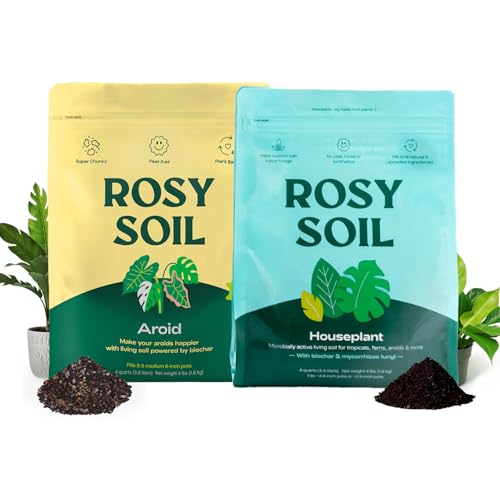
Rosy Soil Aroid and Houseplant Potting Mix Bundle (4 Qt Each)

Rosy Soil Cactus and Succulent Potting Mix Bundle (4 Qt Each)
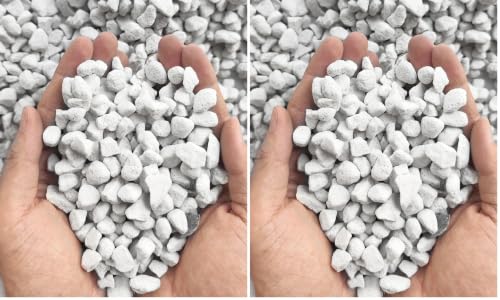
Voulosimi 10QT Organic Perlite Soil Amendment (Pack of 2)
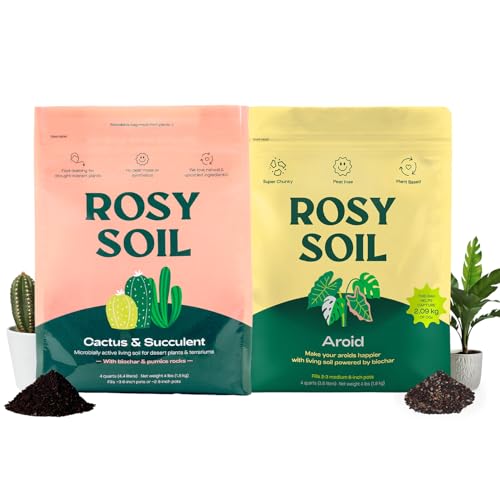
Rosy Soil Cactus and Aroid Potting Mix Bundle (4 Qt Each)

Rosy Soil Three-Mix Indoor Potting Bundle (4 Qt Each)
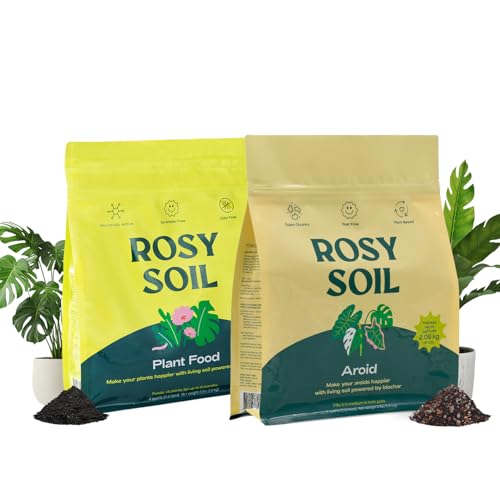
Rosy Soil Chunky Aroid Mix and Plant Food Bundle (4 Qt Each)
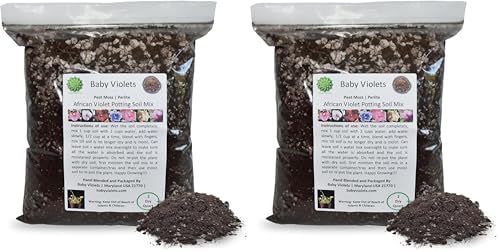
Baby Violets African Violet Potting Soil Mix (Pack of 2)

Dr. Earth 810 Exotic Cactus and Succulent Soil, 8 Quart

Rosy Soil Indoor and Cactus Succulent Mix Bundle

Rosy Soil Aroid and Orchid Potting Mix Bundle (4 Qt Each)
A Deeper Look At The Lineup
This pairing handles two distinct root-zone needs in one shipment, which makes it a sensible starting point for newer growers still figuring out what their collection actually needs. The 4-quart Aroid Potting Mix brings a chunky, bark-and-pumice blend that keeps Monstera, Philodendron, and Anthurium roots airy, while the 4-quart Houseplant Potting Soil lands on the finer, more versatile side for tropical foliage and indoor herbs. For a desert rose grower, the real value here is the biochar-and-worm-castings foundation running through both bags, giving you a base you can lean on for aroids now and amend later for succulents.
You get 8 quarts total in resealable bags, enough to repot two to three medium 6-inch pots from each bag and still have material on hand for touch-ups. The peat-free formulation matters for desert rose because peat compacts over time and holds more moisture than adenium roots tolerate.
Notable Upsides
- Biochar, worm castings, and mycorrhizae work from the first watering, so plants skip the lag of sterile soils
- Two 4-quart resealable bags stay fresh between uses and cover a wide plant range
- Open structure holds up over time, resisting the compaction that wrecks drainage in peat-heavy mixes
- Peat-free formula replaces a high-carbon-footprint ingredient with carbon-negative biochar
Things To Consider
- The chunky aroid texture is too rich on its own for desert rose, so you will need to blend in extra pumice or perlite before using it for adenium
- Smaller bag size means more frequent repurchasing for anyone maintaining a large collection
Who Should Grab It
Newer indoor growers balancing a few aroids with other tropical houseplants, planning to dial in a desert rose mix later with extra drainage amendments.
Look Elsewhere When
Drought-tolerant-focused growers managing mostly succulents should reach for the Rosy Soil Cactus and Succulent Potting Mix Bundle (Item 2) instead, since it ships a fast-draining succulent blend by default.
For a desert rose setup that includes drought-tolerant companions like aloe vera, jade, snake plant, and lithops, this bundle nails the fast-draining structure those plants share. The 4-quart Cactus and Succulent Potting Mix runs gritty and chunky, sized so water passes through quickly and roots stay oxygenated between waterings, while the 4-quart Houseplant Potting Soil covers any tropical foliage sharing the same windowsill. Compared to Item 1, this bundle swaps the aroid-leaning mix for a cactus-focused blend that sits closer to where desert rose thrives out of the bag.
Both bags share the same living-soil backbone: biochar, worm castings, and beneficial fungi that build a root-zone ecosystem instead of feeding plants on synthetic fertilizer schedules. You can amend the cactus mix with extra pumice for desert rose if your environment runs humid, but most growers find the default drainage already aggressive enough for adenium.
Everyday Perks
- Cactus and succulent blend is gritty enough for desert rose without major amendments
- Living-soil foundation reduces how often you need to add supplemental fertilizer
- Bundle format handles both succulent and tropical shelves from one order
- Peat-free base keeps drainage stable over months of watering
Worth Noting
- 4-quart cactus bag may run out quickly for growers with multiple mature desert roses
- Moisture-balancing houseplant side still leans more water-retentive than desert rose needs
Key Specs
The Right Fit
Growers maintaining a mixed drought-tolerant and tropical collection who want one bundle that already speaks the desert rose drainage language.
A Better Fit Elsewhere
Pure succulent growers wanting one large specialty blend rather than a paired bundle should consider Dr. Earth 810 Exotic Cactus and Succulent Soil (Item 8) for its single 8-quart format.
Perlite is expanded volcanic glass heated until it pops into lightweight, porous white particles, and it does more for desert rose than most ready-made succulent mixes handle on their own. This pack delivers 10 quarts across two bags, giving you enough material to stretch any standard cactus mix into something desert rose can live in year-round. The neutral pH of 7.0 means it shifts neither acidic nor alkaline, so it sits comfortably next to organic components without pushing the root zone off balance.
Growers who like to build their own blends tend to reach for perlite first because it prevents compaction and keeps air pockets open even after months of watering. Compared to the bundled soil products above, this one ships as a raw amendment rather than a finished mix.
A Strong Showing
- Adds porosity and prevents compaction in dense or organic-heavy mixes
- Neutral pH keeps it compatible with a wide range of soil recipes
- Two-bag format provides enough volume for multiple repottings
- Lightweight particles improve drainage without adding weight to the pot
Trade Offs
- Not a complete soil on its own, so you still need a base mix to combine it with
- Lightweight texture means it can float to the surface during heavy top watering
Made For
DIY mix builders who prefer to dial in their own desert rose recipe and want a high-volume perlite source at a practical price point.
Skip It When
Growers wanting a one-step ready-to-pot medium should pick the Rosy Soil Cactus and Succulent Potting Mix Bundle (Item 2) instead, since it requires no additional amendments.
This pairing covers the two most popular indoor plant families with chunky, fast-draining texture throughout both bags, no fine particles settling at the bottom of the pot, no surprise sogginess after watering. The 4-quart Cactus and Succulent Mix targets aloe vera, jade, echeveria, snake plant, lithops, desert rose, and bonsai, while the 4-quart Aroid Soil Mix handles monstera, philodendron, alocasia, anthurium, pothos, and peace lily. For desert rose growers, the succulent side ships with desert rose on the label, which signals the manufacturer has tuned particle size for caudex-friendly airflow.
The living-soil architecture (worm castings, mycorrhizae, biochar, pine bark fines, pumice, and compost) keeps the soil feeding itself biologically instead of leaning on synthetic fertilizer. Compared to Item 1, you trade the tropical houseplant soil for an aroid mix, which gives more bark-driven structure if you ever propagate cuttings alongside your desert rose.
Practical Advantages
- Both bags share identical ingredient philosophy, so mixes behave consistently
- Desert rose specifically listed on the cactus and succulent bag label
- Biochar and pine bark fines keep structure open through repeated watering cycles
- Living soil reduces dependency on supplemental fertilizer schedules
Honest Caveats
- Higher-end ingredient list tends to make this bundle costlier than basic cactus mixes
- Aroid mix is too organic for desert rose on its own if humidity runs high indoors
Best Suited To
Growers keeping desert rose alongside aroids who want both sides to share the same peat-free, biochar-enriched foundation.
Consider Something Else When
Single-species succulent collectors should pick Dr. Earth 810 Exotic Cactus and Succulent Soil (Item 8) for its 8-quart single-blend format focused purely on drought-tolerant plants.
Three mixes, three plant groups, one shipment. The 12-quart total covers 6 to 9 medium indoor plants, which suits a household juggling desert rose, aroids, and tropical foliage under the same roof. The 4-quart Cactus and Succulent Mix is the fastest-draining of the three and explicitly built for adenium-style caudex plants, while the Aroid Soil Mix handles alocasia and anthurium, and the Houseplant Potting Soil rounds out monstera, pothos, and philodendron. Each formula is independently calibrated rather than a one-size-fits-all blend.
The unifying thread across all three is the same biochar, worm castings, and mycorrhizal fungi core, so you get consistent soil behavior as plants move between pots. Compared to the two-mix bundles earlier in this list, this one adds a dedicated aroid blend and reduces the volume of any single formula.
What Stands Out
- Three independently calibrated formulas handle distinct plant root systems
- Cactus mix is the fastest-draining of the three, well-suited to desert rose
- Shared biochar and mycorrhizal foundation across every bag
- 12-quart total covers most small indoor collections in one order
Points To Keep In Mind
- Smaller per-bag volume means faster turnover on whichever mix you use most
- More variety than a single-species grower typically needs
Feature Snapshot
Whose Shelf It Belongs On
Diverse indoor gardeners maintaining desert rose alongside aroids and tropical foliage who prefer to standardize on one brand’s ingredient philosophy.
Not Your Match When
Growers who only raise succulents will find excess volume in the aroid and tropical bags; the Rosy Soil Cactus and Succulent Potting Mix Bundle (Item 2) suits that profile better.
This bundle pairs the 4-quart Aroid Potting Mix with the 4-quart Organic Plant Food so repotting and feeding happen in one session. The potting mix is a chunky, fast-draining blend of pine bark fines, pumice, and biochar, while the plant food combines biochar, kelp, worm castings, bokashi, and mycorrhizae. For desert rose, the soil side runs too bark-heavy to use straight, but the plant food top-dresses a desert rose pot nicely when sprinkled sparingly around the caudex base.
One bag of plant food covers roughly 6 plants for up to 6 months, which means you can stretch a single bundle across multiple species. The “no measuring” framing suits growers who want steady nutrition without mixing liquid feeds every week.
Noteworthy Benefits
- Slow-release organic feed reduces how often you need to apply supplemental fertilizer
- Biochar and kelp combination supports root development and steady growth
- Compatible ingredient philosophy between soil and feed simplifies feeding decisions
- One 4-quart bag feeds approximately 6 plants for up to 6 months
Room For Improvement
- Aroid mix component is not the right texture for desert rose on its own
- Slow-release format is harder to adjust mid-season than liquid feeds
Right Fit For
Aroid and tropical plant owners who want a matched soil-and-feed system and have a separate cactus mix on hand for their desert rose.
Reach For A Different Pick When
Desert rose specialists will get more direct value from the Rosy Soil Cactus and Aroid Potting Mix Bundle (Item 4), which skips the plant food in favor of a dedicated cactus blend.
Hand-blended in Maryland from a small specialist producer, this is a peat-and-perlite mix originally tuned for African violets but worth a look as a base component for custom desert rose recipes. Each 2-quart resealable bag holds enough material for several small pots, and the clear poly zip lets you see moisture levels and remaining volume at a glance. The fine texture leans toward moisture retention, so this is not a stand-alone desert rose medium.
Where it earns its place in a desert rose context is as a component in a custom blend: combine it with extra perlite or pumice and you get an airy mix with organic content, which some growers prefer for younger seedlings establishing roots. The small batch nature means bag-to-bag consistency depends on the producer’s process.
Bright Spots
- Peat and perlite base is a familiar, easy-to-amend foundation
- Resealable clear bags let you monitor moisture and remaining soil
- Compact 2-quart sizing suits growers repotting smaller pots one at a time
Softer Spots
- Fine texture holds more moisture than mature desert rose caudex roots tolerate
- Originally formulated for African violets, not drought-tolerant succulents
- Smaller volume per bag means more frequent reordering for larger collections
Who Will Love This
Growers who blend their own desert rose mix from scratch and want a familiar peat-and-perlite starting point from a small-batch producer.
Swap It Out When
Anyone seeking a ready-to-pot desert rose blend should pick the Rosy Soil Cactus and Succulent Potting Mix Bundle (Item 2) to skip the blending step entirely.
An 8-quart single bag is enough to cover a serious desert rose collection without juggling multiple smaller bags. The blend is formulated for cactus, succulents, and other drought-tolerant plants, and it works equally well for indoor containers and outdoor planting projects. The mix suits desert rose on its own for most growers, though you may still want to add a little extra pumice if your humidity stays high.
Compared to the bundled products earlier in this list, this one commits to a single specialized formula rather than pairing it with a tropical side. For pure drought-tolerant collections, that single-focus approach tends to age better in storage.
Points In Its Favor
- Single 8-quart bag suits larger desert rose collections without reordering
- Specialized for drought-tolerant plants rather than a general-purpose blend
- Useful for both indoor containers and outdoor planting projects
- One-bag format simplifies storage between uses
A Few Limitations
- No dedicated tropical or aroid pairing for mixed indoor collections
- Larger single bag requires a dry storage spot to keep the mix usable over time
Perfect Match For
Desert rose growers maintaining several mature plants who want one specialized bag rather than a multi-mix bundle.
Where Another Pick Suits Better
Growers balancing succulents with aroids and tropical foliage should pick the Rosy Soil Cactus and Aroid Potting Mix Bundle (Item 4) for paired coverage in one shipment.
Asymmetric on purpose, this bundle ships 8 quarts of indoor potting soil alongside 4 quarts of cactus and succulent mix. The volume split tilts toward tropical foliage, but the 4-quart succulent side covers several desert rose repottings. The indoor soil feeds monstera, pothos, philodendron, and tropical foliage with the same biochar, worm castings, compost, and mycorrhizae base that the rest of the Rosy Soil lineup uses.
The succulent mix suits aloe vera, jade, cacti, and snake plant, which means you can pot up desert rose companions in the same shipment. Compared to Item 5’s three-bag bundle, this two-bag version skews toward tropical volume.
Strengths Worth Knowing
- Asymmetric volume split gives extra material where tropicals dominate
- Both bags share the peat-free living-soil foundation
- Cactus and succulent blend ships in a fast-draining texture
- One shipment covers a mixed household repotting session
Things To Weigh
- 8-quart tropical volume exceeds what a desert rose grower needs
- Cactus side only delivers 4 quarts, less than the two-bag desert-rose-focused bundles above
Built With In Mind
Mixed households repotting tropical foliage more often than succulents, who still want a credible cactus mix on hand for desert rose.
Another Choice May Suit
Succulent-heavy growers repotting desert rose most often should pick the Rosy Soil Cactus and Succulent Potting Mix Bundle (Item 2) for a more cactus-forward volume split.
Both mixes here lean heavily on pine bark fines and pumice, so the structure mimics the canopy environments that tropical aroids and epiphytic orchids evolved in. The 4-quart Aroid Soil Mix suits monstera, philodendron, anthurium, pothos, and most tropical plants, while the 4-quart Orchid Potting Mix uses orchid bark, pumice, biochar, worm castings, and mycorrhizae to deliver an open, fast-draining blend for phalaenopsis, cattleya, dendrobium, and oncidium. For desert rose, neither bag ships as a stand-alone medium, but the orchid mix’s bark-and-pumice profile is closer to what a caudex-rooted plant tolerates than the aroid side.
The shared microbially active, biochar-enriched, peat-free foundation means both bags age well in storage. Compared to Item 6’s aroid-plus-feed pairing, this bundle trades the plant food for a dedicated orchid formula.
A Favorable Mix
- Bark-heavy structure mirrors natural canopy habitats for tropical aroids and orchids
- Both mixes share the same biochar and mycorrhizal foundation
- Open, fast-draining texture resists compaction over months of watering
- Bundle covers two specialized tropical niches in one shipment
Points To Note
- Neither bag suits desert rose straight out of the package
- Specialized orchid mix may sit unused for growers without orchids on the shelf
Whose Shelf It Belongs On
Growers raising aroids and orchids side by side who want both root environments supported by a single brand’s ingredient philosophy.
Look Elsewhere When
Desert rose specialists should pick the Rosy Soil Cactus and Succulent Potting Mix Bundle (Item 2) for a cactus-focused blend that lists desert rose on the label.
What To Weigh Before Picking A Soil For Desert Rose
Drainage Comes Before Everything Else
Desert rose caudex rot traces back to moisture lingering at the root zone longer than the plant can absorb it. Look for mixes built around pine bark fines, pumice, perlite, or crushed lava, ingredients that hold some moisture briefly but never stay wet. A cactus mix that crumbles apart in your hand with visible coarse particles is a much safer starting point than a fine, dark, peat-heavy blend that clumps when squeezed.
Match The Mix To Your Climate
Indoor humidity, outdoor heat, and watering habits all change how fast a mix dries. Growers in dry climates can lean on mixes with slightly more organic content, while growers in humid or rainy regions need extra pumice or perlite blended in to keep caudex roots from sitting damp. Adjusting a good base mix with an amendment like the Voulosimi perlite above gives you control without rebuilding the recipe from scratch.
Living Soil Versus Sterile Mix
Biochar, worm castings, and mycorrhizal fungi build a root-zone ecosystem that feeds plants gradually and supports long-term soil health. Sterile cactus mixes rely on you to add every nutrient on a schedule. For desert rose in a long-term container, the living-soil approach often reduces how often you need to repot or feed, which suits growers who prefer low-maintenance routines.
Particle Size Beats Brand Reputation
A bag can list all the right ingredients and still fail if the particles are ground too fine. Coarse, visible pieces of bark and pumice are what keep air pockets open at the root level. Avoid mixes where everything looks like coffee grounds, those compact under watering and undo whatever ingredient list promises.
Key Considerations Across These Picks
Pitfalls Shoppers Hit
The most common mistake is grabbing a generic “potting soil” because the bag says cactus and succulent on the front, then watching desert rose rot within weeks. Many mass-market cactus mixes lean heavily on fine peat and compost to keep bags cheap, which holds too much moisture for caudex roots. Always check the ingredient list for visible coarse particles, and avoid anything that feels heavy or sticky when dry.
What The Higher Tier Buys
Premium blends pay for ingredient transparency and biochar-grade amendments that hold their structure across multiple watering cycles. The extra cost goes toward larger particle sizing, mycorrhizal inoculation, and resealable packaging that keeps the living-soil biology alive between uses. For a long-lived desert rose caudex, that investment tends to pay back in fewer repottings and steadier growth.
Frequently Asked Questions
Can desert rose grow in regular potting soil?
Regular potting soil retains too much moisture for desert rose and usually leads to caudex rot. A coarse cactus and succulent blend with extra perlite or pumice is a much safer starting point.
How often should desert rose be repotted?
Most desert rose plants benefit from repotting every two to three years, or whenever roots circle the pot or the caudex outgrows the container. Fresh soil restores drainage and refreshes the microbial ecosystem at the root zone.
Do these mixes need added fertilizer?
Living-soil mixes with biochar, worm castings, and mycorrhizae feed plants gradually and often need less supplemental fertilizer. During active growth in spring and summer, a light dose of diluted cactus fertilizer still helps flowering.
What pot size works best for desert rose?
A pot just slightly wider than the caudex keeps the root zone from staying wet. Terracotta breathes well and suits dry indoor air, while plastic pots retain moisture longer in humid climates.
Is perlite safe to use with desert rose?
Perlite is a clean, neutral-pH amendment that improves drainage without altering soil chemistry. It is widely used in custom desert rose mixes to keep air pockets open at the root level.
Closing Remarks
The right soil for desert rose comes down to drainage, particle size, and ingredient honesty rather than brand recognition. Coarse, biochar-enriched blends with visible bark and pumice give caudex roots the air and dry-down cycles they need to thrive, while peat-heavy “cactus” mixes tend to compact and hold moisture longer than adenium tolerates. Match the mix to your climate, lean on perlite when in doubt, and your desert rose will reward the choice with stronger caudex growth and more reliable flowering.
