

Your dracaena looks calm on the surface, but its roots are telling the real story. Sitting in dense, moisture-holding mix invites root rot faster than almost any other problem you’ll face. The right soil keeps water moving, lets roots breathe, and gives the plant something to grip onto without turning the pot into a sponge.
Most houseplant mixes are too rich for dracaena’s liking. Members of the Dracaena genus, including the popular snake plant (formerly Sansevieria), evolved in rocky or sandy ground where rain drains in minutes. Bringing that same drainage indoors is what separates a thriving specimen from a yellowing, mushy one. Below are ten soils and feeding companions built around that reality, covering everything from specialist blends to general-purpose mixes that still hold up.
The Main Contenders

GARDENERA Premium Snake Plant Potting Soil Mix (1 Quart Bag)

Miracle-Gro Cactus, Palm & Citrus Potting Mix, 8 qt.

Gardenera Snake Plant Spray Fertilizer Mist (8oz)

Miracle-Gro Indoor Potting Mix 6 qt., 3-Pack

Miracle-Gro Indoor Potting Mix, 6 qt.
GARDENERA Money Tree Potting Soil Mix (1 Quart Bag)
Hoffman 10404 Organic Cactus and Succulent Soil Mix, 4 Quarts

Gardenera Money Tree Spray Fertilizer Mist (8oz)

Gardenera Liquid Money Tree Fertilizer 3-1-2 Concentrate (8oz)

Gardenera Liquid Snake Plant Fertilizer 3-1-2 Concentrate (8oz)
A Breakdown Of The Leading Choices
If you want a soil engineered around dracaena’s actual root behavior, this Gardenera blend is the one that lines up most directly. Where the Miracle-Gro mixes below aim at broad houseplant use, this bag is tuned for snake plants and similar species. The texture leans gritty, the ingredient list leans natural, and the goal is simple: get water through the root zone fast and keep air moving.
The one-quart size suits a single small-to-medium repot or a top-up for an existing pot. You may find yourself buying two bags for a larger planter, which is worth knowing up front.
Points In Its Favor
- Formulated specifically for snake plant and Sansevieria-style species, so its drainage profile matches dracaena’s needs.
- Natural ingredient list, including peat moss, perlite, lime, and earthworm castings, supports root aeration.
- Small, manageable bag keeps storage simple in apartments and shared spaces.
- Repotting a single specimen becomes a quick, tidy job rather than hauling a giant sack.
Things To Consider
- One quart may run short for big floor-plant dracaenas, so factor in extra bags for large containers.
- The specialist focus means it isn’t a useful multi-purpose mix if you also pot moisture-loving plants from the same bag.
Who It Suits Best
Snake plant owners who want a soil built for the job rather than adapted from a general indoor mix.
Where Another Pick Suits Better
If you keep several different houseplants on the same shelf, the Miracle-Gro Indoor Potting Mix offers broader everyday coverage in one bag.
The cactus-and-citrus angle isn’t a marketing accident. Those plants share the same fast-draining, low-moosure preferences as dracaena, which is why this Miracle-Gro mix works so well when transplanted into dracaena care. Compared to Gardenera’s specialist blend above, this is the wider-net option: one bag covers several plants on the same shelf.
The eight-quart volume makes it a sensible pick for anyone repotting multiple specimens in one go. Depending on your collection size, one bag handles a round of medium dracaenas without leaving you short.
Where It Excels
- Fast-draining formula matches the airy, low-moisture roots dracaena prefers.
- Eight-quart bag supports multiple repots, ideal for households with several houseplants.
- Widely available through the retailer, so reordering when you run low is straightforward.
- Doubles as a cactus and palm mix, so it doesn’t go to waste after dracaena use.
Trade Offs
- The mix leans toward the coarser side, so a fine layer on top can shift when watering; expect the occasional tidy-up.
- It isn’t tuned for moisture-loving tropicals, so you’ll want a separate mix for those species.
Key Specs
Made For
Multi-plant homes where one bag needs to cover dracaenas alongside other drainage-loving species.
Skip It When
You only grow one or two snake plants and would rather have a specialist blend like Gardenera’s Premium Snake Plant mix.
Foliar feeding doesn’t replace soil feeding, but for a quick pick-me-up between waterings it’s hard to beat a mist. This Gardenera spray delivers a 3-1-2 nutrient ratio, meaning slightly more nitrogen than phosphorus and potassium, aimed at leaf health on snake plants and similar dracaenas. The 8oz bottle fits comfortably in one hand during a weekly routine.
The Helpful Details
- Ready-to-spray format means no measuring cups or diluting in milk jugs.
- Gentle 3-1-2 ratio suits a plant that thrives on restraint rather than heavy feeding.
- Foliage application puts nutrients directly where you can see the result on leaf color.
Honest Caveats
- Misting doesn’t replace proper soil feeding, so it works best as a routine supplement, not a stand-alone plan.
- You may find the 8oz bottle goes faster than expected across a multi-plant household.
Best Suited To
Plant owners who want a low-fuss way to support leaf health without mixing concentrates.
A Better Fit Elsewhere
If you prefer a longer-lasting concentrate, the Gardenera Liquid Snake Plant Fertilizer offers similar nutrients in a bottle that stretches further per dollar.
The same formula as the single-bag version below, but bundled three at a time. For a household repotting several medium dracaenas in a single weekend, a 3-pack means fewer reorder runs and a steadier supply on the shelf. Depending on the size of your pots, this is often where serious indoor gardeners land.
Because it’s tuned for a variety of houseplants, the texture sits in the middle of the drainage scale: lighter than the cactus mix above, but still workable for dracaena when paired with a pot that drains well.
Where It Delivers
- Bulk 3-pack format suits mid-to-large indoor collections.
- Built-in feeding for several months cuts down on repeated fertilizing chores.
- Same consistent formula across every bag, so results don’t vary batch to batch.
- Useful for repotting room rotations across multiple plant species.
Worth Noting
- Not dracaena-specific, so for snake plants you may want to amend with extra perlite.
- The 18-quart total is overkill for anyone tending only one or two small pots.
Right Fit For
Mid-to-large indoor gardeners who repot on a schedule and want one bulk order to cover it.
Consider Something Else When
You’d rather avoid amendments and want a specialist mix out of the bag; Gardenera’s Premium Snake Plant blend is the cleaner option.
The single-bag version of the 3-pack above, this is the everyday workhorse for mixed houseplant shelves. The blend skips compost and bark in favor of coconut coir, a fibrous material that holds moisture without going soggy, and that’s been built to be less friendly to fungus gnats. For dracaena, that translates to fewer hovering insects around the pot.
Coir also helps the mix re-wet evenly after drying, which matters during long stretches between waterings.
Why It Works Well
- Built to be less prone to gnats, since the formula avoids the bark and compost that shelter them.
- Coconut coir holds and releases water in a steady way, helping the mix re-wet after drying.
- Up to six months of built-in feeding reduces how often you reach for a separate fertilizer.
Some Limits To Know
- Not dracaena-specific, so heavier-feeding or moisture-loving tropicals may still want a custom blend.
- Six-quart bag suits a small collection; bigger households will outgrow it quickly.
Feature Snapshot
Who Will Love This
Houseplant owners rotating through pothos, dracaena, and other indoor species who want one reliable bag.
Reach For A Different Pick When
You only grow snake plants and would rather match the soil to the species with Gardenera’s Premium Snake Plant blend.
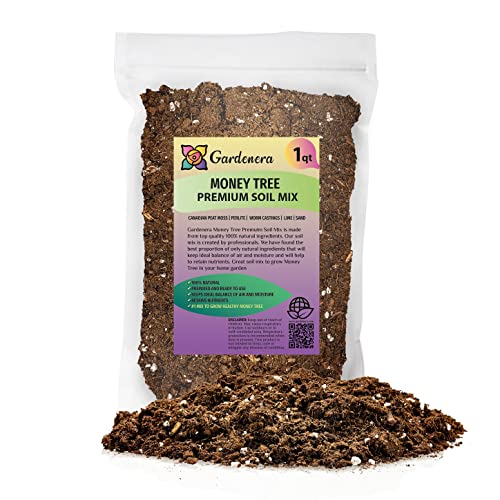
The money tree isn’t a true dracaena, but it shares enough root behavior that the same drainage-first logic applies. This Gardenera bag leans fully natural and is blended specifically for Pachira aquatica, the plant most stores call money tree. It earns a spot on this list because dracaena owners often keep one nearby and want a similar approach.
The one-quart bag fits a single small money tree repot. For a mature specimen in a wide pot, plan on extra bags.
What Makes Sense
- Blended for money trees, so its drainage and texture align with similar root needs.
- Natural ingredient list keeps the mix approachable for organic-minded growers.
- One-quart size handles a single small-to-medium repot cleanly.
Points To Note
- Specialist focus means it isn’t ideal for true dracaena species like Dracaena marginata or fragrans.
- One quart isn’t enough for larger money trees in wide planters.
Perfect Match For
Money tree owners who want a dedicated soil rather than improvising with cactus mix.
Look Elsewhere When
You grow true dracaena like marginata or fragrans; Gardenera’s Premium Snake Plant mix is the better-tuned pick.
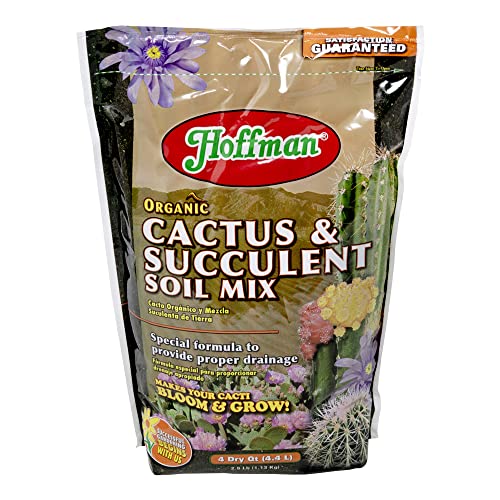
Hoffman’s cactus mix is one of those products that’s been on shelves long enough to become a default. The recipe is professionally formulated, ready to use straight from the bag, and balanced for the gritty, fast-draining conditions jungle and desert cacti need. That same profile lines up neatly with dracaena’s preferences.
For a first-time repottter who wants to skip the perlite-and-coco-coir mixing entirely, this bag is hard to argue with.
The Value In It
- Ready-to-use straight from the bag, no amendments required for most dracaena pots.
- Professionally formulated for cactus species that share dracaena’s drainage profile.
- Four-quart volume sits between the tiny specialist bags and the larger multi-plant sacks.
Soft Spots
- Not specifically tuned for dracaena, so dedicated snake plant growers may still want the Gardenera specialist bag.
- The mix can dry out faster than expected in warm, low-humidity rooms, so monitor watering accordingly.
Feature Card
Who Should Grab It
First-time repotting owners who want a ready-made, no-amendment soil that handles dracaena cleanly.
Swap It Out When
You keep a wide range of tropicals and want one mix that handles moisture lovers too; the Miracle-Gro Indoor Potting Mix is the more flexible option.
A money-tree twin to the snake plant spray reviewed earlier. Same 3-1-2 ratio, same ready-to-spray format, but tuned for the foliage of Pachira aquatica. For dracaena owners who also keep a money tree at the office or on a shared desk, having one mist that handles both plants cuts down on shelf clutter.
The compact bottle slips into a tote or desk drawer, making it a sensible companion for travel between home and a workspace plant.
The Good Stuff
- Tuned for money trees, with a gentle 3-1-2 ratio that suits lightly-fed foliage.
- Compact 8oz bottle stores easily on a desk or shelf without taking up much room.
- No-mess spray format works well between waterings.
Less Ideal Details
- Specialist focus means it isn’t the most efficient choice for a general houseplant feeding routine.
- Foliar sprays alone won’t replace a regular soil fertilizing schedule over the long term.
Built With In Mind
Money tree owners who want a tidy, no-mix spray to support leaf health between soil feedings.
Another Choice May Suit
Dracaena-focused gardeners may want the matching Gardenera Snake Plant Spray Fertilizer Mist for foliage use on snake plants and Sansevierias.
The concentrate version of the spray above. You measure, dilute, and pour through the soil rather than misting leaves, which delivers nutrients straight to the root zone. The 3-1-2 ratio stays mild, so overfeeding risk is lower than with stronger general-purpose concentrates.
For households feeding on a regular schedule, an 8oz concentrate stretches across many weeks.
Good Reasons To Consider
- Concentrate format dilutes into many feedings, so one bottle lasts through a long care cycle.
- Soil application reaches the root zone where most nutrient uptake happens.
- Mild 3-1-2 ratio suits plants that dislike heavy feeding.
A Few Limitations
- Requires measuring and mixing, so it’s less grab-and-go than the spray mist option.
- Tuned for money trees specifically, so dedicated dracaena growers may want the snake plant version.
The Right Fit
Money tree owners who keep a regular fertilizing schedule and prefer mixing concentrates over spray mists.
A Better Fit Elsewhere
Dracaena keepers focused on snake plants should look at the Gardenera Liquid Snake Plant Fertilizer, which uses the same ratio tuned for that species.
Snake plants don’t need much feeding, which is exactly why a mild 3-1-2 concentrate suits them. The recipe is gentle, organic-leaning, and built around the slow-and-steady growth pattern snake plants actually follow. Pour it through the soil every few weeks during the active season, then ease off in winter.
The 8oz bottle dilutes into a generous volume of feed, so even a small collection gets through many months of routine.
A Favorable Mix
- Mild 3-1-2 ratio matches snake plants’ naturally slow nutrient uptake.
- Concentrate form dilutes into many feedings from one bottle.
- Soil application targets the root zone, where dracaena absorbs most of its nutrition.
Where It Is Less Suited
- Mixing and measuring required, unlike the ready-to-spray mist alternative above.
- Not a multi-purpose fertilizer; moisture-loving tropicals prefer a different blend.
Whose Shelf It Belongs On
Snake plant and Sansevieria owners who want a mild, organic-leaning fertilizer aligned with the species.
Where A Sibling Pick Shines
If you’d rather skip measuring, the Gardenera Snake Plant Spray Fertilizer Mist offers the same nutrient philosophy in a no-mix spray bottle.
What Matters Most Before Choosing Soils For Dracaena
Drainage comes first, every time. Dracaena roots rot quickly in dense, waterlogged soil, so any candidate mix needs visible grit, perlite, or coarse sand. A pot with a drainage hole matters as much as the soil itself, since even a fast-draining blend pools dangerously without one.
Particle size is the second attribute to weigh. Coarse particles create air pockets that roots need, while fine particles collapse into a soggy mass. Look for mixes that include perlite, pine bark fines, or coarse sand rather than only peat. The 8-quart Miracle-Gro cactus blend and the Gardenera specialist bag both lean toward that coarse profile.
Ingredient transparency rounds out the picture. Peat moss holds moisture, perlite adds drainage, coconut coir helps re-wetting, and worm castings contribute gentle nutrients. For dracaena, the lighter and grittier the blend, the safer the root zone stays. Match the soil to the species, then refine with perlite if a general mix feels too dense.
Quick Scenarios Worth Considering
Single-specimen owners benefit most from specialist blends like Gardenera’s Premium Snake Plant mix. Multi-plant households gain more from a versatile bag like Miracle-Gro Indoor Potting Mix. Travelers and office-plant keepers find the spray-format mists easier to keep in a routine.
Key Considerations Across These Picks
Common Shopping Slip Ups
The biggest mistake is grabbing a moisture-loving tropical mix and assuming it works for dracaena. Those blends hold water far longer than dracaena tolerates, and the yellowing, mushy stems that follow can take months to undo. Reach for cactus, palm, or specialist mixes instead.
Another common miss is ignoring the pot. Even a perfect soil fails when there’s no drainage hole at the bottom. A quality mix needs somewhere for excess water to escape.
What The Higher Tier Buys
Premium specialist blends buy you specific tuning. Gardenera’s snake plant mix, for instance, is balanced for Sansevieria roots rather than adapted from a general-purpose recipe. That translates to less guesswork, fewer amendments, and a lower chance of rot in the months after repotting.
Concentrate fertilizers, meanwhile, buy you longevity. An 8oz bottle dilutes into many feedings, which means fewer reorders and a steadier nutrient routine through the active growing season.
Frequently Asked Questions
Can I use regular potting soil for dracaena?
You can, but it’s risky for most standard mixes, which hold more moisture than dracaena prefers. Adding perlite improves drainage, though a cactus or specialist blend is the safer starting point.
How often should I repot my dracaena?
Most dracaenas need repotting every two to three years, or whenever roots circle the bottom of the pot or push through the drainage hole. Spring and early summer are the gentlest windows.
Do snake plants and dracaenas need the same soil?
Snake plants, formerly Sansevieria, are part of the broader Dracaena family and tolerate similar fast-draining blends. Specialist snake plant mixes tend to lean grittier, while general dracaena mixes balance drainage and slight moisture retention.
Is fertilizer necessary for dracaena?
Dracaena grows slowly and rarely needs heavy feeding. A mild 3-1-2 liquid feed every few weeks during the active season is usually enough. Skip fertilizing in winter when growth naturally slows.
Can cactus soil replace specialist dracaena mixes?
Cactus and succulent mixes work well for most dracaena species, especially snake plants. The main trade-off is granularity; cactus mixes often run grittier, which suits dracaena but dries out faster in warm rooms.
Closing Remarks
Pick a soil that respects dracaena’s roots first. The grit, the air pockets, and the drainage hole matter more than any single brand. Once that foundation is solid, the rest of the routine, watering, feeding, light, falls into place more easily. Match the mix to your collection size, and let the plant tell you what it needs.
