

Ferns aren’t forgiving houseplants, but their soil can make or break them. Most houseplant mixes hold water like a sponge, and soggy roots send ferns into a slow decline that looks like thirst but is actually rot. The right substrate breathes, holds moisture without saturating, and gives roots something to grip. Choosing well now means fewer crispy fronds and a lot less guesswork later.
A Snapshot Of The Selections

Rosy Soil Plant Food, Organic Fertilizer (4 Quarts)
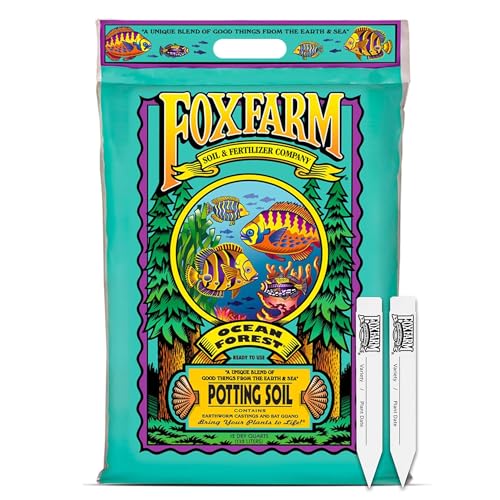
FoxFarm Ocean Forest Potting Soil (12 Quarts)

rePotme Bromeliad Potting Mix

FoxFarm Ocean Forest Potting Soil (1.5 cu ft)

Miracle-Gro Potting Mix, 16 qt. (2-Pack)

Organic Plant Magic Compressed Potting Soil

Plantonix Worm Bliss Worm Castings (1 Qt)

GARDENWISE Organic Olive Tree Potting Mix (3 Quarts)
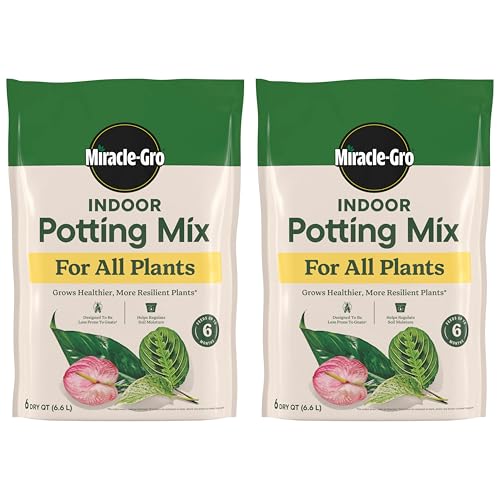
Miracle-Gro Indoor Potting Mix, 6 qt. (2-Pack)
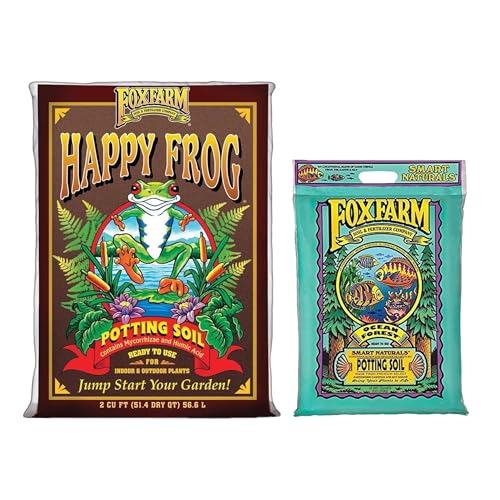
FoxFarm Happy Frog 2 cu ft + Ocean Forest 12 qt
A Deeper Look At The Lineup
Rosy Soil Plant Food leans into a charcoal-style ingredient list built around biochar, kelp, worm castings, compost, bokashi, and mycorrhizae, the beneficial fungi that colonize roots and help them draw in nutrients. The blend skips peat entirely, which appeals to fern growers trying to move away from harvested peat bogs. In a shaded bathroom or north-facing living room, this gives a Boston fern or a maidenhair a steady, gentle feed rather than a chemical rush.
Unlike denser potting soils, this reads more like a soil amendment than a stand-alone medium, so most owners blend it into an existing fern mix at planting time. The four-quart bag fits a few small re-pots comfortably, and you won’t smell the sharp ammonia note that some synthetic fertilizers leave behind. For most households, that balance of organic inputs and peat-free sourcing is the main draw.
The Helpful Details
- Biochar and mycorrhizae support slow, steady root development
- Peat-free composition appeals to sustainability-minded growers
- Worm castings and kelp feed ferns without burning tender fronds
- Works indoors and in outdoor container plantings
Things To Consider
- Acts more like an amendment than a full planting medium
- Four-quart volume runs out quickly across multiple re-pots
- Owners commonly report a stronger earthy smell at first opening
Key Product Details
Who It Suits Best
Shade-dwelling fern owners who want a peat-free, organic boost blended into their existing mix.
Where Another Pick Suits Better
For a ready-to-use, no-blend option, FoxFarm Ocean Forest Potting Soil (12 Quarts) is a better fit for first-time fern growers.
FoxFarm’s Ocean Forest has earned its reputation by skipping the usual starter-soil guesswork. The blend leans on earthworm castings, fish meal, and crab meal for a slow-release feed, while the airy texture keeps delicate fern roots from sitting in stagnant moisture. Twelve quarts covers several re-pots, and the included plant tags help you keep track of varieties when the labels fade.
Right out of the bag, this soil is ready to plant into, which suits anyone who doesn’t want to fuss with mixing ratios or extra perlite. The dark, crumbly texture holds humidity at the root level without compacting. In most apartments, that’s the sweet spot ferns need to push out fresh fiddleheads during the growing season.
A Few Highlights
- Ready-to-use right from the bag, no blending required
- Light, aerated texture helps prevent root rot
- Includes two plant tags for labeling
- Suitable for indoor and outdoor containers
Trade Offs
- Strong organic smell when first opened
- Twelve quarts may run short for large collections
Quick Facts
Made For
Beginners who want a no-mix, dependable potting medium for indoor ferns.
Consider Something Else When
For a peat-free, organic-amendment approach, the Rosy Soil Plant Food (4 Quarts) is worth a look.
The rePotme Bromeliad Mix isn’t a general-purpose blend, and that’s exactly the point. It’s built around sphagnum peat, small fir bark, sponge rock, charcoal, and granite chips, all ingredients that mimic the loose, well-draining pockets where epiphytic ferns and bromeliads naturally grow. For staghorn ferns, rabbit’s foot ferns, and similar epiphytes, this is closer to the texture they evolved in than standard potting soil.
You can pick up the standard bag or step down to a smaller volume if you only have one or two mounts to repot. The chunky structure also makes it a useful top-dress for soil mixes that compact too quickly. Compared with the smoother FoxFarm blend above, this one feels more like a textured forest floor than a potting medium, which is what tropical ferns prefer.
Where It Helps
- Mimics the airy, epiphyte-friendly texture tropical ferns love
- Charcoal component helps keep the root zone fresh
- Available in multiple bag sizes
- Works well as a custom-blend base ingredient
Points To Note
- Chunky texture can be too coarse for small terrestrial ferns
- Smaller bags cost more per quart than larger mixes
- Dries out quickly without humidity-loving conditions
The Right Fit
Collectors of staghorn, bird’s nest, and other epiphytic ferns who want a true specialty mix.
Not Your Match When
For a versatile, all-purpose option that handles Boston and Kimberly queen ferns equally well, FoxFarm Ocean Forest Potting Soil (12 Quarts) is a safer pick.
This is the same FoxFarm Ocean Forest blend as the 12-quart bag, just in a 1.5 cubic foot format that suits serious plant households. If you’re refreshing a half-dozen ferns at once or refilling multiple decorative pots, the larger bag keeps you from running out mid-repot. It’s still the same ready-to-use, light, and aerated mix you’ve come to expect.
The bag is bulky, so storage planning matters, but you can keep the unused portion sealed and dry for months without losing texture. The texture still drains well for ferns that hate wet feet, and the nutrient density from earthworm castings, fish meal, and crab meal gives new transplants a gentle start.
The Upside
- Generous 1.5 cu ft volume for bigger collections
- Same trusted Ocean Forest blend in a larger format
- Ready to plant without amending
Small Caveats
- Bulky bag requires dry storage space
- Heavier to lift and pour than smaller bags
Feature Snapshot
Best Suited To
Multi-plant households running out of smaller bags too quickly.
Skip It When
For a smaller starter quantity, FoxFarm Ocean Forest Potting Soil (12 Quarts) is a smarter buy.
Miracle-Gro’s two-pack of 16-quart bags leans into practicality. The mix is engineered for outdoor container plants and continues feeding for up to six months, which keeps maintenance light through the active growing season. For ferns in patio pots, this delivers the kind of steady nutrition they need without monthly fertilizing.
The blend does sit a bit denser than the FoxFarm options above, so adding a handful of perlite helps if your ferns are moisture-sensitive. Two bags give you backup for staggered re-potting or several large planters. For gardeners balancing cost with coverage, this is one of the more accessible two-pack options on the market.
Noteworthy Benefits
- Long-feeding formula reduces fertilizing chores
- Two-pack format stretches value across multiple planters
- Formulated for outdoor container plants
Factors To Consider
- Denser texture may need extra perlite for ferns
- Not designed for indoor use in enclosed rooms
- Heavier to ship than compressed alternatives
Who Should Grab It
Outdoor container gardeners looking for low-maintenance, long-feeding soil.
A Better Fit Elsewhere
For indoor ferns, the Miracle-Gro Indoor Potting Mix (6 qt., 2-Pack) is more climate-appropriate.
Organic Plant Magic arrives as a compressed brick that expands up to four times once you add water, which solves a real storage problem. Apartment growers without a garage can tuck the brick onto a closet shelf and only mix what they need. Coconut coir forms the bulk of the material, supplemented with worm castings for a gentle feed.
The texture is light and slightly spongy, which ferns appreciate, though adding perlite helps if you keep plants in a drier room. The resealable bag means leftover dry material stays fresh between sessions. For someone just starting their first fern or two, this is a tidy, easy-to-store option.
Well-Handled Touches
- Compact brick format saves significant shelf space
- Coconut coir base holds moisture without compacting
- Resealable bag keeps leftover product fresh
- Suitable for indoor and outdoor use
A Few Limitations
- Requires pre-soaking before use
- Coir alone may need supplemental perlite for drainage
Feature Rundown
Perfect Match For
Small-space growers who want shelf-friendly soil that hydrates on demand.
Look Elsewhere When
For a ready-to-use, no-soak alternative, FoxFarm Ocean Forest Potting Soil (12 Quarts) saves a step.
Worm castings are the quiet workhorse of organic gardening, and Plantonix’s Worm Bliss delivers pure castings in a one-quart package. Rather than acting as a full planting medium, the castings get mixed into your existing fern soil at roughly a 1:10 ratio to boost microbial life and nutrient retention. They release nitrogen, phosphorus, and potassium slowly enough that fern fronds don’t burn.
The OMRI-listed label reassures anyone growing edibles alongside their ferns. The one-quart size is compact enough to keep on a potting bench, and a little genuinely goes a long way. If you already have a base mix you trust, this is the missing piece that pushes growth forward without overhauling your setup.
What Makes Sense
- Slow-release nutrients reduce burn risk on delicate fronds
- OMRI-listed for organic gardening standards
- Compact one-quart size fits any shelf
- Improves moisture retention when blended into mixes
Honest Caveats
- Not a stand-alone planting medium
- Small volume means frequent re-orders for big gardens
Whose Shelf It Belongs On
Tinkerers who like dialing in custom soil blends for specific ferns.
Another Choice May Suit
For a complete ready-to-use medium, the FoxFarm Ocean Forest Potting Soil (12 Quarts) requires less measuring.
GARDENWISE’s olive tree mix is engineered for Mediterranean conditions, which translates to fast drainage, balanced pH from limestone, and organic ingredients like worm castings and compost. For ferns that prefer a drier root zone, such as asparagus ferns or Kimberly queen ferns, this Mediterranean-style drainage profile actually suits them better than a moisture-retentive houseplant mix.
The three-quart bag is small, so it’s best for a single re-pot or a pair of small planters. The formula claims up to 12 months of nourishment, reducing how often you need to feed. Owners commonly report a clean, low-odor opening compared with fish-meal-based blends, which is a quiet plus in living spaces.
Good Reasons To Consider
- Fast-draining texture suits drier-side ferns
- Organic worm castings and compost for slow feeding
- Limestone inclusion helps balance pH
- Low-odor opening compared with ocean-fed mixes
Less Ideal Details
- Three-quart volume limits use to small projects
- Less moisture retention for humidity-loving ferns
Technical Highlights
Built With In Mind
Fern owners who keep their plants on the drier side or near bright windows.
Swap It Out When
For a moisture-retentive blend suited to Boston ferns, the Miracle-Gro Indoor Potting Mix (6 qt., 2-Pack) handles humidity better.
Miracle-Gro’s indoor-specific formula is built around sphagnum peat moss, coir, and perlite, which together create a lightweight blend that retains moisture without going soggy. For most common houseplant ferns, boston, button, and rabbit’s foot, the mix strikes a workable balance that doesn’t drown the roots in a closed pot.
The two-pack format gives you a backup bag once the first one is opened, which is handy if you’re only re-potting one or two plants at a time. The perlite content keeps the texture loose enough for ferns that dislike compacted soil. For an everyday indoor blend, this is one of the more approachable options for casual plant owners.
A Few Strong Suits
- Lightweight texture suited to indoor ferns
- Sphagnum peat, coir, and perlite balance
- Two-pack format spreads out usage
- Designed specifically for indoor use
Things To Weigh
- Six-quart bags run out fast across bigger collections
- Not as nutrient-dense as some organic blends
Who Will Love This
Casual indoor gardeners tending a few houseplants in a standard apartment.
Reach For A Different Pick When
For richer organic nutrition, the Rosy Soil Plant Food (4 Quarts) adds a peat-free feed layer.
This bundle pairs a 2 cubic foot bag of Happy Frog with a 12-quart bag of Ocean Forest, giving you two of FoxFarm’s flagship soils in one shipment. Happy Frog is amended with soil microbes that improve root efficiency, while Ocean Forest brings the fish-meal-and-crab-meal nutrient density. Together, they cover everything from tender transplants to mature re-pots.
The pairing works well if you grow a mix of ferns at different life stages, since you can use Happy Frog for young plants and Ocean Forest for established ones. The combined volume is large, so plan for storage. Owners commonly mention that the two-bag setup saves running out mid-project on a busy re-potting day.
A Strong Showing
- Two FoxFarm flagship soils in one bundle
- Microbe amendments in Happy Frog support root efficiency
- Useful for ferns at multiple growth stages
Some Limits To Know
- Bundled bags require dedicated dry storage
- More soil than a small collection needs
Right Fit For
Plant households re-potting several ferns at once who want both starter and mature mixes on hand.
Where A Sibling Pick Shines
For a smaller-scale, single-bag purchase, FoxFarm Ocean Forest Potting Soil (12 Quarts) is a more manageable starting point.
Choosing The Right Fern Soil Without The Guesswork
Ferns care most about three things in their substrate, and each one shapes how healthy the root zone stays. Drainage tops the list: a mix that holds too much water suffocates roots and invites rot. The second is texture, meaning the right balance of chunky and fine particles so air still reaches the roots. The third is nutrient density, since ferns are light feeders and benefit from slow, organic sources rather than sharp synthetic spikes.
Match the soil to the fern. Boston, Kimberly queen, and rabbit’s foot ferns prefer moisture-retentive mixes that mimic forest floors. Staghorn and bird’s nest ferns want chunky, orchid-bark-style blends with sharp drainage. Asparagus ferns sit in the middle, appreciating a balance of moisture and air.
Think about your environment too. Dry apartments push you toward coir-heavy or peat-based blends that hold humidity longer. Bathrooms and kitchens naturally raise ambient moisture, so you can lean toward faster-draining mixes. For most home growers, adding a handful of perlite to any standard mix boosts drainage without overhauling your routine.
Key Considerations Across These Picks
Mistakes Worth Dodging
Picking the cheapest bag on the shelf is one of the easier ways to lose a fern. Dense, bargain-bin soils compact quickly and hold water against the roots, which is the opposite of what most ferns need. You also want to skip outdoor garden soil for indoor pots, since it compacts badly and may carry pests into your living room.
Where The Extra Money Goes
Premium mixes justify their cost through ingredient quality: worm castings, biochar, mycorrhizae, and aged bark. These inputs feed soil life, support root development, and reduce how often you need to fertilize. The upgrade pays off most when you’re growing rarer ferns or maintaining a long-lived indoor collection where cheap soil tends to fail after one season.
Frequently Asked Questions
Do ferns need special soil?
Yes. Ferns need well-draining, moisture-retentive mixes because their roots dislike both soggy and bone-dry conditions.
Can I use regular potting soil for ferns?
You can, but standard mixes often compact too quickly. Adding perlite or orchid bark improves drainage for most ferns.
Is peat moss good for ferns?
Peat moss holds moisture well, which suits many ferns, though peat-free alternatives like coconut coir work comparably for sustainability-minded owners.
How often should I repot a fern?
Most ferns benefit from repotting every one to two years, or when roots crowd the pot and water runs straight through.
Do ferns like orchid bark?
Yes, epiphytic ferns like staghorn and bird’s nest thrive in bark-heavy mixes that mimic their natural growing conditions.
The Takeaway
Your fern’s health is mostly a soil story, and matching the mix to the species makes the biggest difference. Start with the fern type, then pick a blend that matches its drainage and moisture needs. Once you’ve found the right fit, watering and light become far simpler to manage.
