

Fig trees reward careful soil choices. Whether you’re repotting a fiddle leaf fig or establishing a hardy brown turkey in a patio container, the wrong medium holds too much water and slowly suffocates the roots. The ten picks below cover everything from indoor leafy figs to in-ground Mediterranean varieties, with attention to drainage, organic content, and ready-to-use convenience.
A Closer Look At The Lineup
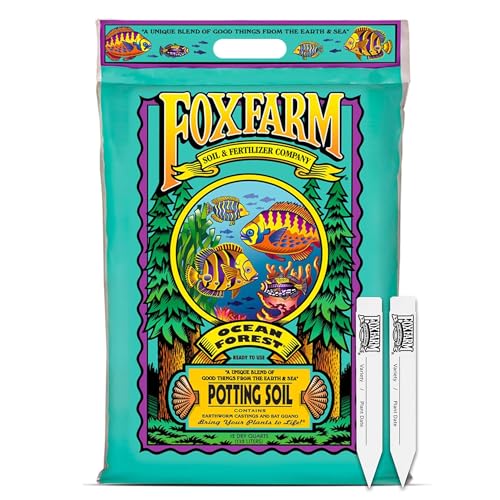
FoxFarm Ocean Forest Potting Soil, 12 Quarts

FoxFarm Ocean Forest Potting Soil, 1.5 cu ft
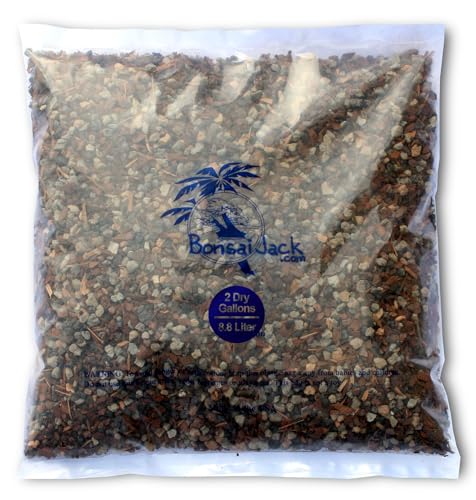
Bonsai Jack Universal Organic Bonsai Soil Mix #221, 2 Gallons

Miracle-Gro Potting Mix, 16 qt., 2-Pack

DUSPRO Money Tree Soil Indoor, 3-in-1, 4 Quarts

GARDENWISE Organic Olive Tree Potting Mix, 3 Quarts

Miracle-Gro Indoor Potting Mix for All Plants, 6 qt., 2-Pack

FoxFarm Ocean Forest Potting Soil, 12 Quart

DUSPRO Fiddle Leaf Fig Soil, 5-in-1, 6 Quarts

DUSPRO Pre-Mixed 4-in-1 Citrus Tree Soil, 6 Quarts
Inside Each Recommended Option
FoxFarm Ocean Forest has earned a strong following among indoor fig growers, and the 12-quart bag is a tidy size for someone repotting a single fiddle leaf or a couple of small patio figs. The blend mixes earthworm castings, fish meal, and crab meal into a light, airy medium that drains well without drying out too fast. Two plant tags come in the bag, which sounds minor but matters when you’re juggling a windowsill collection of cuttings and mature plants.
The texture holds moisture long enough for roots to drink, then lets excess flow through. For most home growers, this is the easiest path to a healthy repot without mixing your own amendments.
A Favorable Mix
- Light, aerated texture that suits fig root systems prone to rot in dense soils.
- Organic amendments like fish meal and crab meal feed the tree for the first several weeks.
- Ready to use straight from the bag, no measuring or blending required.
- 12-quart size is manageable for a single repot or a small indoor collection.
Things To Consider
- Smaller bag means multiple purchases may be needed for a large patio fig.
- The included organic meals have a faint earthy odor at first pour.
Key Specs
Whose Shelf It Belongs On
Container fig growers who want a balanced, ready-to-use blend without mixing their own ingredients.
Skip It When
Bonsai Jack Universal Organic Bonsai Soil Mix #221 suits you better if you keep fig bonsai or want a grittier, faster-draining medium than Ocean Forest provides.
The 1.5 cubic foot version of Ocean Forest is the same proven blend in a far more generous bag, and it makes sense for anyone repotting several fig trees at once or refreshing an in-ground bed around a young tree. The light, aerated texture that the smaller bag is known for carries over here, so you don’t trade quality for volume. For growers with a small orchard on a patio or a half-dozen indoor figs, one bag covers the season.
The trade-off is weight and storage. A bag this size gets heavy and takes up real space in a garage or shed, so apartment dwellers may struggle to move or store it.
Key Advantages
- Same trusted FoxFarm recipe at roughly four times the volume of the 12-quart bag.
- Cuts down on per-quart cost for multi-tree owners.
- Ready to use with no mixing or extra amendments for most fig varieties.
Things To Weigh
- Heavy and bulky to carry, awkward in walk-up apartments.
- Once opened, the larger bag needs a dry storage bin to keep the blend fresh.
Best Suited To
Multi-tree growers and patio gardeners who repot several figs in a single session and want to buy once.
Look Elsewhere When
The FoxFarm Ocean Forest 12-quart bag is a better fit for apartment dwellers who only need to repot one or two small figs at a time.
Bonsai Jack sits at the gritty, fast-draining end of the spectrum, which makes it a strong match for fig bonsai and any grower who tends to overwater. The mix is screened and pre-washed before it ships, so you pour a clean medium with no dust or fines clogging drainage holes. For a fig tree kept in a shallow bonsai pot, that pre-washing step saves a real mess at the kitchen sink.
The 2-gallon bag is sized for a handful of small repots rather than a full orchard, which is honest given how little soil a bonsai pot actually holds.
Advantages To Know
- Pre-washed grit reduces dust and prevents fine particles from sealing drainage holes.
- Very fast drainage protects roots in shallow pots where overwatering is the common failure.
- Organic composition feeds without compacting over time.
- Reusable in a dry bin between repots.
Points To Keep In Mind
- Drains so quickly that daily watering may be needed in warm indoor rooms.
- Smaller 2-gallon volume runs out fast for any fig in a standard 10-inch or larger container.
Key Specs
Made For
Fig bonsai keepers and growers who want maximum drainage and are willing to water more often.
Reach For A Different Pick When
The DUSPRO Fiddle Leaf Fig Soil is a better match for full-size fiddle leaf figs that need a slightly more moisture-retentive mix than this gritty blend.
Miracle-Gro’s outdoor potting mix is the option most casual gardeners reach for first, and for fig trees in patio containers it does the job without much fuss. The blend is formulated to feed plants for up to six months, which means less fertilizer math during the busiest part of the growing season. Two 16-quart bags in a single order give a generous volume for a couple of large containers or a full season of smaller repots.
The honest read is that this is a general-purpose mix, so figs that want sharper drainage may need added perlite or pine bark.
What Makes Sense
- Built-in feeding reduces the need to remember a fertilizing schedule.
- Widely available at garden centers and online, easy to repurchase.
- Two-pack pricing often works out cheaper per quart than single bags.
- Suitable for vegetables, flowers, and fig trees in the same container bed.
Honest Caveats
- Tends to hold moisture longer than fig-specific mixes, so amend with perlite for fast drainage.
- The slow-release feeding can fade unevenly if pots dry out completely between waterings.
Right Fit For
Beginner fig gardeners and anyone setting up several patio containers who wants one bag to cover most flowering and fruiting plants.
Swap It Out When
DUSPRO Fiddle Leaf Fig Soil suits you better if you want a fig-specific blend with bark and pumice already mixed in for sharper drainage.
DUSPRO’s Money Tree Soil is tuned for a tropical plant with very similar needs to a small indoor fig, so the same blend translates well for tabletop specimens. The 3-ingredient formula is designed to stay light and airy, which helps the root system breathe in a snug apartment pot where air circulation around the plant is often limited. For renters or anyone working with limited shelf space, a 4-quart bag is easy to store and pour.
The lighter texture can dry out fast in a sunny south-facing window, so plan to check moisture more often than you would with a denser mix.
Practical Advantages
- Lightweight formula is easy to carry upstairs and pour without straining your back.
- Pre-mixed convenience skips the perlite-and-coco-coir measuring step.
- Good drainage balance suits small fig varieties in 4 to 8-inch pots.
Practical Considerations
- Small 4-quart bag requires multiple purchases for anything larger than a tabletop fig.
- Dries out faster than denser mixes in warm, sunny rooms.
Key Specs
Who Will Love This
Apartment dwellers with a single small fig or money tree who want a lightweight, no-mix soil for a quick repot.
A Better Fit Elsewhere
Miracle-Gro Potting Mix, 16 qt. 2-Pack is a smarter pick for outdoor patio containers where you want a larger volume and built-in feeding.
Olive trees and fig trees share Mediterranean origins, so a mix designed for one often serves the other. GARDENWISE’s olive blend aims to replicate those dry, fast-draining hillside soils, balancing enough moisture retention for roots to drink with sharp drainage that prevents soggy conditions. For a fig kept on a sunny patio or a windowsill that mimics a Mediterranean climate, the parallel makes sense.
Organic worm castings, compost, and limestone work into a blend aimed at long-term nourishment, which can stretch the time between feedings for mature trees.
Everyday Perks
- Fast-draining formula mirrors the Mediterranean soils figs evolved in.
- Organic amendments like worm castings support steady growth without synthetic fertilizer spikes.
- Works for both indoor and outdoor olive and fig trees.
Things To Consider
- Only 3 quarts, so you may need several bags for a mature fig in a large container.
- Less widely reviewed than the bigger FoxFarm or Miracle-Gro names, so sourcing refills can take planning.
Who Should Grab It
Fig growers in dry climates or anyone matching an olive tree collection with a Mediterranean-style fig setup.
Consider Something Else When
Bonsai Jack Universal Organic Bonsai Soil Mix #221 is a stronger pick for fig bonsai where the grittier, pre-washed texture matters more than organic feeding.
The indoor version of Miracle-Gro’s potting mix is built for the unique challenge of houseplants: limited light, slower drying, and pots that sit on saucers rather than drain into soil. The blend combines sphagnum peat moss, coir, and perlite to hold moisture without compacting, which matters for indoor figs that don’t get the drying breeze of an outdoor setting. A 2-pack of 6-quart bags gives a workable volume for a small indoor collection.
For fiddle leaf figs in particular, the lighter indoor formula often outperforms generic outdoor mixes that hold too much water indoors.
The Case For It
- Lightweight texture avoids the compaction that suffocates roots in indoor pots.
- Balanced blend of peat, coir, and perlite supports steady moisture without waterlogging.
- Works across a range of common houseplants, not just figs.
Trade-Offs To Consider
- Less nutrient-loaded than the outdoor Miracle-Gro formula, so a separate fertilizer routine helps during the growing season.
- Smaller bags run out quickly for anyone with multiple large houseplants.
Perfect Match For
Indoor fiddle leaf fig owners who want a name-brand houseplant mix without paying for a specialty fig blend.
Not Your Match When
The DUSPRO Fiddle Leaf Fig Soil makes more sense for growers who want bark and pumice in the mix for sharper indoor drainage.
This 12-quart version of FoxFarm Ocean Forest is essentially the same recipe as the top pick, packed under a slightly different listing. The blend relies on aged forest products, sandy loam, and sphagnum peat moss to deliver a light, aerated medium that suits container figs. It’s the option to grab when the first FoxFarm listing is out of stock and you still want the proven Ocean Forest formula on hand for the weekend’s repotting session.
For most growers, picking this over the first 12-quart listing comes down to which one ships faster or costs less at the moment.
Features That Help
- Same Ocean Forest blend with aged forest products and sandy loam for natural drainage.
- Light enough for young roots to push through, supportive enough for mature trees.
- Useful backup option when the main FoxFarm listing is unavailable.
Where It May Fall Short
- No bundled plant tags like the first listing offers.
- Smaller 12-quart size means a quick second purchase for a large patio fig.
Key Specs
Who It Suits Best
Shoppers who want the Ocean Forest recipe and need a backup source for the standard 12-quart size.
Where Another Pick Suits Better
Miracle-Gro Indoor Potting Mix for All Plants is a better fit if you keep figs strictly indoors and want a brand-name houseplant blend at a similar price point.
DUSPRO’s fiddle leaf fig blend is one of the few mixes on the market built specifically around the species. The 5-in-1 formula combines coco coir, coconut fiber, perlite, pumice, and pine bark, which covers both moisture retention and chunky drainage in a single bag. For fiddle leaf figs notorious for dropping leaves at the first sign of wet feet, that combination matters more than generic “all-purpose” claims.
The 6-quart bag is sized for one healthy repot of a medium fiddle leaf, which is the most common use case.
Everyday Wins
- Fig-specific formula skips the research and guesswork of building your own mix.
- Pine bark and pumice create the chunky texture fiddle leaf figs prefer over fine, dense soils.
- Pre-mixed and ready to pour straight from the bag.
Soft Spots
- Specialty positioning can make refills harder to source than name-brand all-purpose mixes.
- Smaller bag volume than general-purpose alternatives at similar cost.
Built With In Mind
Fiddle leaf fig owners who want a blend tailored to the species rather than improvising with a general indoor mix.
Another Choice May Suit
Miracle-Gro Indoor Potting Mix for All Plants is a sensible alternative for fiddle leaf fig owners who prefer a mainstream brand and don’t mind adding extra perlite for drainage.
Citrus and fig trees share more soil preferences than you’d think: both want a lighter, well-draining medium that doesn’t compact around the roots. DUSPRO’s citrus blend stacks coco coir, coco fiber, perlite, and pine bark into a mix that translates well to figs in containers, especially if you keep a small indoor grove of citrus alongside your fig. The double-screening step keeps the texture consistent for pouring and repotting without clumps.
For anyone matching a citrus-and-fig collection on the same patio, one bag style for both trees simplifies the soil shelf.
The Upside
- Light, aerated texture suits both citrus and fig trees in containers.
- Double-screened raw ingredients reduce clumps and dust for cleaner repotting.
- Pre-mixed convenience fits a busy weekend gardening schedule.
Possible Compromises
- Citrus-first formulation may need extra organic feeding for heavy-fruiting fig varieties.
- Limited 6-quart size requires multiple bags for a mature fig in a half-whiskey-barrel planter.
Who It Suits Best
Growers with a mixed citrus and fig collection who want a single soil blend that serves both species reliably.
Where Another Pick Suits Better
FoxFarm Ocean Forest Potting Soil 12 Quarts is a stronger pick for fig-only growers who want a heavier organic feeding program built in.
What To Weigh Before Choosing Soil For Fig Trees
Drainage Beats Density Every Time
Fig trees hate wet feet, and the single biggest decision you make is how fast water leaves the pot. A medium that holds moisture for two or three days works for tropical houseplants but spells trouble for figs, especially in cooler months when the tree drinks less. Look for mixes that list perlite, pumice, pine bark, or coco chunks, since those create the air pockets roots need to breathe. The FoxFarm blends and the DUSPRO fig-specific mixes earn their place on this list by prioritizing drainage from the start, while denser all-purpose options often need amendment.
Match The Mix To The Fig Type
Not every fig is the same. A fiddle leaf fig on a sunny windowsill wants a lighter indoor blend with steady moisture, while a patio Brown Turkey wants sharper drainage to mimic its Mediterranean origins. Bonsai figs need pre-washed, gritty mixes like Bonsai Jack to keep the shallow root mass healthy. The honest read is that picking a soil based on the fig’s natural habitat pays off more than picking the cheapest bag on the shelf.
Container Size Drives Volume Needs
A 4-quart bag is plenty for a single small repot, but a mature fig in a 14-inch container can swallow 12 quarts in one go. Multi-tree owners get better value from a 1.5 cubic foot bag, while apartment dwellers with one or two figs save their back with smaller bags they can actually lift. The trade-off shows up clearly in cost per quart, so think ahead to how many repots you have planned this season.
Feeding Is Built Into Some Mixes
Several blends include organic meals or slow-release fertilizer, which cuts down on a separate feeding schedule for the first few months. Miracle-Gro’s potting mixes lean heavily on this built-in feeding, while specialty blends like DUSPRO rely more on the structure of the mix itself. Neither approach is wrong, but it’s worth knowing which one you’re picking so you don’t double-feed or starve the tree.
Key Considerations Across These Picks
Where Shoppers Go Wrong
The most common mistake is reaching for garden soil or topsoil because it’s cheaper. Garden soil is formulated for in-ground beds and compacts badly in containers, slowly suffocating fig roots over a season. Another pitfall is skipping drainage amendments because the bag says “all-purpose.” Even good all-purpose mixes benefit from added perlite or pine bark for figs, especially in humid climates or shaded patios. Forgetting to check the bag’s volume before ordering rounds out the top slips: a 4-quart bag looks generous in the listing and barely covers a single medium repot.
Where The Extra Money Goes
Premium and specialty blends charge more for a reason. FoxFarm’s Ocean Forest uses earthworm castings, fish meal, and crab meal that feed the tree organically for weeks, while DUSPRO’s fig-specific mixes source pine bark and pumice for texture that cheaper blends skip. Bonsai Jack’s pre-washing step alone adds labor cost but saves you a dusty, messy pour at the kitchen sink. The upgrade is worth it for serious fig keepers, while casual growers with one patio tree often do fine with a mainstream name-brand mix plus a handful of perlite.
Frequently Asked Questions
What Soil Texture Works Best For Indoor Fig Trees?
A light, well-draining mix with perlite, pine bark, or coco coir works best, since indoor pots dry slowly and dense soils suffocate roots. Specialty blends like the DUSPRO Fiddle Leaf Fig Soil are built for this, while general indoor mixes like Miracle-Gro Indoor Potting Mix can work with added perlite.
Can You Use Outdoor Potting Soil For Indoor Figs?
You can, but it’s risky. Outdoor mixes tend to hold more moisture and may carry pests or fungus gnats that thrive in warm indoor air. Stick to indoor-formulated blends for trees kept inside year-round, and save the outdoor mixes for patio containers.
How Often Should You Repot A Fig Tree?
Most figs benefit from repotting every two to three years, or whenever roots circle the bottom of the pot. Younger trees grow faster and may need annual repotting, while mature figs in large containers can stretch the interval further.
Do Fig Trees Need Fertilizer If The Soil Already Has It?
Most pre-fertilized mixes cover the first few months, after which a balanced liquid fertilizer during the growing season keeps the tree healthy. Specialty blends with organic meals feed more slowly and may need supplementation sooner than slow-release synthetic mixes.
Is Bonsai Soil Safe For Regular Fig Trees?
Yes, but you’ll water more often. Bonsai mixes like Bonsai Jack drain so quickly that standard fig trees in larger pots may need daily watering in warm weather. They’re a great fit for shallow containers and fig bonsai, less ideal for full-size trees.
The Takeaway
Fig trees aren’t fussy once they’re in the right medium, and the right medium almost always means light, airy, and fast-draining. Match the bag to the size of your tree and the climate of its container, and you’ll spend more time enjoying the leaves than troubleshooting yellowing. Pick the blend that fits your setup, repot with confidence, and let the roots do the rest.
