

Finding the right growing medium makes the difference between a flower bed that merely survives and one that genuinely thrives. The best soils for flowers balance drainage, nutrient density, and texture in ways that match the specific demands of blooming plants, whether you are working a small patio container or refreshing an entire border. This roundup walks through ten solid picks across amendment, castings, and full potting mixes, so you can match the medium to your setup without guessing.
A Snapshot Of The Selections

ZeeDix 3QT Coarse Perlite for Plants

Earth Science Earthworm Castings 3 lb

FoxFarm Ocean Forest Potting Soil 1.5 cu ft
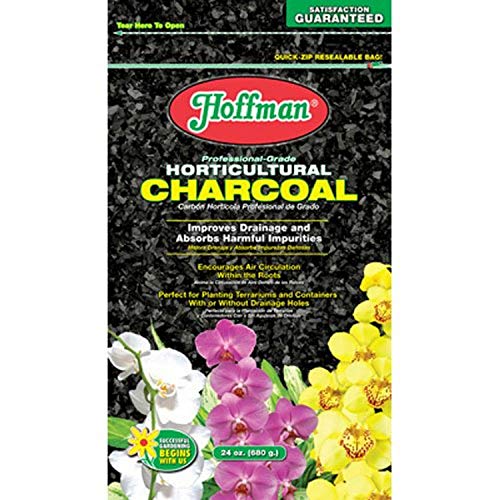
Hoffman 17502 Charcoal Soil Conditioner 24 oz

Organic Plant Magic Compressed Potting Soil

ZeeDix 6QT Coarse Perlite for Plants

Worm Bliss 1 Qt Organic Worm Castings

ZeeDix 3QT Tropical Potting Mix
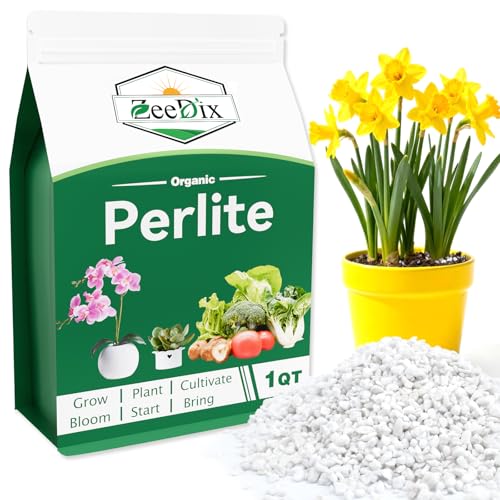
ZeeDix 1QT Coarse Perlite for Plants

ZeeDix 1QT Tropical Potting Mix for Plants
The Details Behind The Selections
Perlite is a heat-expanded volcanic glass, and the coarse grade here runs in the 3 to 9 mm range, which suits chunky mixes where airflow matters more than water retention. Compared with the worm castings we’ll see later, this amendment does not feed plants; it changes the physical structure of whatever you blend it into.
For most backyards mixing your own flower soil, this bag stretches nicely across several medium containers. The ultra-light texture keeps heavy peat from compacting, and the porosity helps roots breathe in deeper pots where moisture tends to settle at the bottom.
Where It Excels
- Improves drainage in dense, peat-heavy blends so roots don’t sit wet after watering
- Holds its shape over time, meaning the airy texture lasts through multiple growing seasons
- Neutral pH means it won’t shift the acidity of the surrounding soil
- Lightweight to carry, even in the 3-quart size, which helps when you’re hauling amendments to a balcony garden
Things To Weigh
- Dust tends to kick up when you pour, so working outdoors or wearing a mask keeps cleanup simple
- You may find the 3-quart size runs out quickly in larger beds
Made For
Container gardeners blending small-to-medium flower mixes who want to fix drainage without changing nutrient profile.
Consider Something Else When
Skip this pick if you’re refreshing an entire flower bed; the larger 6-quart ZeeDix perlite or the FoxFarm Ocean Forest blend will go further.
Worm castings are simply the digested organic matter earthworms produce, and they’re one of the gentlest ways to feed flowers. The 3-pound pouch from Earth Science suits indoor and outdoor setups equally well, and it doubles as a soil conditioner rather than a standalone growing medium.
Work it into the top few inches of an established flower bed, or stir a small handful into a container mix. Castings also raise water retention, which matters in sandy soil that drains too fast for roots to keep up.
What Works In Its Favor
- Slow nutrient release reduces the burn risk that liquid fertilizers carry for tender flower roots
- Adds organic matter that feeds beneficial microbes over time
- Improves water retention in loose or sandy garden soil
- Versatile enough for vegetables, houseplants, and ornamental flowers alike
Points To Note
- Used straight, castings hold moisture; mixing with perlite keeps the texture from getting muddy
- The bag has a faint earthy smell at first that fades within a day after spreading
Right Fit For
Organic-focused gardeners conditioning raised beds or refreshing tired flower borders at the start of a season.
Look Elsewhere When
Reach for FoxFarm Ocean Forest if you want a complete potting soil rather than an amendment to mix in.
FoxFarm Ocean Forest arrives ready to use, with a light and aerated texture that already accounts for the moisture and oxygen balance container flowers need. Unlike the perlite and castings above, this is a finished soil, not an amendment, so you can pot directly from the bag.
The 1.5 cubic foot size covers roughly three to four standard 12-inch containers. It’s the easiest entry point for beginners who want a dependable baseline without measuring out separate ingredients.
A Favorable Mix
- Comes pre-blended with organic matter that supports flowering plants from seedling through bloom
- Aerated texture prevents compaction even after repeated watering cycles
- Available in single-bag and multi-pack options for larger repotting sessions
- Holds moisture long enough to reduce watering frequency in summer
Honest Caveats
- At 1.5 cu ft the bag is heavy to haul upstairs or to a rooftop garden
- The rich organic base can attract fungus gnats if the surface stays damp indoors
Feature Snapshot
Best Suited To
Container gardeners of any skill level who want a ready-made, nutrient-rich starting point without mixing amendments.
Skip It When
Pick the Hoffman charcoal conditioner instead if your containers lack drainage holes and you need to protect against waterlogging.
Horticultural charcoal is activated at high temperatures and used here as a soil conditioner, not fuel. The Hoffman’s 24-ounce pouch adds a porous layer to container mixes, especially useful in pots without drainage holes where excess water would otherwise stagnate.
You typically mix a small percentage into the overall volume rather than using it alone. The charcoal absorbs impurities and helps air circulate around roots that would otherwise sit in stale, saturated soil.
Features That Help
- Porous structure pulls excess moisture away from delicate flower roots
- Absorbs odors and impurities that can build in closed-bottom containers
- Improves oxygen flow around root zones, which is critical in tight pots
- Releases trace minerals slowly as it breaks down over months
Some Limits To Know
- 24 ounces covers only a few mid-sized containers, so larger gardens need multiple pouches
- Black granules float to the surface if you overwater, signaling the mix needs adjusting
Perfect Match For
Anyone growing flowers in decorative containers without drainage holes who needs a buffer against accidental overwatering.
A Better Fit Elsewhere
Choose ZeeDix coarse perlite instead when your pots already drain well and you just need lighter, airier soil.
Compressed potting soil ships as dry granules and expands roughly four times once water is added. The blend draws on coconut coir (the fibrous husk of a coconut, used here as a sustainable peat alternative) and worm castings, which gives it both water retention and gentle organic feeding in one bag.
For apartment gardeners without a car, the compact weight is a quiet relief. Compared with the heavier FoxFarm bag, you can carry a fresh supply home without a second trip.
What It Does Well
- Tiny dry footprint expands to about 3 gallons per brick, saving shelf space in a closet or garage
- Coir base retains moisture without turning soggy, which suits thirsty flower varieties
- Resealable bag keeps unused portions fresh for the next repotting session
- Light enough to ship and store in upper-floor apartments without strain
Less Ideal Details
- Expansion takes a few minutes and requires stirring, so it isn’t truly instant
Quick Facts
Whose Shelf It Belongs On
Apartment dwellers and casual gardeners with limited storage who want to keep soil on hand without dedicating a corner of the closet to it.
Swap It Out When
Choose FoxFarm Ocean Forest if you prefer a fully pre-moistened, ready-to-pour medium and don’t mind the heavier bag.
The 6-quart sibling to the 3-quart ZeeDix perlite carries the same coarse 3 to 9 mm grade, just in a larger volume. For flower gardeners refreshing multiple beds or filling raised planters, doubling the size saves a second purchase and a second trip to the door.
Same story with the texture: porous, ultra-light, and pH neutral, so it won’t interfere with the feeding amendments you mix in. You typically blend one part perlite to three or four parts base soil for most flower types.
Notable Upsides
- Larger volume suits raised beds, multiple containers, or a single large planter refresh
- Same drainage and aeration benefits as the 3-quart bag, just in fewer packages to open
- Stays loose in storage, so you can keep the bag sealed between growing seasons
Worth Bearing In Mind
- Bigger bag means more dust exposure when pouring, so outdoor mixing is the cleaner choice
- Without a moisture component, perlite alone won’t sustain seedlings through dry spells
Who Should Grab It
Multi-container gardeners or anyone topping off several raised beds at once who wants to buy perlite in fewer, larger packages.
Reach For A Different Pick When
Pick Earthworm Castings if your soil already drains well and you need a nutrient boost instead of more texture.
Worm Bliss delivers castings in a small 1-quart package aimed at precision feeding. Where the Earth Science pouch above suits bed-sized projects, this concentrated portion is built for topping up a few patio containers or refreshing the soil around a beloved flowering houseplant.
A little goes a long way, so a single jar can stretch across many small pots. The nutrient density also makes it a sensible choice for flowering varieties that demand steady feeding.
Where It Delivers
- Concentrated nutrient profile feeds heavy bloomers without the bulk of a large amendment bag
- 1-quart size suits indoor use where storage space is tight
- Works for vegetables, flowers, and potting soil refreshes alike
- Concentrated form means less waste compared to over-applying larger bags
Trade-Offs To Consider
- Small size means large flower beds would require multiple jars
- Higher density per quart compared to perlite or coir blends
Built With In Mind
Focused flower gardeners tending a handful of container plants who want strong organic feed in a precise, manageable package.
Where A Sibling Pick Shines
Reach for Earth Science Earthworm Castings when the project is a full vegetable bed rather than a few patio pots.
This 3-quart tropical blend arrives pre-mixed with five components in one bag, aimed at moisture-loving flowering houseplants like monstera, pothos, philodendron, and fern. Unlike the perlite amendments earlier in this list, it works as a standalone medium right out of the package.
Open the bag, fill the pot, and you are repotting. The convenience is the whole point, so it works well for anyone who doesn’t want to measure out separate ingredients for each tropical plant they bring home.
The Practical Payoff
- 5-in-1 blend means no extra measuring or prep time before repotting
- Promotes airflow around the chunky roots of aroids like monstera and philodendron
- Drains quickly enough that ferns and pothos don’t sit in saturated soil
- Ready to use straight from the bag for both indoor and outdoor pots
Potential Compromises
- The tropical focus means it may be richer than desert-loving succulents prefer
- 3-quart volume covers only a couple of mid-sized repottings
Product Snapshot
Who It Suits Best
Tropical plant collectors who want a single bag that handles monstera, pothos, philodendron, and fern without custom mixing.
Not Your Match When
Choose FoxFarm Ocean Forest for outdoor patio flower containers that need a more general-purpose blend.
The 1-quart perlite is the smallest of the ZeeDix lineup and fits projects where you only need a handful of cups. Think terrariums, propagation trays, or a small experiment mixing your own custom blend for a single flower pot.
Same coarse 3 to 9 mm grade as the larger sizes, so the drainage and aeration behavior is identical. The honest read is that this size makes sense for tinkerers, not for full garden refreshes.
Reasons It Performs
- Compact enough to fit on a single shelf next to small bags of seeds and tools
- Ideal for trial mixes where you want to test ratios before committing to a larger purchase
- Same drainage boost as the larger perlite bags, just in a smaller package
Where It May Fall Short
- 1 quart covers only a few small terrariums or propagation cells
- Larger beds and planters will need many multiples of this size
The Right Fit
Tinkerers and terrarium builders experimenting with custom mixes for a single flower pot or propagation tray.
Another Choice May Suit
Pick the 6-quart ZeeDix perlite if you’re working with several containers and want fewer bags on hand.
The 1-quart tropical mix is the smaller sibling to the 3-quart tropical blend reviewed above, sharing the same 5-in-1 pre-mixed formula but in a single-pot-friendly size. It suits one new arrival at a time, especially when you only have a single flower or starter plant to repot.
Like the perlite pick before it, this format works best for trial or starter use rather than full garden overhauls. Pour, plant, water; the simplicity is the appeal.
Why It Works Well
- Pre-blended 5-in-1 mix saves the measuring step for first-time repotting
- Encourages airflow around roots in humidity-loving flowering plants
- Compact 1-quart bag fits in a drawer or small shelf
- Ready straight from the bag for indoor or outdoor pots
Things To Weigh Up
- Limited volume means larger collections need multiple bags or the bigger 3-quart version
Essential Details
Who Will Love This
Anyone repotting a single tropical flower or starter plant who wants a tidy, ready-to-use portion without leftovers.
Where Another Pick Suits Better
Pick the Worm Bliss worm castings if your soil only needs a nutrient refresh rather than a full replacement.
What To Match In Your Flower Soil Mix
The first call to make is between a finished potting soil and a soil amendment. Finished blends like FoxFarm Ocean Forest and the ZeeDix tropical mixes arrive ready to use, which suits anyone repotting without measuring separate ingredients. Amendments like perlite, charcoal, and worm castings change specific properties of an existing mix, so they suit gardeners dialing in drainage, filtration, or feeding.
Drainage matters most for flowers that hate wet feet, including succulents, orchids, and lavender. Perlite and horticultural charcoal both open up the soil structure, but perlite keeps the mix lighter while charcoal adds a buffering effect for containers without drainage holes. Earthworm castings shift the focus toward feeding, raising water retention and adding slow-release organic matter that heavy bloomers appreciate.
Container size and weight belong in the decision too. Lightweight options like perlite and compressed coir save effort if you haul soil up stairs. A 1.5 cu ft bag of Ocean Forest is heavier but eliminates any extra mixing, which beginners often appreciate more than shaving a few pounds.
Key Considerations Across These Picks
Common Shopping Slip Ups
Many gardeners grab a finished potting soil expecting it to feed flowers all season, only to find that even rich blends run out of nutrients after eight to ten weeks. Pairing a ready-to-use soil with a slow-release amendment like worm castings solves the problem without forcing a second purchase mid-season.
Another slip is buying perlite as if it were soil. Perlite alone won’t sustain seedlings; it needs to be blended with a base that supplies water retention and organic matter. Treating it as an ingredient rather than a finished medium keeps expectations realistic.
Where The Extra Money Goes
Premium-priced options like FoxFarm Ocean Forest earn their cost by combining several amendments into one bag, which saves time and shelf space. The upgrade is most noticeable for beginners who would otherwise buy perlite, castings, and a base soil separately.
Worm castings cost more per ounce than basic peat, but the nutrient density means you use far less per pot, which offsets the sticker shock across a full growing season.
Frequently Asked Questions
What type of soil is best for flowering plants?
A well-draining mix rich in organic matter tends to support the most blooms. Container flowers generally benefit from a blend that includes peat or coir for moisture, perlite for airflow, and worm castings for steady feeding.
Can I use regular garden soil in pots for flowers?
Garden soil compacts quickly in containers and can introduce pests or weeds. Most flower gardeners use a dedicated potting mix instead, which is engineered for the limited root space and drainage conditions of a pot.
How often should I replace flower potting soil?
Refresh the top few inches each season and fully replace the soil every one to two years for heavy bloomers. Container flowers deplete nutrients faster than in-ground beds, so consistent renewal keeps blooms coming.
Do flowering plants need fertilizer if the soil is rich?
Even rich soils lose nutrients after several waterings. A monthly supplement of worm castings or a balanced liquid feed keeps flowers producing blooms through the active growing months.
Is perlite necessary for flower soil?
Perlite is helpful, not strictly required. Flowers that love moisture tolerate denser mixes, while succulents, orchids, and Mediterranean herbs benefit noticeably from the airflow perlite provides.
Bottom Line
The right soil depends on whether you’re feeding, draining, or replacing. Match the medium to the flower variety and the container setup, and you’ll spend less time correcting problems mid-season. Start with one solid pick from this list and build outward as your collection grows.
