

Growing fruit trees in containers changes everything about how their roots behave, and the medium you pot them into matters even more than the variety you choose. A tree sitting in a 15-gallon patio planter can’t send roots searching for fresh minerals or balanced moisture, so the mix has to do that work on its own from day one. Most general-purpose potting soils are built for short-cycle flowers and herbs, not the multi-year root systems of lemons, figs, olives, or dwarf stone fruit.
What follows is a working shortlist of ten soils and supporting feeds that hold up to that job, picked for the way they balance drainage, organic matter, and pH in a confined container. Some are formulated specifically for citrus and fruit trees, while others are versatile blends you can amend. Every entry below leans on the manufacturer’s stated ingredients and intended use case, paired with honest notes on where each one shines and where it falls short.
The Picks In Brief
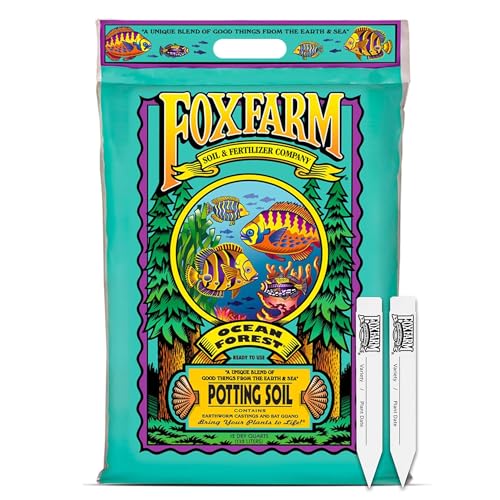
FoxFarm Ocean Forest Potting Soil, 12 Quarts with Tags

FoxFarm Ocean Forest Potting Soil, 1.5 cu ft
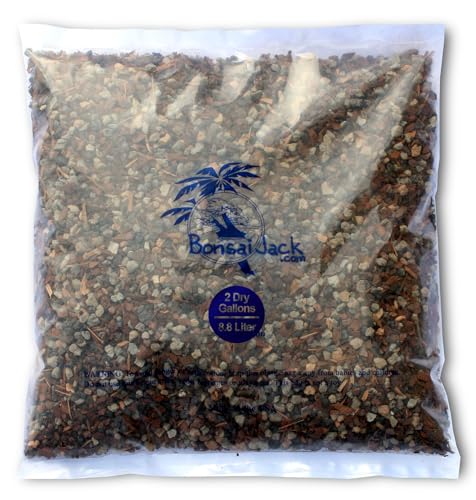
Bonsai Jack Universal Organic Bonsai Soil Mix #221, 2 Gallons

Coco Bliss Coco Coir Bricks, 50-Pack (650gm)

Gardenera 6-4-6 Avocado Citrus Tree Plant Food, 1 Quart

GARDENWISE Organic Olive Tree Potting Mix, 3 Quarts

DUSPRO Pre-Mixed 4-in-1 Citrus Tree Potting Soil, 6 Quarts
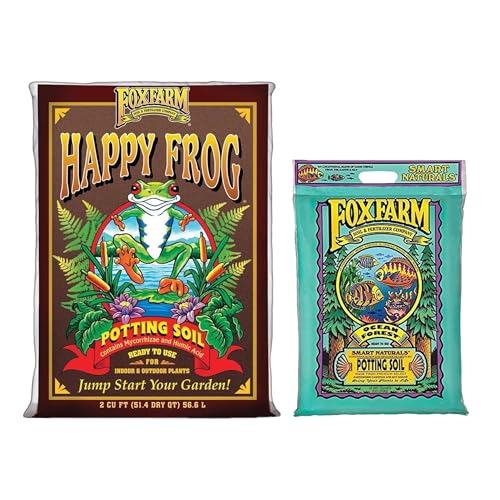
FoxFarm Happy Frog 2 cu ft + Ocean Forest 12 qt Bundle

Gardenera Premium Liquid Citrus Tree Fertilizer, 3-1-2, 8 oz

Gardenera Citrus Tree Potting Soil Mix, 1 Quart
Taking A Closer Look At The Options
A starter-sized bag of FoxFarm Ocean Forest works well for someone potting up a single young fig or dwarf citrus into a modest container, since the lighter aerated texture lets new roots push through without compacting around them. The 12-quart volume handles roughly one mid-size patio planter, leaving a little left over for refreshing the top layer of a second pot mid-season. Compared to the bulk 1.5 cu ft FoxFarm option further down this list, this one trades volume for convenience, since it ships with two plant tags included for labeling varieties and planting dates.
For gardeners new to container fruit trees, the ready-to-use nature of this mix removes the guesswork. You open the bag, you pot the tree, you water it in. No measuring, no amending, no waiting for the medium to settle before planting.
Practical Pluses
- Light, aerated texture encourages early root expansion in young trees
- Ready to use straight from the bag with no mixing required
- Two plant tags help you keep varieties and planting dates organized
- Compact 12-quart size fits apartment storage and small patio workflows
Worth Noting
- Only 12 quarts fills roughly one mid-sized container, so larger pots need multiple bags
- The included organic amendments deplete over a single growing season in active fruit trees
Who It Suits Best
First-time container fruit tree growers working with a single patio planter or refreshing one established pot.
Skip It When
You’re potting up several fruit trees at once, in which case the larger FoxFarm Ocean Forest 1.5 cu ft bag gives you more mix for the same per-quart footprint.
The 1.5 cu ft version of FoxFarm Ocean Forest is the same blend as the smaller bag above, just in a format suited for someone repotting several fruit trees or refreshing an established grove of patio containers in one session. The light, aerated texture that defines this mix handles a wide range of container plants, which means you can use it for figs, citrus, stone fruit, or even a tomato plant sharing the same garden space without juggling multiple open bags.
For most home growers managing three or more container fruit trees, the larger bag tends to be the more economical path. You get roughly four times the volume of the 12-quart option, and the same earthworm casting, fish meal, and crab meal backbone keeps the soil biologically active through a full growing cycle.
Why It Works Well
- Generous 1.5 cu ft volume suits multi-pot patio collections
- Same proven aerated texture as the smaller FoxFarm bag
- Suitable across fruit trees, vegetables, and flowering ornamentals
Things To Consider
- Heavier bag is awkward to carry up stairs or across a large yard without a cart
- Once opened, any leftover mix needs sealed storage to keep pests out
- Nutrients still require supplementation for heavy-feeding fruit trees past mid-season
Made For
Home growers repotting multiple container fruit trees in a single session or refreshing soil across several pots at once.
Consider Something Else When
You only need enough mix for one small citrus, since the Gardenera 1-quart citrus blend is sized for single-pot projects and ships easier.
Bonsai Jack earns its place on a fruit tree shortlist because fruit trees in containers rot from the bottom up when their roots sit in saturated soil, and this screened, pre-washed mix is engineered for exactly the opposite condition. The 2-gallon size gives you enough material to repot a dwarf pomegranate, a small fig, or a young Meyer lemon into a tight bonsai-style container without leftovers going stale.
The manufacturer targets an optimized pH around 6.4 and tunes the particle size for predictable water absorption and evaporation, which matters when you’re growing fruit trees in shallow patio containers where drainage holes are the only safety net. It’s a precision tool, not a general-purpose soil, and that’s the appeal.
Where It Helps
- Pre-washed particles reduce dust and starter transplant shock
- Tuned for predictable drainage in shallow bonsai-style containers
- Ready to use straight from the bag with no screening required
Room For Improvement
- Lower organic matter than standard potting mixes, so fertilizing becomes mandatory
- Fast drainage means more frequent watering during hot summer stretches
- The 2-gallon volume suits small containers but runs out quickly on larger patio pots
Best Suited To
Growers cultivating dwarf fruit trees or compact citrus in shallow bonsai-style containers where drainage is the top priority.
Look Elsewhere When
You want a more forgiving all-purpose mix for a deep patio planter, where the FoxFarm Ocean Forest 1.5 cu ft gives you richer organic matter.
Coco coir is the fibrous husks of coconut shells processed into a soil amendment, and the Coco Bliss 50-pack delivers a serious stockpile for anyone mixing their own custom blends. Coco coir (often called coco peat) holds moisture while staying loose around roots, which makes it a useful ingredient to blend into a denser standard potting mix for fruit trees that need both water retention and air pockets.
The compact brick format keeps a closet tidy in a way a stack of open bags never could. Each 650-gram brick expands once soaked, and the pre-rinsed, pre-screened processing keeps stray fibers and grit out of your finished mix, which matters when you’re repotting sensitive young fruit tree root balls.
Strong Points
- Fifty bricks give you long-term amendment supply for many repotting cycles
- Pre-rinsed and screened for clean expansion with minimal dust
- Compressed format stores easily on a shelf until needed
- Rehydrates on demand, so you mix only what each session requires
Trade Offs
- It’s an amendment, not a standalone fruit tree soil, so you’ll need to blend it with other ingredients
- Bricks require soaking time and a container large enough to hydrate them properly
- Coco coir alone carries almost no nutrients, so a feeding program becomes essential
Who Will Love This
DIY gardeners who blend their own custom container mixes and want a clean, consistent coir base on hand at all times.
A Better Fit Elsewhere
You want a finished soil ready to pour straight into a pot, where DUSPRO Pre-Mixed 4-in-1 Citrus Tree Potting Soil ships pre-blended.
The Gardenera 6-4-6 fertilizer steps in where the earlier soil-only picks leave off: even the best potting mix loses its nutrient edge after a few months in an active container. The 6-4-6 ratio leans slightly toward nitrogen, which suits citrus and avocado trees pushing out leafy growth before flowering and fruiting, while the quick-release format means trees respond within a feeding cycle rather than over months.
This is the sort of bottle that earns its shelf space next to a bag of FoxFarm Ocean Forest or the DUSPRO citrus mix, used on a schedule rather than dumped in at planting time. For container citrus growers who already have their soil dialed in, this is the supporting player that fills in what the mix can’t sustain on its own.
Positive Points
- Targeted NPK ratio suits citrus and avocado feeding cycles
- Quick-release format delivers visible response within a feeding window
- 1-quart bottle covers a season of regular applications
- Suitable for both indoor and outdoor container trees
A Few Limitations
- Quick-release nitrogen needs reapplication more often than slow-release alternatives
- Not a complete soil substitute, so it works best paired with a quality base mix
Perfect Match For
Container citrus and avocado growers who already have their soil figured out and want a reliable seasonal feed to keep nutrition on track.
Reach For A Different Pick When
You’d rather feed with a liquid concentrate at every watering, where the Gardenera Premium Liquid 3-1-2 Citrus Fertilizer 8 oz bottle fits a different feeding rhythm.
Olive trees ask for soil that mirrors their native Mediterranean hillsides, and the GARDENWISE mix is built around that profile with fast drainage and organic matter that won’t smother the roots. For anyone bringing an olive onto a New York balcony or a Pacific Northwest patio, where humidity and rainfall patterns differ sharply from the Mediterranean, this blend counters the heavy moisture with structure that lets air circulate around the root zone.
The 3-quart bag handles a single small olive in a 10 to 12-inch container, which matches the way most people start an olive tree indoors before moving it outside for summer. The included worm castings and compost feed the tree through a full year of active growth.
Points In Its Favor
- Fast-draining texture matches olive tree tolerance for drier root zones
- Worm castings and compost feed the tree for an extended period
- Works for indoor and outdoor olive containers
- Limestone content supports a balanced pH range
Honest Caveats
- Formulated specifically for olives, so it’s less versatile for other fruit trees
- 3-quart volume suits one small tree but requires multiple bags for larger specimens
The Right Fit
Olive tree growers in humid or wetter climates who need a mix that won’t trap excess moisture around the root crown.
Skip It When
You’re growing citrus or figs instead, since the DUSPRO Pre-Mixed 4-in-1 Citrus Tree Potting Soil is blended for those species.
DUSPRO’s citrus mix leans into the lighter, faster-draining side of container citrus culture, blending coco coir, coco fiber, and screened components into a clean, pourable medium. For someone repotting an established Meyer lemon or key lime that’s been in the same pot for two or three seasons, this is the kind of mix that freshens the root environment without shocking the tree.
The double-screening process during manufacturing keeps the texture consistent from one bag to the next, which removes the variability that frustrates growers mixing their own amendments at home. It’s a 6-quart bag, sized to handle one mid-size citrus tree with a little left for top-dressing.
A Favorable Mix
- Coco coir and fiber base promotes aeration around citrus roots
- Double-screened for consistent texture in every bag
- Pre-mixed format removes any guesswork at repotting time
- Compatible with lemon, lime, orange, and other common citrus
Less Ideal Details
- 6-quart size handles one tree, so multi-tree setups need multiple bags
- Less organic nutrient reserve than mixes with added compost or worm castings
Who Should Grab It
Container citrus growers repotting a single established tree and wanting a clean, pre-screened blend ready to pour.
Swap It Out When
You want a richer organic feed in the same family, where GARDENWISE Organic Olive Tree Potting Mix carries worm castings and limestone for longer nourishment.
The FoxFarm bundle pairs two distinct soil personalities in one shipment, which solves a problem most container fruit tree growers eventually hit: not every tree wants the same mix. Happy Frog carries soil microbes that support nutrient uptake at the root level, while Ocean Forest (covered earlier in this list) brings the richer organic backbone. Together, they cover a citrus, a fig, and a stone fruit without buying two separate products from two separate sellers.
For someone setting up a small patio orchard over a single weekend, this bundle cuts the decision fatigue in half. You get two proven blends, both from the same brand family, in volumes that match a multi-pot project without forcing you to stockpile leftovers.
Notable Gains
- Two complementary blends cover a variety of fruit tree needs
- Happy Frog includes soil microbes for root efficiency
- Combined volume handles a multi-pot patio project in one purchase
- Same brand family means consistent ingredient philosophy across both bags
Practical Considerations
- Bundle ships as two separate bags, which adds carrying and storage steps
- Combined volume may exceed what small-space growers actually need
Built With In Mind
Patio orchard growers planting multiple fruit tree varieties in the same weekend and wanting proven blends in matching quantities.
Not Your Match When
You’re growing just one tree in a small pot, where the Gardenera 1-quart citrus blend keeps things tidy and economical.
Indoor citrus trees live on a tighter feeding schedule than outdoor ones, since their limited root volume and reduced light exposure slow their uptake. The Gardenera 3-1-2 liquid concentrate slots into that rhythm: you mix it into your watering can every couple of weeks, and the tree gets a steady low dose of nutrition without salt buildup accumulating in the pot.
The 8 oz bottle concentrates down into many gallons of finished feed, which keeps a small apartment citrus collection running for a full season without crowding the shelf. Pair it with any well-draining citrus soil on this list and you have a complete indoor setup.
A Few Highlights
- 3-1-2 ratio tuned for indoor citrus feeding rhythms
- Liquid concentrate dilutes into many gallons of finished feed
- Compact 8 oz bottle suits apartment storage
- Easy to adjust dose by pot size at each watering
Where It May Fall Short
- Liquid feeding requires consistent scheduling to avoid feast-or-famine nutrition
- Not a soil substitute, so it’s a complement rather than a standalone solution
Whose Shelf It Belongs On
Indoor citrus growers who water on a regular schedule and want a low-maintenance way to keep nutrition steady through the year.
Where Another Pick Suits Better
You prefer granular feeding with less frequent applications, where the Gardenera 6-4-6 Avocado Citrus Tree Plant Food covers outdoor pots with a quick-release schedule.
The Gardenera 1-quart citrus blend fits the smallest end of the container fruit tree world, where one windowsill dwarf lime or one small calamondin orange needs a fresh pot without committing to a 12-quart bag. The mix combines peat moss, perlite, lime, and worm castings into a gritty, fast-draining blend that matches what most indoor citrus growers end up mixing by hand anyway.
You may find the small size inconvenient for anything beyond a single small tree, but that’s also its charm. There’s no half-used bag going stale in the corner, and you can pair it with a larger FoxFarm Ocean Forest bag for the rest of the patio without duplicating effort.
Advantages To Know
- Peat, perlite, and worm castings support drainage and nutrition
- Lime content adjusts pH toward citrus-friendly ranges
- 1-quart bag suits a single small windowsill citrus tree
- Pre-blended, so no measuring or mixing at home
Potential Drawbacks
- Only enough mix for one small repotting session
- Smaller bags often cost more per quart than bulk options
Right Fit For
Windowsill citrus growers repotting one small tree who want a tidy, pre-blended mix without oversupply.
Another Choice May Suit
You’re working with a deeper patio container or multiple trees, where the FoxFarm Ocean Forest 1.5 cu ft bag delivers volume at better unit economy.
What Matters Most Before Choosing Soils For Fruit Trees In Pots
Container fruit trees live in a much smaller rooting volume than their in-ground cousins, so every quality of the soil gets amplified. Drainage, organic content, pH balance, and texture all matter more in a 10-gallon pot than they would in a backyard bed, because there’s no subsoil buffer to compensate for mistakes.
Drainance comes first for most species. Citrus, figs, olives, and stone fruit all share a low tolerance for soggy roots, so a mix that holds too much water around the root crown invites rot before the tree has a chance to establish. Look for ingredients like perlite, pine bark, coco coir, or screened grit that keep air pockets alive in the medium even after a thorough watering.
Organic matter supports nutrient delivery and microbial activity. Worm castings, compost, and aged forest products feed soil life that, in turn, makes minerals available to the tree’s roots. A mix with too little organic content starves the tree even when you fertilize on schedule, because the soil biology isn’t there to convert nutrients into usable forms.
pH affects which nutrients the tree can absorb. Citrus prefers slightly acidic soil, around 6.0 to 6.5, while olives tolerate a wider range leaning toward neutral. A mix with limestone or lime raises pH gently over time, and mixes without any pH buffer can drift acidic in containers with frequent fertilizer applications.
Texture and consistency matter for root development. Coarse, screened particles give roots something to grip and push through, while fine, dense mixes compact under watering and slow root expansion. A pre-screened, pre-washed mix removes variability that frustrates first-time growers.
Finally, match the mix to the species you’re growing. A specialized citrus or olive blend carries ingredients tuned to that tree’s quirks, while a versatile FoxFarm Ocean Forest or Happy Frog works across multiple species when you only need one bag.
Key Considerations Across These Picks
Common Shopping Slip Ups
The most common mistake is grabbing a generic indoor plant mix and assuming it works for fruit trees. Those mixes are tuned for short-cycle foliage plants with different watering and feeding rhythms, and fruit trees tend to punish that mismatch within a season.
Another trap is underestimating how fast nutrients deplete in a container. Even the richest organic mix loses its edge after a few months in an active fruit tree pot, and skipping a feeding schedule leads to yellowing leaves and stalled growth. Plan on a fertilizer from day one, whether that’s the Gardenera 6-4-6 granular or the 3-1-2 liquid concentrate.
A third pitfall is buying a large bag for a single small tree. Half-used potting soil sitting in a shed attracts fungus gnats and loses texture, so sizing your purchase to your actual project pays off in healthier trees and less waste.
Where The Extra Money Goes
Premium citrus and olive blends cost more per quart than general-purpose mixes because the ingredients are screened, washed, and combined in specific ratios rather than scooped in bulk. You’re paying for consistency and species-specific tuning, which matters most for growers pushing for fruit production rather than just survival.
Specialized liquid fertilizers carry a higher upfront cost per ounce than granular options, but the precision dosing and rapid uptake often justify the price for indoor collections where every feeding window matters. The upgrade is worth it when you have multiple indoor citrus trees and want a clean, predictable routine.
