

Gardenia roots demand a specific balance: acidic pH, sharp drainage, and organic matter that holds moisture without staying soggy. Container life complicates that further, because pots dry out faster than ground beds and salts build up around the root zone. The right blend turns a finicky shrub into a steady bloomer on the patio, while a wrong one leads to yellow leaves and dropped buds. Gardeners who want reliable flowering in pots need a mix that handles these three pressures at once, and that’s exactly what the list below sorts out.
The Leading Options At A Glance
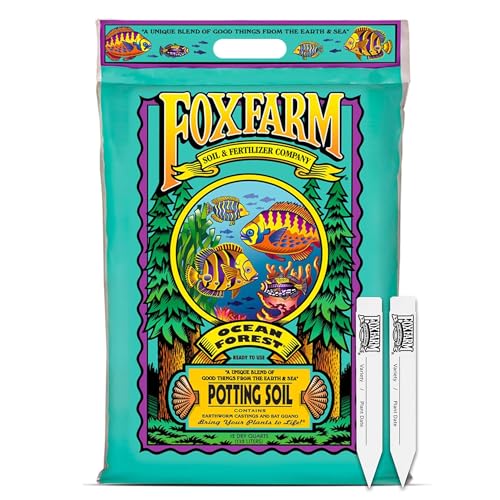
FoxFarm Ocean Forest Potting Soil 12 Quarts

Miracle-Gro Potting Mix 16 qt. 2-Pack

WONDER SOIL Coco Coir 30 Quarts (3-Pack)

GARDENWISE Organic Olive Tree Potting Mix 3 Quarts
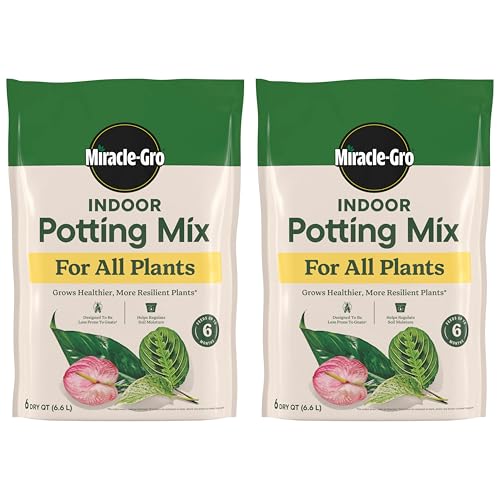
Miracle-Gro Indoor Potting Mix 6 qt. 2-Pack

Biotolot Chunky Perlite 3 Quarts
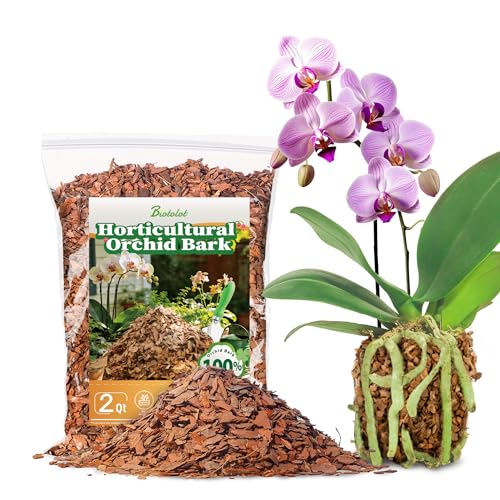
Biotolot Orchid Bark 2 Quarts
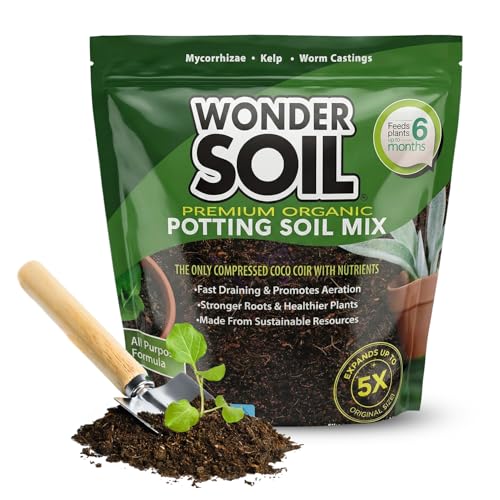
WONDER SOIL Organic Potting Soil 12 Quarts

WONDER SOIL Coco Coir 72 Quarts Block

Biotolot Bonsai Soil 2 Quarts
Why These Options Stand Out
FoxFarm’s Ocean Forest has earned a loyal following for a reason: it opens the bag already loamy and ready to plant, with a dark, earthy texture that holds moisture without collapsing into mud. The blend combines fish meal, crab meal, and earthworm castings, which translates to slow-release nitrogen and a healthy dose of micronutrients (trace elements like iron and manganese that gardenias crave) feeding the root zone over the first several weeks.
For potted gardenias, the light, aerated feel helps roots push through the soil mass instead of circling a dense plug. You’ll want to pair it with a pot that drains well, and for most setups the 12-quart bag is enough to repot one medium shrub with some leftover for top-dressing. Compared to the cheaper Miracle-Gro options later on this list, the ingredient profile is denser, and that shows up in how the soil holds structure across a full growing season.
A Strong Showing
- Pre-mixed and ready to plant straight from the bag
- Earthworm castings and meals deliver organic nutrition gradually
- Loose, fluffy texture keeps container roots from suffocating
- Works for both indoor and outdoor container placements
- Includes two plant tags for variety and date labeling
Things To Consider
- Not formulated specifically for acid-loving plants, so pH may drift up over a season of watering
- Strong organic smell when first opened, which can bother sensitive indoor spaces
Made For
Gardenias potted in 8 to 14 inch containers on a patio or near a bright window, where organic feeding and a forgiving texture matter more than a strictly acid pH.
Look Elsewhere When
The GARDENWISE Organic Olive Tree Potting Mix is a stronger fit if you keep a larger collection of Mediterranean shrubs and want a pH-balanced blend that doesn’t need supplementing as often.
The two-pack of Miracle-Gro Potting Mix covers a lot of repotting for not much cash, and the 16-quart size lands in a sweet spot for a small patio collection. The formula is built around container use, with a texture that drains faster than a typical garden bed mix and feeds plants for up to six months. For a gardenia, that long feed window means fewer fertilizer top-ups during the heavy blooming months.
This mix is more generalist than the FoxFarm bag above, so it tolerates flowers, herbs, and shrubs in the same batch. Gardeners who rotate container crops across a season will appreciate that flexibility. Keep in mind it isn’t acid-specific, so adding a granular acid fertilizer or a peat top-dressing once or twice a year helps gardenias stay in their preferred pH range.
What Stands Out
- Two-bundle format stretches value across multiple pots
- Feeds plants for up to six months after potting
- Designed for outdoor container use specifically
Points To Note
- pH tends to creep neutral over a long season, so acid-loving shrubs may need supplements
- Moisture retention is moderate, so potted gardenias in hot sun dry out faster than in richer blends
- Bag weight is heavier than the compressed coir picks below
Key Specs
Right Fit For
Gardenias in mid-size outdoor pots on porches and decks, where a longer feed window and easy availability matter most.
Swap It Out When
Reach for the Miracle-Gro Indoor Potting Mix if your gardenia lives near a sunny window indoors, since the indoor formula is tuned for less water loss.
WONDER SOIL comes as compact bricks that fluff up to roughly ten quarts each once you add water, so the three-pack stays out of the way in a closet or garden shed until you need it. Coco coir (a fiber extracted from coconut husks) resists compaction, holds moisture evenly, and creates a root-friendly environment that’s forgiving for acid-loving shrubs when amended with the right fertilizer.
For gardenias specifically, the coir base gives you a clean slate to control nutrition, since the amendments included lean toward gentle organic feeding. That flexibility helps experienced growers tune pH and feed schedules to their plant’s behavior. Unlike the heavier peat-based bags, this one stores in a kitchen drawer until you’re ready to pot up.
Where It Helps
- Compressed format saves significant shelf space
- Pre-loaded with worm castings, kelp, and beneficial fungi (mycorrhizae form symbiotic root partnerships)
- Coir resists compaction, keeping air pockets open around roots
- Expands to 30 quarts total, covering multiple containers
Honest Caveats
- Requires pre-soaking before use, which adds setup time
- Not pre-acidified, so gardenias still need a pH-lowering routine
- Drains faster than peat blends, so watering frequency goes up in hot weather
Who Will Love This
Apartment and balcony gardeners who need potting mix on demand without dedicating a closet shelf to bulky bags.
Another Choice May Suit
The GARDENWISE Organic Olive Tree Potting Mix is the better match for gardeners who want a pH-balanced, ready-to-use blend without the soaking step.
GARDENWISE built this mix for olive trees, but the profile lines up almost perfectly with what gardenias want: fast drainage, organic enrichment, and a structure that holds moisture around roots without waterlogging them. Worm castings, compost, and limestone work together to manage pH and feed the plant for an extended stretch after potting.
The 3-quart bag is on the small side, so it suits a single repotting or topping off a medium pot. Gardeners who keep several Mediterranean shrubs together will recognize the texture immediately: airy, slightly chunky, and quick to drain. For gardenias, you’ll want to monitor pH over time, since limestone buffers toward neutral and may need balancing with an acid fertilizer for peak bloom color.
Strong Points
- Fast-draining formula prevents soggy root systems
- Organic amendments feed for roughly twelve months
- Replicates the airy soil profile of Mediterranean gardens
- Works in both indoor and outdoor containers
Small Caveats
- Only 3 quarts per bag, so larger pots need multiple purchases
- Limestone content buffers pH upward, which can conflict with gardenias’ acid preference
Feature Snapshot
Best Suited To
Gardenias sharing a sunny patio with olives, lavender, or other Mediterranean shrubs that thrive in similar fast-draining conditions.
Skip It When
The FoxFarm Ocean Forest Potting Soil is a smarter pick if you want a richer organic base without needing to manage limestone pH shifts.
The indoor-focused variant of Miracle-Gro trades outdoor durability for a lighter, more water-wise formula. Sphagnum peat moss, coir, and perlite combine to keep moisture consistent without suffocating roots, and the texture helps indoor gardenias handle the lower light and humidity of a windowsill. The two-pack format covers a couple of repottings or one larger container with some to spare.
Gardenias kept as houseplants usually struggle with inconsistent watering, and this blend forgives the occasional dry stretch by releasing moisture gradually. The perlite content keeps the mix from compacting, which is the most common reason indoor shrubs fail over time. Compared to the outdoor 16-quart version reviewed earlier, this one trades volume for indoor-tuned drainage.
Advantages To Know
- Lightweight formula suits windowsill and shelf placements
- Balanced blend of peat, coir, and perlite prevents compaction
- Helps retain and release water gradually for steadier moisture
Practical Considerations
- Not specifically acidified, so gardenias may need pH management
- Smaller bag size means reordering more often for multi-plant households
Whose Shelf It Belongs On
Indoor gardenia growers with one or two shrubs near a south-facing window, where consistent moisture and lightweight soil matter most.
Reach For A Different Pick When
The FoxFarm Ocean Forest Potting Soil fits better for outdoor gardenias that need a richer organic base and longer-lasting feed.
Perlite isn’t a standalone potting soil, but it’s the secret weapon for gardeners who mix their own blends. Biotolot’s chunky 1/4-inch grade creates lasting air pockets that prevent the dense, soggy conditions gardenia roots hate. The pH-neutral structure (expanded volcanic glass that holds its shape over time) won’t shift the acidity of whatever base mix you pair it with, so it plays nicely with peat-heavy and coir-based blends alike.
Mixing roughly one part perlite to three parts base soil gives gardenia roots the drainage and oxygen they need to push through the pot instead of circling. Gardeners who already own a quality peat or coir base will get more from a perlite amendment than a pre-made blend. The bag is small but goes a long way, since perlite is a supplement rather than a fill.
The Case For It
- 1/4 inch chunky grade holds air pockets over time
- pH neutral, so it won’t alter the acidity of your base mix
- Lightweight, sterile, and resistant to crushing
- Improves drainage across peat, coir, and compost bases
Areas To Watch
- Not a complete soil, so it must be blended with a base
- Dust at the bottom of the bag may need rinsing before use
Quick Facts
Perfect Match For
Mix-it-yourself gardeners who already have a peat or coir base and want to tune drainage and aeration precisely.
Not Your Match When
The Miracle-Gro Indoor Potting Mix is a better starting point for gardeners who want a ready-to-use blend without the extra blending step.
Pine bark might sound like an orchid-only product, but the screened 1/2-inch pieces work beautifully as a gardenia soil amendment. The chunky, irregular shape creates large air channels and breaks up dense peat blends that tend to compact over time. For gardeners who fight root rot in their pots, adding bark is one of the most reliable fixes available.
You’ll want to mix bark into a base soil rather than use it alone, since bark alone dries out too quickly for a thirsty gardenia. A roughly one-to-three ratio of bark to base gives you the airflow benefits without sacrificing moisture retention. Compared to the perlite amendment above, bark adds organic structure that feeds soil life over the long term, while perlite stays inert and lasts indefinitely.
A Few Strong Suits
- 100% natural pine bark with screened 1/2 inch pieces
- Improves airflow and drainage in heavy potting mixes
- Supports healthy root development in container plants
Trade-Offs
- Not a standalone soil, requires mixing with a base blend
- Breaks down over a year or two, so refresh cycles apply
Who Should Grab It
Gardeners dealing with compacted or slow-draining container soil who want a long-term organic solution to root crowding.
A Better Fit Elsewhere
The Biotolot Chunky Perlite is a more stable alternative if you want drainage that won’t break down across multiple growing seasons.
The 12-quart WONDER SOIL bag is a manageable size for a first-time gardenia owner: small enough to handle, big enough to repot a medium shrub, and pre-loaded with the amendments beginners tend to forget. Coco coir, worm castings, mycorrhizae (beneficial fungi that bond with roots and extend their reach), kelp, and perlite work together to give a new plant a balanced start.
Since the mix is peat-free and family-and-pet safe according to the brand, it suits households that want to avoid peat harvesting concerns. The 3-pound compressed bag fluffs up substantially once water hits it, so storage stays easy. Gardeners coming from a heavy-bag background will notice how much lighter the package is and how quickly it expands to usable volume.
Useful Touches
- Pre-loaded with castings, kelp, perlite, and beneficial fungi
- Peat-free composition for gardeners avoiding peat sourcing
- Compresses for easy storage, expands on contact with water
- Suitable for both indoor and outdoor containers
Potential Drawbacks
- Requires soaking before first use, which adds prep time
- Dries out faster than peat blends, so watering frequency goes up
Right Fit For
New gardenia owners who want a forgiving mix with built-in amendments and don’t mind the pre-soak step.
Where A Sibling Pick Shines
The Miracle-Gro Potting Mix 2-Pack is the better grab for gardeners who want a ready-to-pour bag with no prep work at all.
For gardeners managing a dozen or more containers, the 72-quart block is the most space-efficient way to keep coir on hand. A single 10-pound block expands to fill multiple large pots, and the same pre-loaded amendments from the smaller WONDER SOIL bags apply: worm castings, kelp, perlite, and beneficial fungi. You add water, mix, and the block breaks down into a fluffy, ready-to-plant medium in minutes.
This size is overkill for a single gardenia but pays off fast for anyone repotting shrubs, refreshing seasonal containers, or starting cuttings at scale. The bulk format cuts down on packaging and storage trips, which matters if your shed is already crowded. Compared to the 30-quart three-pack reviewed earlier, this block trades multiple bricks for one heavier piece that requires a bigger soaking vessel.
Standout Benefits
- Single 10-pound block expands to 72 quarts of mix
- Reduces packaging waste and storage footprint
- Pre-loaded with organic amendments and beneficial fungi
Where It May Fall Short
- Requires a large bucket or wheelbarrow for proper expansion
- Excess mix dries out in storage if left unpackaged, so plan usage
- Heavier initial weight than smaller bagged options
Feature Rundown
Best Suited To
Multi-container gardeners and small nurseries who repot shrubs seasonally and want bulk coir without repeated orders.
Consider Something Else When
The WONDER SOIL 12-quart bag is the smarter choice for a single-shrub household that doesn’t need 72 quarts of mix at once.
Bonsai soil looks unusual in a gardenia review, but the composition overlaps more than you’d expect. Bark, black volcanic rock, red volcanic rock, green zeolite, and perlite combine to create an open, fast-draining structure that mirrors what gardenia roots crave in a tight pot. The mineral components add weight and stability, which helps in shallow decorative containers that tip easily.
The 2-quart size covers a single small or medium repotting, and the texture is best suited to gardeners who already understand pH and feeding routines. For a gardenia, expect to supplement with an acid fertilizer since the mineral content buffers toward neutral. This is a niche pick for stylists and bonsai-curious gardeners who want a more sculptural soil profile than standard mixes provide.
Everyday Advantages
- Mineral-rich blend with volcanic rock and zeolite for stability
- Fast-draining composition matches gardenia root preferences
- 100% natural materials across all components
What To Weigh
- Small 2-quart volume means frequent reordering for larger pots
- Mineral components raise pH, so acid-loving shrubs need supplementation
Who It Suits Best
Gardenias in shallow decorative containers where stability, drainage, and a refined visual texture matter as much as plant health.
Look Elsewhere When
The FoxFarm Ocean Forest Potting Soil is the better fit for traditional container gardenias that thrive in a richer organic base.
What To Weigh Before Choosing Soils For Gardenias In Pots
Gardenias reward a specific soil profile, so the wrong choice shows up fast as yellowing leaves and bud drop. Before picking a bag, focus on three attributes that matter more than brand recognition. Each one is a lever you can adjust, and together they decide whether your shrub blooms or stalls.
Acidity Range And How To Hold It
Gardenias prefer a soil pH (a measure of how acidic or alkaline the medium sits on a 0-14 scale) between roughly 5.0 and 6.0, which is more acidic than most general-purpose mixes. Peat-based and certain organic blends tend to hold acidity longer, while limestone-amended mixes like the GARDENWISE olive blend drift toward neutral. Check whether the bag mentions pH, and plan to test your container soil every few months with a simple probe. The mix is only the starting point; ongoing pH management matters as much.
Drainage Versus Moisture Retention
These two forces pull in opposite directions, and the best gardenia mixes balance them. Heavier peat and compost blends hold water longer but risk soggy roots, while mineral-heavy bonsai mixes drain fast but demand more frequent watering. A practical rule: target a mix that feels damp an inch below the surface a day after thorough watering, not bone-dry and not waterlogged. If your bag leans one way, an amendment like perlite or pine bark can shift it.
Amendment Load And Feed Duration
Most pre-made mixes include a starter charge of organic or synthetic fertilizer that lasts a few months. Longer feed windows (six months or more) reduce the number of fertilizer applications during the growing season, which suits busy gardeners. Shorter feed windows give you more control but require disciplined feeding. Match the feed duration to how often you actually want to mix liquid fertilizer into your routine, since unfertilized gardenias stop setting buds fairly quickly.
Real-World Use Scenarios
Container placement shapes what the soil has to handle. Outdoor pots in full sun dry out fast, so blends with coir or compost shine. Indoor pots near drafty windows face temperature swings, which makes well-draining mixes safer. Porch placements that catch rain need extra drainage to avoid waterlogging during wet stretches. A single bag choice rarely covers every scenario, so consider where most of your gardenias actually live.
Key Considerations Across These Picks
Where Shoppers Go Wrong
Treating any potting mix as a permanent solution is the most common slip up. Soil structure breaks down over a year or two, salts build up from fertilizer and tap water, and the original amendments deplete. Gardeners who skip yearly refreshes often blame the plant when the soil is the actual culprit. Another mistake is assuming a bigger bag is always better value; compressed coir blocks can outperform bulk peat on a per-quart basis once you factor in storage and shelf life. Finally, matching a soil to the wrong pot size throws everything off. A rich, moisture-heavy blend in a small pot with poor drainage leads to root rot faster than the same mix in a deep, porous container.
When Paying More Pays Off
Premium mixes like the FoxFarm Ocean Forest justify their cost through ingredient density and a longer feed window. You pay more upfront, but you fertilize less and repot less often, which offsets the difference across a couple of growing seasons. Specialty blends, including the GARDENWISE olive mix, bring targeted pH and drainage profiles that general-purpose options can’t match. For gardeners who want predictable results without constant adjustment, the upgrade tends to pay for itself in saved time and healthier shrubs. The honest read is that mid-tier options cover most needs, and premium picks earn their place when the plant is high-value or the gardener’s time is limited.
Frequently Asked Questions
Do gardenias need special soil in pots?
Yes, gardenias prefer acidic, well-draining soil with plenty of organic matter. Most general-purpose mixes work as a base if you supplement with an acid fertilizer and monitor pH over time.
Can I use regular potting soil for gardenias?
Regular potting soil can support a gardenia short-term, but it usually lacks the acidity and sharp drainage the plant prefers. A blend with peat, coir, or pine bark holds up better across a full season.
How often should I repot a potted gardenia?
Most gardenias benefit from repotting every two to three years, or when roots circle the bottom of the pot. Refresh the soil annually between repottings to keep structure and nutrients from depleting.
Is Miracle-Gro potting mix good for gardenias?
Miracle-Gro potting mixes work for gardenias, though they aren’t specifically acidified. You’ll likely need to add an acid fertilizer or peat amendment to keep the pH in gardenia-friendly range over time.
What pH is best for gardenias in containers?
A pH between 5.0 and 6.0 suits gardenias best. Going above 6.5 typically triggers yellow leaves and reduced blooming, so a simple pH probe every few months helps you stay ahead of drift.
The Takeaway
Choosing a soil for potted gardenias comes down to balancing acidity, drainage, and amendment load against your time and repotting habits. Rich organic blends like FoxFarm Ocean Forest cover most needs, while specialty options like GARDENWISE and bonsai-grade mixes serve specific scenarios. Trust your container’s environment, refresh the soil yearly, and your gardenias will reward the effort with steady blooms.
