

Healthy gardens start below the surface, and the growing medium you choose sets the tone for everything from seedling vigor to harvest size. Container growers, vegetable patchers, and indoor plant parents all need slightly different things from their soil, which is why this list spans soil amendments, organic worm castings, charcoal conditioners, compressed coir mixes, and complete potting blends. Each pick below solves a specific problem, so match the option to your setup rather than grabbing the first bag on the shelf.
The Leading Options At A Glance

Collect-N-Go Soil Sample Kit (CNG-1)
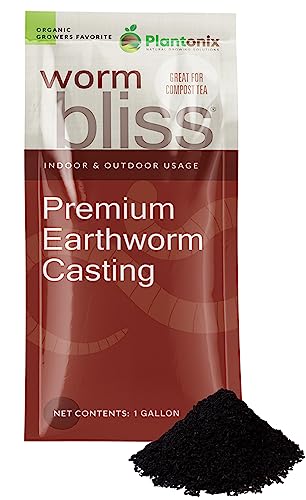
Plantonix Worm Bliss (4 Qts) Organic Worm Castings

Botanicare Pure Blend Pro Bloom Soil Nutrient 1-4-5, 5 gal.

Earth Science Earthworm Castings 3 lb Soil Enhancer

FoxFarm Ocean Forest Potting Soil 1.5 cu ft
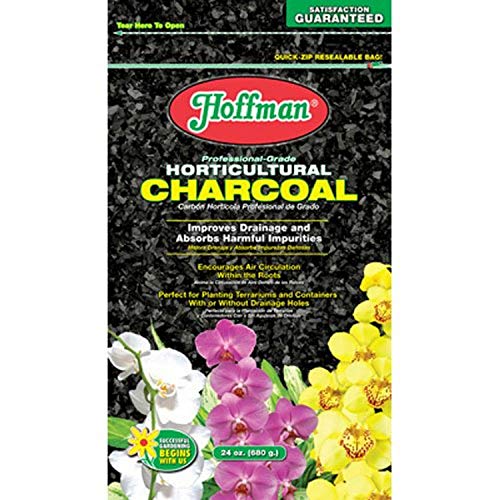
Hoffman 17502 Charcoal Soil Conditioner 24 oz

Mosser Lee ML0810 Horticultural Charcoal 2.25 dry qt.

Organic Plant Magic Compressed Organic Potting Soil

Plantonix Worm Bliss (1 Qt) Organic Worm Castings

Plantonix Worm Bliss (8 Qts) Organic Worm Castings
The Picks, Examined More Closely
Unlike the other items on this list, the Collect-N-Go Soil Sample Kit (CNG-1) isn’t a soil product at all. It’s a pre-lab collection vessel that lets you gather a representative soil slice and ship it off for professional analysis without contaminating the sample in transit. For gardeners dealing with chronic yellowing, stubborn pH drift, or a new property with unknown soil history, getting real numbers from a lab usually beats guessing with amendments.
You fill the tube, seal it, and mail it. Results then come back with actionable recommendations for lime, sulfur, nitrogen, or organic matter additions. For most home gardeners troubleshooting a single problem bed, this is a smarter starting move than buying yet another amendment bag.
Strong Points
- Removes the guesswork from soil correction by providing lab-verified numbers on pH and nutrient levels.
- Sealed design prevents contamination between the garden and the lab, which matters when chasing trace deficiencies.
- Useful as a baseline before investing in larger amendment bags like worm castings or lime.
Things To Consider
- This is a diagnostic tool, not a growing medium. You will still need to pair results with actual soil products.
- Lab turnaround and result interpretation are outside this kit, so the cost of analysis is separate.
Right Fit For
Home growers troubleshooting persistent soil issues or starting fresh on a new property where baseline chemistry is unknown.
Swap It Out When
You simply need growing medium, in which case FoxFarm Ocean Forest Potting Soil handles container planting without the lab step.
Worm castings are worm-processed organic matter, and they earn their reputation by slowly releasing nitrogen, phosphorus, and potassium while improving soil texture. Plantonix Worm Bliss in the 4-quart size lands in a comfortable middle ground between small jars and bulk sacks. You get enough material to top-dress a 4×8 raised bed or refresh several mid-sized containers without committing to the 8-quart option.
The product is OMRI-Listed, which signals it meets organic-input standards, so it’s a safe bet for edible beds. Worm castings tend to be mild, which means you’re unlikely to burn roots even when applying generously.
Useful Strengths
- Slow-release nutrient profile supports steady growth without the burn risk of stronger synthetic feeds.
- Improves water retention in sandy soils and aeration in clay, giving you texture benefits beyond just nutrition.
- OMRI-Listed status makes it suitable for organic vegetable and herb beds.
Worth Noting
- Works best as an amendment mixed into existing soil rather than a standalone medium, so plan on combining it with a base mix.
- For very large gardens, the 8-quart Worm Bliss option may stretch further per dollar than this mid-size bag.
Feature Snapshot
Whose Shelf It Belongs On
Vegetable gardeners and edible-bed growers who want a certified organic amendment in a manageable bag size.
Look Elsewhere When
You need a complete potting mix ready to use straight from the bag, which is where FoxFarm Ocean Forest Potting Soil earns its place.
Botanicare Pure Blend Pro Bloom is a liquid nutrient, not a soil, and the 1-4-5 ratio tells you where it sits on the NPK scale (the three numbers that describe nitrogen, phosphorus, and potassium content). The high phosphorus and potassium lean toward bloom and fruit development, which is why this formula targets tomatoes, peppers, flowers, and houseplants in their flowering stage. The 5-gallon container suits serious growers or small commercial setups.
Unlike worm castings, which feed the soil biology, this feeds the plant directly. The trade-off is faster results with more frequent reapplication. For soil growers running a defined feeding schedule, the one-part simplicity reduces measuring errors compared to multi-bottle regimens.
Features That Help
- High phosphorus and potassium ratio supports fruiting and flowering during the bloom stage.
- Single-bottle formulation removes the need to mix multiple parts, which simplifies feeding routines.
- Compatible with coco, soil, and soilless hydroponic setups, giving flexibility across grow media.
Trade Offs
- Liquid nutrients require regular reapplication, which means more frequent shopping trips than slow-release amendments.
- The 5-gallon jug is heavy and bulky, so storage space matters before ordering.
- Overfeeding risk is real, since concentrated liquid formulas can burn roots when dosed incorrectly.
Who Should Grab It
Experienced soil growers running fruiting or flowering crops who want a single-part bloom nutrient in a high-volume format.
A Better Fit Elsewhere
If you want a low-maintenance, set-and-forget amendment, the Plantonix Worm Bliss (4 Qts) option fits a quieter routine.
Earth Science Earthworm Castings come in a 3-pound pouch that suits indoor plant parents and small herb gardens rather than backyard plots. The casting material feeds soil microbes, which in turn feed plant roots, and worm-processed organic matter tends to improve both water retention and drainage at the same time. That’s a useful combination for houseplants in standard nursery pots.
Compared to the 4-quart Plantonix option, this 3-pound bag is more compact and easier to store in a closet. The tradeoff is smaller coverage, so it works best for a windowsill collection rather than a vegetable patch.
What It Does Well
- Small pouch format fits apartment storage and indoor gardening routines.
- Improves water retention in thirsty houseplants like calatheas and ferns.
- Feeds soil microbes, supporting long-term soil health rather than quick nutrient spikes.
Small Caveats
- The 3-pound size runs out fast on anything beyond a handful of small pots.
- Casting texture can be dusty when poured, so opening over a tray helps contain mess.
Best Suited To
Houseplant owners tending a modest indoor collection who want gentle, organic feeding without large bags taking up space.
Reach For A Different Pick When
Your planting footprint is bigger than a windowsill, where the Plantonix Worm Bliss (8 Qts) covers more ground per order.
FoxFarm Ocean Forest is the most complete standalone medium on this list. The 1.5 cubic foot bag is ready to use straight out of the package, with a light, aerated texture that suits indoor houseplants, outdoor container gardens, and patio planters alike. It’s blended with earthworm castings, fish meal, and crab meal, so the nutrient base is already mixed in for the first several weeks of growth.
Unlike the worm casting options that work as amendments, this is a finished potting soil. For most container gardeners, that means less measuring and fewer supplemental feeds in the early growth window. The texture stays loose, which helps roots establish quickly without compaction.
Key Advantages
- Ready to use out of the bag, no mixing required for standard container planting.
- Built-in organic amendments like earthworm castings and crab meal reduce the need for early fertilization.
- Light, aerated texture promotes root penetration and reduces compaction in long-term pots.
Honest Caveats
- The 1.5 cubic foot bag is heavy at delivery, so plan a drop spot before unpacking.
- Nutrients deplete after several weeks, so long-term growers will still need supplemental feeding.
Quick Facts
Who Will Love This
Container gardeners who want a finished, ready-to-use mix without juggling separate amendment bags.
Consider Something Else When
You’re filling a large raised bed, where the Organic Plant Magic compressed soil expands further per dollar.
Hoffman’s 17502 Charcoal Soil Conditioner addresses a problem the worm castings and FoxFarm products don’t: drainage and odor control. The 24-ounce pouch of porous charcoal gets mixed into potting media to help excess moisture drain away and reduce water-logging in containers. It’s especially useful in pots without drainage holes or in terrariums where stagnant water can turn sour.
The charcoal also absorbs impurities, which keeps the soil environment cleaner over time. A small amount goes a long way, since you typically mix it in at 5-10% of total volume rather than using it as a primary medium.
Strengths Worth Knowing
- Improves drainage in containers prone to water-logging, which protects roots from rot.
- Absorbs impurities and odors, making it useful in enclosed terrariums and dish gardens.
- Slow-release carbon content supports soil biology over time.
Points To Keep In Mind
- This is an additive, not a standalone soil, so you still need a base medium to fill the planter.
- The 24-ounce pouch covers only a few mid-sized pots at recommended ratios.
Feature Card
Made For
Container gardeners fighting chronic overwatering or building terrariums where drainage and odor control matter.
Not Your Match When
You want a finished, ready-to-pot medium without extra steps, where Mosser Lee horticultural charcoal serves similar duties in terrariums with a fruit-tree source.
Mosser Lee ML0810 brings a specific twist to horticultural charcoal by sourcing it from fruit trees, which the maker highlights as a natural and clean input. The 2.25 dry quart size covers terrariums and dish gardens where this product is most commonly used. Like the Hoffman conditioner, it absorbs water and fertilizer while reducing the effects of overwatering, but the fruit-tree origin sets it apart for gardeners who care about sourcing.
For pots without drainage, including enclosed terrariums and decorative dish gardens, this charcoal layer keeps the soil environment fresh over months. The honest read is that the sourcing story matters less than the functional performance, which holds up well in closed-container setups.
Points In Its Favor
- Fruit-tree sourcing appeals to gardeners looking for naturally derived inputs.
- Reduces overwatering damage in pots without drainage holes, which are common in decorative planting.
- Maximizes absorption of water and fertilizer, supporting steady nutrient availability.
Practical Considerations
- Like the Hoffman conditioner, this is an additive, not a complete medium on its own.
- Works best in terrariums and dish gardens rather than large outdoor beds, so its use case is narrower than amendments.
The Right Fit
Terrarium builders and dish garden creators who want a clean-sourced charcoal layer under their planting medium.
Skip It When
Your focus is large-scale soil building rather than decorative containers, where Plantonix Worm Bliss (8 Qts) covers more ground.
Organic Plant Magic solves a storage problem. The compressed granules arrive in a compact, resealable bag and expand up to four times their size once water hits them, producing up to 3 gallons of finished soil. For apartment dwellers without garage space or anyone who has wrestled a 1.5 cubic foot FoxFarm bag up a stairwell, the light starting weight is a real relief.
The blend draws from coconut coir (a fibrous byproduct of coconut processing that holds water well) and worm castings, so you get both water retention and organic nutrition in one mix. Depending on your planting volume, the expansion ratio means a small bag covers more pots than its shipping weight suggests.
Noteworthy Benefits
- Compressed format saves shelf space and reduces shipping weight compared to bulky bags.
- 4x expansion means a small bag fills multiple mid-sized pots after hydration.
- Resealable packaging keeps unused granules fresh between plantings.
Where It May Fall Short
- Requires hydration before use, which adds a prep step that ready-to-use blends skip.
- Per-gallon cost can run higher than bulk options like FoxFarm for large projects.
Perfect Match For
Apartment gardeners and anyone with limited storage who values compact packaging over per-bag price.
Where Another Pick Suits Better
You need a finished mix for a big container project fast, which is where FoxFarm Ocean Forest Potting Soil arrives ready to pour.
The 1-quart Worm Bliss is the smallest cut in the Plantonix lineup, sized for first-time users who want to try worm castings without committing to a larger bag. Same OMRI-Listed organic certification as the bigger sizes, same slow-release nutrient profile, just less volume. For a single raised bed or a handful of containers, a quart is plenty to see how castings change moisture behavior and plant vigor.
If results impress you, scaling up to the 4-quart or 8-quart option is straightforward. The 1-quart size also suits apartment plant parents with only a few pots to feed.
What Pays Off
- Low-commitment size lets you test worm castings without buying in bulk.
- Same organic certification as larger Worm Bliss bags, so quality matches the bigger formats.
- Ideal for small-space gardeners with only a few pots to feed.
Some Limits To Know
- Covers only a small footprint, so larger beds will burn through it quickly.
- Per-quart cost is higher than the 8-quart sibling, which matters on a tight budget.
Who It Suits Best
First-time castings users and small-space gardeners who want to test the waters before scaling up.
Another Choice May Suit
You already know castings work for you and want bigger volume, where the Plantonix Worm Bliss (8 Qts) delivers more coverage.
The 8-quart Worm Bliss is the bulk end of the same product line, and it makes sense for raised bed growers, community garden plots, and anyone managing multiple planting areas. Same OMRI-Listed organic certification as the smaller sizes, just more of it. Coverage scales roughly with the doubling of volume from the 4-quart sibling, so budgeting gets easier when you can plan a full season at once.
The honest read is that bulk only pays off if you actually use it before it sits. Castings keep well in a sealed bag, but gardeners with a single small bed end up storing more than they need.
Advantages To Know
- Bulk volume covers large raised beds or multiple garden areas without reordering.
- Lower per-quart cost than the 1-quart and 4-quart siblings for high-use gardeners.
- Same organic certification as the smaller Worm Bliss sizes, so quality stays consistent.
Factors To Consider
- Bulk size means heavier shipping and more storage space required on arrival.
- Overkill for small-space gardeners who would use the 1-quart size more efficiently.
Feature Rundown
Built With In Mind
Raised bed growers and active vegetable gardeners managing larger plots who use castings regularly through the season.
Not Your Match When
You’re working with a small patio or windowsill, where Earth Science Earthworm Castings 3 lb is a tighter fit.
Matching Soils To Your Growing Style
Choosing the right growing medium comes down to three honest questions. What are you planting, where is it growing, and how much time do you want to spend on feeding routines?
Container vs. in-ground. Container gardens dry out faster and lose nutrients through leaching, so finished potting mixes like FoxFarm Ocean Forest or compressed coir blends give roots the loose, moisture-retentive structure they need. In-ground beds benefit more from amendments like worm castings that build long-term soil health.
Edible vs. ornamental. Edible crops call for OMRI-Listed organic inputs when possible, which makes the Plantonix Worm Bliss line and Botanicare nutrient a safe pairing. Ornamental beds give you more flexibility to focus on drainage and texture over certification.
Storage and handling. Compressed mixes save shelf space but require hydration before use. Bulk amendment bags cover more ground but demand somewhere to store them. Match the format to your physical setup, not just the plant list.
Key Considerations Across These Picks
Common Shopping Slip Ups
The biggest mistake is buying a finished potting mix when you actually need an amendment, or vice versa. A second trap is ignoring drainage, since even rich soil suffocates roots in a pot without adequate porosity. Charcoal conditioners solve this in containers without drainage holes. Third, skip the impulse to overfeed, especially with concentrated liquid nutrients like the Botanicare formula. More is rarely better with soil inputs.
Why Top Tier Costs More
Premium options like FoxFarm Ocean Forest command more because they blend multiple organic inputs (castings, fish meal, crab meal) into a ready-to-use medium, eliminating the mixing step. Larger bulk bags of worm castings cost more upfront but drop the per-quart price, which rewards gardeners who use the volume. The upgrade pays off when you value convenience or scale, not when a smaller bag would actually cover your needs.
Frequently Asked Questions
What is the difference between potting soil and garden soil? Potting soil is a soilless mix designed for containers, with a light texture that drains well and resists compaction. Garden soil is denser and meant for in-ground use, where native soil already provides structure and you mainly want to add nutrients or organic matter.
Do I need to add fertilizer if I use worm castings? Worm castings provide slow-release nitrogen, phosphorus, and potassium plus trace minerals, but they are mild. For heavy feeders like tomatoes and peppers, supplementing with a bloom-stage nutrient during flowering typically improves yields.
Can I use potting soil for vegetables? Yes, as long as the mix is clean and ideally OMRI-Listed for organic growing. FoxFarm Ocean Forest and Organic Plant Magic compressed soil both work for edible container gardens, though adding worm castings improves long-term nutrition.
How often should I replace potting soil in containers? Refresh the top third of container soil each season by removing the old layer and adding fresh mix or worm castings. Full replacement every two to three seasons prevents salt buildup and compaction, especially in pots that don’t flush freely.
Is charcoal safe for all plants? Horticultural charcoal is safe for most plants when mixed at 5-10% of total volume. Avoid using barbecue briquettes, which contain additives that can harm roots. Stick with Hoffman or Mosser Lee products labeled for horticultural use.
Wrap Up
The right soil depends on your planting volume, storage space, and feeding style, so start with what you actually grow before chasing the biggest bag. Match the format to the project, layer amendments where it counts, and remember that finished mixes save time while amendments build long-term soil health. Whichever pick fits your setup, your plants will tell you within a season whether the choice was right.
