

A fresh lawn starts below the surface, where soil texture and seed selection quietly decide whether you get a thick carpet or a patchy mess. Picking the right base matters as much as the seed itself, especially for new builds, patch repairs, or full reseeding projects. This lineup covers everything from in-ground soil amendments and fine fescue blends to heat-tolerant bluegrass mixes that handle brutal summers.
A Quick View Of The Lineup

Coast of Maine Cobscook Blend In-Ground Garden Soil (1 cu ft)
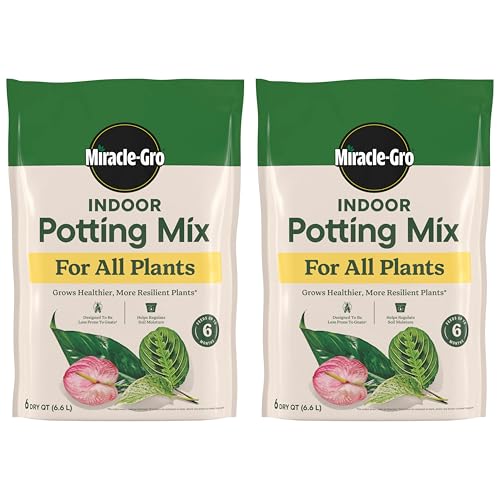
Miracle-Gro Indoor Potting Mix for All Plants, 6 qt., 2-Pack

Outsidepride Supreme Kentucky Bluegrass Seed Mix – 5 lbs

Outsidepride Legacy Fine Fescue Grass Seed Mix – 5 lbs
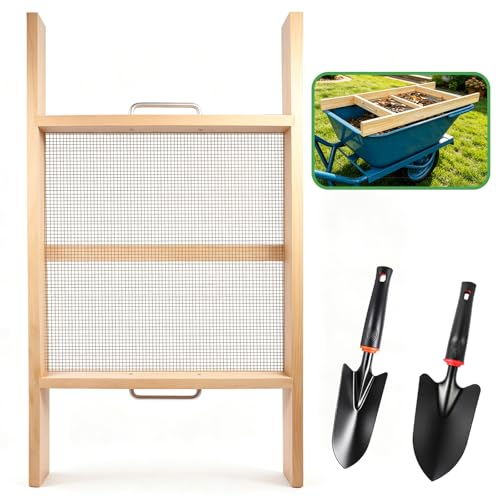
Large Soil Sifter for Gardening, 304 Stainless Steel 1/4 inch Mesh
Outsidepride SPF-30 Hybrid Bluegrass Seeds – 5 lbs
The Cobscook Blend sits at the front of the lineup for a reason. It works as a soil conditioner you mix into existing beds before laying seed, rather than a standalone planting medium for containers. Most homeowners reaching for a “soil for grass seed” actually need this kind of amendment to fix sandy patches, heavy clay, or compacted ground that won’t accept new seed.
What separates it from bagged topsoil is the ingredient list. Sphagnum peat moss holds moisture around germinating seeds without becoming waterlogged, compost feeds the young roots, and aged bark improves the loose, crumbly texture seed-to-soil contact depends on. If your lawn project involves renovating a tired yard rather than starting from scratch, this is the practical first step.
The Value In It
- Peat, compost, and aged bark improve water retention in fast-draining sandy soil
- Loosens compacted or clay-heavy ground so seedling roots can push through
- Useful for both flower bed prep and lawn top-dressing before overseeding
- Organic formulation suits gardeners avoiding synthetic starter fertilizers
Things To Consider
- One cubic foot covers a limited area, so larger yards require multiple bags
- Works best as an amendment mixed into native soil, not as the sole growing medium
Who It Suits Best
Homeowners renovating tired beds or overseeding patchy lawns in the Northeast and similar temperate regions benefit most from the moisture-retentive peat base.
Look Elsewhere When
Those seeding large sunny southern lawns should consider Outsidepride SPF-30 Hybrid Bluegrass, which pairs better with heat-heavy climates.
This Miracle-Gro blend earns its place for the small-scale gardener starting ornamental grass or microgreens in containers. It is not the right pick for spreading across a yard, but it solves a specific problem: finding a light, well-draining mix for indoor trays where dense outdoor soil would compact and choke young shoots.
Sphagnum peat moss, coir (a coconut-husk fiber that holds moisture without smothering roots), and perlite (a porous volcanic material that keeps the mix airy) combine into a fluffy texture that drains freely. For anyone sprouting a windowsill herb garden or patching a small balcony lawn substitute, the two-pack format delivers enough volume without waste.
The Helpful Details
- Lightweight texture prevents compaction in shallow seed-starting trays
- Coir and perlite balance moisture retention with airflow to roots
- Two-pack format suits multi-tray setups or repeat indoor sowing
Room For Improvement
- Designed for indoor containers, so it is impractical for outdoor lawn seeding
- Holds moisture shorter than peat-heavy blends, so trays may need more frequent misting in dry homes
Right Fit For
Apartment dwellers and indoor gardeners sprouting small grass varieties in trays or pots benefit most from this container-focused mix.
Consider Something Else When
Anyone seeding a full outdoor lawn will find more value in the Outsidepride Kentucky Bluegrass Seed Mix, which targets traditional turf projects.
Kentucky bluegrass is the classic northern lawn grass for good reason. This Outsidepride mix coats each seed with the OptiGrowth blend, which adds zinc, phosphorus, nitrogen, and a kelp-based biological called Elko to give seedlings an early boost. Compared to the bare-bones seed-only options, that coating changes the timeline from patchy germination to a denser, more uniform stand.
For a homeowner establishing a new lawn in a cool-season zone, the self-repairing nature of bluegrass through underground rhizomes (spreading stems that send up new shoots) helps fill in traffic damage over time. Five pounds covers a modest yard, and the fine blade texture gives that traditional lush look underfoot.
A Few Strong Suits
- OptiGrowth coating speeds germination and improves seedling vigor
- Self-repairing rhizomes recover from wear without frequent reseeding
- Fine blade texture delivers the classic manicured lawn appearance
- Blends well with ryegrass and fine fescue for customized coverage
Honest Caveats
- Cool-season grass struggles in southern heat, so it is the wrong fit for hot climates
- Germination is slower than ryegrass, requiring patience before full coverage appears
- Coated seed costs more than uncoated alternatives, though the early boost may justify it for thin soils
Key Advantages
Made For
Homeowners in the northern tier and upper Midwest with full-sun lawns seeking a traditional, dense turf will appreciate this bluegrass blend.
Swap It Out When
Those with shaded yards should reach for Outsidepride Legacy Fine Fescue, which handles low-light conditions far better.
Fine fescue is the answer for lawns where sunlight is the limiting factor. This Legacy blend combines three fescue varieties: 20% Hard Fescue, 40% Chewings Fescue, and 40% Creeping Red Fescue, each contributing different strengths. Hard fescue brings drought tolerance, Chewings handles dense shade, and Creeping Red fills in thin patches through gentle spreading.
The OptiGrowth coating on these seeds delivers the same nutrient-loaded start as the bluegrass mix above, which matters when seeding into less-than-ideal soil. For properties with mature trees, north-facing slopes, or mixed sun-and-shade patches, fine fescue outperforms bluegrass by a wide margin.
Key Advantages
- Three-variety blend handles shade, drought, and poor soils with equal confidence
- Fine texture stays soft underfoot without the coarse look of tall fescue
- Low maintenance once established, requiring less water and fertilizer than bluegrass
- Suitable for both northern and southern transition zones
Points To Keep In Mind
- Lower traffic tolerance than Kentucky bluegrass, so play areas may wear faster
- Slow recovery from heavy damage compared to rhizome-spreading grasses
Who Should Grab It
Property owners with mature shade trees or partially shaded yards will find this blend handles low-light conditions that punish bluegrass.
Not Your Match When
Those wanting a traditional dense sun lawn should consider Outsidepride Supreme Kentucky Bluegrass, which thrives in full-slight northern conditions.
This is the unsung tool that makes soil work easier. Before you spread seed, screening out rocks, roots, and debris gives grass seed direct contact with fine soil, which dramatically improves germination rates. The 304 stainless steel (a corrosion-resistant alloy commonly found in kitchen and outdoor hardware) construction means it handles wet compost and clay-heavy mixes without rusting out after a season.
Designed to rest across a standard wheelbarrow at roughly 11.8 by 11.8 inches, the sifter creates a hands-free workstation. Shovel material onto the mesh, shake, and the fines drop into the barrow while debris stays on top. The quarter-inch mesh is fine enough to catch most rocks but loose enough to keep the work moving.
The Upside
- 304 stainless steel resists rust even with regular wet-soil use
- Quarter-inch mesh catches rocks and debris while letting fine soil pass through
- Fits standard wheelbarrows for hands-free sifting without a separate stand
- Useful for compost screening, leaf mulch prep, and gravel sorting
Less Ideal Details
- Not a soil product itself, so it serves as a prep tool rather than a growing medium
- Smaller batch capacity than frame-mounted sifters for large commercial jobs
Feature Rundown
Perfect Match For
DIYers prepping bulk soil or compost before seeding a renovated lawn will save significant time by screening out debris first.
Reach For A Different Pick When
Gardeners working with bagged, pre-screened soil like Coast of Maine Cobscook Blend can skip this tool entirely.
The SPF-30 hybrid solves one of the toughest problems in southern lawn care: finding a bluegrass that survives sustained heat. This blend crosses Texas bluegrass (a heat-tolerant native variety) with traditional Kentucky bluegrass, producing turf that keeps its color through long summers in places like Florida, Georgia, and the Southwest.
For homeowners tired of watching their bluegrass lawns brown out by July, this hybrid maintains its green appearance with significantly less irrigation. The same OptiGrowth coating seen on the standard bluegrass mix carries over here, giving seeds a nutrient head start in challenging soil.
Strong Points
- Handles heat and drought far better than traditional Kentucky bluegrass
- Requires less watering and mowing once established
- Self-repairing growth habit fills in minor damage naturally
- Works in transition zones where neither northern nor southern grasses typically thrive
Some Limits To Know
- Not suited for deep northern climates where it may struggle in prolonged cold
- Still requires more water than Bermuda or Zoysia in extreme heat
- Newer hybrid, so long-term performance data in residential lawns is still emerging
Best Suited To
Southern and transition-zone homeowners wanting bluegrass aesthetics without the summer burnout will get the most from this heat-tolerant hybrid.
Another Choice May Suit
Those in northern climates with long cold winters should stick with Outsidepride Supreme Kentucky Bluegrass, which is bred for cold tolerance above all else.
Picking The Right Base For Your Lawn
Climate Comes First
Grass seed selection starts with your USDA hardiness zone (the geographic region classification system that maps average minimum winter temperatures). Cool-season grasses like Kentucky bluegrass and fine fescue thrive in zones 3 through 7, while heat-tolerant hybrids like SPF-30 belong in zones 7 through 10. Choosing outside your zone is the fastest path to a failed lawn, no matter how well you prep the soil.
Soil Condition Trumps Seed Quality
Even premium seed fails in compacted clay or nutrient-starved sand. Before spreading seed, test your soil pH (most grasses prefer 6.0 to 7.0) and amend with organic matter if needed. The Coast of Maine Cobscook Blend works well for loosening heavy ground, while screened compost improves sandy soils.
Coated Seed Justifies The Extra Cost
OptiGrowth and similar nutrient coatings cost more upfront but deliver measurable benefits: faster germination, stronger seedlings, and better performance in poor soils. For thin or tired lawns, the coating often pays for itself in reduced reseeding.
Match Seed Use To Foot Traffic
Family yards with kids and pets need self-repairing grasses with rhizome spread, which is where Kentucky bluegrass shines. Shaded ornamental areas do better with fine fescue’s lower maintenance profile, even if it tolerates less wear.
Smart Choices Before You Buy
Slips Worth Dodging
Buying seed without checking your climate zone leads to summer burnout or winter kill. Skipping soil prep and seeding directly into compacted ground wastes even premium seed. Matching all six picks against your actual yard conditions matters more than brand loyalty.
Where Premium Pays Off
Coated seed with biological additives costs more than raw seed but reduces the need for starter fertilizer and shortens germination time. Heat-tolerant hybrids like SPF-30 carry a premium over standard bluegrass but save on irrigation and replacement costs in southern lawns, where the upgrade often pays for itself within a single growing season.
Frequently Asked Questions
What is the best soil to put down before grass seed?
A blend of topsoil amended with compost or peat moss, like Coast of Maine Cobscook Blend, gives seed the loose, nutrient-rich base it needs. Avoid pure clay or sand without organic matter.
Can I just throw grass seed on dirt?
Seed-to-soil contact is critical for germination. Loose, raked soil works much better than hard-packed ground, so scratching the surface before spreading seed makes a real difference.
How long does grass seed take to germinate?
Most cool-season grasses sprout within 7 to 21 days under proper moisture and temperature. Kentucky bluegrass tends toward the slower end, while ryegrass emerges faster.
Do I need to cover grass seed after spreading?
A thin layer of straw or screened compost helps retain moisture and prevents seed washout, but it is optional for small patches. Keep the area consistently moist until germination.
When is the best time to seed a lawn?
Early fall is ideal for cool-season grasses because warm soil and cool air favor root development. Spring is the second-best window, though summer heat can stress new seedlings.
Closing Remarks
Your climate, soil condition, and how you use the lawn should drive every choice on this list. Match the seed to your zone, amend the soil before spreading, and you will save yourself the frustration of reseeding next season.
