

Growing potatoes in the backyard starts with what goes into the ground. The right blend gives tubers room to swell, drains well enough to prevent rot, and feeds the plant through a long stretch of vegetative growth. Whether you’re filling a raised bed, refreshing a small patch, or going full container, this roundup breaks down ten soil products worth considering for the upcoming season.
Your Options, Compared
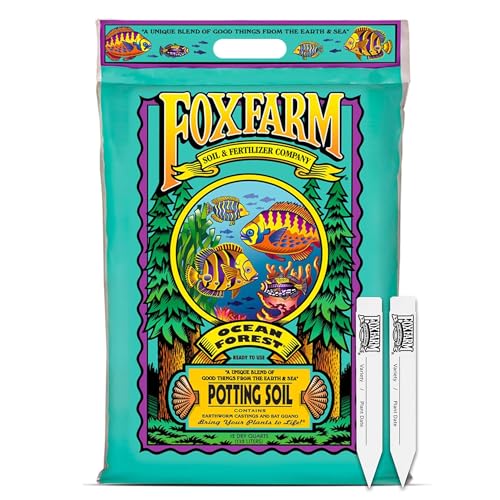
FoxFarm Ocean Forest Potting Soil with Plant Tags, 12 Quarts
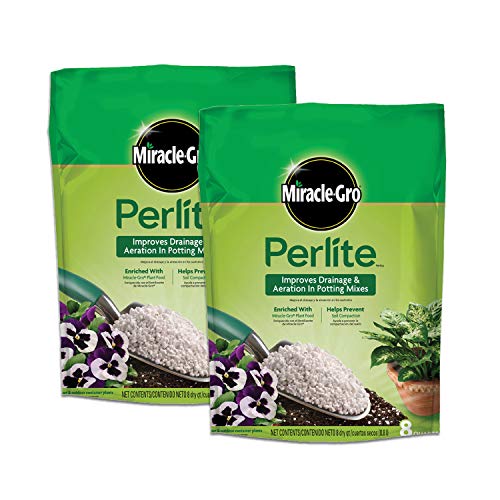
Miracle-Gro Perlite, 8 qt. (2-Pack)

FoxFarm Ocean Forest Potting Soil, 1.5 Cu Ft

Miracle-Gro Potting Mix, 16 qt. (2-Pack)

Compressed Organic Potting Soil, Coconut Coir & Worm Castings

Coast of Maine Cobscook Blend In-Ground Garden Soil (1 cu ft)

Miracle-Gro Indoor Potting Mix for All Plants, 6 qt., 2-Pack

FoxFarm Ocean Forest Container Potting Soil, 12 Quart

Miracle-Gro Indoor Potting Mix for Houseplants, 6 qt.
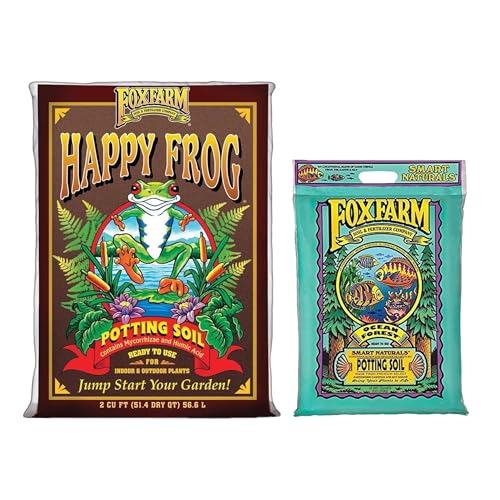
FoxFarm Happy Frog 2 Cu.Ft + Ocean Forest 12 Qt Bundle
A Closer Look At Each Pick
FoxFarm’s Ocean Forest blend arrives ready to use straight from the bag, which makes it a quiet favorite for small container potato projects. The texture is light and aerated, so tuber roots push through without fighting heavy clumps. Included plant tags help you track seed potato varieties and planting dates, a small touch that pays off when you’re juggling three cultivars in a single bed.
For gardeners dipping into bucket or fabric-bag potatoes for the first time, this 12-quart size is manageable enough to carry and pour. It also works well for raised bed top-offs when you need a richer layer for a specific row.
Key Advantages
- Pre-blended with fish meal, crab meal, and earthworm castings for sustained feeding
- Light, aerated texture that resists compaction in containers
- Ready to use on opening, no mixing or amendments needed
- Includes two plant tags for variety tracking
- Compact 12-quart size is easy to transport and store
Trade Offs Worth Knowing
- Twelve quarts fills only a few small grow bags, so larger beds may require multiple bags
- Richer organic content can attract fungus gnats in warm, humid indoor setups
Who It Suits Best
First-time potato growers working with fabric bags, five-gallon buckets, or modest patio containers.
Where Another Pick Suits Better
For a sprawling raised bed, FoxFarm Ocean Forest in the 1.5 cu ft size (Pick 3) covers more ground per purchase.
Perlite is a heated volcanic mineral that expands into lightweight white particles, and it earns a permanent spot in potato soil blends. Potatoes hate sitting in waterlogged ground, so adding perlite to a base mix opens up air pockets and speeds drainage around developing tubers. The two-pack format gives you sixteen quarts to work with, enough for several grow bags or a generous raised bed top-dress.
Miracle-Gro’s version also carries a light starter nutrient charge, which softens transplant shock when you’re setting seed potatoes into a freshly mixed bed. In most gardens, a 10 to 20 percent perlite ratio transforms an ordinary bagged mix into something far closer to what potatoes prefer.
Standout Benefits
- Expands pore space, preventing the soil compaction potatoes dislike
- Lightweight particles make heavy mixes easier to handle
- Two-pack provides sixteen quarts for multi-bag projects
- Improves drainage in both containers and ground rows
Points To Keep In Mind
- Dry perlite dust irritates lungs, so dampen it before mixing
- Floats to the surface over time with repeated overhead watering
- It is an amendment, not a standalone growing medium
Made For
Gardeners amending dense or moisture-retentive native soil for a new potato patch.
A Better Fit Elsewhere
Coast of Maine Cobscook Blend (Pick 6) already includes organic matter suited to in-ground rows, so it may suit gardeners who want a one-bag solution.
The 1.5 cubic foot version of FoxFarm’s Ocean Forest is essentially Pick 1 scaled up for serious projects. Where the 12-quart bag is friendly to one or two containers, this size fills a multi-bag potato tower or a substantial raised bed section in a single purchase. The same earthworm castings, fish meal, and crab meal blend carries over, so growth performance stays consistent.
For gardeners planting ten to fifteen potato sets across a dedicated bed, this format also cuts down on packaging waste. The bag is heavier and a bit unwieldy to haul up stairs, but for ground-level plots that’s rarely a problem.
What Works In Its Favor
- Same nutrient-dense formula as the smaller bag, just more of it
- Aerated texture supports tuber expansion without resistance
- Cuts down on the number of bags you need to wrestle home
Worth Noting
- Heavier bag is harder to carry down stairs or to rooftop gardens
- Once opened, contents should be used within a season to stay fresh
Best Suited To
Raised bed growers dedicating an entire plot to a long row of potatoes.
Skip It When
Miracle-Gro Potting Mix 16 qt. (Pick 4) may suit gardeners who want a lighter, slower-feeding option for mixed vegetable containers.
Miracle-Gro’s outdoor container mix is built for the long haul, feeding vegetables like potatoes for up to six months from a single application. The two-pack totals thirty-two quarts, a sensible middle ground for gardeners running several fabric grow bags side by side. The texture is lighter than native garden soil, which suits potato tubers as they swell and push outward.
This blend is widely available and easy to find at garden centers, which simplifies replenishing mid-season. For most backyard setups, a 25 to 30 percent perlite boost on top makes it ideal for potato health.
Notable Upsides
- Six-month feeding reduces mid-season fertilizer work
- Thirty-two quart total covers three to four medium grow bags
- Lightweight texture plays to potato tuber expansion
Smaller Caveats
- Slow-release nutrients may run short on heavy-feeding potato varieties
- Not a complete amendment for in-ground rows; best in containers
Whose Shelf It Belongs On
Container gardeners mixing potatoes with other vegetables like tomatoes or peppers in shared beds.
Not Your Match When
Coast of Maine Cobscook Blend (Pick 6) suits gardeners planting directly into native soil rows rather than containers.
Organic Plant Magic’s compressed soil arrives as a brick-sized block and expands up to four times its size once hydrated. Coconut coir (a fibrous byproduct of coconut husks that holds moisture without becoming soggy) is the bulk ingredient, with worm castings layered in for nutrition. The resealable bag keeps unused portions stable between projects, a rare convenience in bagged soil.
Apartment growers and balcony gardeners tend to love this format because it stores under a sink or in a closet until needed. For potato projects, the lighter texture works best in fabric bags or shallow bins rather than open ground.
The Case For It
- Compressed format ships and stores with minimal space
- Expands four times once watered, making roughly three gallons per brick
- Coir retains moisture evenly around tuber roots
- Resealable bag supports use across multiple seasons
A Few Limitations
- Pre-soaking the brick adds an extra step before planting
- Higher perlite additions are usually needed for potato-grade drainage
- Trace minerals are advertised, but feeding is lighter than premium blends
Perfect Match For
Apartment dwellers and balcony growers starting a small potato patch in containers.
Look Elsewhere When
Miracle-Gro Indoor Potting Mix (Pick 9) suits gardeners who want a ready-to-pour bag without hydration steps.
Coast of Maine’s Cobscook Blend is built specifically for in-ground beds, with sphagnum peat moss (a moisture-buffering moss harvested from bogs), compost, and aged bark as its backbone. For gardeners planting potatoes directly into native rows, this blend improves sandy, compacted, or clay-heavy soils without forcing a switch to containers. The organic composition also feeds the soil food web over time, building structure season after season.
It’s a versatile product that doubles as a top-dress for established beds, helping suppress weeds while adding organic matter. For most traditional potato patches, mixing this into the top eight to ten inches of native soil creates the loose, crumbly texture tubers prefer.
Points In Its Favor
- Compost and aged bark build long-term soil structure
- Effective for amending clay, sand, or compacted native ground
- Top-dressing established beds reduces weed pressure
Some Limits To Know
- One cubic foot treats only a small in-ground area per bag
- Heavier to ship than compressed or perlite-only options
Right Fit For
Traditional row gardeners working an established vegetable plot with native soil.
Reach For A Different Pick When
FoxFarm Happy Frog plus Ocean Forest bundle (Pick 10) suits gardeners juggling both in-ground rows and container potatoes.
This indoor-leaning blend balances sphagnum peat moss, coconut coir, and perlite into a mix that holds moisture without compacting. For gardeners starting seed potatoes in small bins before transplanting outdoors, the consistent texture supports uniform sprouting. The two-pack format delivers twelve quarts, enough for several starter trays or one medium grow bag.
The lighter weight also makes it manageable for windowsills and balconies where hauling a heavy 1.5 cu ft bag would be impractical. It plays well with supplemental feeding once the potato plants reach the vegetative growth stage.
Real-World Strengths
- Balanced moisture retention from coir and peat moss
- Lightweight enough for indoor and balcony use
- Twelve quart total supports multiple starter projects
Worth Bearing In Mind
- Light feeding profile means supplemental fertilizer is usually needed
- Smaller bag volume fills only one to two grow bags
Built With In Mind
Windowsill gardeners pre-sprouting seed potatoes before moving them outside.
Another Choice May Suit
Miracle-Gro Indoor Potting Mix 6 qt. single bag (Pick 9) suits gardeners who want built-in six-month feeding instead.
FoxFarm’s Ocean Forest in the standard 12-quart container format is the blend many potato growers return to season after season. Aged forest products, sandy loam (a balanced soil containing sand, silt, and clay), and sphagnum peat moss combine for a loose, well-draining texture that encourages tuber expansion. Like Pick 1, it’s ready to use straight from the bag.
This specific listing focuses on container gardeners and seedling starts, with the aerated formula preventing the soggy conditions potatoes can’t tolerate. For repeat growers with established routines, it removes the guesswork from soil selection.
What Makes Sense
- Aerated texture suits both seedlings and mature potato plants
- Fish meal and crab meal feed steadily through the season
- Twelve quart size is manageable for solo gardeners
Practical Considerations
- Premium price per quart compared to larger bag options
- Smaller volume means more frequent reorders for big projects
Who Should Grab It
Container-focused potato growers who want a familiar, predictable blend year after year.
Swap It Out When
FoxFarm Happy Frog plus Ocean Forest bundle (Pick 10) suits gardeners who want both an in-ground and a container option in one shipment.
Miracle-Gro’s indoor houseplant blend skips compost and bark on purpose, which makes it less prone to fungus gnats (small flying insects whose larvae thrive in decomposing organic matter). For gardeners sprouting seed potatoes on a kitchen counter or basement shelf, that detail alone is worth considering. Coconut coir carries the moisture load, holding and releasing water evenly around developing roots.
Feeding lasts up to six months, so newly planted seed potatoes get a slow-release nutrient stream as they break dormancy. The single-bag six-quart format keeps things simple for small indoor starts.
Everyday Wins
- Bark-free formula reduces fungus gnat issues indoors
- Coir base re-wets easily after drying out
- Six-month feeding matches the potato sprouting timeline
Honest Caveats
- Six-quart volume fills only one small starter bin
- Designed for indoor use, not strong enough on its own for outdoor beds
Who Will Love This
First-time growers pre-sprouting seed potatoes on a sunny windowsill before transplanting outside.
Consider Something Else When
Miracle-Gro Indoor Potting Mix 6 qt. two-pack (Pick 7) makes more sense for gardeners running multiple starter trays at once.
This bundle pairs FoxFarm’s flagship products: a two cubic foot bag of Happy Frog alongside a twelve-quart bag of Ocean Forest. Happy Frog brings soil microbes, earthworm castings, and bat guano to the mix, while Ocean Forest contributes the lighter aerated texture reviewed earlier. Together, they cover most potato setups from raised beds to containers.
For gardeners splitting time between an in-ground row and a patio container patch, having both blends on hand simplifies feeding schedules. The combination also lets you blend the two at a roughly three-to-one ratio for custom soil texture.
Practical Advantages
- Two flagship FoxFarm blends ship together
- Covers both in-ground rows and container setups
- Happy Frog’s microbial charge benefits soil biology over time
Details To Watch
- Larger combined weight is harder to haul up stairs
- Some gardeners may only need one of the two blends
- Premium positioning means a higher upfront cost
Right Fit
Multi-zone gardeners running both an in-ground potato patch and a container bed side by side.
A Better Fit Elsewhere
Coast of Maine Cobscook Blend (Pick 6) suits gardeners committed to in-ground growing who don’t need a separate container blend.
What Matters Most When Choosing Soils For Growing Potatoes
Potatoes tolerate a range of soil types, but they reward gardeners who dial in the right texture and drainage. The biggest factor is looseness: tubers expand underground, so compacted clay-heavy ground limits yield and produces misshapen spuds. Aim for soil that crumbles easily in your hand, with visible pore space for water to drain and roots to breathe.
Drainage comes next, and it’s where amendments like perlite earn their place. Waterlogged soil encourages rot and invites disease pressure, especially during tuber formation. A slightly acidic to neutral pH (around 5.0 to 6.5) suits potatoes best, so growers with alkaline native soil may want to work in peat moss or sulfur over time. Organic matter rounds out the picture, feeding the soil biology that supports strong vegetative growth through the long potato season.
Choosing Between Container Mixes And In-Ground Soil
Container potato growers have it easy in some ways: bagged potting mix already arrives loose and well-draining. The trade-off is faster drying and limited nutrient reserves, which makes slow-release feeding or supplemental fertilizer important. In-ground growers face the opposite challenge, working with native soil that may be too dense, too sandy, or nutritionally thin without amendment.
The volume of potatoes you want to grow drives much of this decision. A few fabric bags on a patio can rely on a single 12-quart bag plus perlite, while a dedicated 4×8 raised bed calls for at least a cubic foot of fresh mix. For mixed setups, keeping one bag of each format on hand lets you match soil to planting style without overbuying.
Key Considerations Across These Picks
Common Shopping Slip Ups
The most frequent mistake is grabbing a dense outdoor garden soil for containers, which compacts quickly and chokes tuber growth. Another is underestimating how much perlite or coarse sand a heavy native soil needs to reach potato-friendly texture. Skipping a soil refresh between seasons can also leave last year’s salts and disease pressure lingering in the same bed.
Where The Extra Money Goes
Premium blends like FoxFarm’s Ocean Forest and Happy Frog carry organic amendments that feed soil biology, not just plants. That microbial activity pays off across multiple seasons, especially in containers where the soil food web otherwise struggles to establish. For small-space gardeners, a richer blend can replace several seasons of fertilizer additions.
