

A healthy succulent collection depends less on watering schedule than on what fills the pot. Dense, moisture-retentive mixes are the fastest route to root rot, while loose, gritty blends let those fleshy roots breathe. The picks below cover ready-to-use mixes, DIY amendments, and specialty products so you can build the right foundation whether you’re repotting a single echeveria or refreshing a windowsill full.
The Main Contenders

ZeeDix 3QT Coarse Perlite for Plants

MODELLOR Coco Coir Bricks, 4-Pack

Botanicare Pure Blend Pro Bloom Soil 1-4-5, 5 gal

FoxFarm Ocean Forest Potting Soil, 1.5 cu ft
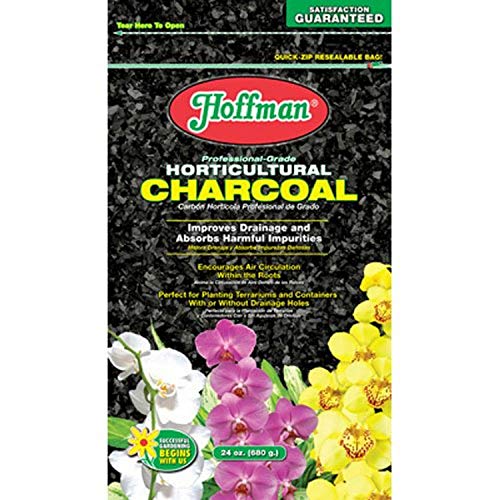
Hoffman 17502 Charcoal Soil Conditioner, 24 oz
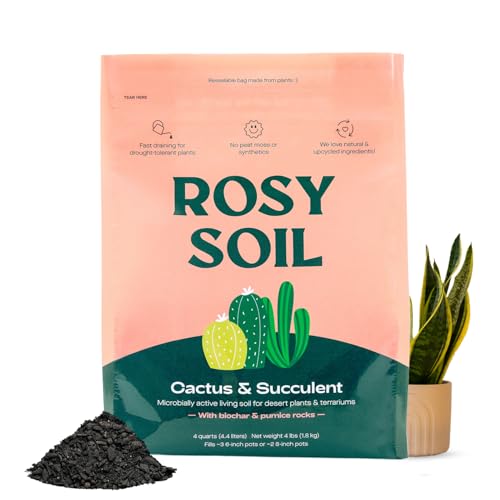
Rosy Soil Cactus & Succulent Potting Mix, 4 Quarts

ZeeDix 6QT Coarse Perlite for Plants

ZeeDix 3QT Tropical Potting Mix
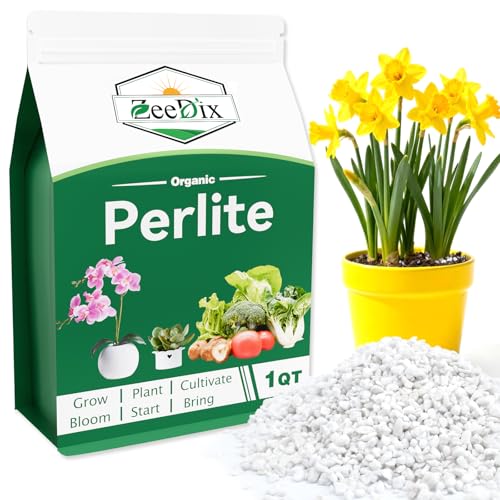
ZeeDix 1QT Coarse Perlite for Plants

ZeeDix 1QT Tropical Potting Mix
More Details On Our Top Picks
Perlite is one of those underrated workhorses in any succulent toolkit, and this 3-quart bag from ZeeDix hits a friendly middle ground for hobbyists. The coarse 3–9mm grade creates air pockets in dense mixes, which matters because succulent roots rot fast when water lingers around them. You pour it in, fluff your blend, and the porosity stays consistent across the pot.
Think of this as a supplement rather than a standalone medium. Most owners blend it into existing soil at roughly a 1:1 or 1:2 ratio depending on how gritty they want the texture. Compared with the larger 6-quart ZeeDix option later in this list, this size works better when you’re only refreshing a handful of small pots.
A Few Strong Suits
- Coarse 3–9mm granules resist breaking down into dust over time
- Lightweight nature means easier handling and lighter pots on windowsills
- Neutral pH won’t shift your existing soil chemistry unexpectedly
- Pairs with almost any base mix for custom drainage tuning
Honest Caveats
- Dry perlite dust kicks up easily during pouring, so work near a window or outside
- Floats to the surface after heavy watering, requiring occasional re-mixing
Right Fit For
Windowsill growers refreshing three to six small pots who want to dial in drainage without buying a bulk bag.
Look Elsewhere When
You’re repotting a large collection or filling big patio planters, where the 6QT ZeeDix Coarse Perlite offers better volume per dollar.
Compressed coco coir bricks solve the storage problem that bagged soils never address. MODELLOR’s four-pack ships as five pounds of dense blocks that fluff out into roughly nine gallons of usable medium once you add water, which is wild in person. The triple-washed, low-EC processing also reduces the salt concerns that sometimes come with cheaper coir.
For succulents specifically, you won’t use this alone. Coco holds moisture longer than most succulents prefer, so the smart move is blending it with perlite or pumice to keep the texture loose. Owners in apartments with limited closet space tend to appreciate the shelf-stable format most.
Where It Excels
- Compact bricks store on a shelf without taking up a full bag’s footprint
- pH-balanced formulation reduces the need for immediate amendments
- Yields nine gallons from five pounds, enough for many small projects
- Organic base appeals to gardeners avoiding synthetic additives
Things To Consider
- Needs rehydration time, so it isn’t a pour-and-plant solution
- Holds more moisture than pure succulent mixes, requiring perlite blending
- Break-up of compressed bricks can be uneven without a large bucket
Key Product Details
Made For
Small-space gardeners who want a long-lasting organic base without dedicating a closet corner to bulky bagged soil.
Swap It Out When
You want a single, ready-to-pour succulent blend, in which case Rosy Soil Cactus & Succulent Potting Mix skips the mixing step.
Botanicare’s Pure Blend Pro Bloom sits in a different category than the other picks here: it’s a liquid nutrient, not a granular medium. The 1-4-5 ratio (nitrogen-phosphorus-potassium) targets flowering and fruiting stages, which is why the brand lists succulents alongside fruits and vegetables on the use cases.
For succulents that actually bloom, like echeveria, kalanchoe, or Christmas cactus, a bloom-phase feed can coax stronger color and bud set. You dilute it into your regular watering routine rather than replacing your soil with it, so think of it as a supplement layered on top of a quality base like FoxFarm Ocean Forest.
What Helps Most
- Bloom-targeted nutrient ratio supports flowering succulent varieties
- Liquid form mixes easily into watering cans without agitation
- Works alongside standard soil mixes without overhauling your setup
- Five-gallon container suits growers with larger collections
Trade-Offs
- Not a standalone soil, so it requires a base medium to function
- Overfeeding succulents can cause leggy growth, so dosing matters
- Larger format may be overkill for windowsill hobbyists
Who Should Grab It
Collectors of flowering succulents who already have a quality base soil and want to support stronger blooms during the active season.
Consider Something Else When
You’re starting from scratch and need an actual growing medium first, in which case FoxFarm Ocean Forest Potting Soil covers the foundation.
FoxFarm’s Ocean Forest has earned its reputation as a ready-to-use workhorse, and the 1.5 cubic foot bag covers serious ground for container gardeners. The blend combines earthworm castings, fish meal, and crab meal, which together produce a richer nutrient profile than most peat-based competitors. The light, aerated texture also resists compaction over time.
For succulents specifically, you may still want to cut it with perlite or pumice since the mix was designed for a broader range of container plants. Right out of the bag, it’s denser than ideal for plants that prefer dry feet. For larger patio pots or mixed arrangements, though, few ready-made options deliver this level of biological activity.
Good Reasons To Consider
- Ready to use straight from the bag with no mixing required
- Organic inclusions support biological activity in the root zone
- Large 1.5 cu ft volume suits container-heavy projects
- Light texture reduces compaction during the growing season
Points To Keep In Mind
- Rich nutrient profile can be too dense for true desert succulents without amendments
- Higher moisture retention means you’ll water less frequently
- Bag size may be excessive for apartment growers with limited storage
Feature Snapshot
Best Suited To
Container gardeners with mixed plant collections who want a high-quality base they can amend based on each plant’s needs.
A Better Fit Elsewhere
Strict desert succulent keepers who want a pre-formulated cactus mix, where Rosy Soil Cactus & Succulent Potting Mix is purpose-built for the job.
Horticultural charcoal is one of those ingredients terrarium builders swear by, and Hoffman’s 24-ounce jar delivers it in a manageable size. The porous structure pulls excess moisture away from roots while absorbing impurities, which is especially useful in closed-container plantings where humidity builds up.
You use it as a thin layer at the bottom of a pot or mixed into the top inch of soil. For succulents in decorative pots without drainage holes, it offers a small buffer against overwatering, though you should still practice restraint with watering. Think of it as a safety net, not a substitute for proper drainage.
The Practical Payoff
- Improves drainage in pots where excess water lingers
- Absorbs odors and impurities in enclosed container setups
- Slow-release of trace minerals over time
- Compact jar stores easily on a potting bench
Smaller Caveats
- An amendment rather than a standalone soil, so pairing required
- Fine dust during initial handling calls for gloves or a mask
Whose Shelf It Belongs On
Terrarium and closed-pot hobbyists who need extra moisture control in vessels without drainage holes.
Reach For A Different Pick When
You need the primary growing medium itself, where the MODELLOR Coco Coir Bricks deliver a more versatile base.
Rosy Soil built this mix specifically for succulents and cacti, which sounds redundant until you realize how many generic potting soils fail at the task. The chunky texture stays loose rather than compacting, and the inclusion of worm castings plus beneficial microbes gives the blend a living-soil quality without going overboard on moisture retention.
For hobbyists tired of guessing ratios, this is the open-bag-and-pour option on the list. The four-quart bag covers roughly four to six medium pots depending on root ball size, and you don’t need to amend it for most common succulent varieties.
Positive Takeaways
- Pre-formulated for cacti and succulents, no blending required
- Chunky texture resists compaction in deeper pots
- Living soil components support biological activity over time
- Reasonable four-quart size fits apartment storage
A Few Limitations
- Specialty blend commands a higher per-quart price than general mixes
- Worm castings add mild odor in the first few days after repotting
- Not ideal for tropical foliage plants that prefer richer blends
Quick Facts
Perfect Match For
Beginner to intermediate succulent owners who want a purpose-built blend without researching DIY ratios.
Not Your Match When
You keep a mixed plant household with tropicals and ferns, where ZeeDix 3QT Tropical Potting Mix offers broader compatibility.
The 6-quart ZeeDix perlite doubles down on the same coarse-grade formula from the 3-quart bag but at a friendlier per-quart cost. For hobbyists batching custom mixes across many pots, the larger size removes the constant repurchasing that smaller bags force. The granules still fall in that versatile 3–9mm range, so drainage performance stays consistent.
You trade shelf space for savings here. If you mix your own succulent blend regularly, this bag pays for itself across a couple of large repotting sessions.
What It Does Well
- Better per-quart value than smaller perlite bags
- Same coarse grade as the 3-quart version, no quality drop
- Covers ten or more small pots per bag
- Lightweight composition keeps mixed pots from getting heavy
Potential Compromises
- Bulky bag needs dedicated storage space
- Compressed packaging means fluffing before measuring
Who Will Love This
DIY mixers maintaining larger collections who batch their own blends across multiple repotting sessions.
Where Another Pick Suits Better
Casual owners with just a few pots find the ZeeDix 1QT Coarse Perlite a better fit for occasional touch-ups.
This tropical-leaning mix from ZeeDix stretches beyond succulents into the broader foliage plant world. The five-in-one blend promotes aeration and drainage, which is useful for monsteras and pothos that also dislike soggy roots. For mixed households, owning one versatile bag simplifies the potting bench.
The honest read is that this works better for the tropical side of the collection than for true desert succulents. Use it for your monsteras and philodendrons, and reach for Rosy Soil’s cactus-specific blend when you repot the echeverias.
Practical Advantages
- Pre-mixed five-in-one formula requires no blending
- Suits a wide range of common houseplants
- Aeration-focused structure helps prevent overwatering issues
- Three-quart bag fits standard apartment storage
Honest Trade-Offs
- Holds more moisture than true succulents typically prefer
- Not a substitute for a cactus-specific blend in dry-climate plants
Built With In Mind
Houseplant enthusiasts juggling succulents alongside tropicals who want one bag that handles most repotting jobs.
A Different Choice May Suit
Pure desert succulent keepers should consider Rosy Soil Cactus & Succulent Potting Mix for a more targeted formula.
The smallest ZeeDix perlite option works for the most minimal projects. One quart handles a single small repotting or a quick top-dressing fix when the soil in an existing pot starts compacting. The coarse 3–9mm grade matches the other ZeeDix perlite options, so consistency across batches is a non-issue.
This is the kind of bag you buy once to test whether perlite amendments make a difference for your plants, without committing to a bigger container. For owners with one or two succulents on a desk, it’s genuinely enough.
Practical Pluses
- Low entry cost for first-time perlite experimenters
- Same coarse grade as larger ZeeDix perlite bags
- Tiny footprint fits in a kitchen drawer or small shelf
- Enough for one to two small pots per bag
Less Ideal Details
- Higher per-quart cost than the 6-quart version
- Runs out fast for owners with multiple plants
Right Fit For
Beginners testing perlite amendments on a single succulent before investing in larger quantities.
Skip It When
You maintain a multi-pot collection, where ZeeDix 6QT Coarse Perlite offers better long-term value.
The 1-quart version of ZeeDix’s tropical mix shrinks the same five-in-one formula into a tight package. For apartment dwellers with one or two small pots and almost no storage room, this bag earns its space. It still promotes aeration and drainage, though the volume means you’ll go through it quickly if you repot frequently.
Like the larger tropical mix, it’s more of a generalist option than a succulent specialist. Pair it with perlite from one of the other ZeeDix options if your succulents need extra grit.
The Value In It
- Smallest footprint of any pre-mixed option on the list
- Ready-to-use formula with no blending required
- Succulents, herbs, and flowers all listed as compatible
- Useful for trying tropical mixes before committing to larger bags
Practical Considerations
- Volume runs out after one to two small repottings
- Higher per-quart cost than the 3-quart tropical version
Who Should Grab It
Studio apartment dwellers with limited storage who need a single small bag for occasional touch-ups.
Look Elsewhere When
You’re repotting multiple plants at once, where the ZeeDix 3QT Tropical Potting Mix offers the same formula at better value.
What Matters When Choosing Soils For Growing Succulents
Drainage Comes First
Succulent roots evolved in arid environments where water drains quickly through gritty soil. The single most important attribute of any succulent medium is how fast water moves through it. A mix that stays damp for days creates the conditions for root rot, which is the leading killer of succulents in cultivation. Look for blends with coarse particles, perlite, pumice, or chunky components that maintain airspace even when wet. The FoxFarm Ocean Forest and Rosy Soil blends both prioritize this, though Rosy Soil takes it further with a cactus-specific formulation.
Pre-Mixed vs DIY Approach
Pre-mixed options like Rosy Soil save time and remove guesswork for beginners. DIY approaches using coco coir, perlite, and amendments give experienced growers finer control over texture and water retention. For owners with five or fewer plants, pre-mixed usually wins on convenience. For larger collections, buying components in bulk from the ZeeDix perlite and MODELLOR coco coir options reduces long-term cost.
Amendment Roles
Perlite (volcanic glass expanded by heat) adds air pockets without weight. Coco coir (coconut husk fibers) provides organic structure with moderate moisture retention. Horticultural charcoal improves drainage and filters impurities, which helps in closed containers. Most successful succulent growers combine two or three of these rather than relying on a single ingredient.
Matching Mix to Plant Type
True desert succulents (echeveria, haworthia, lithops) want the grittiest, fastest-draining blends. Tropical succulents (Christmas cactus, rhipsalis) tolerate richer mixes with more organic content. The ZeeDix tropical blends lean toward the latter category, while Rosy Soil and the perlite options serve the former. Knowing your plant’s native habitat guides the choice more than brand reputation.
Picking The Right Foundation For Your Collection
Mistakes Worth Dodging
Choosing a generic all-purpose potting soil is the most common misstep for new succulent owners. These blends retain too much moisture and compact around the roots. Skipping drainage holes in decorative pots compounds the problem. Another trap is over-amending with nutrient-rich options like pure worm castings, which can burn sensitive succulent roots. You should also avoid assuming that “outdoor soil” works for indoor pots, since outdoor blends carry pests and variable density that indoor plants can’t handle.
Why Higher Tier Costs More
Premium cactus-specific blends like Rosy Soil command higher per-quart prices because of specialized components and tighter formulation control. Larger bags from established brands like FoxFarm cost more upfront but offer better aeration profiles and biological activity from organic inclusions. The upgrade pays off when you’re repotting valuable or mature specimens where root health directly affects long-term vigor. For starter plants or budget-conscious growers, smaller perlite bags and DIY mixing achieve similar results at lower cost.
Frequently Asked Questions
How often do you need to replace succulent soil?
Most growers refresh the soil every two to three years, or whenever the plant outgrows its pot. Soil breaks down over time, losing the airy structure succulents depend on. You may notice compacted texture or slower drainage as the signal to repot.
Can you use regular potting soil for succulents?
You can, but you should amend it heavily with perlite or pumice to improve drainage. A common ratio is one part perlite to two parts standard potting soil. Without amendments, standard mixes stay wet too long and risk root rot in most succulent varieties.
Do succulents need fertilizer?
Most succulents grow well without regular feeding, especially during dormant winter months. Bloom-phase feeders like Botanicare Pure Blend Pro support flowering varieties during active growth. Diluted, infrequent applications work better than heavy regular feeding for these slow-growing plants.
What size pot is best for succulents?
Shallow pots typically work better than deep ones because succulent root systems stay relatively compact. The pot should have drainage holes and only be slightly larger than the root ball. Oversized pots hold excess moisture that smaller plants can’t absorb.
Is pumice better than perlite for succulents?
Both improve drainage, and the choice often comes down to availability and personal preference. Pumice is heavier and doesn’t float during watering, while perlite is lighter and easier to find. Many growers use them interchangeably or blend both into their custom mixes.
Wrap Up
The right soil depends on your collection size, plant types, and willingness to blend your own mixes. Specialty blends like Rosy Soil simplify the process for beginners, while bulk perlite and coir give experienced growers room to customize. Start with a quality base, match the drainage to your specific plants, and refresh the medium when roots show or texture compacts.
