

A potted herb garden should feel forgiving, yet the wrong medium turns every basil cutting into a swampy mess. Most leafy herbs crave a light, well-draining mix that holds moisture without suffocating roots, and a windowsill garden of rosemary, thyme, mint, or parsley calls for something different than a heavy raised bed. This roundup gathers ten widely used growing media, from compressed coir bricks to chunky perlite and pine bark, so you can match a blend to the way you actually water and the herbs you tend.
A Quick View Of The Lineup

MODELLOR Coco Coir Bricks, 4-Pack (5 lb)

FoxFarm Ocean Forest Potting Soil, 1.5 cu ft

Coco Bliss Coco Coir Bricks (50-Pack, 650 g)

WONDER SOIL 30 Quarts Coco Coir (3-Pack)

Biotolot Chunky Perlite, 3 Quarts (1/4 inch)
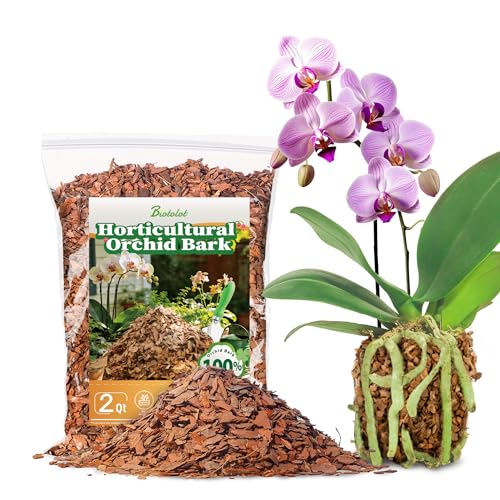
Biotolot Orchid Bark, 2 Quarts (Horticultural Grade)
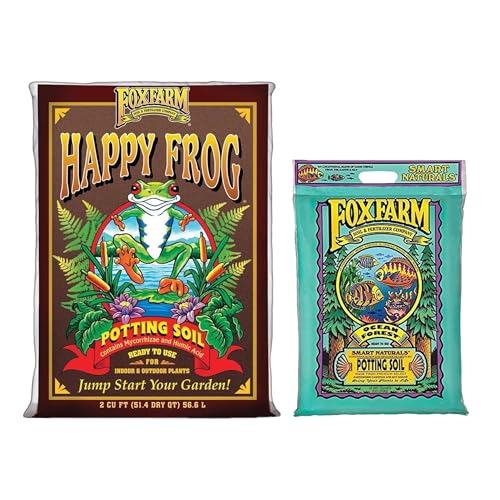
FoxFarm Happy Frog 2 cu ft + Ocean Forest 12 qt Bundle
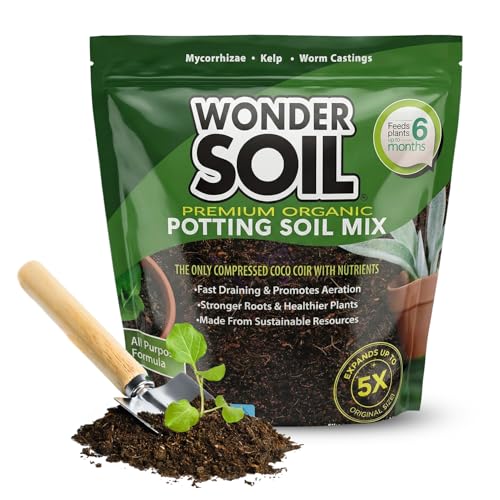
WONDER SOIL Organic Potting Soil, 12 Quarts

WONDER SOIL 72 Quarts Coco Coir Block (10 lb)

Biotolot Bonsai Soil, 2 Quarts Organic Mix
Taking A Closer Look At The Options
Coir, the fibrous husks of coconut shells, has earned a quiet reputation among windowsill herb growers because it stays airy even when wet. The MODELLOR Coco Coir Bricks ship as four dense 5 lb blocks that fluff up to roughly 9 gallons once you add water, which is plenty for several small pots or a round of seed-starting trays.
Where this product lands well is the entry point. Beginners who have never hydrated a brick before tend to find the process simple, and the low-salt rinse means tender herb roots face less risk of burn than they would in some cheaper coir.
What Helps Most
- Four-brick pack covers a small herb shelf or seed-starting rotation without leaving much excess.
- Triple-rinsed, pH-balanced coir reduces the salt risk that often stings tender basil cuttings.
- Compressed form keeps storage tidy in a closet or under the sink until you need it.
- Expands fast under warm water, so repotting day stays short.
Things To Consider
- Comes as plain coir, so you may want to blend in perlite or bark for Mediterranean herbs like rosemary that prefer drier feet.
- Once hydrated, any unused coir should be allowed to dry before bagging again or it can sour in storage.
Built With In Mind
New herb growers working on a few kitchen pots and starting seeds under a grow light.
Skip It When
You want a richer blend on its own; the FoxFarm Ocean Forest Potting Soil is a more complete starter.
FoxFarm’s Ocean Forest arrives pre-blended with earthworm castings, fish meal, and crab meal, so the medium itself does some of the early feeding work. The texture reads light and fibrous right out of the bag, which suits a kitchen herb shelf where drainage can swing from dry to soggy depending on the day.
For someone repotting a basil plant into a 6-inch container or refreshing a tired windowsill planter, the 1.5 cu ft bag offers enough material to handle several pots in one go without leftovers cluttering the closet.
Practical Advantages
- Built-in organic amendments reduce how soon you reach for liquid fertilizer.
- Light, aerated texture keeps roots oxygenated through wet and dry cycles.
- Widely available in multiple pack sizes for small or large jobs.
- Compatible with a wide range of herbs, from moisture-loving parsley to tougher sage.
Honest Caveats
- The bag is heavy to haul up apartment stairs, and the 1.5 cu ft size may overshoot what a single small kitchen garden needs.
- Strong organic smell right out of the bag can be off-putting for indoor growers during the first watering.
- Holds more moisture than plain coir, so rosemary and thyme growers may want to add perlite or bark.
Feature Snapshot
Who Will Love This
Intermediate herb growers maintaining a multi-pot kitchen garden who want a ready-to-use blend.
Swap It Out When
You would rather build a custom mix; pair Biotolot Chunky Perlite with the MODELLOR Coco Coir Bricks for that route.
Fifty individually wrapped bricks read more like a supply run than a casual purchase, and that framing is the point. For community gardens, classroom setups, or households that rotate herbs through multiple planters every season, having a tidy stack of screened coir pays off fast.
The Plantonix Coco Bliss line goes through multiple screening passes that aim to strip out fibers and grit, so the finished texture stays closer to fine peat than to a fibrous chunky mix.
Positive Takeaways
- Bulk 50-brick count covers long repotting rotations.
- Multi-screen filtration leaves a clean, low-debris medium.
- OMRI-listed organic status appeals to growers avoiding synthetic inputs.
- Small bricks hydrate quickly in a standard bucket.
Trade Offs
- Fifty bricks take up real storage space even in their compressed form.
- Pure coir provides no built-in nutrition, so plan to add amendments or fertilizer.
- Smaller brick weight means more individual units to unwrap during a big repotting day.
Best Suited To
Bulk buyers managing classroom, greenhouse, or multi-shelf herb rotations.
Reach For A Different Pick When
You only need a handful of pots; the WONDER SOIL 30 Quarts Coco Coir (3-Pack) is easier to store.
WONDER SOIL stands apart from plain coir by arriving already enriched with worm castings, mycorrhizae (beneficial fungi that help roots absorb nutrients), and kelp. The three-brick 30-quart pack lands in a comfortable middle zone, large enough for several pots yet still manageable for an apartment gardener without a car.
Anyone who has wrestled with a heavy bag of wet potting soil will appreciate how little space these bricks take before hydration.
Well-Handled Touches
- Pre-amended blend removes the guesswork of adding fertilizer during the first weeks.
- Three-brick pack is approachable for casual indoor herb shelves.
- Compressed storage fits on a high shelf or in a small gardening tote.
- Hydrates fast in a tub of warm water.
Soft Spots
- Nutrients deplete over a few months, so a follow-up feeding schedule still matters.
- May compact slightly in pots that stay on the wet side, so drainage holes matter.
Quick Facts
Perfect Match For
Home cooks maintaining a small herb shelf who want a low-prep medium right out of the bag.
Consider Something Else When
You grow mainly rosemary or thyme and need a chunkier texture; Biotolot Bonsai Soil mixes in volcanic rock for that.
Perlite, the popcorn-like volcanic mineral used to fluff up potting mixes, gets its own review because it is rarely a solo medium. The Biotolot Chunky Perlite is sized at roughly 1/4 inch, so it adds visible texture and creates air pockets that keep herb roots from sitting in stagnant moisture.
For growers who prefer to design their own blend, this bag is the missing ingredient that turns dense coir into something herbs actually want to grow in.
A Few Strong Suits
- pH-neutral mineral, so it does not shift your soil chemistry.
- Coarse 1/4 inch particles create lasting air pockets.
- Lightweight bag is easy to lift and pour.
- Stable structure resists breaking down across a full growing season.
Points To Keep In Mind
- Not a standalone medium; needs to be blended with coir, bark, or potting soil.
- Dry perlite dust is unpleasant to breathe in, so mixing outdoors or with a mask is wise.
- Three-quart volume is enough for amending a few pots but not for filling a large planter.
Spec Overview
The Right Fit
DIY blenders who like dialing in their own herb mix for the kitchen windowsill.
A Better Fit Elsewhere
You want a one-step medium; the WONDER SOIL 30 Quarts Coco Coir (3-Pack) already includes perlite-style amendments.
Pine bark might sound like an orchid-only product, yet Mediterranean herbs like rosemary, thyme, and oregano thrive on the same airy, fast-draining texture. The Biotolot Orchid Bark is screened to roughly 1/2 inch pieces with no dyes, which gives a chunky feel that prevents compaction.
Used straight or blended with coir, it pulls double duty as both a soil component and a top-dress mulch.
Everyday Perks
- Chunky structure drains fast and keeps roots oxygenated.
- Screened at a consistent 1/2 inch for predictable mixing.
- Useful as both a soil component and a top-dress layer.
- Natural pine bark breaks down slowly over a season.
Some Limits To Know
- Two-quart volume suits small herb pots rather than large planters.
- Not a complete medium on its own; most growers pair it with coir or compost.
- Dry bark can shed splinters when pouring, so a funnel helps during pot work.
Made For
Windowsill growers cultivating rosemary, thyme, or oregano that hate wet feet.
Not Your Match When
You want an all-in-one soil; the FoxFarm Happy Frog and Ocean Forest bundle handles a wider herb mix.
Pairing two FoxFarm products in one bundle, this set gives a gardener Happy Frog for general containers and Ocean Forest for hungry feeders. Happy Frog leans on soil microbes and earthworm castings to support steady feeding, while Ocean Forest brings a richer organic blend for established herb pots.
For an indoor herb shelf mixing basil, mint, and parsley, the duo covers both ends of the feeding spectrum without leaving you with one oversized bag.
Strengths Worth Knowing
- Two distinct blends let you match soil to each herb’s appetite.
- Happy Frog adds soil microbes that improve nutrient uptake over time.
- Ocean Forest handles the heavier feeders like basil in the same rotation.
- Bundle format simplifies ordering for a multi-pot herb shelf.
Worth Noting
- Total volume may be more than a single small windowsill needs.
- Sold through a third-party seller, so return windows can vary.
- Both bags are dense and benefit from a storage spot near your work area.
Whose Shelf It Belongs On
Dedicated herb gardeners mixing leafy and woody herbs across multiple pots.
Where Another Pick Suits Better
You only need a single medium; WONDER SOIL 30 Quarts Coco Coir (3-Pack) handles a uniform herb shelf.
A 3 lb bag that expands to about 12 quarts is the right scale for refreshing one tired pot rather than rebuilding a whole herb garden. The WONDER SOIL 12-Quart mix arrives with the same cast of amendments as the larger bricks: worm castings, mycorrhizae, kelp, and perlite.
That makes it a sensible backup to keep on the shelf for mid-season top-ups when a basil plant has exhausted the nutrients in its original pot.
Features That Help
- Small bag size keeps things light enough to carry home from a pickup counter.
- Pre-loaded amendments shorten the shopping list for one-pot refreshes.
- Suitable for both indoor and outdoor herb planters.
- Compressed format expands fast in a bowl of water.
Areas To Watch
- Twelve quarts runs out quickly across multiple medium-sized pots.
- Once hydrated, leftover medium needs prompt use or thorough drying to avoid mold.
Quick Technical Notes
Who Should Grab It
Anyone maintaining a single basil or mint plant who needs a quick mid-season refresh.
Look Elsewhere When
You want a larger volume for several pots; the WONDER SOIL 72 Quarts Coco Coir Block (10 lb) covers that case.
When you are rebuilding an entire herb corner at once, the 10 lb WONDER SOIL block expands into roughly 72 quarts of amended medium. The same worm castings, mycorrhizae, and kelp blend show up here, which keeps the feeding profile consistent across a large rotation.
A block this size pays off for households running several planters on a patio, a balcony rail garden, or a dedicated indoor shelf.
A Few Highlights
- Single block produces enough medium for many pots in one session.
- Pre-amended to feed plants for several months before top-up feeding.
- Compressed form keeps shipping weight manageable compared to bagged soil.
- Same amendment recipe as the smaller WONDER SOIL packs.
Practical Considerations
- Hydrating 72 quarts requires a large tub and a few minutes of stirring.
- More volume than a casual windowsill herb gardener needs.
- Needs prompt use after hydration, or careful drying for storage.
Technical Highlights
Right Fit For
Active herb gardeners refreshing a multi-pot garden in a single weekend.
Another Choice May Suit
You want to cover a smaller scale with less commitment; the WONDER SOIL Organic Potting Soil, 12 Quarts is a friendlier entry point.
Marketed for bonsai, this Biotolot mix reads more like a Mediterranean herb blend once you look at the ingredient list: pine bark for slow-release organic matter, black and red volcanic rock for drainage, zeolite (a porous mineral that holds and releases moisture), and perlite for aeration.
For rosemary, thyme, and oregano that hate staying wet, that combination produces exactly the gritty, fast-draining texture they prefer.
What Pays Off
- Mixed mineral blend is ready to use with no extra amendments needed.
- Volcanic rock and zeolite help balance pH and steady moisture swings.
- Particle mix resists compaction through repeated waterings.
- Works as a top-dress mulch over coir for woody herbs.
Things To Weigh
- Two-quart volume suits small pots rather than a full herb shelf.
- Heavier than coir-based mixes, so large planters can get cumbersome.
- Limited nutrient content, so feeding still matters during the growing season.
Feature Card
Who It Suits Best
Windowsill growers focused on Mediterranean herbs that need drier roots.
A Better Fit Elsewhere
You tend a leafy herb shelf; FoxFarm Ocean Forest Potting Soil supports moisture-loving basil and parsley.
Picking The Right Medium For Your Herb Pots
Herbs split into two broad groups once you start thinking about soil. Mediterranean herbs like rosemary, thyme, oregano, and sage evolved in rocky, fast-draining ground, so they suffer in anything that holds water for long stretches. Leafy herbs like basil, parsley, cilantro, and mint lean the other way and prefer steady moisture without saturation.
Drainage is the first attribute to weigh, and it shows up in texture rather than any single ingredient. A mix that feels gritty and chunky, full of bark, perlite, or volcanic rock, drains fast and stays airy around the roots. A finer, peat-style blend holds water longer and supports thirsty greens but can suffocate woody stems if the pot sits wet.
Container size matters as well, since small pots dry out quickly and benefit from a medium that holds some moisture. Larger planters hold water longer and pair better with a chunkier blend that prevents the bottom from turning soggy.
Feeding style is the last practical lever. Pre-amended blends with worm castings, kelp, or fish meal carry a starter nutrient load that buys time before you reach for liquid fertilizer. Plain coir, perlite, and bark keep the medium neutral and put the feeding schedule entirely in your hands.
Key Considerations Across These Picks
Traps First Timers Fall Into
New herb growers often grab a single bag of general potting soil and call it done, only to watch rosemary yellow in the center. The honest read is that leafy and Mediterranean herbs need different textures, and matching the medium to the herb saves a season of frustration.
Another common slip is overpotting a small seedling into a huge container, where the unused soil stays wet and invites root rot. Starting a young herb in a 4 to 6 inch pot and stepping up in size keeps the root zone active and drier.
When Paying More Pays Off
Premium blends like FoxFarm Ocean Forest or the Happy Frog and Ocean Forest bundle arrive loaded with organic amendments and a richer texture, which removes some of the feeding guesswork. For a single windowsill pot, plain coir with a separate fertilizer is the cheaper path. For a multi-pot herb shelf where you want steady growth across several species, the higher-tier blends earn their keep by reducing how often you intervene.
