

Healthy potted herbs start from the bottom up, and the wrong medium leads to soggy roots, yellowing leaves, and flavors that fall flat. Herbs grown in containers rely on a tightly limited root zone, so the texture, drainage, and nutrient profile of the soil matters far more than it does in a backyard bed. This roundup focuses on mixes and amendments built for the unique demands of potted herbs, from kitchen-window basil to balcony rosemary and container-grown olive trees.
The Lineup, Simplified

Rosy Soil Plant Food, Organic Fertilizer for Indoor Plants, 4 Quarts
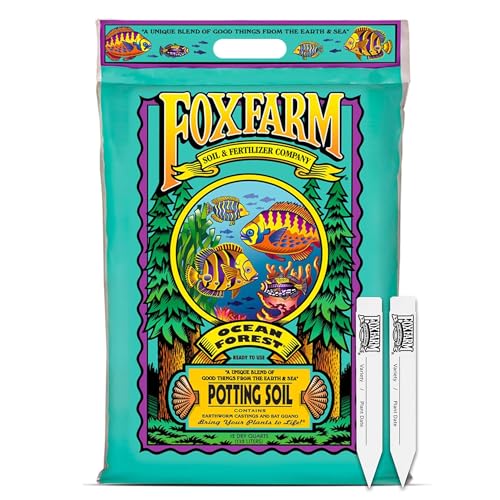
FoxFarm Ocean Forest Potting Soil with 2 Plant Tags, 12 Quarts

MODELLOR Coco Coir Bricks, 4-Pack (5 lb)

GARDENERA Premium Snake Plant Potting Soil Mix (1 Quart)

FoxFarm Ocean Forest Potting Soil, 1.5 cu ft

Char Bliss Organic Biochar for Plants (8 Qts)

Coco Bliss Coco Coir Bricks (50-Pack, 650gm)

Gardenera Snake Plant Spray Fertilizer Mist (8oz)

GARDENWISE Organic Olive Tree Potting Mix (1 Quart)

Gardenera Liquid Snake Plant Fertilizer 3-1-2 (8oz)
Meet The Standout Selections
Rosy Soil sits in an unusual spot on this list because it is technically a soil amendment rather than a finished mix. Made from biochar (a charcoal-like substance that holds nutrients and water in soil), kelp, worm castings, compost, bokashi (a fermented organic matter), and mycorrhizae (beneficial fungi that help roots absorb nutrients), it leans on biological activity to feed container herbs over time rather than flooding them with a quick nutrient hit.
For kitchen windowsills where basil, parsley, and chives get harvested weekly, that slow-release rhythm tends to match how the plants actually use food. The 4-quart volume works well for topping off several medium pots, and zero peat or synthetic additives keeps things simple for organic-focused growers. Worth noting: this works best blended into an existing mix rather than used alone in a pot.
Useful Strengths
- Multiple organic inputs feed herbs through both roots and microbial partnerships.
- Biochar helps potting soil hold moisture longer between waterings, which suits thirsty basil and mint.
- Clean ingredient list fits organic-leaning kitchens and indoor windowsills.
- Reasonable 4-quart size for a small herb collection without a long-term storage headache.
Worth Noting
- Not a standalone growing medium, so it pairs with another base soil from this list.
- Owners commonly report a mild earthy smell right after opening that fades within a day.
Made For
Container-herb gardeners who already have a base mix and want to stretch its feeding power with organic inputs.
Swap It Out When
FoxFarm Ocean Forest Potting Soil (12 qt) is the better starting point for growers who have no base mix ready and need something ready to use.
FoxFarm’s Ocean Forest has been a go-to for container gardeners for years, and the 12-quart bag brings that reputation down to a manageable size for a starter herb garden. The mix arrives ready to use straight from the bag, so you can pot up basil, cilantro, or thyme the same day you bring it home.
Light and aerated in texture, the blend relies on fish meal, crab meal, and earthworm castings to feed herbs over their first growing season. Compared to the Rosy Soil amendment above, this is a complete medium rather than a booster, which simplifies setup for newcomers. The included plant tags are a small touch that helps when you have several similar-looking seedlings lined up on the windowsill.
A Favorable Mix
- Ready-to-use format removes any guesswork about ratios or pre-mixing.
- Earthworm castings deliver gentle, organic nutrition that young herb seedlings tolerate well.
- Light texture encourages the strong root branching herbs need in tight containers.
- 12-quart bag suits a windowsill collection of roughly 4-6 medium pots.
Trade-Offs
- Smaller bags than the 1.5 cu ft sibling below, so larger collections need multiple purchases.
- The included organic meals can attract fungus gnats if the surface stays overly moist.
Key Specs
Whose Shelf It Belongs On
First-time herb gardeners who want a no-fuss, ready-to-pot medium that supports seedlings without extra amendments.
Consider Something Else When
MODELLOR Coco Coir Bricks (4-pack) suits growers who prefer to start from a blank, peat-free medium and customize their own feeding program.
Coco coir (shredded coconut husk fiber) arrives at your door in dense, dry bricks that look almost unreal for their size. Each MODELLOR brick hydrates into fluffy, peat-free growing medium, and the 4-pack yields about 9 gallons of finished material. Storage is the standout advantage: a stack of 5-pound bricks takes up far less space than bags of finished soil.
The triple-washed, low-EC (low electrical conductivity, meaning minimal salt content) processing matters for herbs, which can be salt-sensitive. You will need to add your own nutrients since coir is essentially a blank slate, but for growers who like dialing in their feeding schedule that is a feature rather than a limitation. The pH-balanced profile gives herbs a comfortable starting point without needing lime or sulfur adjustments.
Real-World Strengths
- Compressed bricks store easily in a closet or garage without taking up potting-bench space.
- Peat-free composition suits gardeners avoiding peat bog harvesting.
- Low salt content protects tender herb roots from common coir processing residue.
- Yields roughly 9 gallons, enough for 8-10 medium herb pots.
Honest Caveats
- Requires hydration time and a container large enough to soak and fluff each brick.
- Coir holds moisture well, so water-sensitive herbs like rosemary and thyme need careful watering.
Who It Suits Best
Apartment dwellers and small-space growers who want to keep bulk soil out of the hallway closet until they need it.
A Better Fit Elsewhere
GARDENWISE Organic Olive Tree Potting Mix is the right call for Mediterranean herb growers focused on olives and rosemary rather than moisture-loving basil.
Snake plants (Sansevieria) tolerate more neglect than nearly any other houseplant, but the wrong soil still sinks them fast. This Gardenera blend combines peat moss, perlite (small white volcanic pebbles that improve drainage), lime, and earthworm castings to create the fast-draining profile these upright succulents need to avoid root rot.
The 1-quart bag is sized for a single small to medium snake plant, which makes it a niche pick rather than a workhorse for mixed herb gardens. For potted herbs specifically, it serves growers who keep snake plants alongside their kitchen herbs and want a soil that matches the plant’s dry-tolerance rather than fighting it. Lime helps neutralize peat acidity, bringing the pH closer to what Sansevieria roots prefer.
Everyday Advantages
- Fast-draining composition helps prevent the root rot that finishes off most snake plants.
- Earthworm castings provide gentle nutrition without burning sensitive roots.
- Compact 1-quart size reduces waste for single-plant repotting jobs.
- Pre-blended formula eliminates the perlite-measuring step most beginners skip.
Points To Note
- Formulated specifically for snake plants, not general herbs like basil or mint.
- Small bag size makes it expensive on a per-quart basis for larger collections.
Best Suited To
Snake plant owners repotting a single specimen who want a soil matched to its dry-loving nature.
Look Elsewhere When
FoxFarm Ocean Forest Potting Soil (12 qt) is the smarter pick for windowsill herb growers stocking a mixed kitchen garden.
The 1.5 cubic foot version of FoxFarm Ocean Forest shares the same blend profile as the smaller 12-quart bag above, just scaled up for serious container gardeners. If you are running a patio full of mixed herb pots or starting seedlings for a small urban farm, this is the bag size that keeps you from running out mid-repot.
Light and aerated texture supports the kind of root branching herbs need when their entire world is one pot. Premium earthworm castings, fish meal, and crab meal bring a slow organic nutrient release that carries seedlings through their first stretch without immediate supplemental feeding. The trade-off is weight: a bag this size is heavy to haul up stairs or out to a balcony garden.
A Few Strong Suits
- Large volume suits gardeners potting up 10 or more herbs at once.
- Same proven Ocean Forest blend trusted by container growers for years.
- All-purpose formula works for vegetables, herbs, and ornamentals in containers.
- Ready to use straight from the bag with no mixing required.
A Few Limitations
- Heavy bag is awkward to carry upstairs or to rooftop gardens.
- More soil than most casual herb growers need, so storage becomes a concern after opening.
Feature Snapshot
Right Fit For
Committed container gardeners running a patio herb garden large enough to justify a heavy bulk bag.
Reach For A Different Pick When
Coco Bliss Coco Coir Bricks (50-pack) suits growers who would rather store compressed bricks than wrestle with a 40-pound bag.
Biochar is one of those soil amendments that sounds like a trend until you see how it behaves. Char Bliss biochar is made from ethically harvested wood and tree trimmings, then processed into a lightweight, porous charcoal-like material. Mixed into potting soil, it holds onto nutrients and water and slowly releases them back to plant roots.
The 8-quart volume works well as an additive for the FoxFarm or coco coir base mixes earlier in this list. For container herbs that get watered daily in summer, the added moisture buffering can stretch the time between waterings noticeably. It is not a standalone growing medium, so you will need to blend it with a base soil rather than fill a pot with it alone.
Advantages To Know
- Improves nutrient retention, so liquid feeds stay available to roots longer.
- Helps potting soil hold moisture between waterings, useful in sunny windowsills.
- Organic, OMRI-listed source material fits organic gardening standards.
- One application continues working across multiple growing seasons.
Some Limits To Know
- Must be blended with another base soil since it is not a finished mix.
- Dusty when dry, so wetting it before mixing keeps the air cleaner.
Who Should Grab It
Experienced container gardeners who already use a base soil and want to stretch its performance through better nutrient and water retention.
Not Your Match When
Rosy Soil Plant Food covers similar territory with more biological inputs for organic-focused beginners.
Coco Bliss is the bulk-friendly sibling to the MODELLOR bricks earlier in this list. Each 650-gram brick hydrates into a substantial volume of coir, and 50 of them keep a serious herb operation supplied for a long time. Pre-rinsed and pre-screened processing removes fibers, sand, and rocks that often show up in lower-grade coir.
For growers running community gardens, school programs, or simply rotating through many herbs per season, the 50-pack format means fewer reorders. Like other coir products, it is peat-free and arrives as a blank slate that takes on whatever feeding program you bring to it. Compare that to FoxFarm’s ready-to-use blends, which trade customization for convenience.
What Helps Most
- Bulk format keeps heavy users supplied for an extended growing season.
- Pre-screened processing cuts down on contaminants common in cheaper coir.
- Compressed bricks save significant storage space over bagged soil.
- Peat-free profile fits sustainable gardening goals.
Things To Consider
- Hydration setup requires a tub, bucket, or wheelbarrow for each batch.
- Owners commonly find that 50 bricks at once is more than casual gardeners need.
At A Glance
Perfect Match For
Heavy-use herb growers, community gardens, or school programs that cycle through large volumes of growing medium each season.
Where Another Pick Suits Better
MODELLOR Coco Coir Bricks (4-pack) is the right size for beginners who want to test coir before committing to a 50-brick supply.
This spray fertilizer is technically a feeding product rather than a soil, but it lands on this list because container herb growers often look for ways to supplement soil nutrition without pouring liquid into already-moist pots. The 3-1-2 NPK ratio (nitrogen-phosphorus-potassium, the three primary macronutrients plants need) is gentle enough for snake plants and similar low-feed houseplants.
Misting the leaves feeds through the foliage, which suits plants whose roots stay relatively inactive in cooler seasons. The 8-ounce bottle is sized for occasional rather than heavy feeding. Worth knowing: foliar feeding (applying nutrients directly to leaves rather than roots) works best as a supplement to soil feeding, not a replacement for it.
Where It Helps
- Spray format skips the measuring and mixing step of liquid concentrates.
- Gentle 3-1-2 ratio suits sensitive houseplants and snake plants specifically.
- Compact 8-ounce bottle stores on a shelf without taking up much space.
Trade-Offs To Consider
- Foliar feeding supplements but does not replace nutrients delivered through the soil.
- Niche product; not a soil amendment, so it pairs with one of the mixes on this list.
Built With In Mind
Snake plant owners who want a quick leaf-mist supplement without measuring concentrates each feeding.
Where A Sibling Pick Shines
GARDENERA Premium Snake Plant Potting Soil Mix is the foundation-level choice for the actual growing medium these mists supplement.
Olive trees and Mediterranean herbs like rosemary, thyme, and oregano all share a preference for sharply draining soil that mimics their native rocky landscapes. GARDENWISE leans into that profile with a blend built around fast drainage and root-rot prevention, enriched with worm castings, compost, and limestone for balanced pH.
The 1-quart bag fits a single small olive tree or several small herb pots. Limestone helps neutralize acidity, which Mediterranean plants tend to dislike. For indoor olive trees that have struggled in moisture-retentive standard potting mixes, this kind of specialized blend often makes the difference between a struggling plant and a thriving one.
Useful Touches
- Fast-draining profile prevents the root rot Mediterranean plants are prone to.
- Limestone adjusts pH toward the slightly alkaline range olives prefer.
- Organic ingredients support slow, steady nutrition over the growing year.
- Works for both indoor and outdoor container olives.
Small Caveats
- 1-quart volume suits only one small tree or a few herb pots.
- Specialized formula makes it less versatile for general kitchen herbs like basil.
Who It Suits Best
Olive tree owners and Mediterranean herb growers who need soil that drains quickly and resists root rot.
Skip It When
FoxFarm Ocean Forest Potting Soil (12 qt) is the more versatile base for mixed kitchen herb gardens with a wider plant variety.
The liquid concentrate version of the Gardenera feeding lineup offers more control than the spray mist above. You dilute it into your watering can, which means you decide exactly how much nutrition each pot gets. The 3-1-2 ratio stays gentle enough for snake plants and similarly low-feed species.
The 8-ounce bottle concentrates down into a generous amount of finished feeding solution, so the per-feeding cost works out modest. Like the spray, this is a supplement rather than a soil replacement, so it pairs with one of the base mixes on this list. For snake plant owners who already have a quality soil and want to stretch its feeding window, this fits naturally into the routine.
What Makes Sense
- Dilutable concentrate lets you control feeding strength for each pot.
- Gentle 3-1-2 ratio matches the low-feed profile of snake plants.
- 8-ounce bottle lasts through many feedings when properly diluted.
Details To Watch
- Requires measuring and dilution rather than ready-to-spray convenience.
- Specialized for snake plants, so it is not the right general herb fertilizer.
Quick Facts
Right Fit For
Snake plant owners who already use a quality soil and want a measured, dilutable feeding routine.
Not Your Match When
Gardenera Snake Plant Spray Fertilizer Mist suits growers who prefer a spray-on application without measuring or mixing.
What Matters Most When Choosing Soil For Container Herbs
Container-grown herbs live in a closed environment where every watering, feeding, and root expansion happens within a fixed volume. That tight root zone makes soil selection more consequential than it is for in-ground beds, where roots can travel to find what they need. Start by matching the mix to the herbs you actually grow, since moisture-loving basil and dry-tolerant rosemary want very different things.
Drainage is the first attribute to weigh. Mediterranean herbs and succulents want fast-draining blends that resist waterlogging, while leafy herbs tolerate and often prefer mixes that hold moisture a bit longer. Texture follows drainage: airy mixes with perlite or coarse components encourage the root branching that supports vigorous top growth. Nutrient content is the third pillar, and it interacts with how often you intend to feed.
For organic-focused growers, ingredients like worm castings, kelp, and biochar offer slow nutrition with biological benefits. For gardeners who prefer to manage feeding on their own schedule, a blank-slate medium like coco coir gives full control. Volume matters too: a 1-quart bag suits a single small pot, while a 1.5 cu ft bag keeps a patio collection supplied. Storage, weight, and whether the bag is heavy to carry should factor into your decision.
Key Considerations Across These Picks
Common Shopping Slip Ups
A frequent misstep is grabbing a general garden soil instead of a potting mix, since garden soil compacts in containers and suffocates herb roots. Another is choosing a moisture-retentive blend for dry-tolerant herbs like rosemary or thyme, which rot quickly when their feet stay wet. Watch out for mixes that promise “all-purpose” without specifying drainage characteristics, since herbs vary so widely in their water needs.
Where The Extra Money Goes
Higher-tier blends tend to invest in biological inputs (mycorrhizae, kelp, biochar), better ingredient screening, and balanced pH right out of the bag. That shows up as longer feeding windows, fewer salt-burn issues on tender seedlings, and often a more consistent texture across the bag. For a serious herb operation, the upgrade pays back through healthier plants and fewer repotting surprises over the season.
Frequently Asked Questions
Can I use garden soil for potted herbs?
Garden soil compacts in containers and suffocates herb roots, so a dedicated potting mix with perlite, coir, or compost is the safer foundation for any potted herb collection.
How often should I replace potting soil for herbs?
Most herbs benefit from fresh soil every 1-2 seasons, since salt buildup and nutrient depletion gradually degrade even good mixes in confined containers.
Do herbs need fertilizer in potting soil?
Yes, since container volume limits nutrient availability. Slow-release organic inputs or periodic liquid feeds keep leafy herbs productive through the growing season.
Is coco coir better than peat-based soil?
Coco coir is peat-free and rehydrates well, while peat is more acidic and water-retentive. Mediterranean herbs often prefer coir blends; leafy herbs tolerate either.
What soil pH do most culinary herbs prefer?
Most culinary herbs thrive in a slightly acidic to neutral range near 6.0-7.0, though Mediterranean herbs tolerate slightly alkaline conditions above 7.0.
Wrap Up
The right soil for potted herbs depends on which herbs you grow, how much you want to feed them, and where your pots live. Match the mix to the plant’s water preferences first, then layer on nutrition based on how hands-on you want to be. Any of the options above will set up a healthy container herb garden when paired with proper light and watering.
