

Hostas reward gardeners who treat their soil like the foundation of the whole planting. These shade-loving perennials push out fleshy roots that crave moisture without sitting soggy, so the right blend of organic matter and drainage sets the tone for everything from leaf size to slug resistance.
Whether you’re filling a shady border, refreshing a raised bed, or potting up a few new divisions, the picks below cover everything from rich ready-to-use mixes to the amendments that turn average dirt into a hosta haven. You’ll find bagged blends, compressed coir bricks, and coarse perlite sized for different project scopes.
An Overview Of The Picks
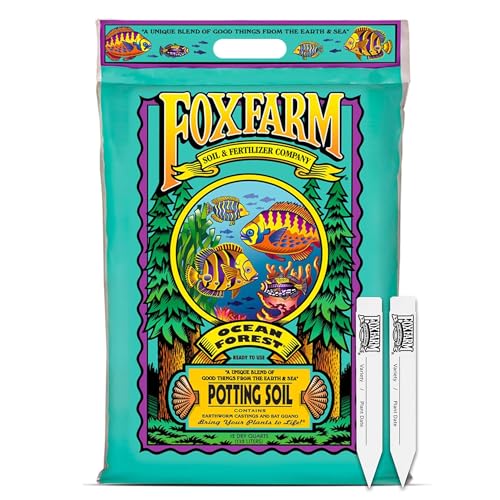
FoxFarm Ocean Forest Potting Soil, 12 Quarts

Legigo 4 Quarts Organic Perlite

FoxFarm Ocean Forest Potting Soil, 1.5 cu ft

Special Lithops Soil Mix with Bonus Live Mini Lithops

WONDER SOIL 30 Quarts Compressed Coco Coir 3-Pack

Legigo 15 Quarts Organic Perlite

Legigo 20 Quarts Organic Perlite

Legigo 6 Quarts Organic Perlite
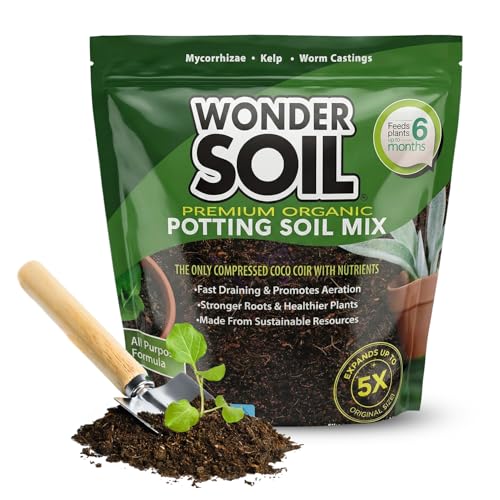
WONDER SOIL Organic Potting Soil 12 Quarts

WONDER SOIL 72 Quarts Compressed Coco Coir Block
More Details On Our Top Picks
This 12-quart bag of FoxFarm Ocean Forest arrives ready to pour straight into a pot, which makes it a sensible match for gardeners who just want to tuck a hosta division into a container without fiddling with separate amendments. The blend leans on earthworm castings, fish meal, and crab meal, ingredients that release nutrients slowly and give roots something richer than plain peat to grip.
It’s a smaller package than the 1.5 cu ft option below, so it suits a single repotting session or a couple of mid-size pots rather than a full border overhaul. For shady patios or a hosta tucked under a tree, the texture tends to stay loose through repeated waterings.
Real Benefits
- Ready-to-use right out of the bag, no extra mixing required for quick container projects.
- Organic inclusions like earthworm castings and fish meal feed roots gradually.
- Light, aerated texture helps prevent compaction around fleshy hosta roots.
- Comes with two plant tags to label varieties and planting dates.
Points To Note
- 12 quarts runs out fast on larger hosta beds, so budget for multiple bags.
- Strong organic smell right after opening, which can linger in enclosed spaces.
- Once opened, the bag tends to dry out if not sealed, depending on your storage spot.
Quick Facts
Made For
Gardeners repotting a few hostas in containers who want a nutrient-rich, no-mix solution.
Consider Something Else When
For a large in-ground bed that needs more than a cubic foot of soil, the FoxFarm Ocean Forest 1.5 cu ft bag is the better fit.
Perlite is the white, lightweight volcanic stone that gardeners stir into potting soil to keep it from packing down around roots. This 4-quart Legigo bag is the smallest option on the list, sized for someone tweaking a single bag of mix or amending one hosta container at a time.
Coarse perlite in particular creates air pockets that help hosta roots breathe and let excess water drain. Since it is pH neutral, it won’t shift the acidity of an existing mix, which matters when you want to preserve the conditions hostas already enjoy.
Useful Highlights
- Even coarse sizing makes for predictable mixing into potting soil.
- pH neutral, so it won’t push your mix toward acidic or alkaline extremes.
- Lightweight volcanic stone that improves drainage in dense soils.
Honest Caveats
- Only 4 quarts, so it suits a single container or small amendment job.
- Dusty when poured dry; dampening it first helps reduce airborne particles.
- Floats to the surface of freshly watered pots over time.
Best Suited To
Beginners experimenting with a single hosta pot who want a small batch of perlite on hand.
Look Elsewhere When
If you’re refreshing multiple containers or amending a raised bed, the Legigo 20 Quarts Organic Perlite covers more ground in one go.
The 1.5 cubic foot sibling of the 12-quart bag covers real ground, which makes it the version to reach for when a hosta bed needs a full refresh or a new shade border goes in. Same blend profile, just more of it, so you can top-dress around mature clumps or fill planting holes for a row of new divisions.
You may find the bag itself on the heavy side once you start hauling it around the yard. For gardeners tackling a single weekend project that involves several hostas, the bigger volume tends to be more practical than stacking smaller bags.
Noteworthy Benefits
- Large 1.5 cu ft bag handles multiple hostas or a long shade border in one go.
- Same ocean-derived organic amendments as the smaller FoxFarm option.
- Ready to use without extra blending for most planting scenarios.
Things To Consider
- 1.5 cu ft is heavy to carry, especially across uneven garden terrain.
- More volume than needed for a single small container project.
- Once opened, the bag can dry out if not resealed and stored under cover.
Made For
Homeowners establishing or refreshing a sizeable hosta bed with a single bulk purchase.
Skip It When
For a single hosta in a patio container, the FoxFarm Ocean Forest 12 Quarts is more appropriately sized.
Lithops, the pebble-like succulents, demand a grittier, faster-draining mix than hostas do. This approximately 2-quart blend is engineered around that need, designed to let roots breathe and resist rot. The package even arrives with a bonus live mini lithops to get a starter plant going.
It’s a niche pick included here because some gardeners mix small amounts into the lower portion of a hosta container to improve drainage where roots sit deepest. Used sparingly, the airy texture can complement a richer top layer.
Everyday Perks
- Specialty blend designed specifically for lithops and similar succulents.
- Excellent drainage helps prevent root rot in moisture-sensitive plants.
- Includes a live mini lithops to start or expand a collection.
Worth Noting
- Only about 2 quarts, a small volume by hosta-bed standards.
- Texture is far grittier than hostas prefer across an entire root zone.
- Lithops require more attentive care than most shade perennials.
Best Suited To
Collectors growing lithops or curious gardeners who want a fast-draining amendment for tricky spots.
Swap It Out When
For a hosta bed that needs bulk organic matter, the FoxFarm Ocean Forest 1.5 cu ft bag is a far better match.
Coco coir is a fibrous byproduct of coconut processing that holds moisture while still letting air circulate, two things hosta roots appreciate. This three-brick pack arrives compressed and expands to roughly 30 quarts once you add water, which is genuinely fun to watch the first time.
The bricks take up far less shelf space than a comparable volume of bagged mix, which gardeners with crowded sheds or small apartments tend to appreciate. The blend comes pre-loaded with worm castings and other nutrients.
Everyday Wins
- Compressed bricks expand to roughly 30 quarts, saving storage space.
- Pre-loaded with worm castings and nutrients to feed hosta roots.
- Coir holds moisture without compacting like standard peat mixes.
Trade Offs
- Requires water and a tub or wheelbarrow to hydrate and break apart.
- Hydration takes a few minutes per brick, depending on water temperature.
- Coir alone is low in nutrients over the long term.
Who It Suits Best
Gardeners short on storage space who want a peat-free medium that expands on demand.
Reach For A Different Pick When
If you’d rather skip the hydration step entirely, the FoxFarm Ocean Forest 12 Quarts comes ready to pour.
Stepping up from the 4-quart option, this 15-quart Legigo bag lands in a comfortable middle zone for gardeners amending a few containers at once. The coarse perlite still has that consistent sizing that makes it predictable when stirred into a base mix.
For hostas, perlite plays a supporting role. It loosens dense potting soil, helps water move through, and prevents the surface from crusting over after repeated waterings. pH neutrality keeps it from nudging your hosta’s preferred slightly acidic range.
A Few Strong Suits
- Mid-size 15-quart volume suits several containers in one session.
- Coarse, evenly sized particles improve drainage reliably.
- Lightweight volcanic stone that won’t change your mix’s pH.
Small Caveats
- Dry perlite creates dust when poured, so dampening helps.
- Tends to float upward in pots after heavy watering.
- Bag has no handle, which can complicate pouring.
Best Suited To
Gardeners refreshing a handful of hosta containers in a single weekend who want a moderate perlite supply.
Where Another Pick Suits Better
For a smaller trial run on one pot, the Legigo 4 Quarts Organic Perlite is the lighter commitment.
The 20-quart Legigo bag sits at the larger end of the perlite lineup, which makes it sensible for gardeners who treat perlite as a regular ingredient across multiple containers. Same coarse grade as the smaller Legigo options, just more of it in one bag.
Mixing perlite into a hosta potting blend at roughly one part perlite to three parts base mix tends to give roots the airy environment they prefer. The pH-neutral stone plays well with peat, coir, or compost-heavy bases.
Real-World Strengths
- 20 quarts covers several hosta containers or a small raised bed amendment.
- Consistent coarse particle size for predictable aeration results.
- Won’t shift your soil pH, leaving hosta-friendly acidity intact.
Things To Weigh
- Larger bag means more dust exposure during pouring.
- Perlite floats upward over time in frequently watered containers.
- Storage requires a dry spot to keep the bag from absorbing moisture.
Made For
Active gardeners who routinely amend multiple hosta pots and want perlite stocked in volume.
A Better Fit Elsewhere
For gardeners who want a ready-to-use hosta mix rather than a separate amendment, the FoxFarm Ocean Forest 1.5 cu ft is more convenient.
This 6-quart Legigo bag sits between the smallest and mid-tier options, sized for gardeners who want enough perlite to amend two or three containers without committing to a 15- or 20-quart haul. The coarse volcanic stone still serves its main job: opening up dense potting mixes so hosta roots can breathe.
Because the bag is modest in size, it stores easily in a garage corner or garden shed without taking up much floor space. For newer gardeners, the smaller volume means a lower-cost way to learn how perlite behaves in their existing mix.
Notable Upsides
- Manageable 6-quart size for first-time amendment experiments.
- Coarse perlite creates air pockets around hosta roots.
- Lightweight and easy to handle compared to larger bags.
Room For Improvement
- 6 quarts covers only a couple of mid-size pots.
- Pouring dry perlite releases dust; dampening first helps.
- Perlite floats upward in heavily watered containers.
Best Suited To
Beginners curious about amending their hosta mix without committing to a large bag.
Not Your Match When
For a long hosta border or many containers, the Legigo 20 Quarts Organic Perlite is the better volume buy.
The 3-pound WONDER SOIL bag expands to about 12 quarts of finished mix once you add water, which is essentially the small-project version of the larger compressed bricks further up the list. Coco coir forms the base, with worm castings, mycorrhizae, kelp, and perlite folded in.
For hostas, the perlite in the blend helps create the airy texture roots prefer, while worm castings and kelp add slow-release nutrition. It’s a tidy format for gardeners who want a complete mix without buying separate amendments.
Positive Points
- Compressed 3-pound bag expands to 12 quarts of finished mix.
- Built-in perlite boosts drainage without separate amendment steps.
- Peat-free coco coir base with worm castings for slow nutrition.
Practical Considerations
- Hydration step required before the mix is ready to use.
- 3-pound compressed bricks need a bucket or tub to expand properly.
- Coco coir alone can dry out faster than peat-based mixes.
Who Will Love This
Container gardeners who want an all-in-one, peat-free blend with perlite already mixed in.
Swap It Out When
For a larger hosta bed that needs more volume per purchase, the WONDER SOIL 72 Quarts Compressed Coco Coir Block covers more ground.
The largest compressed block in the WONDER SOIL lineup, this 10-pound brick expands to roughly 72 quarts of finished coir-based mix. That’s enough to handle a sizable hosta border, a long raised bed, or several large containers in a single preparation session.
Like the smaller WONDER SOIL options, it includes worm castings, mycorrhizae, kelp, and perlite. For gardeners committed to peat-free mixes and willing to do the hydration ritual, the bulk format offers meaningful savings per quart of finished medium.
Good Reasons To Consider
- Single 10-pound block expands to 72 quarts of ready-to-use mix.
- Peat-free coco coir with worm castings and perlite already included.
- Compressed format makes bulk buying easier to store and transport.
Less Ideal Details
- Requires a large tub or wheelbarrow and water to fully hydrate.
- Single block is overkill for one or two small hosta pots.
- Hydration takes patience and elbow grease for full expansion.
Who Should Grab It
Landscape-scale gardeners refreshing a long hosta border or multiple raised beds at once.
Consider Something Else When
For a single container project, the FoxFarm Ocean Forest 12 Quarts is a more manageable starting point.
Factors That Matter Most When Choosing Soils For Hostas
Texture And Drainage
Hostas like soil that holds moisture but never stays waterlogged. A loose, crumbly texture lets water move through while still keeping roots damp. Compacted clay or fine peat can suffocate roots, while overly gritty mixes may dry out too fast in mid-summer. Aim for a feel somewhere between a wrung-out sponge and fresh cake crumbs.
Organic Matter Content
Rich organic matter feeds hostas slowly across the growing season, supporting the broad leaves and steady root expansion that make these perennials shine. Earthworm castings, composted bark, and aged leaf mold all contribute to that steady nutrient supply. A mix that skimps on organics tends to need more supplemental feeding.
Mix Versus Amendment Approach
Some gardeners prefer a single ready-to-use bag like FoxFarm Ocean Forest, while others build their own blend from coir, perlite, and compost. Both work for hostas, but the DIY path saves money over time and lets you dial in drainage. The bagged path is faster and removes guesswork for newer gardeners.
Project Scale And Bag Format
A small hosta pot needs only a few quarts, while a long shade border can swallow cubic feet. Compressed coir bricks save storage space but add a hydration step, while traditional bags pour ready to use. Matching the format to the project keeps both cost and waste in check.
Smart Shopping Notes Across These Picks
Common Slip Ups To Avoid
Buying the cheapest bag on the shelf often backfires with hostas, since low-grade mixes can pack down or wash through too quickly. Watch out for “potting mix” labels that are really just peat with little nutritional support, and don’t assume all perlite is created equal: coarse grade resists compaction better than fine. Choosing a bag too large for a small container project means you’ll be storing an open bag that dries out fast.
Where Premium Picks Earn Their Price
Higher-tier mixes tend to include richer organic amendments like earthworm castings, fish meal, and crab meal, which release nutrients over time rather than all at once. The texture is usually more consistent, with screened particles that reduce dust and improve how water moves through. For gardeners who don’t want to blend their own mix, that combination of slow nutrition and stable structure often justifies the upgrade over basic peat-heavy bags.
Frequently Asked Questions
What type of soil do hostas prefer?
Hostas prefer moist, well-draining soil rich in organic matter with a slightly acidic to neutral pH. A loose, crumbly texture that holds moisture without staying soggy suits their fleshy root systems best.
Can hostas grow in regular garden soil?
Hostas can grow in regular garden soil as long as it drains well and contains decent organic matter. Heavy clay benefits from amendments like compost or perlite, while sandy soil needs organic additions to retain moisture.
Is potting soil or garden soil better for hostas?
Potting soil is generally better for hostas in containers because it’s lighter and drains more predictably. In-ground hostas thrive in amended garden soil with compost worked into the planting area.
How often should hosta soil be refreshed?
Top-dressing hosta beds with compost or aged organic matter once a year, typically in early spring or fall, keeps soil nutrition steady. Container hostas benefit from fresh potting mix every two to three years.
Do hostas need perlite in their soil?
Perlite is not strictly required but helps loosen dense mixes and improves drainage around hosta roots. For container hostas especially, mixing in coarse perlite prevents compaction over time.
Bottom Line
The right soil for hostas comes down to matching moisture retention, drainage, and organic richness to your specific planting setup. Bagged blends like FoxFarm Ocean Forest offer a no-fuss path for quick projects, while perlite and compressed coir give experienced gardeners the building blocks for a custom blend. Pick the format that fits your project scale, and your hostas will reward you with fuller leaves and stronger clumps season after season.
