

Jade plants are forgiving succulents, until they aren’t. Most losses trace back to a soggy root zone, a heavy mix, or a bag that holds moisture far longer than the plant can tolerate. Picking the right soil keeps stems plump, leaves firm, and rot far away from the crown. The ten mixes below cover a range of approaches, from cactus-grade fast drainage to nutrient-loaded coco coir blends, so you can match the bag to your pot, your climate, and how often you forget to water.
A Snapshot Of The Selections

FoxFarm Ocean Forest Potting Soil 1.5 cu ft

Bonsai Jack 2 Quarts Universal Bonsai Soil Mix #221

MICRO LANDSCAPE DESIGN Lithops Soil Mix 2 Quarts

Wonder Soil 30 Quarts Compressed Coco Coir 3-Pack

Biotolot Chunky Perlite 1/4 inch 3 Quarts
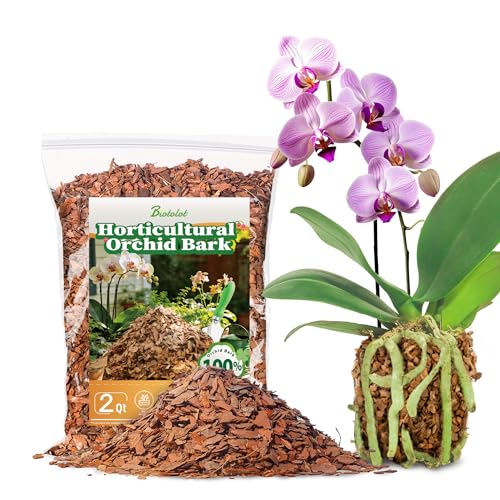
Biotolot 2 qt Orchid Bark Horticultural Grade
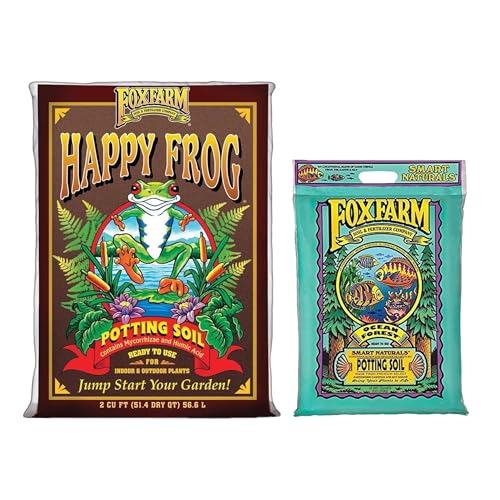
FoxFarm Happy Frog 2 cu ft + Ocean Forest 12 qt Bundle
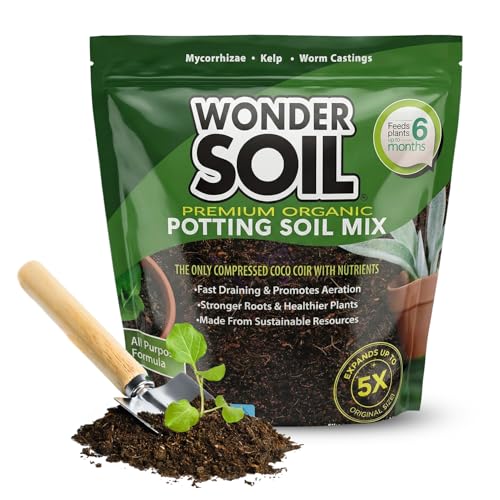
Wonder Soil 12 Quarts Coco Coir Indoor/Outdoor Mix

Wonder Soil 72 Quarts Coco Coir Block 10 lbs

Biotolot Bonsai Soil 2 qt Organic Mix
What Each Pick Brings To The Table
FoxFarm Ocean Forest is the bag many indoor gardeners reach for first, and for good reason. It arrives ready to use, with a light, aerated texture that lets jades settle in without the dense, suffocating feel of a generic garden mix. Compared to the grit-heavy blends further down this list, Ocean Forest leans richer, so it rewards growers who like a steady fertilizing routine.
For a mixed indoor shelf with a jade alongside pothos, philodendrons, or herbs, the texture splits the difference nicely. The bag holds a generous 1.5 cubic feet, which covers several repottings of small to mid-size containers.
Useful Strengths
- Aerated texture helps water move through quickly, which is exactly what jades want at the root zone.
- Ready to use straight from the bag, so no pre-mixing or rinsing is needed before potting.
- Generous 1.5 cu ft volume suits a household with multiple succulents or a few small jades.
- Light enough to handle in small pots without weighing down a windowsill or shelf.
Worth Noting
- Retains more moisture than pure cactus mixes, so watering frequency needs adjusting in humid rooms.
- The 1.5 cu ft bag is bulky, which can crowd small storage closets once opened.
Quick Facts
Who It Suits Best
Anyone building a mixed indoor plant shelf who wants one bag to cover jades, leafy tropicals, and herbs without juggling separate mixes.
Swap It Out When
Pick the Bonsai Jack Universal Bonsai Soil Mix #221 instead if your jade lives in a humid room or you want a faster-draining base that holds far less moisture.
Bonsai Jack’s #221 mix is the closest thing to a grower’s cheat code for rot prevention. It arrives screened and pre-washed, so the fines that typically clog drainage holes are already gone. Jades planted in this mix tend to dry out predictably between waterings, which matters if your home runs warm or your pots lack drainage.
The 2-quart bag is modest, which keeps storage simple but means it suits single-plant repotting more than a shelf overhaul. The target pH around 6.4 sits in the slightly acidic range that jades tolerate well.
The Helpful Details
- Screened and pre-washed to remove fine dust that would otherwise compact in the pot.
- Target pH around 6.4 falls comfortably within the range jades tolerate.
- Granular texture drains fast, so accidental overwatering rarely turns fatal.
- Compact 2-quart bag fits neatly on a plant shelf between repottings.
Things To Consider
- The 2-quart size runs out quickly for anyone with multiple medium or large jades.
- Fast drainage means more frequent watering in dry, heated indoor air.
Spec Overview
Made For
Jade owners who lose plants to overwatering and want a mix that physically refuses to stay soggy.
A Better Fit Elsewhere
Reach for the MICRO LANDSCAPE DESIGN Lithops Soil Mix instead if you want even more grit for a particularly fussy jade in a humid room.
This mix was tuned for lithops, which demand some of the driest, most aerated roots in the succulent world. That same grit profile works beautifully for jades that sit in warm rooms, terracotta without drainage, or homes where the AC keeps humidity low. The blend leaves enough air around the roots for them to anchor without suffocating.
The package includes a bonus live mini lithops, which doubles as a small companion plant rather than a swap-in for your jade. The 2-quart size feels right for a single small jade or a pair of starter pots.
Everyday Advantages
- Highly porous blend keeps air circulating at the root level.
- Designed for plants that demand dry feet, so jade stems stay firm.
- Includes a live mini lithops for anyone curious about adding a second succulent to the shelf.
- Provides good anchorage, so newly potted jades stay upright through watering cycles.
Minor Gripes
- Tuned for lithops, so it may drain faster than some growers want for a thirsty jade.
- The bonus plant requires a separate care routine to thrive.
Best Suited To
Collectors growing jades alongside other arid-loving succulents who want one gritty base for the whole tray.
Consider Something Else When
Pick the FoxFarm Ocean Forest Potting Soil 1.5 cu ft instead if you prefer a richer, moisture-retentive blend for a single jade on a sunny windowsill.
Wonder Soil’s compressed coco coir bricks are the apartment-dweller’s friend. Three small bricks arrive by mail, expand to roughly 30 quarts once water hits them, and tuck into a kitchen drawer until you’re ready. Coco coir is the fibrous husk of a coconut, and it holds moisture evenly while still letting excess drain, which suits jades when amended with extra grit.
The blend comes loaded with worm castings, mycorrhizae (beneficial fungi that partner with roots), and kelp, so the first few feedings are already handled. It’s peat-free, which matters if you want a mix that behaves consistently across seasons.
Everyday Wins
- Compressed bricks save serious shelf space compared to bagged soil.
- Expands to 30 quarts, enough for several medium jade pots or one large specimen.
- Pre-loaded with worm castings and mycorrhizae to support early root growth.
- Peat-free composition behaves predictably in both dry and humid rooms.
Honest Caveats
- Needs perlite or pumice mixed in for jades to truly thrive long term.
- Expansion requires a bucket and some stirring, so it’s not as grab-and-pour as FoxFarm.
Whose Shelf It Belongs On
Small-space plant owners who want nutrient-loaded mix without dedicating half a closet to soil storage.
Reach For A Different Pick When
Choose Biotolot Chunky Perlite 1/4 inch 3 Quarts if you already own a base mix and just want to boost drainage.
Perlite is the white, porous volcanic glass that looks like tiny popcorn in potting mixes. Biotolot’s chunky 1/4-inch grade is the size jade roots appreciate, large enough to keep air pockets open without washing out of the pot. If you already keep a base soil on hand and want to tune it for a jade, this bag is the simplest tool for the job.
The 3-quart volume covers a few medium repottings at a typical 30% perlite blend. The structure holds up well over time, so it resists crushing under the weight of watering cycles.
What Stands Out
- Chunky 1/4-inch size creates lasting air pockets in the root zone.
- pH-neutral perlite won’t shift your soil’s acidity in either direction.
- Resists crushing, so drainage performance holds up across months of watering.
- Works for orchids, succulents, and houseplants beyond just jades.
Points To Note
- Perlite dust can be messy during pouring, so mix outdoors or over a tray.
- It’s an amendment, not a standalone soil, so you still need a base mix.
Feature Rundown
Right Fit For
Tinkerers who already own a base mix and want to dial up drainage for jades, orchids, or other thick-rooted succulents.
Look Elsewhere When
Choose the Bonsai Jack 2 Quarts Universal Bonsai Soil Mix #221 instead if you’d rather buy a ready-to-pour mix and skip blending.
Orchid bark feels odd in a jade pot until you realize how it behaves. The chunky pine pieces create large voids that channel air and water past the roots, mimicking the loose, airy soils jades evolved with. Biotolot’s bark arrives screened to roughly 1/2 inch, with no dyes or impurities to muddy the chemistry.
Most growers blend bark into a base mix rather than use it alone. A 2-quart bag pairs nicely with perlite and coco coir to build a custom jade blend from scratch.
Real-World Strengths
- Large voids around bark pieces improve airflow at the root level.
- Screened to about 1/2 inch for consistent particle size in custom mixes.
- 100% natural pine bark with no added dyes or fillers.
- Useful beyond jades for orchids, anthuriums, and other epiphytic-style plants.
Small Caveats
- Bark alone dries out very quickly, so it needs a moisture-holding component alongside it.
- As bark breaks down over a year or two, the mix compacts and needs refreshing.
Built With In Mind
DIY mix builders who want to construct a custom jade blend from individual ingredients rather than buy a premixed bag.
Skip It When
Pick the FoxFarm Happy Frog 2 cu ft + Ocean Forest 12 qt Bundle instead if you’d rather buy a ready-made mix without any blending work.
This bundle pairs two FoxFarm products into one shipping box, with the larger Happy Frog bag (2 cubic feet) doing most of the heavy lifting. Happy Frog is amended with soil microbes, earthworm castings, bat guano, and aged forest products, which gives it a richer nutrient profile than the Ocean Forest side of the bundle. For a multi-plant jade collection, the volume alone is worth noting.
The 12-quart Ocean Forest pouch works well as a starter batch or for smaller pots. You may find the Happy Frog alone a bit dense for jades if you skip amending, so a handful of perlite goes a long way.
What Works In Its Favor
- Total volume covers a substantial collection of small to medium jades.
- Happy Frog’s microbe amendments help nutrient uptake in container-bound roots.
- Earthworm castings and bat guano feed jades gently without burning them.
- Two distinct bag sizes let you keep a smaller pouch handy between bigger repots.
A Few Limitations
- Happy Frog alone holds more moisture than a typical jade prefers, so perlite is recommended.
- Bundles arrive in two separate bags, which take up considerable storage space.
Feature Snapshot
Perfect Match For
Anyone with a sizable indoor collection who wants one shipment to cover both their jades and other container plants for a season.
Where Another Pick Suits Better
Choose Wonder Soil 12 Quarts Coco Coir Indoor/Outdoor Mix instead if shelf storage is tight and compressed bricks beat bulky bags for your space.
The 12-quart Wonder Soil is a middle child in the line, smaller than the 30- and 72-quart siblings but bigger than a starter pouch. It hydrates from a 3-pound brick into a workable volume in minutes, which is ideal when a jade outgrows its pot on short notice. The mix is peat-free, family- and pet-safe, and pre-loaded with worm castings, perlite, mycorrhizae, and kelp.
For indoor jade growers, the size sits in a comfortable middle ground. You may want to add a bit more perlite for fast-draining conditions, but the loaded amendments save time on initial feeding.
Notable Upsides
- Compact brick ships light and expands significantly once watered.
- Loaded with worm castings, perlite, mycorrhizae, and kelp for early vigor.
- Peat-free blend behaves consistently across changing seasons.
- Works indoors and out for anyone who moves plants seasonally.
Trade Offs
- Extra perlite helps jades dry out between waterings in this base.
- Hydration requires a container and some stirring before potting.
Who Should Grab It
Apartment dwellers who want a single mid-size bag that handles a few jade pots and other houseplants without taking over a closet.
Not Your Match When
Pick the Bonsai Jack 2 Quarts Universal Bonsai Soil Mix #221 instead if you want a premixed, grab-and-pour option that needs no hydration step.
The 10-pound Wonder Soil block expands to roughly 72 quarts, which is greenhouse-scale territory. For a serious indoor collector or anyone starting cuttings and divisions across many pots, the per-quart value is hard to beat. The block hydrates in a large tote or wheelbarrow and stays workable for weeks if kept slightly moist.
Loaded with worm castings, mycorrhizae, and kelp, it covers early feeding across a sizable batch. Jades will still want a perlite boost to keep things airy, but the base is solid for filling many containers at once.
Features That Help
- Single 10-pound block expands to roughly 72 quarts of finished mix.
- Pre-amended with worm castings, mycorrhizae, and kelp.
- Peat-free, family- and pet-safe formulation.
- Best per-quart value in the Wonder Soil line for large repotting sessions.
Points To Keep In Mind
- Hydration needs a sizable container and a fair amount of stirring.
- Excess mix needs dry storage to avoid molding before use.
The Right Fit
Serious indoor gardeners or small greenhouse operators handling dozens of pots per season who want one shipment to cover the year.
Another Choice May Suit
Choose Wonder Soil 12 Quarts Coco Coir Indoor/Outdoor Mix instead if you’d rather keep storage simple and only repot a handful of jades each year.
Biotolot’s bonsai mix rounds out the list with a small, ready-to-pour option built from bark, black and red volcanic rock, green zeolite, and perlite. Volcanic rock adds weight and stability, while zeolite (a porous mineral) helps with moisture retention without waterlogging. Perlite keeps air pockets open at the root level.
At 2 quarts, this bag suits a single jade repotting or a small starter bonsai. The mix leans mineral-heavy, which suits older jades with thick trunks that need anchoring weight.
Useful Touches
- 100% natural components with no synthetic additives.
- Volcanic rocks provide ballast for top-heavy jade specimens.
- Zeolite helps hold moisture without creating soggy pockets.
- Ready to use straight from the bag, no prep required.
Possible Compromises
- 2-quart size runs out fast for anyone with more than one medium jade.
- Mineral-heavy blends dry out quickly in heated indoor air.
Who Will Love This
Single-plant growers repotting one mature jade and wanting a mineral-rich, weighty mix that anchors a thick stem.
Where A Sibling Pick Shines
Choose the Biotolot 2 qt Orchid Bark Horticultural Grade instead if you prefer to blend your own mix rather than buy a mineral-heavy premade.
Picking The Right Base For Your Jade
Jades tolerate a range of soils as long as the mix drains quickly and doesn’t stay wet for more than a day or two. Anything labeled for cacti or succulents is usually a safe starting point, but watch how the plant responds after a few waterings.
The most important variable is drainage, not fertility. A lean, gritty blend with perlite, pumice, or coarse sand outperforms a rich, moisture-retentive mix for jades in most indoor conditions. Hold the bag up to the light; you want to see visible particles and air gaps, not a uniform dark peat.
Pot choice matters as much as soil choice. Terracotta breathes, which helps wick moisture away from the root zone, while plastic holds water longer. A jade in a plastic pot usually wants a faster-draining soil like Bonsai Jack’s mix to compensate.
Repot jades every two to three years, or whenever roots start circling the pot. Fresh soil restores the gritty structure that breaks down over time, which matters because organic components like peat and bark decompose and compact as months pass.
Common Slip Ups And Upgrade Trade Offs
Mistakes Worth Dodging
The biggest error is using standard houseplant potting soil straight from the bag. It holds too much water for jades, and the plant responds with soft, drooping leaves before you realize what’s happening. Reach for a cactus or bonsai blend, or amend standard soil with a generous pour of perlite.
Another common slip is assuming fertilizer will rescue a struggling jade. Root rot from poor drainage cannot be undone with extra feeding; in fact, fertilizer on damaged roots makes things worse. Diagnose the soil before you add anything to it.
Where The Extra Money Goes
Premium mixes like Bonsai Jack earn their higher price by screening out fines and washing the components, which means fewer dust particles clogging drainage holes months down the line. The cost reflects processing time, not magic ingredients. For someone who has lost jades to root rot, that processing is what they’re really paying for.
Bulk coco coir blocks cost less per quart but require the time and a container to hydrate them. The trade-off is money saved versus convenience, and for small-space growers the compressed format often wins on both fronts.
Frequently Asked Questions
Can regular potting soil work for a jade plant?
Regular potting soil holds too much moisture for jades and usually leads to root rot over time. You can amend it with perlite or coarse sand at roughly a 30% ratio to make it workable, but a cactus or bonsai blend saves effort.
How often should I repot a jade plant?
Most jades need repotting every two to three years, or whenever roots begin circling the drainage holes. Fresh soil restores the airy structure that organic components lose as they break down.
Do jade plants need fertilizer in their soil?
Jades grow well in lean soils and only need light feeding during the active growing season. Pre-amended mixes with worm castings cover the first few months, after which a diluted succulent fertilizer once a month is enough.
What drainage material works best in a custom blend?
Perlite, pumice, and coarse sand all work, with chunky 1/4-inch perlite being the most accessible. Aim for the amended portion to make up roughly a third of the total mix for jades in typical indoor pots.
Is coco coir safe for jade plants?
Coco coir is safe for jades when blended with grit to improve drainage. Used alone it retains more moisture than jades prefer, so pair it with perlite or pumice for the best results.
Wrap Up
The right soil for your jade depends less on brand and more on how fast water leaves the pot. Lean, gritty blends like Bonsai Jack or Biotolot’s bonsai mix keep the root zone dry, while richer options like FoxFarm Ocean Forest suit growers who prefer a more forgiving base. Pick the bag that matches your room, your pot, and your watering habits, then watch how the leaves respond over the next few weeks.
