

Pepper growers know the truth: a jalapeño plant only performs as well as the medium surrounding its roots. Loose, nutrient-rich, well-draining soil sets the stage for steady flowering and the thick-walled pods that home growers actually want to harvest. Picking the right bag means fewer transplant setbacks, less fuss with fertilizer timing, and stronger stems through summer heat.
The eight options below cover a range of bag sizes and use cases, from seed-starting blends designed for fragile seedlings to larger bulk bags for raised beds. Most are general-purpose organic mixes that handle jalapeños well, while one specialty kit targets moisture-loving tropicals rather than heat-loving peppers. Read through to match a bag to your setup.
The Picks In Brief

Espoma Organic Potting Soil Mix 16 qt. Bag
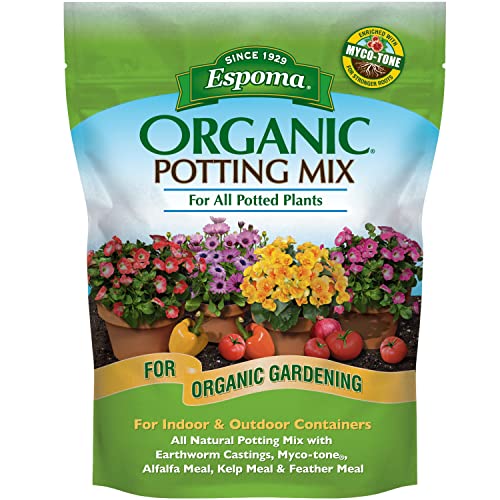
Espoma Organic Potting Soil Mix 8 qt. Bag

Espoma Organic Seed Starter Premium Potting Mix 8 qt.
Espoma Organic Potting Soil Mix 4 qt. Bag
Espoma Organic Potting Soil Mix 2 Cubic Foot Bag
Espoma Organic Potting Soil Mix 1 Cubic Foot Bag

Espoma Organic Potting Soil Mix 16 qt. Bag, 4-Pack

Legigo Premium Sphagnum Moss Potting Mix with Horticultural Charcoal
Taking A Closer Look At The Options
For most home gardeners running a handful of containers, the 16-quart Espoma bag hits the sweet spot. It is a versatile organic blend built for both indoor and outdoor pots, so the same bag handles jalapeño transplants on a sunny patio and herb starts on a windowsill. The recipe leans on peat moss, humus, and perlite (the white volcanic granules that keep soil loose), with earthworm castings mixed in for slow nutrient release.
You can expect steady moisture retention without waterlogging, which matters for peppers since their roots dislike sitting wet. For growers running two or three pepper pots alongside herbs, this is the kind of bag you keep on the shelf and reach for repeatedly.
Positive Points
- Organic ingredient blend with earthworm castings for slow nutrient release
- Perlite content improves drainage, reducing root rot risk
- Suitable for both indoor seed starting and outdoor container growing
- Volume handles multiple mid-size pots in one bag
- Compatible with vegetables, herbs, and flowering ornamentals alike
Worth Noting
- Bag weight is noticeable when fully loaded, so consider a second pair of hands for delivery
- Not formulated specifically for peppers, so heavy feeders may want supplemental feeding mid-season
Who It Suits Best
Container gardeners running two to five pots who want one reliable organic mix for jalapeños, herbs, and leafy greens without juggling specialty products.
Consider Something Else When
Backyard growers filling a large raised bed should grab the Espoma Organic Potting Soil Mix 2 Cubic Foot Bag instead, since it covers more square footage per dollar.
The 8-quart version of the same Espoma formula trades volume for portability. Apartment dwellers with a balcony and a couple of herb pots find this size easier to carry from the door to the potting bench without strain. It carries the same peat, humus, perlite, and earthworm castings base, so peppers get consistent texture and nutrition across bag sizes.
If you want the same performance as the larger 16-quart but in a friendlier package for stairs or tight storage, this is the move. Two bags cover a small balcony garden with room to spare.
Notable Gains
- Lighter and easier to handle than larger bags
- Same organic ingredient profile as the bigger Espoma options
- Flexible enough for both indoor and outdoor containers
- Good fit for storage in small closets or utility shelves
Trade Offs
- Volume runs out fast for anyone growing more than three or four medium pots
- Cost per quart tends to run higher than buying in bulk
Made For
Balcony and apartment gardeners running a small handful of pots who prioritize ease of carrying over volume efficiency.
Look Elsewhere When
Larger setups with multiple raised beds or a dozen containers get better value from the Espoma Organic Potting Soil Mix 2 Cubic Foot Bag.
This blend is built for the seedling stage, when jalapeño roots are barely established and any harsh fertilizer salts can scorch them. The mix combines sphagnum peat moss, peat humus, and perlite, then adds Myco-tone, Espoma’s proprietary mycorrhizae blend (beneficial fungi that attach to roots and extend their reach for water and nutrients). That fungal partnership pays off most noticeably in the first three to four weeks of life.
Compared to the standard potting mixes above, this one trades some all-purpose versatility for a finer texture and stronger early root development. It is the right call for gardeners starting peppers indoors under lights or in a sunny window before transplanting outside.
A Few Strong Suits
- Mycorrhizae blend supports faster early root development
- Light, fine texture suited to small seedling cells
- Organic ingredient list fits natural growing approaches
- Compatible with both seed starting and cutting propagation
Less Ideal Details
- Not designed for long-term container feeding, so plants eventually need transplanting or supplemental feeding
- Lower nutrient load than standard potting mixes, so seedlings benefit from a light feed once true leaves form
Best Suited To
Gardeners starting jalapeño seeds indoors in late winter who want a dedicated blend for the fragile germination and early growth stages.
Swap It Out When
Growers skipping the indoor start and going straight to outdoor containers should grab the Espoma Organic Potting Soil Mix 16 qt. Bag for a one-step approach.
The 4-quart bag is essentially the same Espoma blend in its smallest retail size. It exists for one audience: people who want to test a soil or grow a single jalapeño plant without committing to a larger volume. For windowsill growers or anyone with one patio pot, this fills a single container with little waste.
If your gardening is genuinely small scale, the compact format saves money that would otherwise sit unused in a half-empty bag. The trade-off shows up the moment you try to fill more than two or three mid-size pots.
Why It Works Well
- Compact size fits apartment shelves and tight storage
- Low commitment for first-time growers trying a single plant
- Same organic ingredient profile as larger Espoma bags
Small Caveats
- Highest cost per quart of any size in this Espoma lineup
- Runs out quickly for anyone growing more than one or two plants
Right Fit For
Curious beginners planting a single jalapeño in a small pot who want to sample the Espoma formula before scaling up.
Skip It When
Growers running even a modest balcony garden should pick the Espoma Organic Potting Soil Mix 8 qt. Bag for better per-quart value.
The 2-cubic-foot bag is the workhorse option for serious container gardeners and small raised beds. It is the same Espoma formula with sphagnum peat moss, humus, perlite, earthworm castings, alfalfa meal, kelp meal, and feather meal, plus the Myco-tone mycorrhizae blend. That bag fills a 4×4-foot raised bed to a workable depth or refills a dozen mid-size pots.
You will want a wheelbarrow or cart for delivery since these bags run heavy. Once in place, the volume per dollar beats the smaller Espoma sizes, which is why growers with multiple beds tend to standardize on this format.
The Case For It
- Largest single-bag volume in this Espoma lineup
- Includes Myco-tone mycorrhizae for stronger root systems
- Multi-ingredient organic blend covers feeding needs longer
- Compatible with both raised beds and large containers
Factors To Consider
- Heaviest bag option, so plan a hand truck or cart
- Storage requires dry, covered space to keep the bag usable past one season
Feature Snapshot
Who Should Grab It
Backyard growers running one or more raised beds, or anyone refilling a dozen containers each spring, who wants bulk value in a single bag.
Where Another Pick Suits Better
Apartment gardeners with two balcony pots will find the Espoma Organic Potting Soil Mix 4 qt. Bag easier to handle and store.
The 1-cubic-foot bag slots between the small retail sizes and the bulk 2-cubic-foot option. It is the format most mid-scale gardeners gravitate toward: enough soil to fill five to seven mid-size containers or refresh a small raised bed, but light enough to handle without special equipment. The recipe matches the rest of the Espoma organic line, so behavior in the pot stays consistent regardless of which size you buy.
For growers standardizing on Espoma across multiple pot sizes, this bag tends to be the recurring purchase each spring.
Where It Delivers
- Mid-size volume balances handling and refill frequency
- Same peat, perlite, and earthworm castings base as the larger bag
- Flexible across vegetables, herbs, and ornamentals
Honest Caveats
- Cost per quart falls between the small bags and the 2-cubic-foot bulk size
- Still requires a covered storage spot if you buy ahead of the season
Perfect Match For
Multi-container gardeners running five to ten mid-size pots who want a mid-volume bag that balances handling with refill frequency.
Reach For A Different Pick When
Larger raised-bed growers save more per quart with the Espoma Organic Potting Soil Mix 2 Cubic Foot Bag.
The 4-pack bundles four 16-quart bags into a single order, which suits gardeners who refill the same pots every spring and want to keep a season’s worth of soil on hand. The formula matches the standalone 16-quart option, with sphagnum peat moss, humus, perlite, earthworm castings, alfalfa meal, kelp meal, feather meal, and the Myco-tone mycorrhizae blend.
For community gardens or households running multiple beds in rotation, the bundle removes the chore of reordering mid-season. Store the spare bags in a dry spot and they hold their texture through the next planting cycle.
Everyday Perks
- Four-bag bundle covers a full season of container refills
- Includes Myco-tone for stronger root development
- Organic ingredient blend aligns with natural growing methods
- Suitable for both indoor and outdoor containers
- Backup bags reduce the risk of running out mid-growing season
Things To Weigh
- Heavier delivery and requires space to stack four bags
- More soil than a casual gardener with two pots will use in a season
Feature Card
Built With In Mind
Multi-bed and community gardeners who refill containers every spring and want to keep a season’s supply on hand without reordering.
Not Your Match When
Casual growers with one or two pots get more flexible volume from the standalone Espoma Organic Potting Soil Mix 16 qt. Bag.
The Legigo kit is a different category altogether. It ships dry sphagnum moss (the dried fiber harvested from bog plants, prized for holding moisture) that expands when soaked, paired with horticultural charcoal in 3–7mm chunks. That combination is the classic recipe for orchids, carnivorous plants, and tropical houseplants that need both moisture retention and sharp drainage.
For peppers, this is not the right fit. Jalapeños prefer a richer, denser medium than bare sphagnum, so this kit belongs on the shelf of a grower who also keeps tropicals. You may find it useful as a small additive to a standard potting mix, but not as a standalone medium for peppers.
What Earns Its Place
- Sphagnum moss expands when wet for moisture retention
- Charcoal helps keep root zones fresh and well-drained
- Useful as a specialty amendment for tropicals or orchids
Where It Is Less Suited
- Not formulated as a standalone medium for vegetables
- Sphagnum requires pre-soaking before use, adding a setup step
- Low nutrient load means plants need a regular feeding routine
- Smaller total volume than the dedicated potting mixes above
Whose Shelf It Belongs On
Multi-collection growers who keep orchids, ferns, or carnivorous plants alongside peppers and want one specialty kit for moisture-loving species.
A Better Fit Elsewhere
Pepper-focused gardeners should reach for the Espoma Organic Potting Soil Mix 16 qt. Bag as the primary medium, since it is designed for vegetables.
What To Match Against Your Pepper Patch
Choosing the right potting mix for jalapeños comes down to a few practical questions. Match the bag to your setup rather than chasing the biggest size, since overbuying leads to bags sitting open and losing texture.
Drainage And Aeration
Jalapeño roots dislike waterlogged soil, so the medium needs perlite, vermiculite, or coarse material mixed in. Bags with perlite content stay loose longer and resist compaction over the growing season, which matters in containers that get watered daily through summer heat.
Nutrient Content And Feeding Style
Most organic potting mixes include a slow-release charge from earthworm castings, kelp, or alfalfa meal. That covers the first few weeks of growth, but heavy-fruiting peppers will still want supplemental feeding once flowering starts. Look for blends that list their organic amendments explicitly so you know what is feeding the plant before you add anything else.
Bag Size And Storage Reality
A 2-cubic-foot bag is heavy and awkward in a walk-up apartment. A 4-quart bag disappears in one pot. Estimate your total pot volume first, then size up or down. Spare bags should be stored dry and sealed to keep the peat from drying out or developing mold.
Organic Vs. Conventional
If you plan to eat the peppers, organic blends keep synthetic fertilizer salts out of the harvest. The Espoma line covered above is organic across all sizes, while the Legigo kit is a specialty additive rather than a complete vegetable medium.
Key Considerations Across These Picks
Mistakes Worth Dodging
The most common slip is grabbing a moisture-retentive tropical mix for peppers and watching roots stay too wet. Another is choosing the cheapest bag without checking that perlite or similar drainage material is on the ingredient list. Compacted soil strangles roots long before nutrient deficiencies show up.
What Separates Premium From Basic
Premium blends add mycorrhizae and a wider range of organic meals, which extends the feeding window and supports stronger root systems. The basic bags cover the same drainage and base materials but rely more on supplemental feeding from you. For peppers, the upgrade mostly buys you fewer feedings and more vigorous early growth.
Frequently Asked Questions
Do jalapeños need a special potting soil?
No, but they do best in a loose, well-draining organic mix with perlite and a slow-release nutrient charge. Standard vegetable potting blends handle peppers well, while moisture-heavy mixes for tropicals tend to stay too wet.
How big should a pot be for one jalapeño plant?
A 3- to 5-gallon container gives roots room to support a full-size plant. Anything smaller limits growth and reduces yield, while larger containers waste soil without benefit unless you are growing oversized varieties.
Can I reuse potting soil from last season?
Yes, but refresh it. Old soil loses structure and may harbor pests, so fluff it up, remove old roots, and mix in a portion of fresh compost or new potting mix before replanting.
Do jalapeños prefer acidic or neutral soil?
Slightly acidic to neutral, around 6.0 to 6.8 pH. Most commercial organic potting mixes land in that range, so a standard vegetable blend works without amendments.
How often should I water potted jalapeños?
Check the top inch of soil and water when it feels dry. In summer heat, daily watering is common for smaller pots, while larger containers may only need water every two or three days.
Closing Thoughts
The right bag depends less on brand loyalty and more on how many pots you are filling and how much soil you can comfortably carry or store. Match the volume to your setup, confirm the drainage ingredients are present, and your jalapeños will have the root environment they need to push out a steady harvest through the heat of summer.
