

Planting a Japanese maple straight into heavy backyard clay is one of the fastest ways to lose it. The right soil mix keeps the root zone airy, slightly acidic, and free of standing water, so the tree settles in instead of drowning. This guide breaks down nine soil options that handle in-ground planting, with notes on drainage, particle size, and where each one makes the most sense for your yard.
The Picks In Brief
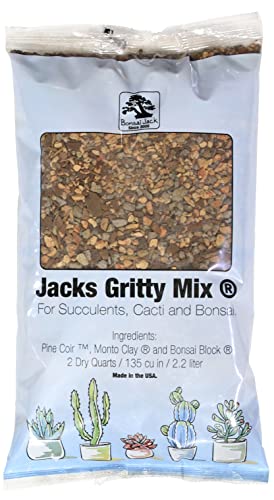
Bonsai Jack Succulent and Bonsai Soil 2 Quarts

Bonsai Jack Inorganic Bonsai Soil Mix 11011 1 Gallon
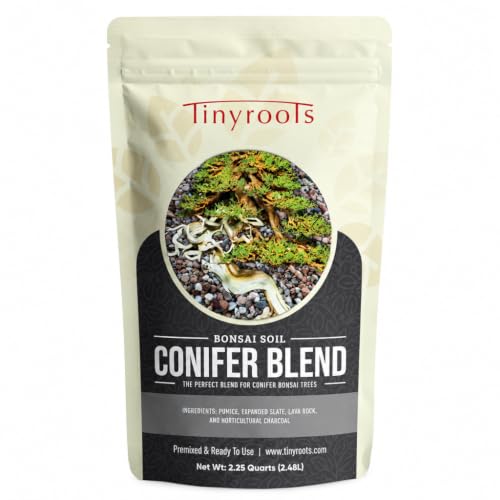
Tinyroots Conifer Bonsai Soil Blend 2.25 Quarts

Coast of Maine Organic Planting Soil for Acid-Loving Plants 20qt

Bonsai Outlet Premium Bonsai Soil Tinyroots 2.5 Gallon

Deciduous Bonsai Soil Blend Mix 2 Quarts for Japanese Maple

Bonsai Soil by The Bonsai Supply 20qts All-Purpose Mix
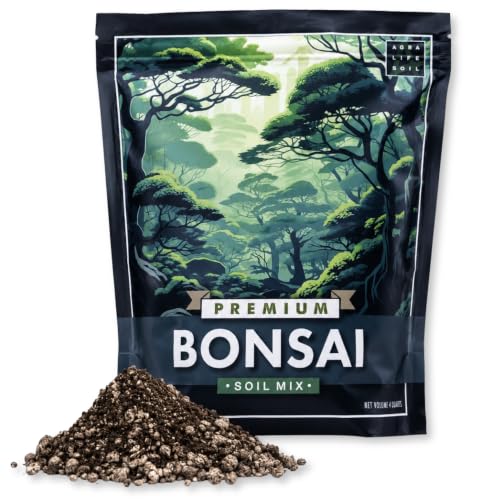
Agralife Bonsai Soil 4 Quarts Premium Organic Mix

Soil Sunrise Premium Fiddle Leaf Fig Soil 12 Quarts
A Closer Look At Each Pick
Planting a Japanese maple in dense, slow-draining ground is asking for root rot, and Bonsai Jack’s gritty mix was built to push back against exactly that. The particle size is coarse and uniform, which means water moves through the root zone rather than sitting against tender feeder roots. For gardeners fighting heavy clay or compacted fill, blending this in at planting time changes the texture fast.
You get roughly two dry quarts per bag, which suits a single small maple or one amendment hole. The formula targets a slightly acidic pH around 5.5, sitting comfortably in the range Japanese maples prefer. Compared with the heavier organic soils later on this list, this one feels almost architectural in the bag: little stones, no dust, no bark chunks.
A Few Highlights
- Coarse particle structure that holds pore space, so roots get oxygen even after a long rain
- Low pH formulation matches the acidic soil maples crave
- Pre-sifted to remove fines, which is the usual culprit in compacted mixes
- Lightweight in the bag, so amending a wide bed does not wear you out
- Reusable for top-dressing mature maples later
Trade-Offs Worth Weighing
- Two-quart volume runs out quickly on a mature in-ground maple, where the planting hole can run several gallons of amended soil
- Mostly inorganic, so it carries limited nutrition on its own and benefits from a slow-release feed
- Stores best sealed and dry; humidity can introduce dust over time
Key Specs
Right Fit For
Home gardeners with one young Japanese maple going into heavy or compacted native soil who want a fast-draining backbone to blend in.
Skip It When
You are prepping a wide landscape bed and need real volume, in which case the Bonsai Jack Inorganic Bonsai Soil Mix 11011 1 Gallon covers more ground per bag.
Where the smaller Bonsai Jack bag is a sample, this one-gallon jug is the working bag for a real planting project. The mix is fully inorganic, meaning no bark or compost that would break down and choke the root zone over time. For a Japanese maple that will sit in the ground for decades, that stability matters more than a nutrient boost you could add separately.
The blend sits around pH 6.7, which is slightly acidic to near neutral. That gives you flexibility: if your native soil leans alkaline, this gentle acidity pulls things back toward what maples want. Particle sizing is tuned for water absorption and evaporation, which translates to fewer puddles after a storm and steadier moisture during a dry week.
A Few Strong Suits
- Fully inorganic composition keeps pore space open for years, not months
- Lab-tuned for water absorption and evaporation rates, so watering intervals become predictable
- pH 6.7 buffers slightly alkaline native soils without overshooting into peat-heavy acidity
- One gallon is enough to amend a respectable in-ground planting hole for a young maple
- Available in larger jugs if you decide to scale up later
Honest Caveats
- Heavier in the bag than the small Bonsai Jack mix, so hauling multiple jugs to a far bed takes effort
- Carries no organic nutrition, so plan on a slow-release fertilizer for the first two seasons
Made For
Landscapers and serious hobbyists amending a larger in-ground maple where the root zone needs to stay open for the long haul.
Reach For A Different Pick When
You want organic matter in the blend to feed soil biology, in which case the Coast of Maine Organic Planting Soil for Acid-Loving Plants fits closer to that brief.
Tinyroots’ conifer blend was not designed with Japanese maples in mind, but its components line up well for a maple planted near conifers or in a bed that doubles as a conifer border. The mix blends pine bark fines, coarse river sand, calcine clay, and pumice, all pre-sifted so heavy particles never reach the roots.
Pumice and pine bark together hold the moisture maples need without staying soggy, and the sand keeps drainage honest even after a wet stretch. If your planting site sits in a mixed bed with junipers or pines, this is the kind of amendment that keeps everyone happy with a single mix.
What Earns Its Place
- Pre-sifted formula removes heavy particles that block root growth
- Pumice adds moisture retention and aeration, useful when summer heat hits
- Pine bark brings slow, mild acidity as it breaks down
- Works for a mixed conifer and maple planting scheme
Points To Keep In Mind
- Conifer-tuned rather than maple-specific, so you may want to supplement with a slightly more acidic amendment for maples in alkaline regions
- Smaller bag at 2.25 quarts, so larger holes need multiple bags
Quick Facts
Best Suited To
Growers with a mixed bed of maples and conifers who want one amendment that serves both groups.
Where Another Pick Suits Better
A maple-only bed where deciduous-specific texture matters more will get a closer match from the Deciduous Bonsai Soil Blend Mix 2 Quarts for Japanese Maple.
Japanese maples share their pH preference with azaleas, rhododendrons, blueberries, and hydrangeas, so a soil built for that whole family tends to land in the right zone. Coast of Maine’s organic blend is a naturally lightweight compost with a low pH formulation, designed to balance drainage and moisture retention rather than swing either way.
At 20 quarts, the bag covers a real in-ground planting without forcing you to buy several smaller sacks. It is OMRI listed for organic use, which matters if you garden strictly organic and want the amendment to fit that program. Unlike the inorganic Bonsai Jack options, this one feeds the soil biology around the maple, which over time improves tilth.
What Pays Off
- Low pH formulation lands naturally in the range maples prefer
- Lightweight texture makes hauling and blending easier than dense loam
- 20-quart bag covers a meaningful planting hole or amend a small bed in one go
- OMRI listed for organic gardening programs
- Reasonable nutrient content reduces the need for supplemental feeding in year one
Practical Considerations
- Organic matter breaks down over time, so pore space may compact and need refreshing every couple of seasons
- Less uniform particle size than the inorganic mixes, so for very heavy clay you may want to add pumice or coarse sand on top
Whose Shelf It Belongs On
Organic-minded gardeners with acidic-leaning beds who want a ready-to-use amendment without mixing their own.
Look Elsewhere When
You need a long-lasting structural amendment that resists breakdown, in which case Bonsai Jack Inorganic Bonsai Soil Mix 11011 1 Gallon is the more stable choice.
This is the bag to reach for when one small sack is not going to cut it. At 2.5 gallons of sifted, dried, bagged mix, the Bonsai Outlet Premium blend covers a finished planting hole or a row of starter maples without forcing you to make a second purchase. The component list reads cleanly: Akadama (sifted twice), red lava rock, and pumice.
Akadama is a baked Japanese clay that holds moisture and breaks down slowly, giving maples the gentle wet-dry cycle they prefer. Lava rock and pumice add drainage and aeration. Together they mimic the loose, gritty mountain soils maples evolved in, even when your native ground is dense clay.
Good Reasons To Consider
- 2.5-gallon volume handles multi-tree plantings or one large established maple
- Double-sifted Akadama removes dust that would otherwise clog drainage
- Akadama, lava, and pumice combination covers both moisture holding and aeration
- Arrives in a resealable pouch, which keeps the mix dry between projects
- Trusted by the Kaikou School of Bonsai for finished bonsai work
Potential Sticking Points
- Higher up-front cost per bag than smaller options, though the per-quart math often works in its favor
- Fully mineral, so you will need to supply nutrition separately for the first season or two
Feature Snapshot
Built With In Mind
Multi-tree planting days or a single large in-ground maple that needs serious root-zone overhaul.
Consider Something Else When
You want organic matter to feed soil biology, where Coast of Maine Organic Planting Soil for Acid-Loving Plants fits the brief better.
When the planting is specifically a Japanese maple, hornbeam, or elm, a deciduous-specific blend removes the guesswork. This mix combines Akadama, pumice, expanded slate, and horticultural charcoal, with heavy particles removed so the texture stays consistent through the root zone.
The Akadama holds moisture around fine roots, pumice adds aeration, expanded slate gives structural grit, and horticultural charcoal keeps the root zone fresh over time. For a maple that will spend decades in place, that balance tends to outperform generic cactus or all-purpose mixes that compact or shift pH unexpectedly.
Well-Handled Touches
- Blended specifically for Japanese maples and similar deciduous species
- Akadama component encourages the fine root branching maples rely on
- Horticultural charcoal helps the root zone stay sweet over multiple seasons
- Pre-sifted to remove heavy chunks that block drainage
Less-Strong Areas
- Two-quart bag fills only a small planting hole, so larger maples mean multiple bags
- Purely mineral, so supplemental feeding is on you for the first year or two
Perfect Match For
Maple-focused plantings where deciduous-tuned texture matters more than volume.
A Better Fit Elsewhere
Larger landscape trees that need more material per bag will find the Bonsai Outlet Premium Bonsai Soil Tinyroots 2.5 Gallon easier on the wallet and the back.
When the project is bigger than a single tree, a 20-quart bag of ready-to-use mix keeps you moving instead of piecing together four smaller sacks. The Bonsai Supply blend targets pH balance, drainage, water retention, nutrient uptake, and aeration in one formula, pre-mixed and pre-sifted so you can open the bag and start planting.
The all-purpose framing means it works across conifers, deciduous trees, and tropical bonsai, which simplifies inventory if you tend a varied collection. For a yard with one maple and a few other small landscape trees, this kind of breadth often beats a single-species blend.
A Strong Showing
- 20-quart volume handles multiple plantings or one large amendment job
- Pre-mixed and pre-sifted, so the texture is consistent right out of the bag
- Balanced pH formulation suits a wide range of species
- Cost per quart typically undercuts smaller specialty bags
Trade-Offs To Consider
- All-purpose rather than maple-specific, so finetuning pH for a particular maple may need supplemental amendment
- Larger bag means heavier handling at delivery and at the planting site
Who Should Grab It
Multi-tree gardeners and small landscape projects where one bag needs to serve several plantings in a session.
Swap It Out When
Your planting is one premium maple in heavy clay, where Bonsai Jack Inorganic Bonsai Soil Mix 11011 1 Gallon offers more drainage-focused structure.
Agralife’s organic-leaning blend aims for the middle ground between pure mineral mixes and pure compost. At four quarts, the bag is sized for a single small maple planting hole or for amending the corners of an existing bed. The formula targets drainage and aeration while keeping some nutrient value in the mix itself.
Versatility is the selling point here: the same bag handles junipers, ficus, and tropical bonsai alongside a Japanese maple, which simplifies storage if you only want one open sack at a time. Compared with the larger all-purpose pick earlier in the list, this one is friendlier for tight planting sites.
Strengths Worth Knowing
- Organic content offers built-in nutrition during establishment
- Drainage and aeration focus keeps the root zone from compacting
- Works across multiple bonsai and small tree species
- Manageable bag size for car transport and small storage areas
Where It May Fall Short
- Organic content breaks down over time, so the root zone may need refreshing sooner than with mineral-only mixes
- Four quarts runs out quickly on a mature in-ground maple
Right Fit For
Gardeners with a smaller Japanese maple and a few other species who want one versatile mix on hand.
Not Your Match When
You want a long-lasting structural amendment for a large planting, where Bonsai Outlet Premium Bonsai Soil Tinyroots 2.5 Gallon covers more ground.
The Soil Sunrise blend was tuned for fiddle leaf figs, but its ingredient profile reads like a workable mix for sheltered in-ground Japanese maples: peat moss for moisture retention, pine bark for slow acidity, perlite for drainage, and horticultural charcoal for root-zone freshness. At 12 quarts, the bag offers real volume for the price.
For a maple going into a sheltered courtyard bed with afternoon shade, where moisture control matters more than aggressive drainage, this is a reasonable value option. For a maple in heavy clay or a windy exposed bed, you would want to push more perlite or pumice into the blend at planting time.
Practical Pluses
- 12-quart volume lands at a friendly per-quart price point
- Peat and pine bark combination supports the slightly acidic pH maples prefer
- Perlite component keeps the blend loose without adding weight
- Custom-blended recipe targets water retention alongside drainage
Things To Weigh Up
- Designed for a different species, so it is more of an amendment than a turnkey maple mix
- Peat-heavy blends can dry out and resist rewetting over time, so mulching the surface helps
Who Will Love This
Cost-conscious gardeners planting a sheltered in-ground maple who are comfortable supplementing the blend if needed.
A Better Fit Elsewhere
Maples going into heavy or compacted native soil are better served by Bonsai Jack Inorganic Bonsai Soil Mix 11011 1 Gallon, which offers more structural drainage out of the bag.
What Matters Most Before Choosing Soils For Japanese Maple In Ground
Drainage Comes First
Japanese maples dislike wet feet more than they dislike drought. Standing water around the root crown invites rot and fungal problems that are hard to reverse once they start. Look for mixes with coarse particles, visible grit, or inorganic components like pumice, lava rock, or Akadama. Heavy peat-heavy or compost-only blends compact over time and should be opened up with grit before planting.
Acidity Sets The Baseline
Maples prefer slightly acidic soil, generally in the pH 5.5 to 6.5 range, which is also the sweet spot for azaleas, rhododendrons, and blueberries. If your native soil leans alkaline, choosing an acidic-leaning amendment pulls the root zone back into the right range. A simple soil test before planting saves a season of guesswork.
Particle Size Over Brand Hype
What actually matters at planting time is whether the mix holds pore space after watering. Fine, dusty blends collapse and choke roots, while coarse, uniform blends keep air moving. Most decent amendments will state particle size or component grain in the listing. Bigger particles for in-ground work, finer for shallow-rooted species.
Volume And Bag Size
A mature Japanese maple can swallow several gallons of amended soil at planting time. Smaller 2-quart bags vanish in one hole, while 2.5-gallon or 20-quart bags cover a real planting without forcing you to buy five separate sacks. Match bag size to the size of the tree and the number of planting sites.
Key Considerations Across These Picks
Common Shopping Slip Ups
The biggest mistake is reaching for a generic garden soil or topsoil, which compacts around the root crown and suffocates the tree. Another slip is buying a mix tuned for the wrong species, such as a cactus blend that drains too aggressively for a maple in a sheltered spot. Read the component list rather than the front-of-bag claims, and match the texture to your native ground.
What The Higher Tier Buys
Premium mixes cost more because the components are uniform, pre-sifted, and consistent. Cheap blends often contain fines, dust, and inconsistent particle sizes that compact unpredictably. Spending up front on a quality amendment reduces the chance of replacing a struggling maple three years down the line, which is where the real cost lives.
Frequently Asked Questions
What pH is best for a Japanese maple in the ground?
A slightly acidic range between 5.5 and 6.5 suits most Japanese maples. Soils built for acid-loving plants tend to land naturally in that zone.
Can I plant a Japanese maple in pure compost?
Compost alone holds too much moisture and compacts quickly. It works better as part of a blend with grit, pumice, or Akadama added for structure.
How big should the planting hole be?
Dig roughly two to three times the width of the root ball and only as deep as the root flare. Wide and shallow beats narrow and deep for drainage.
Should I amend the native soil or replace it?
Amending the backfill with a gritty mix works better than replacing the soil entirely, because the surrounding native ground encourages roots to spread outward.
Do Japanese maples need fertilizer at planting?
A light application of slow-release fertilizer in the first season helps establishment, especially with mineral-only mixes that carry no built-in nutrition.
The Takeaway
For most gardeners, a gritty, slightly acidic blend with stable particles is the right starting point for an in-ground Japanese maple. Match the bag size to the planting hole, lean acidic if your native soil is alkaline, and resist the urge to use dense topsoil in the backfill. Done right, the tree settles in, the root zone stays airy, and the maple becomes a fixture in the yard for decades.
