

Lavender asks for a few specific things from the soil it sits in, and getting any of them wrong usually shows up as yellowing foliage or a plant that simply refuses to flower. Drainage comes first, because lavender roots rot quickly in anything that holds moisture against them. A near-neutral to slightly alkaline pH matters too, since lavender struggles in acidic ground. The picks below cover ready-to-use blends and amendments you can mix in to tune an existing bed, so most home setups find a workable match somewhere on this list.
A Fast Comparison Of The Options

Legigo 4 Quarts Organic Perlite Soil Mix Amendment

Legigo 2 Quarts Organic Perlite Soil Mix Amendment
Miracle-Gro Succulent Potting Mix, 4 qt.

Miracle-Gro Moisture Control Potting Mix 8 qt. 2-Pack

Legigo 15 Quarts Organic Perlite Soil Mix Amendment

Legigo 20 Quarts Organic Perlite Soil Mix Amendment

Legigo 6 Quarts Organic Perlite Soil Mix Amendment
Coast of Maine Roses and Flowers 20qt Pack of 2
Perfect Plants Succulent and Cactus Soil 8 qt
Pro Coco Coir Brick 650 grams
The Picks, Examined More Closely
Perlite is one of the simplest ways to loosen up heavy garden soil, and this 4-quart bag from Legigo sits in a comfortable middle ground for most home growers. The pieces are coarse and evenly sized, which matters because perlite works by creating air pockets in the root zone that let water pass through instead of pooling around the crown of the plant.
Lavender benefits from that open structure, especially in beds where the native soil leans toward clay. Mix perlite into the backfill at roughly one part perlite to three parts native soil, and the drainage problem that sinks most lavender plantings largely goes away. In containers, blending it with potting mix keeps roots from sitting wet after a heavy rain.
What Stands Out
- Coarse, uniform grade that holds its structure in the root zone over time
- Neutral pH, so it does not shift the acidity of your existing soil in either direction
- Lightweight enough to mix into containers without weighing the pot down
- Works as a top-dress for succulents if you want a clean, finished look
Things To Consider
- The 4-quart size runs out quickly on anything larger than a single raised bed
- Dry perlite produces dust when poured, so working outdoors or with a mask helps
Key Specs
Who It Suits Best
Home gardeners amending a single lavender bed or a small collection of pots who want a manageable bag size without overbuying.
Look Elsewhere When
You are reworking multiple raised beds at once, in which case the Legigo 20 Quarts bag offers better value per quart.
The 2-quart Legigo perlite is the bag to grab when you only need a little. A small lavender transplant, a windowsill herb pot, or one decorative container rarely needs more than a couple of cups of amendment mixed into the backfill, and this size lines up neatly with that scope.
Same coarse, pH-neutral volcanic glass as the larger sibling, just in a portion that suits indoor or balcony growers. If you tend to overbuy amendments and end up with half-used bags taking up shelf space for years, the smaller format keeps things tidy.
Positive Points
- Compact format that fits on a shelf or in a small gardening tote
- pH neutral and sterile, so it integrates into any existing mix
- Sufficient for roughly five to six medium pot transplants
Worth Noting
- Per-quart cost runs higher than the larger Legigo sizes
- For outdoor beds even a small one, you will run out before the job is done
Made For
Container gardeners and apartment dwellers growing a few lavender plants in pots rather than working a full bed.
Consider Something Else When
You are filling a window box or a long planter, since the Legigo 6 Quarts size covers that workload with less repacking.
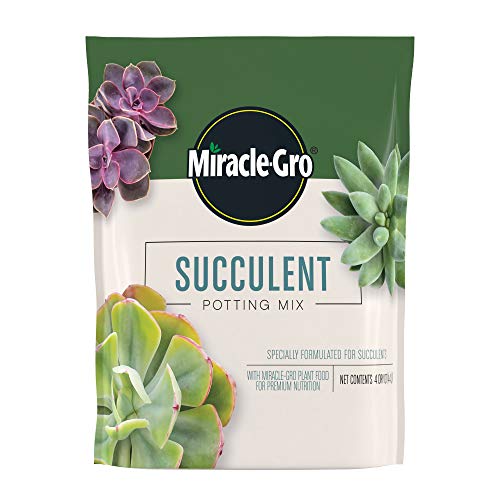
Miracle-Gro’s succulent blend is a pre-mixed option for growers who do not want to fuss with ratios. The formulation is built around the same drainage principles that work for cacti and other succulents, which lines up well with what lavender prefers in a pot.
Open the bag and you can plant straight into it, no amendment math required. That convenience matters most for new gardeners still learning how different soil types behave, since the recipe is already dialed in for fast-drying conditions.
Everyday Advantages
- Pre-blended, so no measuring or separate amendment purchase needed
- Formulated for fast drainage, which mirrors lavender’s needs in containers
- Suitable for a wide range of drought-tolerant plants beyond just succulents
Trade Offs
- One bag fills roughly a single 8-inch container, so larger projects need multiple bags
- Dries out faster than richer mixes, demanding more attentive watering in hot weather
- Not designed for in-ground beds, where native soil still dominates
Feature Snapshot
Best Suited To
Beginner container gardeners who want a ready-to-use mix without learning the science behind amendment ratios first.
A Better Fit Elsewhere
For raised beds or in-ground planting, the Legigo 15 Quarts perlite amendment gives you more control over blending with native soil.
Miracle-Gro’s moisture control mix is positioned for plants that need steady hydration, which on the surface seems like a mismatch for drought-loving lavender. The catch is the AquaCoir component, a coconut-fiber-based material that absorbs and releases water in a more controlled way than standard peat, which can actually help buffer watering mistakes in containers.
The 2-pack format gives you 16 quarts of mix total, which makes more sense for someone planting several containers at once rather than a single herb on the windowsill. For lavender, you may want to cut this with extra perlite to lean the drainage profile further toward dry-side conditions.
A Favorable Mix
- AquaCoir formula holds water while still allowing drainage through the pot
- Two bags per order suits multi-plant container projects
- Common stock at most garden centers, so refills stay simple
Points To Note
- Moisture control is the opposite of what lavender prefers in a fast-draining mix
- Most owners report needing to add extra perlite for true Mediterranean herb conditions
Who Should Grab It
Gardeners repotting many containers at once who do not mind cutting the mix with additional perlite for their lavender.
Skip It When
You want a blend ready to use without adjustment, since the Miracle-Gro Succulent Potting Mix is already calibrated for drier conditions.
Stepping up to 15 quarts puts you in serious amendment territory. This size works well for a long raised bed, a row of foundation plantings along a fence line, or a multi-plant herb garden where the same drainage tuning applies across the whole space.
You will still mix it into existing soil rather than use it alone, but the volume here means you stop rationing perlite mid-project. Spread it across a prepared bed at a generous ratio, and clay-heavy ground transforms into a workable, well-aerated root zone that lavender actually wants to grow in.
A Few Strong Suits
- Covers a full raised bed or several smaller beds in one purchase
- Coarse grade resists breaking down during a single growing season
- Better per-quart value than the smaller Legigo formats
Honest Caveats
- Bulk bag is awkward to handle and store once opened
- Overkill for anyone working with just two or three pots
Spec Overview
Whose Shelf It Belongs On
Active landscape gardeners reworking beds, building new lavender rows, or restoring drainage in clay-heavy yards.
Another Choice May Suit
For pure indoor or balcony use, the Legigo 4 Quarts bag is enough without leaving you with storage headaches.
The 20-quart Legigo is the largest perlite option in the lineup, aimed at growers who are overhauling a sizeable chunk of ground. Whole-yard soil improvement, a long hedge line of lavender, or a sizeable new raised bed all fit comfortably within a single bag.
Perlite does not decompose quickly, so a bag this size also stores reasonably well for the next project if you keep it dry. A sealed plastic bin or a covered container in the garage keeps the material ready for use a season later without significant loss.
Where It Helps
- Highest volume option for the largest single-pass projects
- pH-neutral, so it will not shift the chemistry of your existing soil
- Stores in a dry bin for future bed refreshes
Less Ideal Details
- Hard to manage in a small garden shed or apartment storage closet
- Dust at pour time is more noticeable with the larger volume
The Right Fit
Homeowners establishing an entire new lavender border or restoring drainage to a yard that has struggled with clay for years.
Swap It Out When
You only need a small container refresh, in which case the Legigo 6 Quarts bag keeps things proportionate.
Right in the middle of the Legigo perlite line sits the 6-quart size, and it tends to be the bag most home gardeners actually need. Enough volume to amend a small in-ground planting or several medium containers, without the leftover waste that the bigger bags create for one-off jobs.
The same coarse, neutral perlite as the rest of the line. If you are unsure which size to pick and your project sits somewhere between a couple of pots and a full bed, this is the sensible middle ground.
Where It Delivers
- Balanced volume for a small herb bed plus a few extra pots
- Manageable bag weight, easy to carry and pour without spills
- Reasonable per-quart cost compared to the smallest size
Small Caveats
- Still not enough for a sizeable raised bed renovation
- Dry perlite dust is a minor concern when working indoors
Perfect Match For
Intermediate gardeners tending a modest lavender collection with both in-ground and container plants in the mix.
Reach For A Different Pick When
You want a pre-mixed blend rather than an amendment, in which case the Miracle-Gro Succulent Potting Mix skips the measuring step entirely.
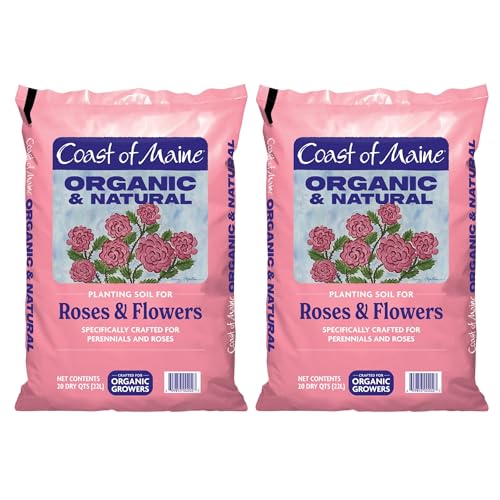
Coast of Maine’s planting soil is a compost-based organic blend marketed for roses and flowering perennials, but the formulation translates well to lavender when used thoughtfully. The compost base adds organic matter that holds a touch more moisture than pure mineral mixes, so you may want to cut it with grit or perlite in heavier soils.
The 2-pack gives you 40 quarts, which suits a sizeable garden bed. The OMRI listing matters for organic-focused gardeners who want inputs that align with that approach.
What Makes Sense
- Organic, compost-rich blend that improves soil biology over time
- OMRI listed for organic gardening practices
- Two-bag pack covers a full established flower bed
- Balances moisture retention with reasonable drainage
Points To Keep In Mind
- Higher moisture retention than pure drainage mixes, so amend with grit for lavender
- Compost content breaks down over a season, requiring periodic top-up
Built With In Mind
Organic-method gardeners improving a mixed flower bed that includes lavender alongside other flowering perennials.
Not Your Match When
You grow lavender exclusively in containers and want a sterile, mineral-dominant mix like the Perfect Plants Succulent and Cactus Soil instead.
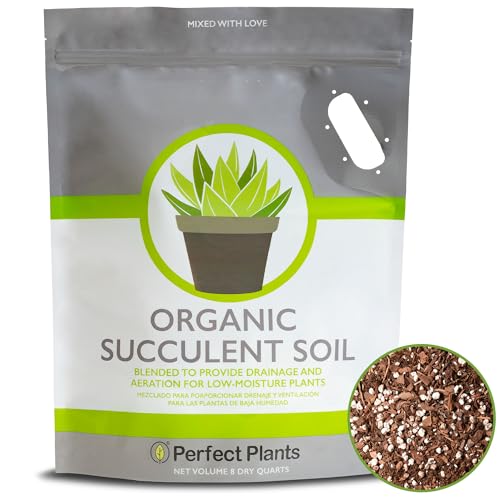
Perfect Plants’ succulent and cactus soil is one of the more thoughtfully assembled pre-mixes on the market, and the ingredient list reads like a checklist for what lavender wants. Organic peat moss, composted pine bark, and perlite combine to create an open, airy blend that drains quickly while still holding enough moisture for the plant to draw on between waterings.
The 8-quart bag covers a medium-sized planting project, and the inclusion of composted bark adds a slow-organic component that supports long-term soil structure. For lavender in containers, this is one of the closer matches to the plant’s natural rocky Mediterranean home.
What Pays Off
- Multi-ingredient blend designed for drainage and aeration from the start
- Organic peat and composted bark for steady nutrient release
- 8-quart bag suits a small patio of container plants
Some Limits To Know
- Pre-mixed for succulents, so very heavy clay beds still need extra drainage work
- Composted bark component breaks down over time, reducing drainage after a year or two
Feature Snapshot
Who Will Love This
Container-focused lavender growers who want a pre-blended mix that approximates the plant’s native rocky soils without any measuring.
Consider Something Else When
You are working a large in-ground bed, where the Legigo 20 Quarts perlite gives you the volume to rework native soil in place.
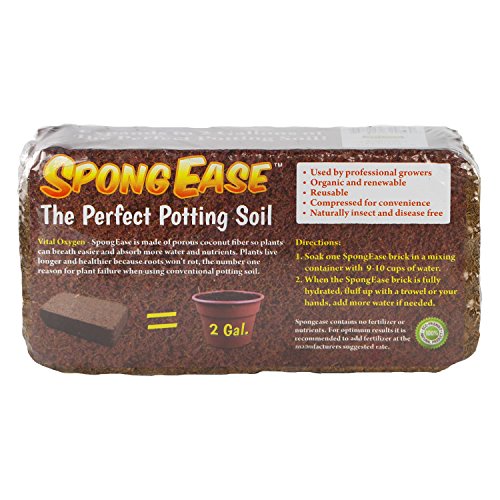
Coco coir comes to gardeners in compressed brick form, and this 650-gram brick expands to roughly 2 gallons of fluffy growing medium when rehydrated. The space savings compared to a bagged soil are significant, which matters for apartment growers or anyone storing amendments in a small closet.
Coir behaves a little differently from peat-based mixes, holding moisture while still letting air reach the roots, and it works well as part of a blend with perlite for lavender. Used alone it can stay too damp, so combining it with a drainage amendment on this list is the safer route.
Real Benefits
- Compressed brick format stores indefinitely on a shelf
- Peat-free, renewable alternative for environmentally focused growers
- Rehydrates quickly for use within a single afternoon
Practical Considerations
- Holds more moisture than lavender prefers when used by itself
- Requires rehydration in a separate container before use
- Low in native nutrients, so supplemental feeding becomes necessary over time
Who It Suits Best
Small-space and indoor growers who want shelf-stable growing medium on hand and do not mind blending it with perlite for lavender.
Look Elsewhere When
You want a pre-blended ready-to-use option, since the Perfect Plants Succulent and Cactus Soil arrives already mixed.
What Matters Most When Choosing Soils For Lavender
Drainage Comes First
Lavender roots cannot tolerate sitting in wet ground, so any soil you choose needs to let water pass through quickly. Sandy, gritty, or perlite-rich mixes all support this. Heavy clay or moisture-retentive blends without amendment typically cause root rot, especially through winter dormancy when the plant’s water needs drop to almost nothing. For in-ground beds, amending native clay with perlite or coarse sand is often the difference between a thriving plant and a lost one.
pH and Mineral Balance
Lavender prefers a soil pH that hovers near neutral or slightly alkaline, somewhere in the 6.5 to 7.5 range. Most bagged potting mixes sit close to this, but peat-based blends can drift acidic over time as the peat breaks down. Adding a small amount of garden lime to peat-heavy mixes every year or two keeps the pH where lavender wants it. Mineral components like perlite, coarse sand, and pine bark also buffer pH naturally while improving the soil’s structure.
Container Versus In-Ground Decisions
Container plantings demand faster-draining mixes because pots restrict natural water movement. Pre-blended cactus and succulent soils or a custom mix of potting soil with added perlite both work. In-ground beds are more forgiving if the native soil drains reasonably well, but heavy clay usually benefits from amendment. The pick you choose should match the scale of the project, since a 2-quart bag barely covers a single pot, while a 20-quart bag handles a full bed.
Key Considerations Across These Picks
Pitfalls Shoppers Hit
The most common mistake is choosing a moisture-retentive potting mix for lavender because it promises “easier watering.” Lavender does not want easier watering; it wants soil that drains and dries between waterings. Another frequent miss is skipping the drainage layer in decorative containers without holes, which leaves the root ball sitting in standing water. Finally, many shoppers underestimate how much amendment a clay-heavy bed actually needs, so they under-buy and end up with soggy soil that lavender cannot tolerate.
What The Higher Tier Buys
Bulk perlite sizes like the 15-quart and 20-quart Legigo bags cost more upfront, but the per-quart price drops noticeably. They also save multiple trips to the garden center for a single bed project. Pre-mixed organic blends like the Coast of Maine option command a premium for the ingredient sourcing and certification, which matters if you garden by organic methods. The honest read is that the upgrade pays off when the project is genuinely large or when the source materials match your gardening philosophy closely.
Frequently Asked Questions
Can lavender grow in regular potting soil?
Standard potting soil holds too much moisture for lavender to thrive long-term. You can use it as a base if you cut it with roughly one-third perlite or coarse sand, but a cactus and succulent blend is closer to what the plant actually wants.
How often should I repot container lavender?
Most container-grown lavender needs a refresh every two to three years, when roots start circling the pot or the soil structure breaks down and drainage slows. Replacing the old mix with a fresh batch of pre-blended cactus soil or a custom perlite-rich blend resets the root environment.
Is perlite safe to use on organic gardens?
Perlite is an inert volcanic glass that does not introduce chemicals into the soil, so it is generally accepted in organic gardening. For strict certification standards, check the specific program’s rules, but most home organic gardeners consider perlite a neutral amendment.
What is the difference between perlite and vermiculite?
Perlite is a hard, porous volcanic glass that holds its shape and improves drainage. Vermiculite is a soft, spongy mineral that holds more water and nutrients. For lavender, perlite is the right choice because the plant needs drainage more than it needs water retention.
Does lavender need fertilizer in its soil?
Lavender actually prefers lean soil, so heavy feeding causes leggy growth and fewer flowers. Most pre-mixed cactus and succulent soils provide enough nutrition for a full season. If growth slows noticeably after a year, a light feeding with a balanced organic fertilizer in early spring is plenty.
Closing Remarks
The right soil for lavender is the one that matches your planting setup, your climate, and how much tinkering you enjoy. Pre-mixed cactus blends work straight from the bag for containers, while perlite amendments give you the flexibility to tune native soil in a larger bed. Match the format to your project size, lean toward the drainage side of any mix, and lavender rewards you with the kind of growth and fragrance it earns in its native rocky hillsides.
