

Uneven ground after settling, pet damage, or a fresh topdressing pass is a frustration most homeowners face at some point. The right combination of leveling rake and soil blend makes a bumpy yard flat enough to mow cleanly and dress attractively. The picks below cover leveling rakes that spread material smoothly and the soil mixes that pair with them for reliable results.
A Closer Look At The Lineup

FRIDOU 30″ x 10″ Lawn Leveling Rake 304 Stainless Steel
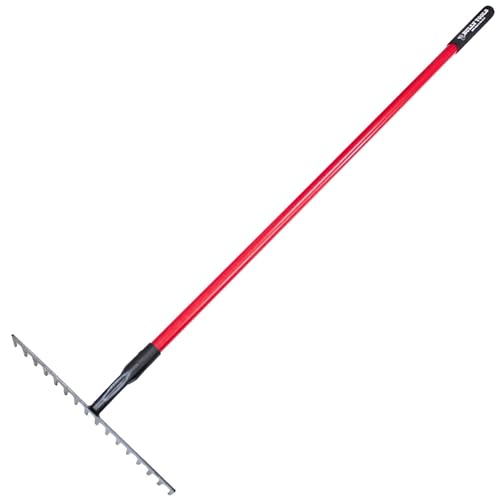
Bully Tools 7-Gauge 16-Tine Stone Rake 66″ Fiberglass Handle

Dremmt Lawn Leveling Rake 30×10″ Professional-Grade

Proven Winners Premium All Purpose Potting Soil 1.5 cu. ft.

FoxFarm Ocean Forest Potting Soil 12 Quart

Rocklin Industry 30″ Lawn Leveling Rake 78″ Handle
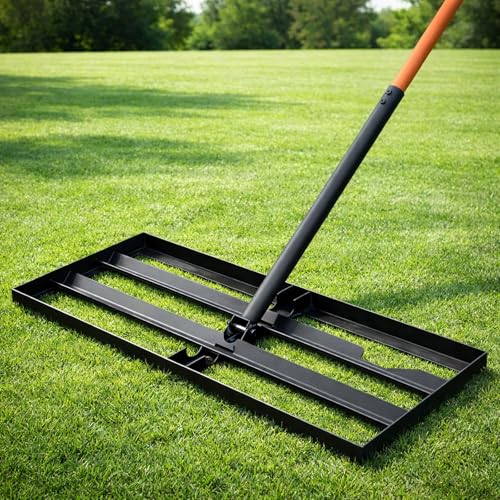
TAORUI Lawn Leveling Rake 30″x10″ with 78″ Adjustable Handle

Miracle-Gro Potting Mix 8 qt. 2-Pack

GreatBuddy 30″x10″ Lawn Leveling Rake 78″ Handle
The Strengths Of Each Pick
The FRIDOU 30″ x 10″ Lawn Leveling Rake is built for homeowners who level more than once a season and want a tool that survives damp storage. The 30-inch ground plate covers a comfortable strip with each pull, and the 304 stainless steel construction shrugs off rust even when the rake sits in a wet shed for weeks.
For most backyards, that combination means the head keeps its flat edge through years of spreading topsoil, compost, or sand without bowing in the middle. Pair it with a bag of blended soil for spot repairs, and you have a reliable setup for filling low spots and evening out small patches after pet damage or grub trouble.
What Works In Its Favor
- 304 stainless steel head resists corrosion through wet storage and repeated outdoor use
- 30″ x 10″ ground plate covers meaningful area per pass for medium yards
- Stiff plate flattens soil clumps and fills low hollows in the same motion
- Works with topsoil, sand, compost, dirt, and gravel without special prep
Things To Consider
- No adjustable handle, so taller gardeners may need to bend more than they would like
- Owners commonly report that the head bolts can loosen after a full season of heavy dragging
- Plate width suits residential patches rather than wide-open sports fields
Key Product Details
Who It Suits Best
Homeowners with mid-sized yards who want one durable leveling rake for seasonal topdressing and spot repair work.
Where Another Pick Suits Better
For very large open areas, the Bully Tools 7-Gauge 16-Tine Stone Rake spreads material faster across gravel and stone work.
The Bully Tools 7-Gauge 16-Tine Stone Rake is a different kind of leveling tool: a toothed head built for moving stone, gravel, and heavy mulch rather than fine topdressing. The 7-gauge steel tines are noticeably thicker than the 10-gauge construction on typical garden rakes, so the head resists bending when you drag it through rocky fill.
For leveling a yard that includes a gravel path, a stone border, or a bare-soil area, this rake complements the smoother leveling plate in the FRIDOU option above. The 66-inch fiberglass handle keeps the reach comfortable for most adults and reduces the snap-back risk if a tine catches a buried root.
Real-World Strengths
- 7-gauge steel tines handle gravel, stone, and rocky fill without flexing
- 16-tine head covers ground quickly across large open areas
- Fiberglass handle is lighter than solid wood and resists weather cracking
- Useful for both residential yards and small commercial landscaping jobs
Honest Caveats
- Toothed design is not ideal for fine topdressing work on established turf
- Heavier head can feel tiring during long leveling sessions on soft ground
Made For
Property owners with gravel drives, stone borders, or large bare-soil areas who need a rake that survives rocky conditions.
Look Elsewhere When
For fine topdressing over existing grass, the Rocklin Industry 30″ Lawn Leveling Rake leaves a smoother finish without dragging tines through the turf.
The Dremmt Lawn Leveling Rake comes in multiple head and handle combinations, which makes it a practical choice if you are not sure which size fits your yard. The 30 x 10 inch head with a 6.5 foot handle is the configuration most homeowners pick for general residential work, while the wider 35 or 45 inch heads suit larger patches and sports fields.
For most people, the stainless steel handle and flat bottom plate combine to push soil and sand into low spots without bouncing over the dips, which is a common complaint with traditional bow rakes. Compared to the FRIDOU rake, this one leans toward a smoother finish on well-prepped soil rather than aggressive grading.
Points In Its Favor
- Multiple head sizes (30″, 35″, 45″) and handle lengths to match the yard
- Stainless steel handle reduces rust and weather wear over time
- Wide plate flattens soil clumps and fills hollows in the same motion
- Suitable for backyards, gardens, golf course patches, and small farms
Room For Improvement
- Larger head sizes can feel unwieldy on small, contoured lawns
- Stiffer plate may scalp high spots more aggressively than a thinner gauge head
Feature Snapshot
Best Suited To
Homeowners and small-acreage owners who want a configurable leveling rake for both spot repairs and bigger topdressing projects.
Skip It When
For an adjustable handle that grows with a household, the TAORUI Lawn Leveling Rake fits users of different heights more easily.
The Proven Winners Premium All Purpose Potting Soil is a reliable workhorse for filling low spots in a lawn where you want grass to recover rather than just sit. The blend combines composted bark, Canadian sphagnum peat moss, and horticultural-grade perlite, so the mix holds moisture without turning into a compacted slab under foot traffic.
For most homeowners spreading a thin layer to level small depressions, perlite (a lightweight volcanic glass that improves drainage) keeps the surface from sealing over. Pair this soil with a leveling rake like the FRIDOU or Rocklin, and you have a clean routine for annual touch-ups.
Benefits That Matter
- Blended mix reduces the need to amend with separate compost or sand
- Sphagnum peat moss helps the mix hold moisture during grass recovery
- Perlite improves drainage so leveling patches do not stay soggy
- 1.5 cubic foot bag covers a meaningful number of small lawn repairs
Softer Spots
- Bag weight is substantial, so carrying several to a backyard takes planning
- Texture is finer than screened topsoil, which means it can crust slightly until grass grows through
Quick Facts
Who Will Love This
Homeowners patching a few low spots each season who want a ready-to-use mix that does not require blending amendments.
A Better Fit Elsewhere
For container-heavy gardens where richer organic content matters more, the FoxFarm Ocean Forest Potting Soil delivers a denser nutrient profile.
The FoxFarm Ocean Forest Potting Soil is built around a richer ingredient list than most general-purpose mixes. Aged forest products, sphagnum peat moss, sandy loam, fish meal, crab meal, and earthworm castings combine into a medium that feeds plants steadily without extra fertilizer for the first several weeks.
For leveling projects where you want the patched area to grow back in fast, those organic meals (ground nutrient sources that release slowly into the soil) help grass seedlings establish quickly. Light, aerated texture also means the spread goes on smooth and settles without forming a hard cap.
The Practical Payoff
- Organic meals feed the lawn naturally during the recovery period
- Aerated texture spreads evenly with a leveling rake and resists crusting
- Lightweight 12 quart bag is easy to carry for small patch jobs
- Works well for both grass patches and container gardens around the yard
Trade Offs
- Smaller bag volume means multiple bags for big leveling projects
- Higher organic content can attract curious pets to freshly patched spots
Core Details
Perfect Match For
Gardeners who want nutrient-rich soil for small lawn patches and container refreshes without adding separate fertilizer.
Reach For A Different Pick When
For large-area topdressing on a budget, the Miracle-Gro Potting Mix 8 qt. 2-Pack offers more volume per dollar.
The Rocklin Industry 30″ Lawn Leveling Rake is designed for the homeowner who just wants a sensible tool that does the job. The 30-inch head is wide enough to cover meaningful ground on a residential lawn, while the 78-inch handle keeps most adults working upright instead of crouched over.
The center-mounted plate is built to hug the ground as you pull, which matters when you are smoothing over shallow dips rather than just pushing soil around. For typical backyard touch-ups, this rake lands in a comfortable middle ground between the FRIDOU’s heavier build and the wider plate on the Dremmt.
Standout Benefits
- 78″ handle reduces back strain during longer leveling sessions
- Center-mounted plate hugs uneven ground for more even spreads
- Stainless steel construction handles outdoor storage between uses
- Balanced head size suits typical home lawns without feeling oversized
Points To Note
- Fixed-length handle cannot adjust to shorter or taller gardeners
- Best suited to routine maintenance rather than aggressive grading
Right Fit For
Homeowners who want a comfortable, mid-sized leveling rake for seasonal topdressing and small repair work.
Swap It Out When
For shared use among users of different heights, the TAORUI Lawn Leveling Rake adjusts to fit each person.
The TAORUI Lawn Leveling Rake brings an adjustable-length handle to the standard 30″ x 10″ leveling-rake format, which is a meaningful feature for households with users of different heights. The stainless steel head and handle hardware hold up to weather exposure, and the flat plate pushes soil into low spots without dragging the turf apart.
For most households, the adjustable handle means an adult and a teenager can both use the same rake without one of them working bent over. The build is a touch lighter than the GreatBuddy model, so it trades some weight for easier handling around curved beds.
Bright Spots
- Adjustable handle fits multiple users comfortably in one household
- Stainless steel construction resists rust and weather wear
- 30″ x 10″ head suits typical residential lawn projects
- Lighter build is easier to maneuver around garden edges
Some Limits To Know
- Lighter build means it does not press into high spots as firmly as a heavier rake
- Adjustment mechanism can loosen over time if the locking collar is not checked periodically
Who Should Grab It
Families or shared households where more than one person will be using the leveling rake on a regular basis.
Another Choice May Suit
For very large yards where weight helps the plate press down, the GreatBuddy Lawn Leveling Rake provides a heavier build.
The Miracle-Gro Potting Mix in the 8-quart 2-pack is a familiar choice for quick top-ups around the yard. The mix is designed to feed container plants for an extended period, which is useful when you are patching small lawn depressions that will host new grass or annual flowers.
For most homeowners, the two-bag format is a practical middle ground between a single small bag and a full cubic-foot purchase. The mix is lighter and easier to carry than the Proven Winners option, and the pair covers several small projects without leaving you with a half-used bag going stale in the shed.
A Favorable Mix
- Two-bag format is convenient for small projects and pot refills
- Feeds plants for an extended period after application
- Manageable 8-quart size is easier to carry than larger bags
- Works for both lawn patches and outdoor container plants
Worth Noting
- Not optimized for lawn-specific topdressing like a screened topsoil
- Smaller bag volume means it is not ideal for big leveling projects
Whose Shelf It Belongs On
Homeowners who do a mix of small lawn repairs and container gardening and want a versatile soil on hand.
Consider Something Else When
For richer organic content aimed specifically at lawn recovery, the FoxFarm Ocean Forest Potting Soil is a stronger match.
The GreatBuddy Lawn Leveling Rake leans into a heavier build, with the listed weight around 6 kilograms, which helps the 30″ x 10″ plate press down into high spots rather than skip over them. The 304 stainless steel head and 78″ handle line up with the typical residential format, but the heft sets it apart for tougher grading work.
For most people maintaining a larger yard or a small sports field, the added weight is an advantage because it cuts down on how much you need to push down. The trade-off is fatigue during long sessions, and shorter gardeners may want a hand on the handle rather than working alone.
Strengths Worth Knowing
- Heavier 6 kg build presses into high spots for more effective leveling
- 304 stainless steel head and welded construction for outdoor durability
- 30″ x 10″ plate handles dirt, sand, and topsoil equally well
- 78″ extra-long handle suits taller gardeners and big projects
Small Caveats
- Heavier build can feel tiring during extended leveling sessions
- Larger total mass may be more than a smaller yard really needs
Built With In Mind
Homeowners with bigger yards, small sports fields, or tough grading work who appreciate a heavier, more decisive leveling rake.
Not Your Match When
For lighter everyday touch-ups on a small lawn, the TAORUI Lawn Leveling Rake is easier to handle for most users.
What To Weigh Before Choosing Soils For Leveling Yard
Match the Rake Head to the Yard Size
A 30 inch plate covers meaningful ground on a typical suburban lawn, but a 45 inch head saves time on sports fields and small acreage. Smaller heads give you finer control around curved beds and stepping stones. The right match depends on how much ground you actually need to flatten in a single session.
Pick a Handle That Fits the Gardener
A 78 inch handle keeps most adults working upright, while adjustable handles help when the same tool gets shared. Shorter gardeners can find a long handle awkward at full reach, so comfort is worth thinking about before the first pass. A handle that is too short turns a single afternoon into a backache.
Choose Soil Texture Based on the Patch
Sandy loam blends pack down well for filling shallow depressions, while mixes with perlite and peat moss hold moisture for new grass to establish. A pure screened topsoil is the most lawn-specific choice, while container mixes bring more organic content. Matching the texture to what the patch needs prevents crusting or settling.
Think About Storage and Weather
Stainless steel heads shrug off damp sheds better than plain steel, but all metal tools benefit from a dry spot. Soil bags left open in a wet garage lose quality quickly, so smaller bag sizes or sealed leftovers are worth considering. A tool that dries out between uses simply lasts longer.
Where Shoppers Slip Up
Pitfalls Shoppers Hit
Reaching for the cheapest bag of “garden soil” at the retailer is a common mistake, because that mix often contains woody debris and heavy clay that defeat the purpose of leveling. Smoothing over a wet patch with a rake seals the surface and slows grass recovery. Skipping a quick pre-water of the area can also leave the new layer sitting on a hydrophobic (water-repelling) base.
The Case For Spending Up
Premium soil mixes with perlite, peat, and organic meals cost more up front but reduce the need for follow-up fertilizer and reseeding. Heavier rakes with welded stainless heads tend to outlast lighter models through several seasons of regular use. The upgrade pays off when the same tool and soil keep working year after year without replacement.
Frequently Asked Questions
How thick should the leveling layer be?
A quarter to half an inch is usually enough for shallow low spots, while deeper depressions can be filled in stages and reseeded. Piling too much at once suffocates the existing grass.
Can I level a yard without removing the grass?
Yes, a thin topdressing of soil or sand spread with a leveling rake works over existing turf. The grass grows through the new layer if it is not too deep.
How often should I topdress a lawn?
Most homeowners topdress once a year in early fall or spring. Heavily used lawns may benefit from a second light pass in the growing season.
Is sand or soil better for leveling?
Sand fills low spots without compacting, while soil blends bring nutrients for recovery. Many homeowners use a sand-and-soil mix for the best of both.
Do I need a special rake for the job?
A flat-bottom leveling rake is the most efficient tool for the work. A bow rake works for rough grading but tends to leave ridges on the final pass.
Closing Remarks
A flat yard and a healthy topdressing routine go hand in hand, and the right pairing of leveling rake and soil makes the work straightforward. The picks above cover the common combinations most homeowners will face, from small patches to bigger grading projects. Choose the tool and mix that match your yard size and storage conditions, and the next leveling session should feel less like a chore.
