

Olive trees look almost indestructible, yet the soil around their roots decides everything. A medium that holds too much water invites root rot, while a mix that dries out in a day starves a tree that evolved on rocky Mediterranean hillsides. Picking the right growing medium matters whether you keep a tabletop Arbequina in the living room or tend a full-size Frantoio on a sun-baked patio.
This lineup covers purpose-built olive blends, versatile container mixes, and supporting feeds that keep foliage silver and steady. The picks span small quart bags for repotting, larger volumes for filling bigger planters, and mist-style supplements for routine care. Each option earns its place for a specific scenario, and the trade-offs get called out plainly so you can match the medium to your tree and your routine.
A Closer Look At The Lineup
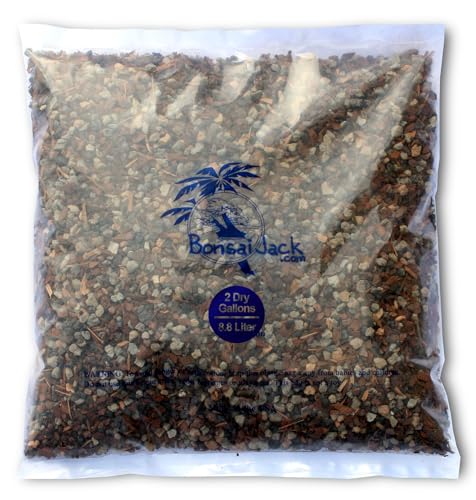
Bonsai Jack Universal Organic Bonsai Soil Mix #221

Miracle-Gro Potting Mix, 16 qt. (2-Pack)

GARDENWISE Organic Olive Tree Potting Mix (3 Quarts)

Gardenera Premium Olive Tree Potting Mix (1 Quart)

FoxFarm Ocean Forest Potting Soil (12 Quart)
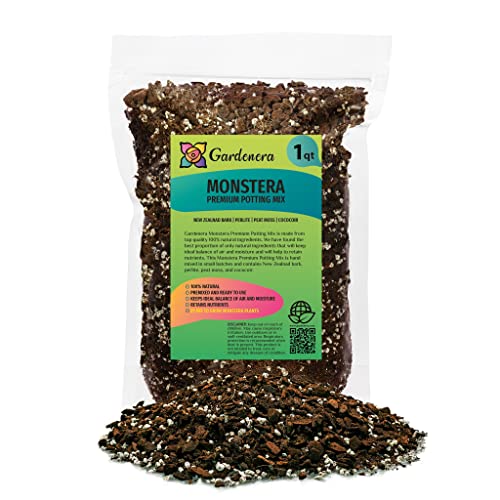
Gardenera Premium Monstera Potting Soil (1 Quart)

Gardenera Professional Monstera Spray Fertilizer Mist (8 oz)

Gardenera Professional Monstera Organic Superfood Spray Mist (8 oz)

Premium Liquid Olive Tree Plant Fertilizer 3-1-2 Concentrate (8 oz)

Gardenera Professional Olive Tree Spray Fertilizer Mist (8 oz)
Inside Each Recommended Option
Olive trees share much of their root profile with bonsai subjects, craving a gritty medium that refuses to stay soggy. Bonsai Jack delivers that texture in a ready-to-use 2-gallon bag, screened and pre-washed so you are not chasing dust out of the pot with a brush for an hour.
The blend is engineered with consistent particle sizing, which matters because uneven chunks create hidden air pockets that dry out unevenly. You pour, settle the tree, and water the way you normally would, and the mix sheds moisture on its own schedule. For anyone moving a young olive up to a larger container or rescuing a tree from compacted nursery soil, this is a clean reset for the root zone.
A Few Strong Suits
- Pre-washed, screened particles reduce mess during repotting and skip the cloudy first-water problem.
- Uniform sizing prevents the fines-and-chunks separation that suffocates fine olive roots.
- Balanced water absorption and evaporation profile fits the dry-down cycle olives actually prefer.
- Two-gallon volume covers a mid-size planter without leaving you short mid-project.
Things To Consider
- Lightweight particles can shift in tall patio pots exposed to heavy wind or curious pets.
- The mix carries minimal nutrition, so a separate feeding routine matters through the growing season.
Who Should Grab It
Anyone repotting a mature indoor or patio olive into a fast-draining, low-fuss medium will find this an easy upgrade.
Look Elsewhere When
The GARDENWISE Organic Olive Tree Potting Mix is a smarter pickup if you want an olive-specific formulation with built-in organic nutrition from the start.
Most folks already have a bag of Miracle-Gro sitting in the shed, and for good reason. The 16-quart two-pack is the kind of container soil that handles herbs on the windowsill, tomatoes on the deck, and an olive tree on the patio without much fuss. It feeds plants for up to six months, which is convenient when summer watering schedules already eat up weekends.
For an olive tree, the catch is texture. This mix is denser than a true Mediterranean blend, so it holds moisture longer than the tree would naturally prefer. Amending with perlite or coarse sand at roughly a one-to-four ratio brings the drainage closer to what olives expect and keeps the root zone from staying damp after a rainy stretch.
Where It Helps
- Available almost everywhere, which simplifies last-minute trips during a repotting session.
- Built-in feeding for several months reduces the number of separate fertilizer purchases.
- Two-bag volume handles multiple patio containers in one shopping trip.
Points To Keep In Mind
- Retains more moisture than olives prefer straight out of the bag, so amending is wise for the species.
- Smaller bag volume per bag means heavy planters may need several bags to fill cleanly.
Best Suited To
Mixed container gardeners juggling olives alongside flowers and herbs on the same patio will get plenty of mileage from this widely available mix.
Swap It Out When
The FoxFarm Ocean Forest Potting Soil offers a richer organic base if you want a more nutrient-dense medium without the extra amendment step.
Here is a blend built with one tree in mind. GARDENWISE leans on worm castings, compost, and limestone to nudge the pH toward the slightly alkaline range olives thrive in, and it structures the mix to drain quickly after a deep watering. For a tabletop Arbequina or a young Frantoio, that combination takes a lot of guesswork off the table.
The 3-quart bag works for one or two small repottings, which suits indoor growers who only refresh soil once or twice a year. Outdoor gardeners filling a half-whiskey-barrel planter will need multiple bags, so the size becomes a planning concern. The honest read is that the formula itself is strong, but you should size up your order before starting.
The Practical Payoff
- Olive-specific pH balance removes one variable that often causes indoor olive leaf yellowing.
- Fast-draining structure mirrors the dry, rocky hillside soils olives evolved in.
- Organic ingredients release nutrients gradually over a long stretch of the growing season.
- Works equally well for indoor and outdoor plantings, simplifying multi-location care.
Honest Caveats
- Three-quart volume runs out fast when filling planters larger than a 10-inch nursery pot.
- Premium formulation commands a higher per-quart cost than general container mixes.
Key Attributes
The Right Fit
Owners of small indoor or patio olives who want a blend tuned to the species without extra amendments will appreciate the targeted formulation.
Reach For A Different Pick When
The Gardenera Premium Olive Tree Potting Mix is a sensible swap for anyone repotting a single small tree who wants a peat-and-perlite base at a smaller scale.
Gardenera leans on Canadian peat moss, perlite, worm castings, and a touch of lime to build a light, breathable blend in a single-quart pouch. That scale makes sense for a tabletop olive in a 6-inch pot or for refreshing the top couple of inches of soil without dragging out the wheelbarrow.
The lime component is the quiet win here, gently steering pH toward the alkaline end of the scale that olives favor. Most general mixes trend slightly acidic, which is why indoor olive owners commonly report yellowing leaves. This one dodges that issue from the start, though the small volume means outdoor planters are out of scope.
Positive Takeaways
- Compact pouch is easy to store in a closet or under a sink for spot refreshes.
- Perlite-and-peat structure keeps the medium airy, preventing compaction around fine roots.
- Worm castings deliver gentle organic nutrition without forcing a strict feeding schedule.
- Lime component supports the alkaline-leaning pH olives prefer.
Trade Offs
- One-quart volume limits use to small pots and top-dressing jobs.
- Peat-heavy mixes can dry out faster indoors during low-humidity winter months.
Built With In Mind
Indoor olive tree owners with small pots who want a ready-made, slightly alkaline blend will find the size and recipe well matched.
Where Another Pick Suits Better
Outdoor gardeners filling a large patio planter should turn to the FoxFarm Ocean Forest Potting Soil for the volume and nutrient density a bigger container demands.
FoxFarm has a reputation for bringing the forest floor indoors, and the Ocean Forest blend is its flagship. Aged forest products, sandy loam, and sphagnum peat moss combine into a light, aerated medium that holds enough moisture for steady growth yet drains quickly enough for trees that resent wet feet. Fish meal, crab meal, and earthworm castings stack the nutrient profile without forcing a feeding regimen on day one.
For an olive tree, the 12-quart bag handles a 14 to 16-inch patio container comfortably. The mix is rich, which is a real plus during the active growing months, but you may find the nutrient load pushes you toward lighter supplemental feeding during dormancy. Pairing it with a careful watering hand keeps the tree balanced through seasonal shifts.
What Makes Sense
- Light, aerated texture suits container-bound roots that need oxygen as much as water.
- Built-in organic nutrients from fish, crab, and worm castings simplify the first few months.
- 12-quart volume fills a mid-size patio planter without leaving you short.
- Sphagnum peat moss component supports steady moisture between waterings.
Softer Spots
- Nutrient-dense blend can overwhelm a slow-growing olive if overwatered during dormancy.
- Higher per-bag cost than entry-level container mixes.
- Strong earthy aroma right after opening fades but lingers briefly in enclosed rooms.
Feature Snapshot
Whose Shelf It Belongs On
Patio gardeners upgrading to larger planters and olive enthusiasts who want richer nutrition in a familiar brand-name mix will appreciate the depth of the formulation.
Not Your Match When
The Bonsai Jack Universal Organic Bonsai Soil Mix fits better for anyone prioritizing grit-and-drainage texture over nutrient density.
Monstera mixes borrow a lot from the aroid playbook, but the same chunky structure translates nicely to olive trees that hate compacted soil. This Gardenera bag blends aged bark, coco coir, perlite, biochar, peat moss, and worm castings into a medium that feels more like a forest floor than a bag of dirt.
Where it shines for olives is in the air pockets between chunks. Roots can breathe, water percolates fast, and the mix resists the slow compaction that plagues standard potting soils after a season or two. It is not an olive-specific formula, so you will mix in a small amount of lime or use a periodic alkaline feed to keep the pH in the olive-friendly range.
A Favorable Mix
- Chunky texture creates the air pockets olives need for healthy root development.
- Coco coir and aged bark hold structure over multiple seasons without compacting.
- Biochar addition supports long-term soil biology in the planter.
- Worm castings provide gentle organic nutrition to bridge between feedings.
A Few Limitations
- Not olive-specific, so pH may drift slightly acidic without a lime amendment.
- Small one-quart bag suits single small repots rather than large patio containers.
- Chunky texture can clog watering can spouts on finer rose heads.
Who It Suits Best
DIY mixers who want a chunky base to customize with extra perlite or lime for an olive tree will appreciate the head-start ingredient list.
Consider Something Else When
The GARDENWISE Organic Olive Tree Potting Mix is a more direct option for owners who prefer an olive-tuned formula without extra blending work.
Foliar feeding is a quiet helper for indoor trees, especially when a tree has settled into a stable pot and you just want a quick leaf-side nutrient boost. Gardenera’s monstera mist uses a 3-1-2 NPK ratio (a balanced lean toward nitrogen), which is gentle enough for routine use without burning olive foliage. The eight-ounce bottle fits easily in a kitchen drawer between waterings.
The honest note here is that this is a monstera product that olive owners may want to keep in their rotation. It is not olive-specific, so the ratio leans a touch more nitrogen-heavy than an olive might strictly need during the dormant season. Light, occasional use during the active growing months keeps things on track.
Everyday Wins
- Mist application absorbs fast and avoids overwatering indoor planters.
- Gentle 3-1-2 ratio is forgiving on foliage even with frequent use.
- Compact eight-ounce bottle is easy to store and lasts through many applications.
Where It May Fall Short
- Not olive-specific, so heavier feeding needs still call for a dedicated olive fertilizer.
- Nitrogen-leaning ratio should be dialed back during olive dormancy to avoid leggy growth.
- Sprayer can clog if stored without a quick rinse between uses.
Feature Rundown
Perfect Match For
Indoor olive owners who want a gentle, fast-acting leaf boost to bridge between heavier seasonal feedings will find this a useful shelf addition.
A Better Fit Elsewhere
The Gardenera Professional Olive Tree Spray Fertilizer Mist suits olive owners who prefer a species-tuned foliar mist instead of a generic blend.
Where the previous mist leans gentle, this superfood version leans complex. Gardenera packs 18 key vitamins and minerals into the formula along with micro-fungi cultures that bring a biological element to foliar feeding. The pitch is that leaves can absorb more than just NPK when given a richer soup of micronutrients, and the eight-ounce bottle keeps that delivery practical for indoor routines.
For olive trees, this is an interesting supplementary pick rather than a primary feed. Indoor olives do not always get the microbial diversity they would outdoors, and a microbe-fortified mist can nudge the leaf surface toward a healthier state. It is not olive-specific, so pairing it with a soil-based olive fertilizer keeps the root zone covered too.
Useful Strengths
- Micro-fungi enrichment adds a biological layer most foliar mists skip.
- Broad micronutrient profile supports leaves that look slightly washed-out indoors.
- Spray format keeps application quick between watering days.
Possible Compromises
- Not olive-specific, so consider pairing with a targeted olive fertilizer for full coverage.
- Complex formula costs more per ounce than a basic foliar mist.
- Microbe cultures benefit from consistent use, so sporadic spraying reduces the value.
Who It Suits Best
Indoor olive enthusiasts who want a richer foliar supplement beyond a standard NPK mist will appreciate the added micronutrient and microbe complexity.
Skip It When
The Gardenera Professional Monstera Spray Fertilizer Mist is a simpler, lighter pick if you only want a basic routine leaf-side feed.
When a soil mix is doing its job and the tree simply needs steady nutrition, a liquid concentrate earns its place on the shelf. This Gardenera bottle carries a 3-1-2 NPK ratio tuned for olive trees, formulated to support growth, foliage, and the occasional fruiting effort on a mature indoor specimen.
Concentrates require a small habit shift because you dilute before each watering. Once that habit is set, an eight-ounce bottle stretches across many feedings. The trade-off is that you must remember to mix fresh dilutions and not pour the concentrate directly onto dry soil, which can scorch roots.
Advantages To Know
- Olive-specific 3-1-2 ratio targets the nutrient balance olives prefer.
- Concentrate format stretches an eight-ounce bottle across many feedings.
- Liquid delivery acts fast, which is useful when foliage looks tired midseason.
Factors To Consider
- Requires measuring and diluting before every application.
- Concentrate can scorch roots if applied directly to dry soil without pre-watering.
- Diluted mixture should be used promptly and not stored for long stretches.
Feature Overview
Made For
Olive tree owners who already have their soil dialed in and want a targeted liquid feed to support steady growth and foliage color will find the formulation well suited.
Another Choice May Suit
The Miracle-Gro Potting Mix is a more general-purpose pick for anyone who would rather bake nutrition into the soil rather than remember a separate feeding step.
The olive-tuned cousin of the earlier monstera mist, this Gardenera spray delivers the same 3-1-2 ratio but reformulated for olive foliage. It targets growth, fruiting support on mature trees, and general leaf health, all without the harsh chemical edge you sometimes find in synthetic foliar feeds.
Think of it as a midweek top-up between heavier soil-side feedings. A quick pass over the silver-green leaves on a Sunday morning fits neatly into an indoor care routine. For a larger outdoor olive, you may find the eight-ounce bottle runs out faster than expected, so plan your seasonal usage accordingly.
Good Reasons To Consider
- Olive-specific formula targets the foliage needs of the species directly.
- Gentle 3-1-2 blend is forgiving for routine use without leaf burn risk.
- Organic-leaning formulation suits gardeners avoiding harsh synthetic inputs.
Small Caveats
- Eight-ounce bottle depletes quickly on larger outdoor trees with dense canopies.
- Foliar feeding works best as a supplement, not a replacement for soil-side nutrition.
- Mister nozzle should be rinsed between sessions to avoid clogging.
The Right Fit
Indoor olive owners with a small to mid-size tree who want a foliar boost tuned to the species will appreciate the targeted approach.
Where A Sibling Pick Shines
The Premium Liquid Olive Tree Plant Fertilizer 3-1-2 Concentrate covers root-zone feeding more efficiently for trees that need a heavier nutritional push.
Matching Soil Texture And pH To Olive Roots
Olive trees evolved on lean, rocky slopes where rain drains in minutes and the soil leans slightly alkaline. Replicating that profile indoors or on a patio is the whole game. Drainage comes first: any medium that holds water against the root crown for more than a day is a slow path to root rot. Particle size matters as much as ingredient list, which is why gritty mixes and chunky blends outperform dense, peat-heavy soils.
The second variable is pH. Olives tolerate a range, but they perform best in a slightly alkaline window around 7.0 to 8.0. Many general-purpose potting mixes drift acidic over time, especially after repeated watering with hard tap water. A touch of lime, a periodic alkaline feed, or an olive-specific blend that already includes limestone keeps the chemistry steady without forcing you to test every month.
Container size is the third factor most folks underestimate. A small olive in a 6-inch pot can dry out fast in summer, while the same tree in a 14-inch patio planter can stay damp for a week after a deep watering. Pick a soil that matches the container scale, not just the species, and water to the actual moisture you feel at finger depth rather than the calendar.
Reading Drainage At A Glance
Sandy, gritty, or perlite-rich mixes shed water fast and suit smaller pots or warm patios. Loam-and-castings blends retain a bit more moisture and pair well with larger containers that dry slowly. Chunky bark and coco coir blends fall in between, holding structure and air without compacting. Match the texture to your watering habits and the climate where the planter lives.
Considering Volume And Refresh Cycles
Small quart bags work for one or two repottings a year on a tabletop tree. Mid-size 12-quart bags fit a single large patio planter. Buy slightly more than you think you need, because running out mid-pot leads to a final layer of whatever leftover mix is in the shed, which defeats the careful drainage profile you built from the bottom up.
Key Considerations Across These Picks
Wrong Turns To Avoid
The most common slip is grabbing any bag labeled “potting soil” and assuming the olive will adapt. General container mixes hold moisture for the average flower, not for a Mediterranean tree that prefers a dry-down cycle. The second slip is skipping drainage holes or adding a layer of gravel at the bottom, neither of which improves drainage and both of which can actually raise the water table inside the pot.
Overpotting is the third quiet mistake. A small olive in a planter far larger than its root mass sits in damp soil for too long between waterings. Upsizing by one or two inches at a time keeps the moisture profile balanced and reduces the risk of rot around the root crown.
The Upgrade Payoff
Premium olive-specific blends cost more per quart, but they save you from buying limestone, perlite, and a starter organic feed separately. Premium inputs also tend to use screened, pre-washed particles, which means less dust and a cleaner repotting session. For an indoor olive that you want to keep healthy for years, the upgrade pays back in steadier growth and fewer yellow-leaf episodes tied to pH drift.
Frequently Asked Questions
What Is The Best Soil For Olive Trees?
A well-draining mix with a slightly alkaline pH between 7.0 and 8.0 suits olive trees best, ideally one that includes perlite, coarse sand, or pine bark for aeration. Olive-specific blends with limestone take the guesswork out of pH balance for indoor growers.
Can I Use Regular Potting Soil For Olive Trees?
Regular potting soil works only when amended with perlite or coarse sand at roughly a one-to-four ratio to improve drainage. Without that adjustment, the mix holds too much moisture and increases the risk of root rot, especially in indoor planters with limited airflow.
How Often Should I Repot My Olive Tree?
Young olives benefit from repotting every two to three years to refresh the soil and step up container size. Mature trees can stretch to four or five years between repottings, with light top-dressing of fresh mix in between to keep the surface from compacting.
Do Olive Trees Like Acidic Or Alkaline Soil?
Olive trees prefer slightly alkaline soil in the 7.0 to 8.0 range, which mirrors their native Mediterranean hillside conditions. Acidic mixes often lead to yellowing leaves and slowed growth, which is why olive-specific blends include limestone or a similar pH buffer.
What Size Bag Should I Buy?
Small one-quart bags suit tabletop trees in 6-inch pots, while 3-quart bags cover small repottings of 8 to 10-inch planters. Larger 12-quart bags fit 14 to 16-inch patio containers and let you refresh multiple pots in one session.
Wrap Up
The right soil turns an olive tree from a temperamental survivor into a steady centerpiece. Match the texture to your container, lean slightly alkaline when possible, and keep the watering hand patient between drinks. With a well-draining base and a routine feed in your toolkit, your tree will reward you with silver-green foliage and the kind of slow, sculptural growth that makes olives so rewarding to keep.
