

Most orchids die from kindness, not neglect. Gardeners water on schedule, place pots in bright windows, and watch roots rot anyway because the medium around those roots holds too much moisture. Picking the right substrate changes the whole picture, and the mix you choose matters more than the plastic pot it sits in.
You don’t need ten different bags to keep orchids happy. You need the right base, the right texture, and a few amendments that match your home’s humidity. The list below covers standalone bark mixes, ready-to-use blends, and the granular add-ins that turn a generic potting soil into something orchids can actually breathe in.
A Closer Look At The Lineup

rePotme Bromeliad Potting Mix

MODELLOR Coco Coir Bricks 4-Pack
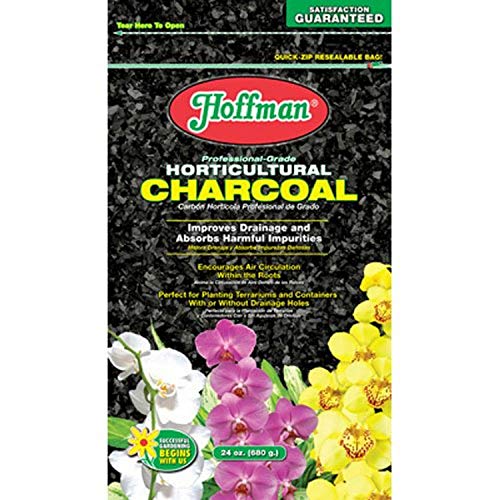
Hoffman 17502 Charcoal Soil Conditioner 24-Ounce

Plantonix Char Bliss Biochar 8 Quarts

Dalton’s Orchiata Bark Small One Gallon

GARDENWISE Organic Olive Tree Potting Mix 3 Quarts

DUSPRO 4in1 Orchid Potting Mix 4 Quarts

DUSPRO Green Forest Moss 5 oz

Horticultural Pumice 14 Dry Quarts

Duspro 10FT Reptile Vines Bendable Branch
Meet The Standout Selections
Most orchid mixes lean heavily on bark and call it a day. rePotme takes a different route by combining sphagnum peat, small fir bark, sponge rock, charcoal, and granite chips into a light, fluffy blend that drains freely around tender roots.
This bag makes sense for epiphytes (plants that naturally grip tree bark rather than rooting in soil), including bromeliads, clivia, and many ferns. For Phalaenopsis owners tired of dense, soggy mixes, the granite and sponge rock keep airflow high without drying out too fast.
Noteworthy Benefits
- Multi-ingredient texture prevents compaction over many months.
- Granite chips add weight, helping top-heavy pots stay upright.
- Sphagnum peat holds enough moisture for humid homes.
- Charcoal component limits odor in tightly packed containers.
Worth Noting
- Smaller bag sizes can run out quickly on larger collections.
- Moisture-holding capacity may feel high in dry, air-conditioned rooms.
Whose Shelf It Belongs On
Collectors of bromeliads, clivia, and moisture-loving epiphytes in moderate humidity.
Where Another Pick Suits Better
Dry-home Phalaenopsis growers who prefer chunky bark should reach for Dalton’s Orchiata Bark Small instead.
Coco coir (shredded coconut husk fiber) used to arrive in messy, salt-heavy bricks. MODELLOR’s triple-washed version comes in four compact five-pound bricks that expand to about nine gallons of fluffy medium once hydrated.
For orchid growers, this works best as a base ingredient rather than a standalone mix. Blend it with bark and perlite (a lightweight, porous volcanic additive that improves drainage) for moisture retention without waterlogging, especially useful in dry indoor air.
Bright Spots
- pH-balanced and low in salts, which protects sensitive root tips.
- Compact bricks save serious closet space before use.
- Organic sourcing fits regenerative garden routines.
Trade Offs
- Hydration takes planning since the bricks need soaking time.
- Used alone, coir holds too much moisture for typical orchids.
Right Fit For
DIY mixers who want bulk raw material for custom blends on a tight budget.
Consider Something Else When
Anyone seeking a ready-to-pot blend without extra mixing should grab DUSPRO 4in1 Orchid Potting Mix instead.
Hoffman’s horticultural charcoal has earned a long track record among indoor gardeners. The porous structure draws excess moisture away from roots and absorbs impurities that can build up in enclosed containers.
For orchid growers, this functions as a foundational additive rather than a complete medium. Stir a generous handful into any bark-based mix to keep things fresh and reduce the sour smell that sometimes develops in older substrates.
Reasons It Performs
- Improves drainage in containers that tend to stay wet.
- Helps neutralize odors in long-term orchid pots.
- 24-ounce size covers several repottings.
- Affordable add-on for budget-conscious growers.
Points To Keep In Mind
- Fine dust requires rinsing before mixing into a substrate.
- Cannot serve as a standalone growing medium.
Quick Facts
Who It Suits Best
Indoor growers looking to refresh an existing orchid mix on a modest budget.
Look Elsewhere When
Those repotting a large collection should try Plantonix Char Bliss 8-quart biochar for better value.
Biochar differs from regular horticultural charcoal through a specific pyrolysis process (burning organic material at high heat with limited oxygen) that creates an exceptionally porous structure. Plantonix’s Char Bliss comes OMRI-listed, meaning it’s approved for organic growing operations.
Eight quarts give serious capacity for growers managing multiple orchids or large specimen plants. The amendment holds nutrients and releases them slowly, which suits orchids that prefer steady, modest feeding over sudden boosts.
Well-Handled Touches
- OMRI listing reassures organic-method gardeners.
- Eight-quart volume stretches across many repottings.
- Slow-release nutrient behavior matches orchid feeding preferences.
Honest Caveats
- Higher upfront cost than smaller charcoal bags.
- Coarser texture means it suits bigger pots better than small Phalaenopsis.
Feature Snapshot
Made For
Organic-method growers and anyone repotting multiple orchids in one session.
Skip It When
Casual growers repotting only one or two small plants should save money with Hoffman 17502 Charcoal.
Orchiata bark has a near-cult following among orchid hobbyists, and Dalton’s small-grade product comes from New Zealand-grown Pinus radiata. The bark is hard, stable, and processed in ways that reduce the breakdown issues common to softer pine.
This grade works especially well for Cattleya, Dendrobium, and other orchids that like their roots on the dry side. You can use it straight from the bag, no soaking or pre-rinsing required.
What Helps Most
- Hard bark resists decomposition far longer than typical pine.
- Stable structure keeps air pockets open across multiple watering cycles.
- Sourced from renewable plantations, which appeals to sustainability-minded shoppers.
- Standalone quality removes the guesswork from mixing.
Things To Consider
- Premium price point compared to generic bark bags.
- Small grade dries quickly, demanding more frequent watering in warm homes.
Feature Rundown
Best Suited To
Cattleya and Dendrobium owners who want consistent bark without mixing custom blends.
Reach For A Different Pick When
Beginners wanting a ready-blended mix with moisture control should consider DUSPRO 4in1 Orchid Potting Mix.
GARDENWISE designed this blend for olive trees, but the drainage-first formula translates well to other Mediterranean-climate plants. Worm castings, compost, and limestone balance pH while keeping moisture moving through the root zone.
Olive trees appreciate fast drainage, much like orchids in chunky bark. For a gardener who keeps both on a sunny patio, sharing one bag between the two saves storage and money.
A Strong Showing
- Organic ingredients feed steadily for up to twelve months.
- Fast-draining texture prevents root suffocation.
- Works across indoor and outdoor containers.
Where It May Fall Short
- Not formulated specifically for orchids, so bark lovers may need extra amendments.
- Three-quart size feels small for patio-scale olive trees.
Perfect Match For
Container gardeners growing olives alongside other Mediterranean plants on balconies or patios.
Not Your Match When
Orchid-focused collectors should pick Dalton’s Orchiata Bark for a more species-appropriate medium.
DUSPRO’s recent formula update swaps coco peat for pumice and replaces fine perlite with chunky perlite, which the brand claims improves aeration and reduces compaction. The result is a four-ingredient blend of forest moss, pine bark, pumice, and chunky perlite ready to use straight from the bag.
For first-time orchid owners, the convenience matters. No measuring, no rinsing, no separate ingredient purchases. You open the bag and repot.
Good Reasons To Consider
- Pumice holds structure without breaking down into sludge.
- Pre-mixed convenience removes rookie mixing errors.
- Four-quart volume covers several small to medium repottings.
- Chunky perlite resists compaction over time.
Worth Bearing In Mind
- Forest moss content may hold more moisture than drier homes want.
- Chunky texture can shift through standard plastic pot slits.
Key Product Details
Who Will Love This
New orchid parents who want reliable results without buying four separate ingredients.
A Better Fit Elsewhere
Advanced growers seeking single-ingredient control should choose Dalton’s Orchiata Bark Small.
DUSPRO’s moss arrives hand-cleaned and color-enhanced through a plant-based process to give a soft natural green tone. The five-ounce pack suits craft projects rather than full-scale repotting.
Orchid growers occasionally use dried moss as a top dressing for mounted displays or for styling photos. This product leans decorative rather than functional for actual plant care.
A Few Highlights
- Hand-selected quality avoids twigs and debris common in cheaper moss.
- Natural-looking green tone suits display photography.
- Lightweight packaging stores easily in craft drawers.
Room For Improvement
- Intended for dry decorative use, not live planting applications.
- Small five-ounce size limits coverage on larger arrangements.
Who Should Grab It
Stylists, craft hobbyists, and orchid display enthusiasts building table centerpieces and fairy gardens.
Swap It Out When
Functional orchid repotting calls for MODELLOR Coco Coir Bricks or DUSPRO 4in1 Orchid Potting Mix instead.
Pumice, a lightweight volcanic rock full of tiny air pockets, has earned its place in modern orchid mixes. The 3/8 by 1/4 inch grading sits in a sweet spot for both orchid and succulent applications, holding structure without choking roots.
Fourteen dry quarts is serious bulk, enough to amend dozens of small pots or build custom blends from scratch. The weight stays manageable since volcanic pumice is much lighter than gravel.
Notable Gains
- Bulk volume supports ongoing repotting schedules.
- Porous structure improves drainage in dense mixes.
- Won’t decompose like organic amendments.
- Suitable for orchids, succulents, and cacti alike.
Soft Spots
- Dust at the bottom of the bag calls for rinsing or sifting.
- Heavy bags require sturdy storage shelving.
Built With In Mind
Mixologists building custom orchid and succulent substrates in serious quantities.
Another Choice May Suit
Growers who want bark as the primary base should grab Dalton’s Orchiata Bark Small instead.
Duspro’s bendable vine brings a tropical look to vivariums and arboreal setups. At 118 inches long with a half-inch diameter, the flexible core can be shaped around branches and backgrounds to create climbing paths.
The natural moss texture suits humid enclosures where reptiles, frogs, or crested geckos navigate vertical space. While it’s not a planting medium, it shares aesthetic territory with orchid mounting displays.
Features That Help
- Bendable core holds shape once positioned.
- Length covers large terrariums without splicing.
- Moss texture blends with tropical backgrounds.
Some Limits To Know
- Dry-use product not suited to live orchid mounting.
- Half-inch diameter may be thin for larger reptile species.
Who Should Grab It
Vivarium builders creating tropical backgrounds for small arboreal reptiles and amphibians.
Skip It When
Orchid growers looking for functional substrate should pick rePotme Bromeliad Potting Mix instead.
What To Weigh Before Choosing Your Orchid Substrate
The right orchid medium depends more on your home environment than on the plant’s label. Humidity, watering habits, and pot material all shift what counts as ideal.
Match The Mix To Your Watering Style
Frequent waterers, those hydrating every few days, benefit from chunky bark or pumice-heavy blends that dry fast. Forgetful waterers need slightly more sphagnum or coir content to extend moisture between drinks. Choosing a mix that fights your habits guarantees root trouble.
Read The Ingredient List, Not The Marketing
A bag labeled “orchid mix” can still lean too heavily on fine peat, which suffocates roots. Look for visible bark pieces, perlite, or pumice when you open the bag. If the texture feels uniform and dusty, walk away.
Size The Bag To Your Collection
Small bags vanish during a single repotting session if you own more than three orchids. Buying slightly oversized saves money per quart and prevents last-minute emergency purchases at the local garden center.
Consider Your Long-Term Storage Conditions
Bark and coir store well in cool, dry closets for many months. Biochar and pumice last indefinitely. If your storage space stays humid, sealed containers keep fungal gnats from setting up shop in unused medium.
Key Considerations Across These Picks
Common Shopping Slip Ups
The biggest mistake orchid shoppers make is buying “orchid soil” that actually contains standard potting mix with a fancy label. Those dense blends hold water like a sponge and rot Phalaenopsis roots within a month. Check ingredients, look for visible bark or perlite, and skip anything resembling traditional garden soil.
Another trap is underestimating how much medium a single mature orchid needs. A plant in a six-inch pot can consume most of a one-gallon bark bag, leaving nothing for the next repotting.
Where The Extra Money Goes
Premium picks like Dalton’s Orchiata cost more because the bark genuinely lasts longer and breaks down more slowly than cheap pine. Over a two-year repotting cycle, the per-use cost often comes out lower than repurchasing economy bags annually. Spending up pays off when your orchids stay healthier between repottings and you avoid replacing plants lost to soggy, decomposed medium.
Frequently Asked Questions
How often should I repot my orchid?
Most orchids appreciate fresh medium every one to two years, even when the plant itself doesn’t need a bigger pot. Bark breaks down, salts accumulate, and airflow drops over time.
Can I use regular potting soil for orchids?
Standard potting soil holds far too much moisture for typical epiphytic orchids. The roots need air circulation around them, which dense soil prevents.
What’s the difference between bark and moss for orchids?
Bark provides structure and quick drainage for orchids that like drying between waterings. Sphagnum moss holds more moisture and suits seedlings or moisture-loving species.
Do orchids need fertilizer in their potting mix?
Pre-charged mixes with compost or worm castings feed for several months, but orchids respond better to diluted liquid fertilizer applied during the growing season. Built-in nutrients rarely match actual feeding needs.
Is charcoal necessary in an orchid mix?
Charcoal isn’t strictly required, but it helps absorb impurities and odors in long-term pots. Many growers skip it without trouble, especially when repotting every year.
The Takeaway
Healthy orchids start at the root level, and the medium around those roots sets the tone for everything above. Pick a mix that matches your watering style, your home’s humidity, and the specific orchid species you keep. The bags on this list cover everything from standalone bark to ready-blended beginner mixes and the bulk amendments that round out a custom recipe. Trust the texture over the label, and your orchids will reward you with steady growth.
