

Orchids look delicate, but they’re tougher than their reputation suggests, provided their roots can breathe. In a pot, that breathing depends almost entirely on what surrounds them, which is why ordinary houseplant mix tends to suffocate them. The right medium keeps moisture around the roots without waterlogging them, lets air circulate, and resists breaking down into a compacted mess.
This roundup focuses on substrates designed for epiphytic (tree-dwelling) orchids like Phalaenopsis, Cattleya, and Dendrobium. You’ll find chunky bark, charcoal additives, biochar, and pre-blended mixes, each with trade-offs in drainage, longevity, and convenience. The goal is simple: help you pick a medium that matches your orchid type, your watering habits, and the size of your collection.
How The Shortlist Stacks Up

MODELLOR Coco Coir Bricks, 4-Pack (5 lb)
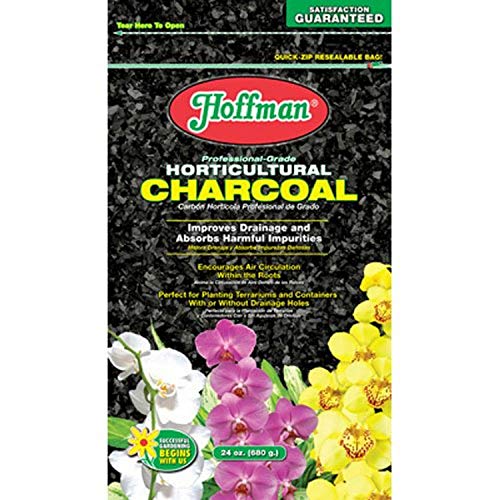
Hoffman 17502 Charcoal Soil Conditioner, 24-Ounce

Char Bliss Organic Biochar (8 Qts)

Biotolot 9qt Orchid Bark Horticultural Grade

Biotolot 18qt Orchid Bark Horticultural Grade

Riare 6QT Orchid Potting Mix

Biotolot 29qt Orchid Bark Horticultural Grade

Riare 1QT Orchid Potting Mix

Riare 2QT Orchid Potting Mix

Riare 4QT Orchid Potting Mix
The Details Behind The Selections
Coco coir is the fibrous husk of coconut shells, processed into compressed bricks that expand dramatically when soaked. MODELLOR’s four-brick set arrives as a stack of dense, lightweight blocks roughly the size of a paperback book each. Drop one in a bucket of water and watch it bloom into a loose, dark, peat-like fluff you can mix into your own blend.
Used alone, coir holds too much moisture for most orchids, but it pairs naturally with chunky bark and perlite to build a custom substrate. Gardeners who like tweaking ratios for different genera (more bark for Cattleyas, more moisture for Phalaenopsis) tend to reach for a base ingredient like this. Compared to the pre-mixed Riare pouches later in the list, this is the option for anyone building a signature blend from scratch.
The Value In It
- Four bricks yield up to 9 gallons of hydrated medium, enough for several mid-size repots.
- Low salt content and balanced pH make it friendly to sensitive orchid roots.
- Shelf-stable compressed format saves serious storage space before use.
- Reusable across many houseplants beyond orchids, including seed-starting trays.
- Lightweight compared to hauling bags of pre-bagged bark.
Points To Keep In Mind
- Coir alone stays too wet for epiphytic orchids and needs bark or perlite mixed in.
- Hydration takes planning, so you’ll want a bucket and ten minutes per brick.
Quick Facts
Who It Suits Best
Intermediate growers who want to dial in custom blends for different orchid species without paying for separate pre-made mixes.
Where Another Pick Suits Better
Beginners looking for a ready-to-use medium should reach for the Riare 6QT Orchid Potting Mix instead.
Hoffman’s horticultural charcoal is a granular, porous black additive that lives at the bottom of pots or gets stirred into bark mixes. The 24-ounce jar covers many small amendments over the course of a year. Think of it as a supporting player rather than a standalone medium, since it’s never used alone for orchids.
The pitch for charcoal comes down to its porous structure, which holds air pockets and helps excess water drain past roots more freely. It also tends to absorb odors and impurities over time, which matters in enclosed decorative containers without drainage. If you’re repotting a Phalaenopsis in a glass or ceramic cachepot, mixing in a small scoop alongside bark is a sensible upgrade.
Where It Delivers
- Loosens heavy mixes and improves drainage around sensitive root tips.
- Long-lasting and slow to break down, so a single jar lasts many repots.
- Works in terrariums, mounts, and decorative containers without drainage holes.
Honest Caveats
- Acts only as an additive, not a complete growing medium.
- Granules can be dusty when poured, so a quick rinse before mixing helps.
Right Fit For
Orchid keepers who already use bark and want a time-tested additive to keep mixes fresh and free-draining.
Skip It When
You’d rather skip the DIY step entirely and grab Riare 6QT Orchid Potting Mix, which comes pre-blended.
Biochar is charcoal produced for soil use, made by heating organic material in low-oxygen conditions. Char Bliss sources it from ethically harvested wood and tree trimmings, then processes it into a uniform granular product. The 8-quart bag is enough to amend several mid-size orchid pots or refresh a tired mix across a small collection.
Unlike perlite, which floats and breaks down slowly, biochar stays put and persists across multiple growing seasons. Many orchid growers add a small percentage to bark mixes to improve nutrient retention and aeration. Compared to the Hoffman jar earlier, this is a bulk option for serious repotting sessions.
Advantages To Know
- Improves nutrient availability without leaching fertilizer out of the pot.
- Supports water retention in fast-draining bark mixes during dry spells.
- Single application can last multiple repotting cycles.
Less Ideal Details
- Acts as an amendment, not a stand-alone medium for orchids.
- Coarser texture may need sifting for very small seedling-grade mixes.
Feature Snapshot
Made For
Orchid keepers repotting several plants a year who want a long-lasting soil conditioner rather than a yearly replacement.
Look Elsewhere When
A first-time orchid owner with just one plant will find the Riare 1QT Orchid Potting Mix a more sensible starting point.
Pine bark is the workhorse medium for most epiphytic orchids, and Biotolot’s horticultural-grade offering screens the chips to roughly half an inch. The 9-quart bag is a starter size, designed to fill one or two small to medium pots without leaving excess to store. Each chip carries the natural voids orchid roots love to thread through.
The screened size keeps things uniform, so water drains predictably rather than pooling at the bottom. Anyone keeping a single Phalaenopsis on a windowsill will get a season or two out of one bag with room to spare. If your collection grows, the same brand offers 18- and 29-quart upgrades later in this list.
The Case For It
- Consistent half-inch chip size supports even drainage throughout the pot.
- Natural pine bark without dyes or chemical treatments.
- Right-sized bag for a one-orchid household.
Trade-Offs To Consider
- Bark breaks down over 1 to 2 years and needs refreshing for long-term health.
- Smaller bag may run out quickly for growers with more than two plants.
Best Suited To
New orchid parents repotting their first plant and wanting a sensible bag size rather than a bulk investment.
Consider Something Else When
A grower maintaining a larger collection will save money per quart with the Biotolot 29qt Orchid Bark.
Stepping up from the 9-quart, this 18-quart bag uses the same screened half-inch pine bark in a mid-tier volume. It’s the sweet spot for hobbyists with a small collection, enough to repot four to six plants or refresh several pots that are starting to break down. The chips arrive dry, so storage is easy until you’re ready to use them.
The bark works as a complete medium for most orchids on its own, no mixing required. Compared to the pre-blended Riare pouches that follow, this stays a single-ingredient option, which gives you control over what gets added later. If you’re not sure whether you want to commit to a full bulk bag, this middle size lets you test the brand.
The Practical Payoff
- Single-ingredient simplicity for growers who want predictable results.
- Better per-quart value than the 9-quart starter size.
- Uniform screening keeps drainage even across the entire pot.
Worth Bearing In Mind
- Still breaks down over time and will need replacing every couple of years.
- Drains quickly, so thirsty species in dry homes may need more frequent watering.
Perfect Match For
Hobbyists maintaining a small but growing collection who want enough bark on hand for a full repotting session.
Not Your Match When
Someone wanting charcoal or moss built into the medium should try Riare 6QT Orchid Potting Mix instead.
Riare’s pre-mixed blend combines bark, perlite, coco peat, and forest moss into a balanced medium designed for epiphytic orchids. Perlite is the white volcanic rock that keeps mixes airy; coco peat adds moisture retention; forest moss cushions roots and holds humidity around them. The 6-quart pouch arrives ready to pour straight into a pot, no soaking or sifting required.
This is the most beginner-friendly pick on the list because every ingredient is already proportioned for orchids like Phalaenopsis, Cattleya, and Dendrobium. For someone who just wants to repot and move on, the convenience is hard to beat. Compared to the Biotolot bark options earlier, you’re paying more per quart but skipping the DIY mixing entirely.
Practical Advantages
- Pre-blended proportions remove the guesswork for first-time orchid keepers.
- All-natural ingredients with no synthetic additives.
- Works directly out of the pouch, no soaking or rinsing step.
- Compatible with a wide range of common orchid species.
Practical Considerations
- More expensive per quart than buying bark in bulk.
- Moss component holds extra moisture, so careful watering matters in humid rooms.
At A Glance
Who Should Grab It
Beginners who want a sensible, pre-mixed medium without researching individual ingredients or ratios.
Reach For A Different Pick When
Pure-bark purists building custom blends should pick up Biotolot 18qt Orchid Bark and mix in their own additives.
The 29-quart bulk bag is the largest option from Biotolot and the right call for serious orchid growers. A bag this size fills roughly 8 to 12 standard 4-inch pots or several larger specimen containers. It uses the same half-inch screened pine bark as the smaller bags, just at a volume that suits a greenhouse bench or a serious hobby collection.
Buying in bulk brings the per-quart cost down meaningfully, which matters if you’re refreshing mixes across many plants every year. Compared to the Riare pouches that follow, this is a single-ingredient option, so you’ll want additives on hand if you prefer a more moisture-retentive blend. For pure-bark growers, though, nothing here needs supplementing.
Useful Strengths
- Lowest per-quart cost among the bark options in this roundup.
- Plenty of material for annual refresh cycles across many plants.
- Uniform screening keeps drainage consistent pot to pot.
Room For Improvement
- Bulky to store once delivered, so plan a dry spot in advance.
- Bark-only mix drains fast, so thirsty orchids in dry homes may need extra waterings.
Built With In Mind
Dedicated orchid collectors, greenhouse growers, and hobbyists refreshing mixes across a dozen or more plants annually.
A Better Fit Elsewhere
Someone with a single orchid should start with the Biotolot 9qt Orchid Bark to avoid storing excess.
The 1-quart pouch is the smallest pre-mixed option Riare offers, sized for a single small repot or a quick top-dress. The blend matches the larger Riare pouches, so you get the same bark, perlite, coco peat, and moss recipe in trial-size form. For someone curious about pre-blended media without committing to a full bag, this is the lowest-risk entry.
One quart fills roughly one 4-inch pot, which is the typical size for a recently purchased Phalaenopsis. If you only own one orchid, this pouch gets you through a single repot with little waste. Compared to the Biotolot bark above, you’re trading cost efficiency for the convenience of a finished blend.
Where It Helps
- Lowest commitment pouch for trying pre-mixed orchid media.
- Same ingredient quality as larger Riare pouches.
- Compact size fits on a small shelf or inside a kitchen drawer.
A Few Limitations
- Limited to one small repot, so most growers outgrow it quickly.
- Highest per-quort cost across the Riare lineup.
Whose Shelf It Belongs On
First-time orchid owners repotting a single newly purchased plant and wanting a small, manageable pouch.
Swap It Out When
Anyone repotting more than one orchid should grab the Riare 6QT Orchid Potting Mix for better per-quart value.
The 2-quart pouch steps up from the trial size and covers a single mid-size repot or two smaller ones. It uses the identical four-ingredient blend as the rest of the Riare line, so the recipe stays familiar as your collection grows. The pouch format keeps the medium sealed and fresh until you open it, which is a small but real benefit over loose bags.
This size makes sense for someone who just brought home a new orchid in a 5- or 6-inch pot and wants a small batch of fresh medium without leftovers. Compared to the 1-quart pouch earlier, you double the volume without doubling the storage footprint much. For anything beyond two plants, the 6-quart pouch further down the list becomes a smarter buy.
What Stands Out
- Same proven Riare blend in a step-up size.
- Sealed pouch keeps moisture out during storage.
- Fills one mid-size or two small orchid pots.
Potential Compromises
- Still limited for multi-plant collections.
- Costs more per quart than the 6-quart option for the same ingredients.
Right Fit For
Owners repotting one orchid in a 5- or 6-inch pot who want enough medium to finish the job with a little to spare.
Another Choice May Suit
Collectors managing multiple orchids should pick the Riare 6QT Orchid Potting Mix for better long-term value.
The 4-quart pouch lands between the small 2-quart and the larger 6-quart, sized for two to three mid-size repots. It’s the natural step for someone whose single-orchid phase is becoming a small collection. The same bark, perlite, coco peat, and moss recipe applies, so the experience is consistent with the rest of the line.
For someone maintaining a windowsill of three to four orchids, this bag covers most annual repotting needs without forcing a commitment to the 6-quart. Compared to building your own blend from the MODELLOR bricks earlier, this pouch skips the soaking and proportioning steps entirely. Convenience does come at a per-quart premium, but for a small collection, the time saved is real.
Strong Points
- Step-up size covers a small collection without overshooting storage.
- Sealed pouch preserves freshness between uses.
- Pre-blended for Phalaenopsis, Cattleya, and Dendrobium.
- Ready to use straight out of the package.
Worth Noting
- Costs more per quart than the 6-quart pouch from the same brand.
- Moss content holds moisture, so careful watering is needed in humid rooms.
Key Attributes
Who Will Love This
Small-collection orchid owners who want a ready-to-use blend in a mid-size pouch sized to their shelves.
Where Another Pick Suits Better
Pure-bark growers who prefer to mix their own should choose Biotolot 18qt Orchid Bark for a single-ingredient base.
What Matters Most Before Choosing Soils For Orchids In Pots
Drainage And Aeration Come First
Orchid roots breathe, so anything that holds too much water invites rot. Look for chunky, porous ingredients with visible air gaps. Pine bark, perlite, and charcoal all create the structure epiphytic orchids need to thrive in a pot.
Match The Medium To The Orchid
Phalaenopsis tolerate more moisture and do well with moss or coco coir in the blend. Cattleyas and Dendrobiums prefer faster-drying mixes built primarily on bark. Picking a medium mismatched to your species is the most common cause of overwatering problems.
Size And Longevity Of The Mix
Bark breaks down over one to three years and needs replacing, while charcoal and biochar persist much longer. Pre-mixed blends typically need refreshing every couple of years. Plan ahead by choosing a bag size that matches your collection, so leftovers don’t go stale before you use them.
Convenience Versus Customization
Pre-blended pouches save time but limit tweaks. Loose ingredients and bulk bark cost less per quart and let you adjust ratios for specific orchids. Beginners tend to prefer pre-mixed, while experienced growers usually build their own.
Key Considerations Across These Picks
Pitfalls Shoppers Hit
Choosing regular potting soil for orchids is the most common mistake, since it compacts around the roots and suffocates them. Another trap is buying the smallest bag available for a collection of five or more plants, which leads to constant reordering and stale leftovers. Match your bag size to your collection size from the start.
Where The Extra Money Goes
Premium blends and additives like biochar cost more because they include multiple ingredients and longer-lasting components. The extra cost buys balanced drainage, better nutrient retention, and less frequent replacement. For a single orchid, the upgrade rarely matters, but for a collection, the saved time and healthier roots add up quickly.
Frequently Asked Questions
How often should I repot my orchid?
Most orchids benefit from fresh medium every one to two years, since bark and moss break down and lose drainage over time.
Can I use regular potting soil for orchids?
Standard potting soil holds too much moisture and compacts around orchid roots, leading to rot. Use a bark-based or pre-mixed orchid medium instead.
Do orchids need fertilizer in their potting mix?
A slow-release granular feed added at repotting can help, but most growers rely on diluted liquid fertilizer during watering rather than nutrients in the medium itself.
What’s the difference between bark and moss for orchids?
Bark drains quickly and suits Cattleyas and Dendrobiums, while moss retains more moisture and works well for moisture-loving Phalaenopsis and young plants.
How do I know when the medium needs replacing?
Water pooling on top, a sour smell, or visible bark breaking down into dark mush are all signs the mix needs refreshing.
Closing Remarks
The best soil for orchids in pots depends less on brand and more on matching drainage and texture to your specific orchid and watering routine. A Phalaenopsis in a dry apartment wants a different mix than a Cattleya in a steamy greenhouse. Pick the format that fits your collection size and comfort level, and refresh the medium on a regular cycle so roots always have room to breathe.
