

A peace lily tells you almost everything you need to know. Drooping leaves mean thirsty roots, yellowing edges hint at soggy soil, and a stubborn refusal to bloom usually traces back to whatever’s packed inside the pot. The right soil mix keeps that communication clear: it holds moisture without suffocating roots, drains freely without drying the plant out, and gives the root system the air it craves. For most indoor gardeners, the choice comes down to picking a balanced blend and learning when to amend it.
The Lineup, Simplified
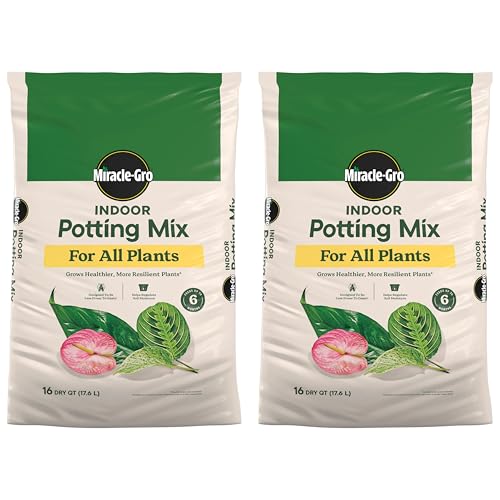
Miracle-Gro Indoor Potting Mix 16 qt. 2-Pack

Miracle-Gro Moisture Control Potting Mix 8 qt. 2-Pack

Organic Plant Magic Compressed Potting Soil
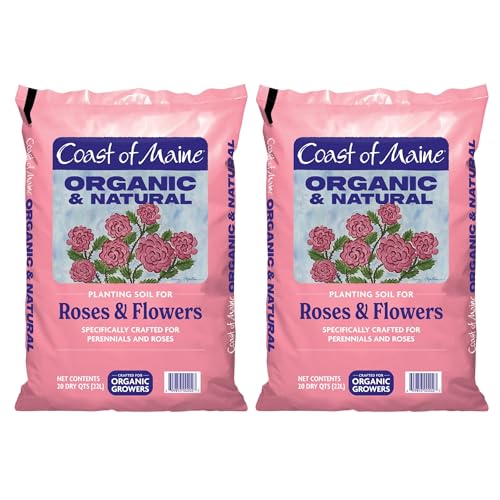
Coast of Maine Roses and Flowers 20 qt. 2-Pack

Biotolot Chunky Perlite 3 Quarts

Miracle-Gro Indoor Potting Mix 6 qt.

Miracle-Gro Potting Mix 2 cu. ft.

Biotolot Bonsai Soil Mix 2 qt.
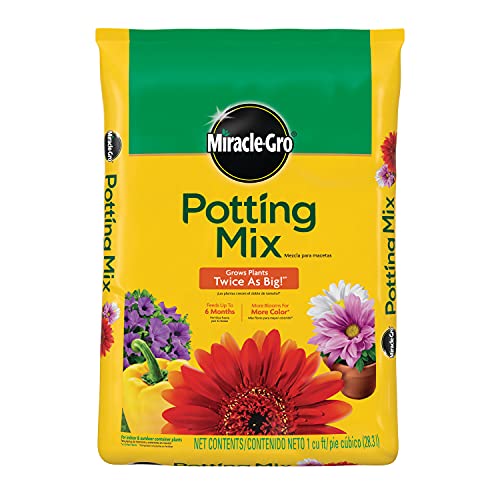
Miracle-Gro Potting Mix 1 cu. ft.
A Deeper Look At The Lineup
The 16-quart twin pack is the kind of bag you forget you bought until you realize you’ve repotted half the house with it. The blend leans on sphagnum peat moss, coconut coir (a fibrous byproduct of coconut husks that holds moisture without compacting), and perlite (small white volcanic glass pebbles that keep the mix airy), which lines up nicely with what peace lilies prefer: steady moisture paired with reliable airflow around the roots. For someone juggling several indoor plants, two 16-quart bags stretch further than you’d think.
Compared with the smaller 6-quart option later on this list, this pick earns its space by sheer volume. You spend less time rationing soil between pots and more time actually repotting. Most indoor gardeners with a small collection will find the second bag quietly disappears into storage as a refill.
What Pays Off
- Lightweight texture keeps even smaller pots from feeling waterlogged after a deep watering
- Two-bag format suits multi-plant households where peace lilies share shelf space with pothos and philodendrons
- Coarser components resist compaction over months of regular watering
- Works as a standalone medium for most tropical foliage without needing extra amendments
Honest Caveats
- Bag weight adds up; carry the two packs separately rather than together
- Doesn’t include a strong nutrient charge, so plan on supplemental feeding during the growing season
Feature Snapshot
Whose Shelf It Belongs On
Anyone tending several tropical houseplants, including peace lilies, and wanting a single dependable bagged mix for routine repotting.
Where Another Pick Suits Better
If you only own a single peace lily and want a smaller starter bag, the Miracle-Gro Indoor Potting Mix 6 qt. further down this list is a more measured fit.
Peace lilies hate surprises, and the Moisture Control formula exists to take the edge off irregular watering schedules. Its AquaCoir component absorbs noticeably more water than basic blends, holding it near the roots until the plant draws it down. For anyone who forgets a Tuesday watering and notices a sad droop on Thursday, the buffer matters.
The trade-off is drainage: this mix is wetter by design, so pairing it with a pot that has drainage holes becomes non-negotiable. Skip the decorative cachepot-with-no-hole arrangement, or the moisture the mix is saving for you will turn into the soggy condition it was meant to prevent.
Notable Gains
- AquaCoir holds extra water near the root zone during dry stretches
- Two-bag format works for households juggling multiple mid-size containers
- Smooth texture pours easily into narrow-necked planters
Things To Consider
- Holds more moisture than standard mixes, so drainage holes are essential
- Less suitable for cactus or succulent companions in the same pot
- Heavier feel when fully watered; place pots where the weight won’t matter
Who It Suits Best
Busy indoor gardeners with inconsistent watering routines who still want a forgiving medium for tropicals like peace lilies.
Look Elsewhere When
You prefer a lighter, faster-draining texture and don’t mind watering on a steadier cadence; the Miracle-Gro Indoor Potting Mix 16 qt. 2-Pack at pick 1 is a more traditional choice.
Compressed soil is a small rebellion against the awkward 40-pound bag sitting in the corner of your closet. The granules arrive dry and dense, then swell to several times their volume once water hits them. For apartment dwellers without a garden shed, that compression is the whole point: the bag fits on a shelf, not behind the couch.
Inside, coconut coir does most of the moisture work, with worm castings layered in for slow-release nutrition. The blend feeds gently, which works well for peace lilies that don’t appreciate sudden nutrient spikes. One bag handles several small-to-medium repots without needing backup soil.
Everyday Perks
- Compact bag stores on a closet shelf rather than under a bench
- Expands dramatically when hydrated, so a small starter bag covers multiple pots
- Worm castings offer gentle, organic feeding for sensitive root systems
- Resealable packaging keeps unused portions from drying out between uses
Worth Noting
- Requires pre-hydration in a separate bucket before potting, adding a setup step
- Less of a standalone medium for very large pots on its own
Made For
Small-space gardeners who want organic ingredients, easy storage, and a bag that doesn’t dominate the closet floor.
Skip It When
You’d rather grab a ready-to-pour bag with no prep work; the Miracle-Gro Indoor Potting Mix 6 qt. later in this list requires no bucket or hydration step.
Coast of Maine sits in the upper tier of bagged organic blends, and the Roses and Flowers formula reflects that. It’s an OMRI-listed (Organic Materials Review Institute, which certifies products for use in organic growing) compost mix designed for bloom-heavy plants, but the same properties that help roses push out flowers also support peace lily foliage and the occasional spathe. The texture balances moisture retention with enough drainage to keep roots oxygenated.
The honest read is that the formula was built for flowering perennials, so peace lilies benefit more from the soil structure than from bloom-specific nutrition. Still, the organic certification and compost-forward composition appeal to gardeners who’d rather not rely on synthetic slow-release fertilizer in their living room.
Everyday Wins
- OMRI-listed organic blend suits gardeners avoiding synthetic fertilizers indoors
- Compost-rich profile supports steady growth without aggressive nutrient spikes
- Two-bag 20-quart format handles mid-size beds and larger patio containers
- Works equally well as a soil refresh or as a full planting medium
Small Caveats
- Heavier per cubic foot than peat-based mixes, so hauling two bags takes effort
- Stronger organic aroma when first opened; fades within a few days
Key Product Details
Right Fit For
Organic-leaning gardeners who want premium compost-based soil for peace lilies alongside flowering plants in larger containers.
Reach For A Different Pick When
You want a lighter, peat-based indoor mix without the compost aroma; the Miracle-Gro Moisture Control Potting Mix 8 qt. 2-Pack at pick 2 keeps things indoor-friendly.
Perlite isn’t a potting mix on its own; it’s an amendment, a material you mix into existing soil to improve how it behaves. The chunky 1/4-inch grade here is the kind of texture that opens up dense, compacted blends and keeps root systems breathing. Peace lilies don’t demand it, but they appreciate the airflow when their soil starts to settle after a year of waterings.
Most indoor gardeners use perlite as a sidekick rather than a standalone product. Stir a few generous handfuls into any standard potting mix, and the texture shifts from “fine and clumpy” to “loose and grainy.” The lightweight bag stores easily on a high closet shelf.
Real-World Strengths
- Chunky 1/4-inch grade resists crushing and lasts longer than finer perlite
- pH neutral, so it won’t shift the acidity of the surrounding mix
- Lightens dense, compacted soils that have settled over months of watering
- Drains quickly, helping prevent root rot during overenthusiastic watering
Trade Offs
- Not a complete growing medium; pair with a base potting mix
- Dusty when poured dry, so add water or mix outdoors when possible
- Floats to the surface during bottom watering
Best Suited To
DIY mix makers who already own a base potting soil and want to tune the drainage and aeration for their peace lily’s roots.
Consider Something Else When
You’d rather skip the mixing step and grab a ready-to-use blend; the Miracle-Gro Indoor Potting Mix 16 qt. 2-Pack at pick 1 works straight from the bag.
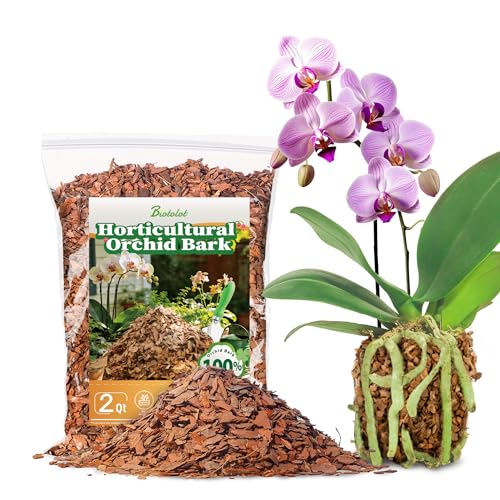
Pine bark has a cult following among aroid growers, the indoor gardening crowd obsessed with monsteras, philodendrons, anthuriums, and similar tropical plants. The chunky, screened pieces create air pockets that standard peat mixes never quite match, which is why this 2-quart bag keeps showing up in custom soil recipes. Peace lilies sit at the edge of that world: not full aroids, but they tolerate the chunkier texture when blended with a moisture-retentive base.
Treat it as a soil amendment rather than a standalone medium. A 70/30 blend of standard potting mix to bark gives you both moisture and airflow. Beginners may find the loose texture tricky until they get used to watering frequency.
Useful Touches
- Horticultural-grade pine bark screened to a roughly 1/2-inch size
- Creates large air pockets that mimic the loose forest-floor conditions tropical roots prefer
- Natural composition with no added dyes or synthetic components
Points To Note
- Breaks down gradually, so refreshed bark is needed every year or two
- Dries faster than peat-heavy mixes, requiring more frequent watering
- Only 2-quart size means heavy users may need multiple bags
Who Should Grab It
Custom-mix enthusiasts growing peace lilies alongside monsteras, philodendrons, and other aroids who want chunkier texture and serious airflow.
A Better Fit Elsewhere
You’re after a simple, no-blend solution and don’t want to manage a custom mix; the Miracle-Gro Indoor Potting Mix 6 qt. at pick 7 is ready to pour straight into a pot.
The 6-quart Indoor Potting Mix is the bag most casual plant parents end up buying at some point. It’s blended for general houseplants, formulated to feed for up to six months, and notably free of compost and bark, which are the materials fungus gnats (small dark flies that live and breed in damp soil) tend to shelter in. That last point alone explains why it’s a fixture on plant shelves everywhere.
Coconut coir handles the moisture side of things, holding water and re-wetting easily when the soil dries out. For peace lilies, the lighter texture suits their preference for moist but not boggy conditions, though you’ll want to keep an eye on watering frequency if your home runs dry.
Positive Points
- No compost or bark, so it’s less prone to fungus gnat infestations
- Coir content helps soil re-wet evenly after drying cycles
- Single 6-quart bag handles one to two medium-sized peace lilies
- Suitable for foliage, flowering, and tropical houseplants alike
Room For Improvement
- Six-month feeding window is shorter than outdoor container mixes
- Dries out faster in warm, dry rooms; check soil moisture weekly
Feature Card
Perfect Match For
Single-plant owners or beginners who want one easy, ready-to-use bag for a peace lily and a few other houseplants.
Swap It Out When
You’re repotting several plants at once and want better value per quart; the Miracle-Gro Indoor Potting Mix 16 qt. 2-Pack at pick 1 offers more soil for a similar routine.
The 2-cubic-foot bag is the workhorse of outdoor container gardening. It’s the size most people grab when refreshing a full patio arrangement or filling several large pots at the start of a season. Peace lilies sit at the edge of the formula’s intended use, since the mix is built for flowers, vegetables, shrubs, and perennials, but the basic texture suits them fine when used indoors.
For indoor use, expect to decant what you need into a smaller container for easier handling. The full bag weighs roughly 40 pounds, which is fine for a garage shelf but cumbersome to drag upstairs to a fourth-floor apartment.
Strengths Worth Knowing
- Large 2 cu. ft. volume suits patio containers, window boxes, and porch planters
- Added fertilizer feeds container plants for up to six months
- Works across a wide range of plant types beyond just peace lilies
Less Ideal Details
- Heavy bag is awkward to lift and store in small living spaces
- Outdoor-leaning formulation lacks the gnat-resistant properties of dedicated indoor mixes
Built With In Mind
Patio and porch gardeners maintaining a collection of larger outdoor containers who also want a single bag they can dip into for indoor peace lilies.
Another Choice May Suit
You live in a small space and want a lighter indoor-specific blend; the Miracle-Gro Indoor Potting Mix 6 qt. at pick 7 is the apartment-friendly alternative.
Bonsai soil mixes pull from a different playbook than standard potting blends, leaning on inorganic components like volcanic rock and zeolite (a porous mineral that traps and slowly releases moisture and nutrients) for structure rather than peat for moisture. That makes them extremely free-draining, almost too free-draining for a peace lily on its own. Mixed into a standard blend at roughly 25%, though, the volcanic pieces add porosity without drying the root zone completely.
The blend runs toward the drier end of the spectrum, so anyone using it as a partial amendment should adjust watering expectations accordingly. Treat it as a structural boost rather than a base.
A Few Strong Suits
- Natural ingredients throughout, including volcanic rock and pine bark
- Volcanic components promote drainage and root oxygenation
- Ready to use without pre-mixing or pre-hydration
- Compact 2-quart bag stores easily on a closet shelf
Practical Considerations
- Drains very quickly on its own, so blend with a moisture-retentive base for peace lilies
- Smaller bag size than standard potting mixes
Who Will Love This
Mix-it-yourself indoor gardeners who already keep a base potting soil on hand and want to add volcanic structure for their peace lily’s root zone.
Not Your Match When
You want a single ready-to-use bag without any blending; the Miracle-Gro Indoor Potting Mix 16 qt. 2-Pack at pick 1 pours straight into the pot.
The 1-cubic-foot bag is the middle child of the Miracle-Gro potting line, smaller than the 2 cu. ft. workhorse, larger than the 6 qt. indoor pouch. It hits a sweet spot for households that pot up a few indoor plants each season without needing patio-scale volume. The formula runs the same dependable feed-up-to-six-months profile as its larger sibling.
For peace lilies, the texture behaves much like the other Miracle-Gro blends on this list: peat-heavy enough to retain moisture, perlite-enough to drain, and forgiving for beginners who haven’t dialed in a watering rhythm yet. The smaller bag is easier to haul up a flight of stairs than the 2 cu. ft. version.
The Good Stuff
- Mid-size 1 cu. ft. bag suits indoor refreshes without the bulk of larger formats
- Feeds potted plants for up to six months after potting
- Suitable for both indoor and outdoor container use
- Reliable texture for peace lilies when paired with a pot that drains
A Few Limitations
- Doesn’t include gnat-resistant features of dedicated indoor blends
- Single-bag purchase may run short for households refreshing many pots at once
Who Should Grab It
Gardeners refreshing one or two mid-size indoor pots each season and wanting a single dependable bag without committing to a large-volume sack.
Where A Sibling Pick Shines
You’d prefer a gnat-resistant indoor blend specifically; the Miracle-Gro Indoor Potting Mix 6 qt. at pick 7 is formulated with that in mind.
Factors Worth Weighing When Choosing Soils For Peace Lily
Peace lilies come from the forest floor, where their roots weave through loose, leaf-littered soil that holds moisture after rain and then drains steadily. The job of any potting mix is to imitate that balance inside a container. Texture matters more than brand name. Look for blends that include peat moss, coconut coir, or compost for moisture retention, paired with perlite, bark, or similar coarse material to keep the mix airy.
Drainage is non-negotiable. Peace lilies tolerate a missed watering far better than they tolerate soggy roots, and the single biggest cause of yellowing leaves is water sitting in the pot. A quality mix drains within a few seconds of watering, even when the surface still feels damp below.
Feeding is the third leg of the stool. Most bagged mixes include a starter nutrient charge that lasts a few months, after which supplemental liquid fertilizer takes over during the spring and summer growing season. For gardeners who’d rather not feed as often, mixes with extended-release feeding offer a more hands-off path.
Match the mix to the reader. Beginners benefit from all-in-one indoor blends with built-in feeding. Custom mixers prefer the flexibility of separate base soil and amendments. Apartment dwellers with no storage space lean toward compressed granules that expand on demand.
Key Considerations Across These Picks
Pitfalls Shoppers Hit
The most common mistake is grabbing outdoor garden soil instead of potting mix. Garden soil compacts fast inside containers, strangling roots and holding too much water. Potting mix is engineered to stay loose, and the difference shows within weeks.
Another slip-up is choosing a moisture-control or moisture-retentive formula without adjusting the watering routine. These blends hold more water by design, which means less frequent watering, not more. Continuing the same schedule as a standard mix leads to soggy conditions.
A third trap is ignoring pot drainage. Even the best mix can’t save a plant sitting in a decorative cachepot with no drainage hole. Water has to escape somewhere, or the roots pay the price.
Where The Extra Money Goes
Premium organic blends like the Coast of Maine option cost more because they rely on composted plant materials instead of peat mined from bogs. The result is a richer nutrient profile and a sustainability story that resonates with organic-focused gardeners.
Specialty amendments like perlite, orchid bark, and bonsai soil mix cost more per quart because they’re screened to specific sizes and sourced for horticultural rather than general-purpose use. The upside is precision: you can tune a mix to exactly the drainage level your plant prefers.
For most peace lily owners, the value sweet spot sits in mid-priced indoor blends with built-in feeding. Anything beyond that depends on whether you want the hands-off convenience of a premium organic formula or the custom-tuning flexibility of separate amendments.
Frequently Asked Questions
Do peace lilies need special soil?
Peace lilies grow well in any standard indoor potting mix that holds moisture without becoming soggy. Blends with peat moss, coconut coir, and perlite work especially well, since they balance moisture retention with the airflow roots need.
Can I use outdoor garden soil for indoor peace lilies?
Outdoor garden soil compacts inside containers and typically holds too much water for indoor use. A bagged potting mix engineered for containers drains more freely and supports healthier root growth in pots.
How often should I repot my peace lily?
Most peace lilies benefit from repotting every one to two years, or whenever roots start circling the bottom of the pot. Refresh the soil at the same time so the root system gets a fresh, airy medium to grow into.
Do peace lilies like moist or dry soil?
Peace lilies prefer consistently moist soil without drying out completely between waterings. The leaves droop noticeably when thirsty and recover quickly after a good watering, which makes them easy to read.
What’s the best amendment to add to potting mix for peace lilies?
Perlite and orchid bark are two of the most useful amendments for peace lily soil. Perlite lightens dense mixes and improves drainage, while bark adds chunky structure for airflow around the roots.
Closing Remarks
The best soil for your peace lily is the one that matches your watering habits, your pot setup, and the time you want to spend fussing over the mix. Start with a balanced indoor blend if you’re new to the plant, and adjust from there. Roots tell the truth long before leaves do, so trust what you see when you unpot.
