

Philodendrons have a reputation for being easy, and they are, but the wrong substrate quietly undoes that ease. Roots sit in dense, soggy medium, leaves yellow, and you spend the next six months troubleshooting a problem that started with one bad bag. Picking a well-draining, airy mix is the single most useful thing you can do for these tropical vines. This roundup walks through ten products worth a look, from chunky perlite to nutrient-rich blends, so you can match your philodendron to the soil that keeps it happy.
Your Options, Compared

Legigo 4 Quarts Organic Perlite Soil Amendment

FoxFarm Ocean Forest Potting Soil, 1.5 cu ft
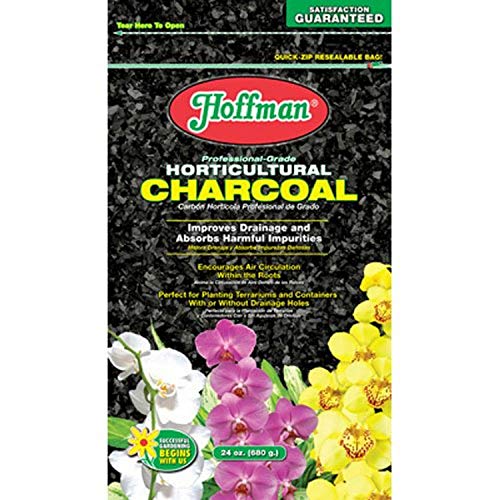
Hoffman 17502 Charcoal Soil Conditioner, 24-Ounce

Gardenera Premium Snake Plant Potting Soil Mix (1 Quart)

Char Bliss Organic Biochar for Plants (8 Quarts)

Legigo 15 Quarts Organic Perlite Soil Amendment

Legigo 20 Quarts Organic Perlite Soil Amendment

Legigo 6 Quarts Organic Perlite Soil Amendment

Gardenera Snake Plant Spray Fertilizer Mist 8oz

Gardenera Liquid Snake Plant Fertilizer 3-1-2 8oz
Meet The Standout Selections
Perlite is one of those quiet workhorses of indoor gardening, a volcanic glass that has been heated until it pops into lightweight, porous white bits. Its job is simple but important: open up a dense mix so roots can breathe and water can drain. The Legigo 4-quart bag is the smallest of the brand’s perlite lineup, sized for someone repotting a single philodendron or topping up a small collection.
Four quarts is roughly the volume of a couple of standard 6-inch pots, which makes this a low-commitment way to test whether your mix needs more aeration. For most people starting from scratch, perlite on its own is not a complete soil, it is a partner, blended with peat, coco coir, or a bagged potting mix to lighten things up.
Key Advantages
- pH-neutral volcanic perlite plays nicely with most tropical mixes and won’t shift your soil’s acidity
- Coarse, even particle size keeps drainage channels open instead of compacting into a soggy mass
- Pulls excess water away from roots, lowering the risk of rot in philodendrons that hate wet feet
- Small 4-quart bag suits apartment plant parents who only amend a pot or two at a time
Worth Noting
- You still need a base mix, perlite alone dries out too fast for a full philodendron substrate
- The fine dust at the bottom of the bag tends to settle, so a quick rinse through a sieve helps before mixing
Quick Facts
Who It Suits Best
Plant owners with a small philodendron collection who want a starter-size amendment to lighten their current mix.
Look Elsewhere When
You’d rather buy a single bagged soil that does the whole job, in which case the FoxFarm Ocean Forest Potting Soil is the easier all-in-one path.
FoxFarm’s Ocean Forest is a blend of earthworm castings, fish meal, crab meal, and other organic ingredients, designed to feed container plants from the moment they go into the bag. The texture is light and fluffy rather than dense, which matters for philodendrons whose roots dislike compacted soil. At 1.5 cubic feet, this is a generous bag suited to a serious repotting session or a collection refresh.
You can use it straight out of the bag, no mixing required, which makes it friendly for first-timers who don’t want to juggle separate amendments. The light, aerated feel also helps water move through evenly, so the lower roots aren’t sitting in a wet pocket after a deep watering. For a philodendron that likes a touch of moisture but not saturation, this is a sensible starting medium.
Strong Points
- Ready to use out of the bag, no recipe to follow on day one
- Built-in organic nutrition supports early growth after repotting
- Light, fluffy texture suits tropical aroids that hate compacted roots
Trade Offs
- Some philodendron growers still cut it with extra perlite or orchid bark for chunkier drainage
- The strong organic smell right after opening can be a bit much in a small apartment
- 1.5 cubic feet is a lot if you only have two or three plants on the windowsill
Made For
Beginners repotting a philodendron for the first time who want one bag that handles nutrition and structure together.
A Better Fit Elsewhere
Collectors who custom-blend every substrate should reach for the Legigo 15 Quarts Organic Perlite Soil Amendment instead and build a mix from scratch.
Horticultural charcoal is the unsung additive in many aroid mixes. It’s porous, so it traps air and helps excess moisture escape, and it absorbs impurities that would otherwise build up around roots. Hoffman’s 24-ounce bag tucks neatly into a custom-blending routine, where you’d mix a few handfuls into your base soil or combine it with perlite and bark for a chunky philodendron blend.
The 24-ounce size is a middle-ground option, larger than a sample jar but smaller than the biochar bag we’ll look at later. It also helps in containers without perfect drainage, where charcoal can buffer the soil against short-term overwatering. For philodendrons, that buffering is a quiet but real benefit during a long, damp winter indoors.
Real Benefits
- Improves drainage in heavy mixes, helping roots avoid prolonged sogginess
- Adds gentle filtration that keeps the root zone cleaner over time
- Handy for terrariums and closed containers where air circulation is limited
Points To Keep In Mind
- Charcoal alone won’t feed a philodendron, it’s a supplement, not a stand-alone medium
- The 24-ounce bag may feel small once you start amending multiple pots on a repotting day
Feature Snapshot
Right Fit For
Mixologists of houseplant soil who like dialing in their own aroid recipe and want a charcoal component they trust.
Swap It Out When
You’d rather skip the additive step and start with a balanced bagged soil, the FoxFarm Ocean Forest Potting Soil handles the structure on its own.
This Gardenera mix is blended with peat moss, perlite, lime, and earthworm castings, a recipe designed for snake plants, which prefer the same kind of free-draining, slightly airy substrate that philodendrons enjoy. The 1-quart bag is a small-batch option aimed at one or two small pots, ideal if you have a propagation jar ready to pot up or a single starter philodendron to repot.
Because the bag is built for low-water plants, you’ll want to monitor moisture a little more closely with a philodendron, which generally likes slightly more consistent dampness than a snake plant. For most windowsill growers, a 1-quart bag is a low-risk way to try a chunkier mix without committing to a huge bag of something you might not love.
Why It Works Well
- Pre-blended aroid-friendly texture saves the DIY step
- Earthworm castings add gentle organic nutrition for young plants
- Small 1-quart bag is forgiving if you only have a couple of pots to fill
Some Limits To Know
- Formulated for snake plants rather than philodendrons specifically, so watering still needs a personal touch
- 1 quart runs out fast in anything larger than a 4-inch pot
Best Suited To
Plant keepers repotting a small philodendron or propagation into a starter-sized pot who want a pre-mixed chunky blend.
Consider Something Else When
You’re managing a shelf of full-sized philodendrons, the Legigo 15 Quarts Organic Perlite Soil Amendment paired with a base soil scales much better.
Biochar is charcoal made for soil, with a long history in agriculture and a recent surge of interest among indoor gardeners. Char Bliss sources it from wood and tree trimmings and lists it as OMRI-Listed, which signals review against organic-input standards. The 8-quart bag is sized for someone who amends multiple pots or maintains a small indoor jungle.
Like perlite, biochar opens up the mix, but it also hangs onto nutrients and releases them slowly, which is its quiet superpower. A small percentage blended into a philodendron’s substrate can help the soil hold fertility longer between feedings. For long-term soil builders, this is a higher-investment amendment that pays back in steadier growth over many months.
Practical Pluses
- Improves nutrient retention so feedings stretch further between waterings
- OMRI-Listed status helps shoppers focused on organic-approved inputs
- Lightweight texture blends easily into both small and large pots
Less Ideal Details
- Biochar is a supplement, not a complete medium, you’ll still need a base potting mix
- The 8-quart bag adds up in cost for a one-plant household
Who Should Grab It
Patient growers who rebuild their philodendron mix each season and want a long-lasting nutrient buffer in the substrate.
Not Your Match When
You’d rather buy one bag and repot everything, in which case the FoxFarm Ocean Forest Potting Soil covers nutrition and structure together.
Stepping up from the 4-quart version, the 15-quart Legigo perlite bag hits a sweet spot for households with several philodendrons and a regular repotting habit. It’s the same coarse, even-sized perlite as the smaller bag, just in a volume that lets you blend a full batch of aroid mix in a single session without running dry halfway through.
For most people managing a windowsill collection, 15 quarts is enough to amend a dozen or more mid-size pots over the year, depending on how heavily you mix. The bulk format also means fewer reorder trips and less packaging waste per quart, which appeals to anyone thinking about long-term soil economics.
Points In Its Favor
- Larger 15-quart bag lowers the per-quart cost compared to the 4-quart version
- Coarse grade keeps philodendron mixes loose and aerated for months
- pH-neutral formula plays well with peat, coco coir, or bark-based bases
Possible Compromises
- Storage is the trade-off, you’ll need a dry corner or a sealed bin to keep the bag from spilling perlite everywhere
- Over-ordering perlite in bulk can feel wasteful if your collection shrinks rather than grows
Whose Shelf It Belongs On
Active plant parents with a half-dozen or more philodendrons who want a steady supply of drainage-boosting perlite on hand.
Where A Sibling Pick Shines
A single-plant owner should default to the Legigo 4 Quarts Organic Perlite Soil Amendment to avoid storing a bulky bag they won’t use in time.
The 20-quart Legigo bag sits at the top of the brand’s perlite range, sized for people who propagate and repot on a near-monthly schedule. Think of it as the contractor-size option in a category where most bags are built for the casual hobbyist. If you’re filling propagation trays, refreshing a shelf of large pots, or topping up a small greenhouse bench, this is the volume that keeps up.
Same coarse, pH-neutral perlite as the smaller Legigo bags, just in a quantity that takes a long time to exhaust. For most apartment-scale growers, 20 quarts is more than enough, but the per-quart math makes sense once you’re routinely mixing a few gallons of substrate at a time.
A Few Highlights
- Large 20-quart bag supports heavy repotting and propagation routines
- Coarse perlite maintains drainage structure even after many waterings
- Versatile amendment that pairs with peat, coco coir, orchid bark, or charcoal
Worth Bearing In Mind
- You’ll need a dry storage spot with enough room for a bulky 20-quart bag
- Larger format isn’t a great fit for someone just experimenting with one plant
Perfect Match For
Serial propagators and indoor gardeners who mix their own aroid substrate in volume throughout the year.
Reach For A Different Pick When
You’re only repotting a couple of plants a year, the Legigo 6 Quarts Organic Perlite Soil Amendment is a saner size for lighter use.
The 6-quart Legigo bag is a small but not-too-small option, slotting between the 4-quart and 15-quart versions. It suits someone who has maybe three to five philodendrons and wants a comfortable margin without ending up with an awkward half-used bag in the closet. The size also makes it easier to store in a closet or under a sink than the bulkier 15- or 20-quart siblings.
For most people new to amending their own aroid mix, this is a manageable entry point. You can use it to test ratios, see how your philodendrons respond to a chunkier substrate, and reorder only if you like the results. It also doubles as a refresher for bagged soils that have compacted over time.
Features That Help
- Mid-size 6-quart bag fits small collections without over-buying
- Coarse perlite structure is forgiving for first-time mixers
- Stores easily in tight apartment closets or under-sink bins
Practical Considerations
- You still need a base potting mix to build a complete philodendron substrate
- Not the cheapest per-quart option if you know you’ll eventually need much more
Built With In Mind
New plant parents experimenting with chunkier aroid mixes who want enough perlite to try a few pots without committing to a bulk bag.
Another Choice May Suit
Shoppers with a fully formed routine should jump straight to the Legigo 15 Quarts Organic Perlite Soil Amendment for better per-quart value.
This Gardenera spray is positioned for snake plants, but foliar feeding (spraying diluted nutrients directly onto leaves) works on most tropical houseplants including philodendrons. The 3-1-2 ratio is gentle, which is exactly what you want for a weekly leaf routine, since strong doses on foliage can scorch tender philodendron leaves. The 8-ounce bottle is sized for casual, ongoing use rather than bulk treatment.
Foliar feeding is a supplement, not a replacement for soil nutrition, so think of this mist as a complement to the substrate work you’ve already done with the picks above. For a philodendron with dust-dulled leaves, a quick mist also doubles as a light leaf-cleaning routine. Used a few times a month, it gives foliage a small nutrient nudge without overhauling your watering schedule.
What Makes Sense
- Gentle 3-1-2 ratio lowers the risk of leaf burn on tender philodendron foliage
- Ready-to-spray format skips measuring and mixing
- Compact 8-ounce bottle fits a kitchen counter or a plant-care caddy
Some Limits To Know
- Foliar feeding is supplemental, your soil still needs to carry the main nutritional load
- Marketed for snake plants specifically, so the label guidance may need light interpretation for philodendrons
Who Will Love This
Plant parents who want a low-effort way to give their philodendrons a light nutrient top-up without committing to a full fertilizing schedule.
Skip It When
You prefer to feed at the root zone on a set schedule, in which case the Gardenera Liquid Snake Plant Fertilizer 3-1-2 8oz concentrate is the more natural fit.
The liquid concentrate version of Gardenera’s 3-1-2 fertilizer is built for soil drenches, which is the more traditional way to feed philodendrons. You dilute it into your watering can and pour it through the substrate during the active growing season. The 3-1-2 ratio leans toward foliage and root development, which suits philodendrons pushing out new leaves in spring and summer.
Concentrates stretch further than ready-to-spray bottles, so the 8-ounce size lasts a small collection through many months of feedings. Because the product is positioned for snake plants, treat the dilution as a starting point and ease into a lighter mix for philodendrons, which can be sensitive to overfeeding. Pair this with any of the perlite, charcoal, or bagged soil picks above and your feeding routine has a solid foundation.
Strengths Worth Knowing
- Concentrate format stretches an 8-ounce bottle across many feedings
- Soil drench application feeds roots directly, the way philodendrons naturally take up nutrients
- Dilutable strength lets you ease into a lighter mix for sensitive aroids
Honest Caveats
- Snake-plant positioning means the printed feeding schedule is a starting point, not gospel, for philodendrons
- Over-concentrated doses can burn roots, so careful dilution is non-negotiable
Feature Rundown
The Right Fit
Schedulers who feed their philodendrons on a regular soil-drench routine and want a concentrate that lasts.
Consider Something Else When
You want the simplest possible routine and would rather mist leaves than measure and pour, the Gardenera Snake Plant Spray Fertilizer Mist 8oz is the easier option.
What Matters Most When Choosing Soils For Philodendron
Drainage Comes First
Philodendrons hate sitting in water, so the single most important feature of any mix is how fast it drains after a watering. Look for substrates that include chunky components like perlite, orchid bark, or horticultural charcoal, which keep air pockets alive around the roots. A dense, peat-heavy mix straight out of a generic bag is usually too slow for these tropical vines.
Aeration And Root Oxygen
Roots need oxygen as much as they need water, and that only happens when the substrate has structure. Coarse perlite and biochar are the most common aeration amendments you’ll see on shelves, and they keep the soil from collapsing into a muddy mass over time. For most indoor philodendrons, aiming for a mix that feels fluffy in your hand, not heavy, is a reliable starting heuristic.
Matching Volume To Your Collection
Bag size matters more than people expect. A 20-quart perlite bag is overkill for one plant on a windowsill, while a 4-quart bag will frustrate anyone repotting a shelf of them in a single afternoon. The right size depends on how often you repot, how many plants you maintain, and how much storage space you have for soil amendments.
Nutrition Style And Feeding Rhythm
Some picks, like FoxFarm’s Ocean Forest, arrive with built-in organic nutrition that sustains plants for the first weeks after repotting. Others, like plain perlite or charcoal, are nearly inert and depend on you to handle feeding separately. Choose based on whether you want soil that does more of the work, or a blank canvas you fully control with a fertilizer like the Gardenera concentrate.
Key Considerations Across These Picks
Pitfalls Shoppers Hit
A common slip is treating perlite or charcoal as a stand-alone soil, when both need a base mix to actually support a philodendron. Another is grabbing a dense, moisture-retentive bagged mix and assuming it will drain like a chunky aroid blend, when in practice it compacts after a few waterings. Always read the ingredient list rather than trusting a generic “potting soil” label.
Where The Extra Money Goes
Higher-tier amendments like Char Bliss biochar or FoxFarm’s Ocean Forest cost more because they bring more to the table: organic nutrition, slow-release fertility, and a thoughtfully balanced texture. The upgrade makes sense when you want fewer follow-up feedings, or you’re building a long-term substrate rather than a one-time fix. For a single starter philodendron, a smaller perlite bag and a basic mix cover the same job without the premium.
