

Pothos are the workhorses of indoor jungles: trailing, tolerant, and forgiving in low light. The catch is that their roots hate sitting in water, so the mix you choose matters more than the pot you put them in. A bag that drains fast, holds a little moisture, and stays airy between waterings keeps yellow leaves and root rot from sneaking in.
Below are ten soils and soil-adjacent products that play well with pothos, from ready-to-use tropical blends to perlite and charcoal you can mix in yourself. Pick one based on how hands-on you want to be.
An Overview Of The Picks

ZeeDix 3QT Coarse Perlite for Plants

FoxFarm Ocean Forest Potting Soil, 1.5 cu ft
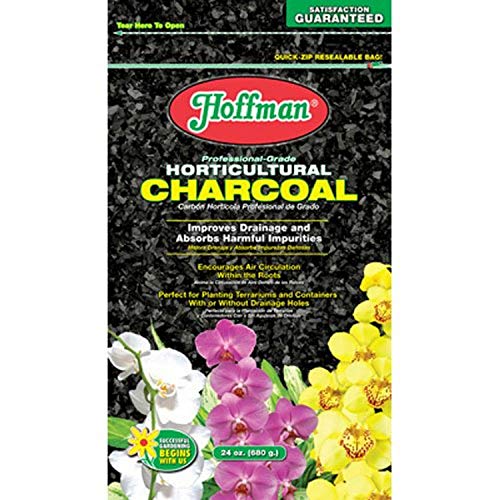
Hoffman 17502 Charcoal Soil Conditioner, 24-Ounce
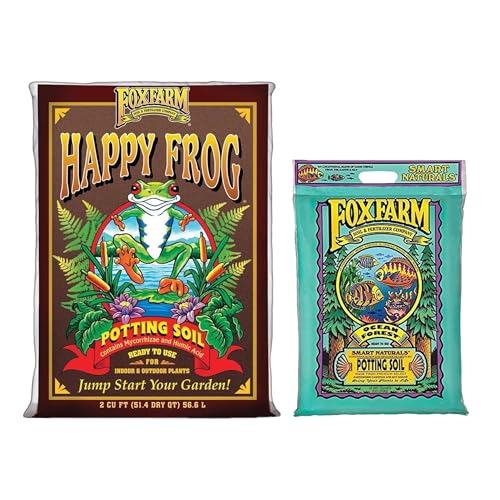
FoxFarm Happy Frog 2 cu ft + Ocean Forest 12qt Bundle

ZeeDix 3QT Tropical Potting Mix for Monstera, Pothos, Philodendron & Fern
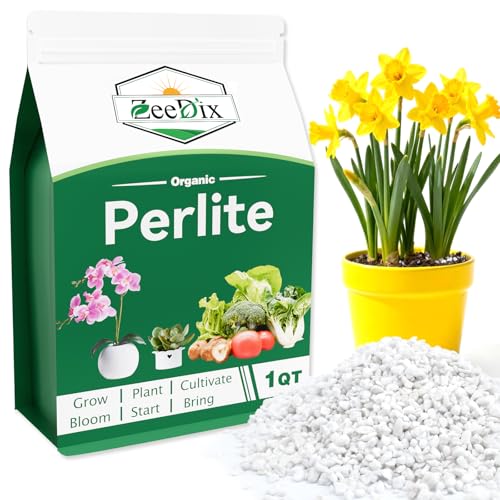
ZeeDix 1QT Coarse Perlite for Plants
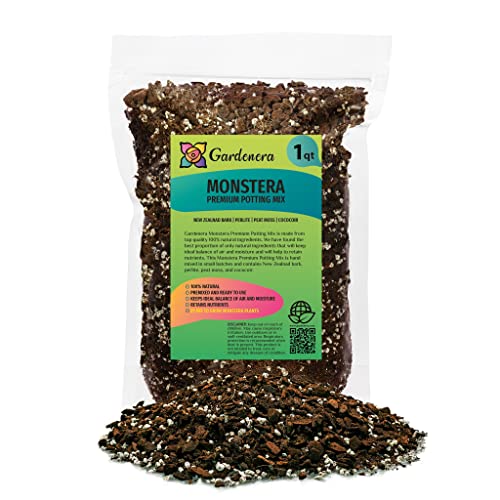
Gardenera Premium Monstera Potting Soil, 1 Quart

Gardenera Professional Monstera Spray Fertilizer Mist, 8oz

Gardenera Professional Monstera Organic Superfood Spray Mist, 8oz

ZeeDix 1QT Tropical Potting Mix for Plants
Inside Each Recommended Option
Perlite is volcanic glass expanded with heat until it pops into porous white pebbles, and that hollow structure is exactly what pothos roots want. The ZeeDix 3QT Coarse Perlite bag is a soil amendment, not a stand-alone medium, so you’ll stir it into your existing mix to keep things loose and breathable.
If you’ve ever watched a pothos sulk after one heavy water, perlite is usually the missing ingredient. Coarse-grade particles create air pockets that let excess water drain fast, which is the whole point of a tropical aroid mix. You may find that even dense bagged soils loosen up considerably after a generous handful.
What It Does Well
- Boosts drainage in heavy or peat-based soils, lowering the risk of soggy roots.
- Lightweight texture keeps pots easy to lift and rearrange on a shelf.
- Coarse grade resists breaking down into dust, so the airy structure holds over months.
- Neutral pH won’t shift the chemistry of your existing mix.
- Works beyond pothos: succulents, orchids, herbs, and seed-starting all benefit.
Small Caveats
- On its own, perlite dries out fast and won’t anchor roots, so it isn’t a full replacement for potting soil.
- The fine dust that shakes out of the bag is widely reported as unpleasant to inhale; dampening the perlite before mixing helps.
- White particles can float to the top after watering, which some people find visually distracting.
Quick Facts
Built With In Mind
DIY mixers who want to upgrade bagged soil into a fast-draining tropical blend without buying ten ingredients.
Skip It When
You’d rather just open a bag and repot straight away, in which case the ready-to-use ZeeDix 3QT Tropical Potting Mix is the friendlier pick.
FoxFarm’s Ocean Forest is the kind of bag that arrives already smelling like a greenhouse, and the texture tells you why. It’s a light, aerated blend aimed at container plants, so pothos get both moisture retention and the airflow their roots crave.
The 1.5 cubic foot size suits anyone with a small collection of houseplants who wants one bag to last through several repottings. Compared to the plain ZeeDix perlite in pick one, this is a finished soil rather than a single ingredient, and that distinction matters for beginners who’d rather skip the measuring cups.
Strong Points
- Ready to use straight from the bag, with no mixing or amendment required.
- Light, fluffy texture resists compaction so roots can push through easily.
- Suits a wide range of tropicals and leafy houseplants, not just pothos.
- Larger volume means better value per quart for multi-plant households.
Things To Consider
- Heavier and harder to lift than a small perlite bag, which matters for shelf gardeners.
- The rich blend holds more moisture than pothos typically need in low-light rooms.
Best Suited To
Container gardeners who want a one-bag solution for pothos and other tropicals without fussing over amendments.
Not Your Match When
You keep your pothos in a cool, dim room where soil dries slowly, in which case the FoxFarm Happy Frog + Ocean Forest bundle gives you a lighter blend to alternate with.
Horticultural charcoal is simply plant-grade carbon with a porous structure, and Hoffman’s 24-ounce bag is the classic small-batch option for soil tinkering. It complements perlite by absorbing impurities and odors while still letting air move through the mix.
For pothos specifically, charcoal earns its place in terrariums, closed pots without drainage holes, and any blend you’re keeping around for a few seasons. The 24-ounce jar is small enough for an apartment gardener but big enough to amend a handful of pots, which is why it’s slotted in before the larger FoxFarm offerings.
What Helps Most
- Improves drainage and aeration in dense mixes, which is exactly where pothos struggle.
- Acts as a natural filter, helping keep the root zone cleaner over time.
- Adds slow-release carbon without the salt risk that some fertilizers carry.
- Especially useful in containers without drainage holes, where stale water collects.
A Few Limitations
- It’s an additive, not a soil, so you still need a base mix to fill the pot.
- Charcoal fines can stain fingers and clothing during mixing.
Technical Snapshot
Whose Shelf It Belongs On
Hobbyists who like dialing in their own aroid blend and want to add a filtration layer along with drainage.
Swap It Out When
You’d rather skip the measuring and open a pre-blended tropical bag, in which case the ZeeDix 3QT Tropical Potting Mix gets you a similar airy profile ready to pour.
If you’ve already leaned toward FoxFarm but want a backup blend, this bundle ships Happy Frog and Ocean Forest in the same order. Happy Frog is the lighter, more moisture-balanced option, while Ocean Forest (the standalone pick above) leans richer and more nutrient-dense.
For a pothos collection, that combination gives you flexibility: lighter mix for cuttings and small starter pots, richer mix for mature vines in larger containers. The 30-day return window through the listing also softens the risk for first-timers experimenting with their soil routine.
What Earns Its Place
- Two distinct blends in one shipment lets you match soil to plant size and stage.
- Happy Frog works well for young pothos that need steady but gentle moisture.
- Ocean Forest handles established vines that benefit from richer organic content.
- Bundle packaging cuts down on multiple shipments for busy plant parents.
Points To Note
- More soil than most single-plant households need at once.
- Heavy combined weight makes it harder to haul upstairs without help.
Made For
Mixed houseplant collections where you want different soils for cuttings, juveniles, and mature vines without reordering every few weeks.
Look Elsewhere When
You only have one or two pothos and limited storage, in which case the smaller ZeeDix 1QT Tropical Potting Mix keeps things tidy.
This ZeeDix bag is built specifically for the aroid family, which is the botanical club pothos, monstera, philodendron, and ferns all belong to. The mix arrives pre-blended so you can open, pour, and repot without touching a separate bag of perlite.
For a first-time pothos owner, that convenience is the real selling point. You get a soil that already promotes aeration and drainage without needing to read ingredient lists or compare ratios. Compared to the FoxFarm Ocean Forest in pick two, this one skews lighter and more bark-leaning, which usually suits pothos in average indoor humidity.
What Works In Its Favor
- Pre-mixed aroid blend requires no measuring or extra amendments.
- 3-quart size fits a single repotting or several small starter pots.
- Light texture helps prevent the overwatering mistakes beginners tend to make.
- Works across multiple tropicals, so the bag doesn’t go to waste.
Things To Weigh
- Smaller bag than the FoxFarm options, so heavy repotting schedules may run out fast.
- Pre-blended mixes vary in how much perlite they include, so very heavy waterers may still want to add extra drainage.
Right Fit For
New pothos parents who want a forgiving, ready-to-use mix that won’t punish the occasional overwater.
A Better Fit Elsewhere
Collectors with many mature vines will get more mileage out of the FoxFarm Ocean Forest 1.5 cu ft bag reviewed earlier.
The 1-quart sibling to pick one is essentially the same coarse perlite in a smaller bag. That smaller volume makes sense for apartment dwellers with a single pothos on a windowsill or anyone who only amends a few pots a year.
The trade-off is straightforward: less perlite for the money, but easier to store and quicker to use up before it gets dusty. For most indoor pothos growers repotting once a season, this size is honestly enough.
Reasons It Performs
- Same coarse 3-9mm grade as the larger ZeeDix bag, so performance is identical.
- Compact size stores easily in a closet or under a sink.
- Great entry point for beginners testing perlite before committing to a bigger bag.
Honest Caveats
- You’ll outgrow the 1-quart size quickly if you have more than three or four plants.
- Same dust issue as the larger perlite bag, so dampening before mixing is still a good idea.
Who Should Grab It
Single-plant pothos owners who want to improve drainage without buying more perlite than they’ll actually use.
Reach For A Different Pick When
You manage a multi-plant shelf and would rather buy perlite in volume, in which case the ZeeDix 3QT Coarse Perlite from pick one is the better deal per quart.
Gardenera leans into bark-heavy aroid mixes with this 1-quart bag, and that chunky texture is what sets it apart from the lighter ZeeDix tropical blend. Aged bark, coco coir, and perlite work together to keep water moving past the roots instead of pooling.
Pothos love this kind of mix when they outgrow small starter pots and need something that mimics the loose, organic floor of their native habitats. The 1-quart size is built for one or two repottings, which fits collectors who prefer to mix fresh batches each season.
Benefits That Matter
- Bark-rich structure delivers the quick drainage pothos prefer in mature pots.
- Includes perlite and coco coir for a balanced moisture-to-air ratio.
- Specifically designed for monstera and similar aroids, so it suits pothos by extension.
Points To Keep In Mind
- Bark-heavy mixes dry out faster, so watering frequency may need to increase.
- Smaller bag means frequent reorders for anyone with a sizeable collection.
Key Product Details
Perfect Match For
Aroid collectors with established pothos who want a chunkier, well-draining medium that matches what monstera and philodendron thrive in.
Where Another Pick Suits Better
Low-light rooms where soil stays wet for days, since the FoxFarm Happy Frog + Ocean Forest bundle holds moisture more evenly.
Foliar feeding is the practice of misting leaves so they absorb nutrients directly, and the N-P-K ratio printed on a fertilizer tells you the share of nitrogen, phosphorus, and potassium in the blend. This Gardenera mist uses a 3-1-2 ratio, which leans toward nitrogen for leafy growth.
For pothos specifically, a foliar mist is a supplement, not a substitute for soil feeding, and it shines when you want quick green-up between regular waterings. Think of it as the espresso shot to your plant’s morning coffee.
Noteworthy Benefits
- 3-1-2 ratio supports chlorophyll and leaf development in pothos and similar aroids.
- Spray format is quicker than mixing liquid fertilizer and pouring it through the soil.
- Compact 8oz bottle fits on a plant shelf without taking up real estate.
A Few Limitations
- Foliar feeding only, so it doesn’t replace a balanced soil-based feeding routine.
- Misting leaves in direct sun can leave spots, so evening application is the safer call.
Who It Suits Best
Plant parents who already use a quality soil like the ZeeDix tropical blend and want a quick, supplemental boost between waterings.
Consider Something Else When
You prefer to feed only through the soil and avoid misting altogether, in which case skipping straight to a richer soil like FoxFarm Ocean Forest makes more sense.
This mist takes the foliar feeding concept from pick eight and layers in micro-fungi and a wider nutrient profile. The 18 key vitamins and minerals on the label are aimed at the same leafy aroids, just with more micronutrient variety.
For pothos grown in mineral-light substrates like straight peat or coco coir, an organic mist can fill the gap between routine feedings. Used alongside a base soil like the ZeeDix 3QT Tropical Potting Mix, it tends to round out a feeding program nicely.
Where It Excels
- Broader nutrient profile than a standard N-P-K mist, including trace elements.
- Micro-fungi component supports the living soil biology that organic gardeners value.
- Spray format keeps application fast and mess-free.
Worth Noting
- Organic inputs cost more than synthetic mists, so budgets may notice the difference.
- Micro-fungi products can develop a faint earthy smell as the biology activates.
Who Will Love This
Organic-leaning plant parents who already use biologically active soils and want a feeding product that matches that philosophy.
A Better Fit Elsewhere
Anyone who prefers a simpler routine will find the Gardenera 3-1-2 mist from pick eight more approachable.
This is the smaller sibling to pick five, with the same tropical aroid blend in a 1-quart bag. The size makes it appealing for studio apartments or anyone with one pothos on a bookshelf who just needs enough soil for a single repotting.
The honest read is that for a single plant, a 1-quart bag is often plenty and avoids the awkward half-used larger bag sitting around for months. Compared to the Gardenera Monstera mix in pick seven, this ZeeDix blend runs slightly less bark-heavy, so it stays moist a little longer between waterings.
Where It Delivers
- Same aroid-focused blend as the larger 3-quart bag in a more manageable size.
- Ready to use straight out of the bag with no extra ingredients.
- Compact bag stores easily in a small closet or under a sink.
Small Caveats
- You’ll need multiple bags for larger collections, which adds up.
- Pre-blended mixes vary in perlite content between production runs.
Feature Rundown
Built With In Mind
Small-space gardeners with one or two pothos who want a tidy bag they can finish before it loses freshness.
Not Your Match When
You keep a full pothos shelf, in which case the 3-quart ZeeDix Tropical Potting Mix offers more soil for less waste.
What Matters Most Before Choosing Soils For Pothos
Drainage Comes First
Pothos roots rot quickly when they sit in water, so the single most important attribute is how fast a mix sheds moisture. A loose, chunky blend with perlite, bark, or coco chips will almost always outperform a fine, peat-heavy soil. In practice, that means looking for mixes labeled as well-draining, aroid, or tropical rather than generic all-purpose garden soil.
Light And Aeration Support Healthy Roots
Beyond drainage, oxygen matters. Roots need air pockets around them, which is why perlite (the expanded volcanic glass in picks one and six) earns its place in nearly every recommended blend. The more compact a soil becomes over time, the more you’ll want to refresh the pot rather than just top-dress it.
Nutrient Content Should Match Your Feeding Style
A rich soil like FoxFarm Ocean Forest carries enough organic nutrition to feed a pothos for weeks without extra fertilizer. Lighter mixes like the ZeeDix tropical blend give you more control but require you to feed on a schedule. If you’re the type to forget fertilizer, go richer; if you like fine-tuning, stay light.
Key Considerations Across These Picks
Wrong Turns To Avoid
The most common pothos mistake is grabbing a moisture-holding soil meant for ferns or outdoor beds. Those mixes are designed to stay damp, which is the opposite of what pothos want. Watch for unlabeled bargain bags that feel dense in the package, and always check whether the mix includes perlite, bark, or another drainage helper before committing.
When Paying More Pays Off
Premium blends like FoxFarm Ocean Forest or Gardenera’s chunky aroid mix cost more because they include more bark, perlite, and organic matter per quart. That extra ingredient density pays off in faster growth, fewer root issues, and less frequent repotting. For a small pothos collection you intend to keep healthy for years, the upgrade tends to be worth the difference.
Frequently Asked Questions
Do pothos need special soil?
Pothos do best in a well-draining tropical mix that holds some moisture but never stays soggy. Standard garden soil is too dense and usually leads to root rot.
Can I use regular potting soil for pothos?
Regular all-purpose potting soil works in a pinch, but adding perlite or bark helps prevent overwatering. Many growers use a 2-to-1 ratio of potting soil to perlite for a reliable DIY blend.
How often should I repot a pothos?
Most pothos enjoy a fresh pot every one to two years, or whenever roots start circling the drainage holes. Spring and early summer are the easiest seasons for recovery.
Is perlite necessary for pothos?
Perlite isn’t strictly required, but it dramatically improves drainage and airflow around the roots. For aroids especially, perlite-amended mixes tend to produce noticeably stronger growth.
What size soil bag do I need for one pothos?
A 1- to 3-quart bag is plenty for a single small to medium pothos. Larger bags make more sense once you’re repotting several plants at once.
Final Verdict
Pick the soil that matches how you like to garden. If you want a one-bag, no-fuss solution, the ZeeDix 3QT Tropical Potting Mix or FoxFarm Ocean Forest will get a pothos thriving with minimal effort. If you enjoy tinkering, perlite and charcoal give you the building blocks to dial in your own blend. Whichever route you choose, fast drainage and airy texture are the two qualities that matter most.
