

Lavender hates wet feet. The fastest way to kill a healthy plant in a terracotta pot is to park it in heavy garden soil or a moisture-holding blend that stays soggy through summer storms. Choosing the right medium matters more than fertilizer, sunlight, or pruning, because once roots start suffocating in compacted dirt, recovery is a long, uphill climb.
This shortlist mixes ready-to-use cactus and succulent blends, gritty amendments you can stir into your own mix, and indoor potting options that work well for lavender kept in containers on a sunny patio. Every pick below has been weighed against lavender’s core needs: sharp drainage, airy structure, low to moderate fertility, and a slightly alkaline-to-neutral pH range.
How The Shortlist Stacks Up
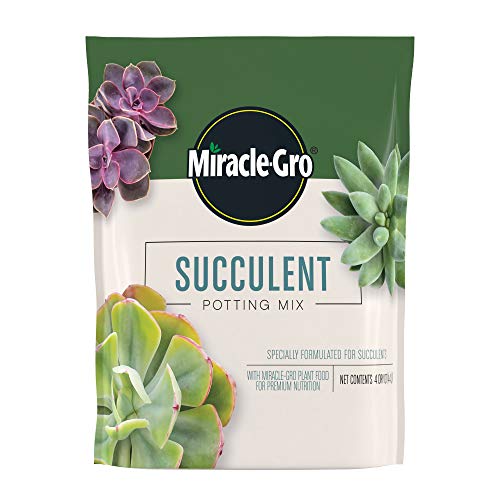
Miracle-Gro Succulent Potting Mix, 4 qt.

Miracle-Gro Moisture Control Potting Mix, 8 qt. (2-Pack)
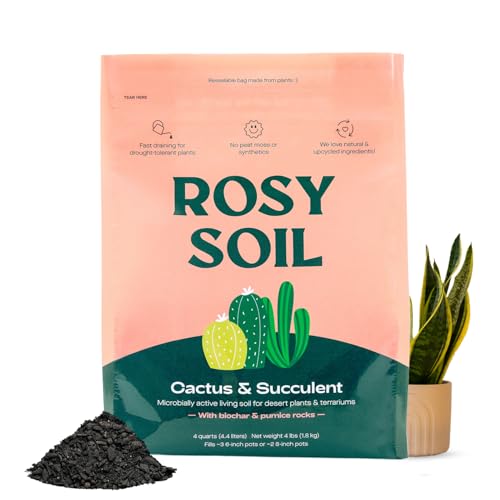
Rosy Soil Cactus & Succulent Potting Mix, 4 Quarts
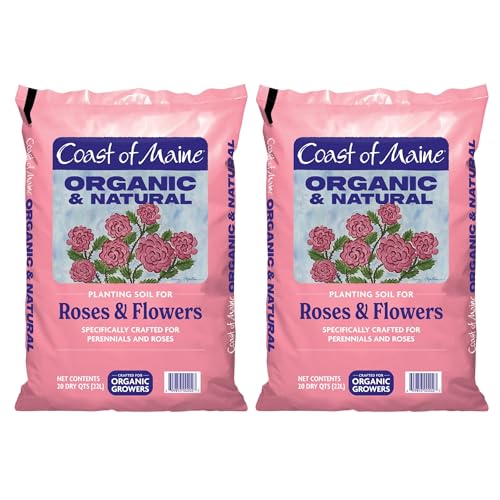
Coast of Maine Roses and Flowers, 20qt (Pack of 2) Organic Planting Soil

Miracle-Gro Indoor Potting Mix for All Plants, 6 qt., 2-Pack

Biotolot 3 Quarts Chunky Perlite for Plant Soil Amendment, 1/4 inch
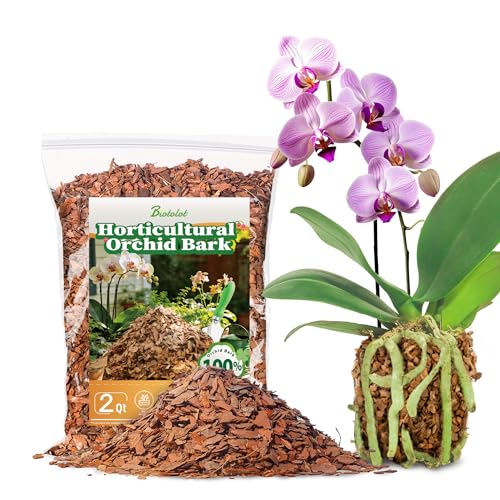
Biotolot 2qt Orchid Bark Horticultural Grade Natural Pine Bark Mulch

Miracle-Gro Indoor Potting Mix for Houseplants, 6 qt.

Biotolot Bonsai Soil, 2QT Organic Potting Soil Mix Ready to Use
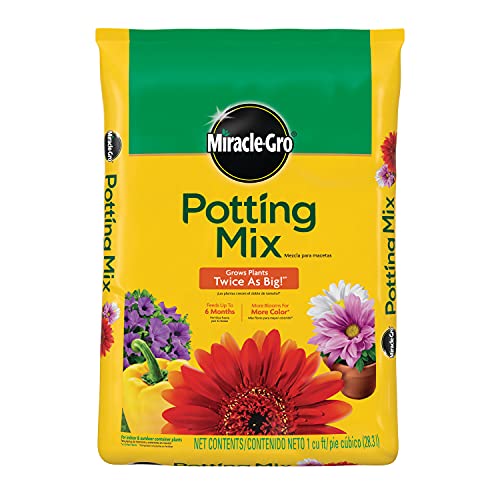
Miracle-Gro Potting Mix, Indoor or Outdoor, Feeds Up to 6 Months, 1 cu. ft.
The Strengths Of Each Pick
Miracle-Gro’s succulent blend is built around sphagnum peat and a coarse mineral skeleton, which translates into a lighter, grittier texture than the company’s general-purpose mixes. A single 4-quart bag fills roughly one 8-inch container, so it’s sized for the small herb-and-lavender setups most patio gardeners keep. Compared with the Moisture Control option covered later in this list, this one sheds water noticeably faster.
It’s a sensible starting point if you want something pre-blended rather than a do-it-yourself mix. Lavender in unglazed terracotta pots tends to dry out quickly anyway, so a sharp-draining medium matches the container’s behavior.
A Favorable Mix
- Fast-draining texture suits lavender’s drought-tolerant roots in small pots.
- Pre-blended formula removes the guesswork of mixing your own ratios.
- Compact 4-quart bag fits a single 8-inch container with little leftover waste.
Things To Consider
- 4 quarts runs out quickly if you’re repotting several plants at once.
- Compresses slightly over time, so refreshing the top layer annually keeps airflow steady.
Key Specs
Built With In Mind
Beginners potting a single lavender in an unglazed terracotta on a sunny patio.
Reach For A Different Pick When
The Biotolot 3 Quarts Chunky Perlite suits you better if you prefer blending your own gritty mix from scratch.
The Moisture Control formula leans on AquaCoir, a coconut-coir-derived ingredient engineered to absorb and then release water on demand. That’s useful for general-purpose container plants, though lavender grows best when the medium swings toward dry rather than consistently moist.
The two-bag configuration delivers 16 quarts, which fills multiple medium pots or one large half-barrel planter. Think of it as a forgiving all-rounder that works for mixed container gardens where lavender shares space with thirstier annuals.
The Helpful Details
- AquaCoir holds extra water for forgetful waterers during hot weeks.
- Two-bag pack covers several medium pots without a second order.
- Built-in starter fertilizer feeds plants through roughly half a growing season.
Trade Offs
- Retains more moisture than lavender prefers in cool or shaded spots.
- Feeds continuously, so it may push soft leggy growth on lavender rather than woody compact form.
Best Suited To
Garden centers and home growers mixing lavender with water-loving annuals in shared planters.
Look Elsewhere When
Rosy Soil Cactus and Succulent Potting Mix suits you better for solo lavender pots in pure Mediterranean style.
Rosy Soil leans into the airy, chunky side of succulent mixes, with worm castings, beneficial microbes, and a loose structure that resists compaction. The brand specifically calls out fast drainage as a priority, which lines up nicely with how lavender wants its roots treated.
Compared with the Miracle-Gro succulent blend above, this one feels more like a curated organic blend than a mass-market bag. The living-soil component is a quiet plus for growers who prefer biological activity over slow-release synthetic fertilizer.
Real Benefits
- Chunky texture stays loose, so roots get oxygen even after a season of watering.
- Worm castings and microbes add gentle, organic nutrition without burning roots.
- Drains rapidly, matching the dry-soil conditions lavender evolved in.
Worth Noting
- Premium positioning means a higher per-quart cost than commodity blends.
- Strong organic smell when first opened, which fades after the first watering.
Quick Facts
Right Fit For
Organic-leaning growers who want a premium cactus mix that doubles as a lavender medium.
Swap It Out When
The Miracle-Gro Succulent Potting Mix makes more sense for budget-focused projects that need larger volumes.
Coast of Maine built this blend around composted bark and organic matter, with an OMRI-listed formula suitable for organic gardening. The moisture-and-drainage balance is tuned for roses and flowering perennials, so it sits in the middle of the spectrum rather than the gritty succulent end.
It works nicely as a base when you intend to amend it with coarse perlite or bark for lavender. Two 20-quart bags total 40 quarts, enough for large planters or multiple raised beds along a sunny walkway.
Where It Helps
- OMRI-listed for organic gardening standards.
- 40-quart total volume handles big container or bed projects.
- Balanced moisture retention supports a wide range of flowering perennials.
Points To Keep In Mind
- Holds more moisture than straight succulent blends, so drainage amendments are recommended for lavender.
- Heavier bags can be awkward to carry up stairs or across a balcony.
Who It Suits Best
Organic-focused gardeners establishing raised beds or large patio planters that include lavender.
Another Choice May Suit
Rosy Soil Cactus and Succulent Potting Mix fits better for small individual lavender pots with no extra mixing.
This indoor mix blends sphagnum peat moss, coir, and perlite into a lightweight medium that retains moisture while still draining. It’s labeled for general houseplant use, which puts it in a more middle-of-the-road spot compared to the gritty succulent blends earlier in the list.
For indoor lavender on a sunny south-facing windowsill, the texture is workable if you let the surface dry thoroughly between waterings. The two-pack gives 12 quarts, useful for grouping multiple small pots on a sill or plant stand.
Useful Touches
- Lightweight blend is easy to lift and pour into small pots.
- Coir component helps soil re-wet evenly after it dries out.
- Two-pack size covers a small indoor herb-and-flower collection.
Small Caveats
- Less gritty than dedicated cactus mixes, so container drainage holes matter more.
- Best amended with extra perlite for lavender kept in deeper indoor pots.
Who Will Love This
Apartment dwellers keeping compact lavender in pots beside a bright south-facing window.
Where Another Pick Suits Better
The Miracle-Gro Succulent Potting Mix is a stronger off-the-shelf fit for purely outdoor patio lavender.
Biotolot’s chunky perlite is a horticultural amendment rather than a finished soil, so the value here is mixing it into your own blend. The 1/4-inch particle size is coarser than standard perlite, which helps open up a potting mix for lavender’s roots.
Perlite is pH-neutral and structurally stable, so it doesn’t break down across a single growing season. Many lavender growers use it at roughly 25 to 30 percent of the total volume to lighten and aerate an off-the-shelf mix.
Useful Highlights
- Coarse 1/4-inch particles create long-lasting air pockets in the medium.
- Stable and lightweight, so it doesn’t crush down or compact over time.
- pH-neutral, so it won’t shift the acidity of your chosen base mix.
Honest Caveats
- Not a finished soil, so you still need a base mix or compost to blend with.
- Dusty when dry, so dampening before mixing keeps the cloud down.
Feature Snapshot
Whose Shelf It Belongs On
DIY gardeners building custom lavender blends from scratch with controlled drainage ratios.
A Better Fit Elsewhere
Rosy Soil Cactus and Succulent Potting Mix is the easier off-the-shelf choice for gardeners who don’t want to measure ratios.
This screened pine bark is sold as orchid mulch, but its roughly 1/2-inch chunk size also makes it a strong aeration amendment for Mediterranean-style container plants. The porous structure resists compaction and keeps the surface layer from crusting over.
Stir a layer into your potting mix, or use it as a top-dressing around the base of lavender to slow evaporation and reflect heat. The 2-quart volume is small, so it’s best treated as a supplement rather than a primary medium.
Where It Delivers
- Coarse chunks create excellent airflow pockets in dense potting mixes.
- Doubles as a decorative and functional top-dressing around the crown.
- Pine bark breaks down slowly, giving long-term structure to the medium.
Minor Gripes
- Small 2-quart bag runs out quickly on multi-pot projects.
- Pine bark slightly acidifies the mix over time, so monitor pH on lavender kept long term.
Perfect Match For
Growers who already use a base potting mix and want to push drainage and texture further.
Skip It When
Biotolot Chunky Perlite is the cleaner choice if you want a strictly pH-neutral amendment.
This indoor formula is designed to avoid the fungus-gnat problems common with compost-heavy mixes, since it contains neither compost nor bark. Coconut coir handles water retention while still letting the medium re-wet evenly after drying out.
It’s built for general foliage and flowering houseplants, so it sits in a more moisture-friendly spot than the succulent blends. For indoor lavender in a small pot, it’s workable as long as the container drains sharply and you let the medium dry between waterings.
Notable Gains
- Compost- and bark-free formula reduces fungus gnat habitat indoors.
- Coir holds moisture yet releases it evenly, preventing dry pockets.
- Built-in feeding covers roughly six months of container use.
Points To Note
- Coarser mixes serve outdoor lavender better in regions with summer rain.
- Slow-release fertilizer may push softer growth than Mediterranean lavender prefers.
Right Fit For
Indoor plant collectors growing lavender alongside other houseplants on a bright sill.
Reach For A Different Pick When
Rosy Soil Cactus and Succulent Potting Mix is the better match for patio lavender exposed to heavy summer rain.
This bonsai blend mixes pine bark, black and red volcanic rock, green zeolite, and perlite. The volcanic rock and zeolite bring long-lasting structure to the medium, while the bark and perlite keep it airy and biologically active.
Bonsai mixes are engineered for shallow containers and fast drainage, which translates well to lavender in small tabletop or windowsill pots. The 2-quart volume is small but practical for topping up a few compact plants each season.
What Earns Its Place
- Multi-mineral blend keeps the medium loose across a full growing season.
- Volcanic rock and zeolite add slow, steady mineral buffering.
- Ready to use, so no blending is required for shallow bonsai-style pots.
Where It May Fall Short
- Heavier volcanic components mean small pots can get quite weighty on a windowsill.
- Mineral-rich composition is overkill for large patio planters where you need volume.
Built With In Mind
Specialty gardeners growing dwarf lavender in shallow decorative pots or bonsai-style containers.
Not Your Match When
Miracle-Gro Potting Mix, 1 cu. ft. covers larger container projects more economically.
The 1-cubic-foot bag is the largest container on this list, suited to a multi-plant patio project rather than a single small pot. The added fertilizer feeds container plants for up to six months, which removes one chore from your early-season routine.
Versus the succulent blends earlier, this all-purpose mix is denser and richer, so amending with coarse perlite or pine bark is a smart move for lavender. For mixed planters with non-lavender plants, the balanced formulation genuinely simplifies the shopping list.
What Helps Most
- 1 cu. ft. volume covers large patio planters or several mid-size pots in one bag.
- Six-month fertilizer feed reduces early-season feeding chores.
- Versatile formulation works across vegetables, annuals, and ornamentals in shared containers.
Worth Bearing In Mind
- Denser than cactus blends, so amending is recommended for pure lavender plantings.
- Large bag is bulky to store in small garden sheds or balcony closets.
Who Should Grab It
Patio gardeners filling multiple containers at once and seeking a single bag to cover the project.
Consider Something Else When
Biotolot Chunky Perlite paired with a smaller cactus blend is the smarter move for solo lavender in tight spaces.
What To Weigh Before Picking A Soil
Lavender thrives in lean, gritty, fast-draining conditions that mimic its native Mediterranean hillsides. Aim for a medium that dries out within a day or two of watering, rather than one that stays damp for a week. Compacted peat-heavy blends are the most common cause of root rot in container lavender, especially when paired with a pot that lacks generous drainage holes.
Watch particle size when reading bag descriptions. Coarse perlite, pine bark, and crushed volcanic rock open up air pockets, while fine peat and compost hold moisture longer than lavender prefers. pH matters too: lavender does best in roughly neutral to slightly alkaline conditions, so avoid acid-leaning mixes designed for azaleas or blueberries.
Your climate shapes the right call. Gardeners in rainy regions need sharper drainage than growers in arid zones, so err toward grittier blends or amend with extra perlite. Container size matters as well: deep pots stay wet longer at the bottom, so shallower terra cotta is often the better match.
Picking A Soil That Fits Your Setup
Pitfalls Shoppers Hit
The most common mistake is reaching for a moisture-control or all-purpose potting mix and using it straight, expecting lavender to behave like a thirsty annual. Lavender roots suffocate in those conditions, and the visible signs show up only after damage is well underway. Another slip is skipping drainage holes in decorative containers, since even the grittiest medium fails without an exit path.
Where The Extra Money Goes
Premium cactus and succulent blends cost more because of higher mineral content, screened ingredients, and organic amendments like worm castings. That translates to longer-lasting structure, less frequent refreshing, and a more hospitable environment for beneficial microbes. The upgrade makes sense when you’re potting lavender permanently or want a set-and-forget container that won’t compact midseason.
Frequently Asked Questions
Can I use regular potting soil for potted lavender? Standard all-purpose mixes hold too much moisture for lavender. Amending with coarse perlite or pine bark at roughly 25 to 30 percent of the volume makes them workable, but a cactus or succulent blend is the easier path.
How often should I repot potted lavender? Every two to three years is a common rhythm, refreshing the top few inches of medium in between. Moving up a pot size isn’t always necessary, since lavender blooms when its roots feel slightly snug.
Is cactus soil the same as succulent soil? The two categories overlap heavily, and most bags labeled for either work for lavender. Cactus blends tend to run grittier, which is fine for lavender’s drought-leaning roots.
Do I need to add gravel to the bottom of the pot? A drainage hole matters more than a gravel layer, which can actually raise the water table in the pot. Coarse perlite mixed into the medium does more for drainage than a bottom layer of stones.
Should I fertilize lavender in pots? Lavender prefers lean conditions, so a light spring feeding is plenty. Slow-release or organic blends built into the medium, like worm castings, support steady growth without pushing the soft leggy growth that reduces blooms.
The Takeaway
The shortest path to a thriving potted lavender is a gritty, low-retention medium matched to an unglazed container with free-draining holes. The Miracle-Gro Succulent Potting Mix and Rosy Soil Cactus and Succulent Potting Mix are the simplest off-the-shelf starts, while Biotolot Chunky Perlite and Orchid Bark give DIY growers the ingredients to tune their own blend. Pick the option that matches your container size, climate, and patience for mixing, and your lavender will reward you with stronger fragrance and steadier blooms across the season.
