

Roses in pots are a different game than the ones tucked into open beds. Their roots run out of space fast, drainage narrows to whatever the container offers, and the wrong medium turns a hopeful planting into soggy regret. The right soil structure, drainage balance, and nutrient profile can mean the difference between a thriving patio rose and one that just survives.
This list covers organic blends, aerated mixes, compressed coir blocks, and specialty amendments, all useful for container-grown roses in different ways. Read on for honest takes on each, plus guidance on what actually matters when you’re matching a medium to a pot.
The Main Contenders

Rosy Soil Plant Food Organic Fertilizer (4 Quarts)
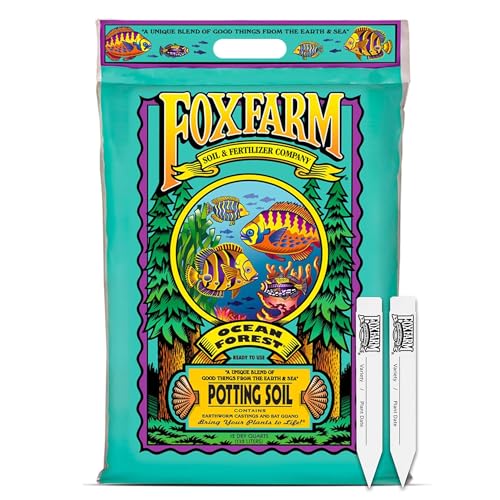
FoxFarm Ocean Forest Potting Soil 12 Quarts

FoxFarm Ocean Forest Potting Soil 1.5 cu ft
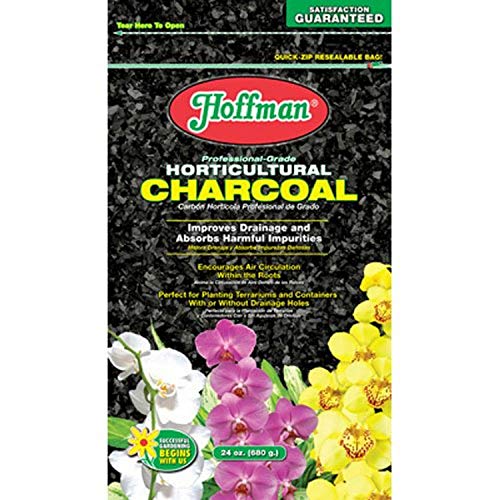
Hoffman Charcoal Soil Conditioner 24-Ounce

PlantBest Coco Mulch Compressed Block 9.1 lb

Compressed Organic Potting Soil (Coir + Worm Castings)
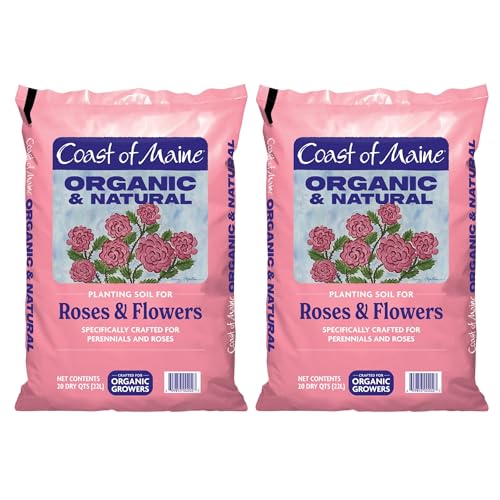
Coast of Maine Roses and Flowers Soil (Pack of 2)

NOHOBE Hard Akadama Bonsai Soil 2.5 lb

PlantBest Coco Peat Garden Soil (Peat-Free Mix)

PlantBest Coco Mulch Compressed Block 9.1 lb
The Strengths Of Each Pick
Rosy Soil leans hard into the living-soil approach, blending biochar, kelp, worm castings, compost, bokashi, and mycorrhizae into a single 4-quart bag. For rose growers who want their potted plants to sip from a slow nutrient buffet rather than chase quick-release spikes, that ingredient list reads like a wish list.
The blend skips peat and synthetic additives entirely, which appeals to organic-leaning gardeners and helps sidestep the dryness issues that peat-heavy mixes often develop over time. In a deep patio container, this material behaves more like a long-term soil than a one-season filler, though you may find it runs out of feed faster than a traditional amended potting soil.
Key Advantages
- All-organic profile with biochar, kelp, worm castings, and bokashi working together as a slow nutrient source.
- Peat-free formulation supports moisture without the hydrophobic dry-out that aged peat often develops.
- Includes mycorrhizae, which helps rose roots stretch further into the surrounding medium.
- Versatile across houseplants, succulents, and outdoor containers, so one bag covers several pots.
Things To Consider
- Four quarts is a modest volume, so large planter refills will need more than one bag.
- Owners commonly report a noticeable earthy scent when first opened, which fades after a few waterings.
Quick Facts
Made For
Organic-leaning rose gardeners who want a living-soil feel and don’t mind smaller bag volumes per purchase.
Look Elsewhere When
Container gardeners planting many pots at once should reach for the FoxFarm Ocean Forest 1.5 cu ft instead, since its larger volume stretches further per dollar.
FoxFarm’s smaller Ocean Forest bag lands in a sweet spot for first-time rose planters who want a known quantity without committing to a heavy bale. The 12-quart format pours easily into a wheelbarrow or a large tub, and the included plant tags are a small but useful touch for tracking variety names.
Inside, the same fish meal, crab meal, and earthworm castings formula that built FoxFarm’s reputation does the heavy lifting. It is a ready-to-use blend, so you can pot directly from the bag with no extra mixing, and the light, aerated texture keeps roots from sitting in dense, airless material.
The Helpful Details
- Ready-to-use formula means no amendment math for new gardeners.
- Light, aerated texture reduces compaction in containers.
- Includes two plant tags to label varieties and planting dates.
- Compact 12-quart size is easier to carry than a full 1.5 cu ft bale.
Worth Noting
- Twelve quarts fills roughly one or two medium pots, so a multi-rose patio refresh takes multiple bags.
- Lower volume ratio means the per-quart cost tends to run higher than the larger 1.5 cu ft sibling.
Feature Snapshot
Right Fit For
Beginners who want a forgiving, ready-to-use mix for a couple of patio roses without wrestling a 40-pound bale.
Swap It Out When
Garden owners repotting several roses in one session get better value from FoxFarm Ocean Forest 1.5 cu ft, which stretches much further.
When a single patio rose becomes four, the 12-quart bag stops making sense. FoxFarm Ocean Forest at 1.5 cubic feet covers a serious refresh, and you can order it in single, two-pack, or four-pack configurations to match the size of the job.
The blend keeps the same aerated, ready-to-use texture as the smaller bag, with earthworm castings, fish meal, and crab meal forming the nutrient backbone. Roses planted into this material tend to establish quickly, though in deep containers you may find the mix still benefits from a top-up of organic feed by midsummer.
Points In Its Favor
- Larger volume keeps per-quart cost down for multi-pot sessions.
- Same proven FoxFarm blend as the smaller 12-quart bag.
- Available in single, 2-pack, or 4-pack options for scaling up.
Minor Gripes
- The full bale is heavy and awkward for one-handed carrying.
- Lower feed longevity than organic-only blends, so plan on supplemental feeding during peak bloom.
Who It Suits Best
Container gardeners potting up multiple roses in a single weekend who want enough volume to finish the job without restocking.
Consider Something Else When
A small balcony with one or two pots will leave a half-used bale sitting around. The FoxFarm Ocean Forest 12 Quarts is a more sensible size in that case.
Hoffman’s charcoal conditioner is not a stand-alone potting mix, and treating it like one will leave your roses in a porous, nutrient-thin medium. What it does well is fix drainage and airflow problems in any other blend you pair it with. Think of it as a tune-up, not an engine.
The porous charcoal helps excess moisture move away from rose roots, which matters in containers without proper drainage holes. It also absorbs impurities and slowly releases small amounts of nutrients over the life of the pot, adding a subtle buffer against the wet-dry swings that container roses often suffer.
The Upside
- Improves drainage in dense or compacted mixes.
- Acts as a natural filter to keep the root zone cleaner.
- Small 24-ounce jar stores easily on a potting bench.
Room For Improvement
- Not a complete growing medium and must be blended with other soil.
- Charcoal dust can be messy during initial mixing, so work over a tarp.
Best Suited To
Experienced rose growers who like to fine-tune their own mixes and want a reliable drainage amendment.
Another Choice May Suit
Anyone wanting a single bag to plant into immediately will be happier with the FoxFarm Ocean Forest 12 Quarts, which needs no extra components.
Mulch plays a different role than potting soil, and PlantBest’s compressed coconut block makes the top-dressing step far less of a chore. One 9.1-pound brick hydrates into roughly 64 quarts of fluffy mulch, so a small garden shed or apartment closet can hold what would otherwise require a stack of bulky bags.
Coir (coconut fiber) mulch breaks down slowly, holds moisture at the soil surface, and helps suppress weeds around the base of container roses. Unlike bark, it tends to stay put during heavy rain rather than floating off, which is a quiet but real advantage on open patios.
Useful Highlights
- 9.1 lb block expands to about 64 quarts, so storage stays simple.
- Coir mulch resists floating away during heavy watering.
- Replaces several bulky mulch bags in one tidy brick.
Small Caveats
- Requires a soaking tub or wheelbarrow to hydrate the block.
- Coir has minimal nutrient content, so this is purely a top-layer product.
Feature Rundown
Perfect Match For
Apartment and patio gardeners who want effective mulch without dedicating half a closet to bulky bags.
A Better Fit Elsewhere
If you want a single product that feeds and mulches at once, the Coast of Maine Roses and Flowers soil pulls double duty in the same container.
Granular compressed soil is a different shape than the standard bag. The granules arrive dry and tightly packed, then swell to roughly four times their original volume once water hits them. Resealable packaging keeps the leftover material usable for the next round of repotting.
Coir and worm castings form the base, with the casts adding a slow nutrient contribution that supports steady root growth. For indoor or balcony roses, the lightweight format is a real benefit: no hauling 40-pound bales up stairwells, just a small pouch that expands at the destination.
Benefits That Matter
- Expands up to 4x with water, so a small pouch covers several pots.
- Worm castings add gentle, slow-release nutrition to the mix.
- Resealable bag preserves freshness between uses.
- Lightweight enough to carry without strain.
A Few Limitations
- Hydration takes patience, since you add water gradually to avoid oversaturation.
- Total expanded yield may undershoot expectations on larger planter refills.
Whose Shelf It Belongs On
Apartment and balcony rose growers who value low weight and compact storage over bulk volume.
Reach For A Different Pick When
Larger outdoor planters call for the FoxFarm Ocean Forest 1.5 cu ft, which arrives pre-hydrated and ready to scoop.
Most general-purpose mixes treat roses like any other flowering plant. Coast of Maine skips that shortcut and tunes the formula specifically for roses, annuals, and perennials, with a compost-rich blend that targets the moisture and drainage balance rose roots prefer.
The two-pack format lands at 20 quarts each, which lines up with a couple of substantial patio containers or a small flower bed refresh. OMRI listing for organic use keeps it aligned with chemical-free gardening routines, and the balance of moisture retention against drainage works well across both potted and in-ground plantings.
Noteworthy Benefits
- Rose-specific compost blend matches the moisture and drainage profile container roses prefer.
- OMRI-listed for organic gardening compliance.
- Works in both containers and open beds, so one purchase covers multiple planting zones.
- Two-bag format gives enough volume for a meaningful refresh.
Honest Caveats
- Heavier than compressed coir products, so plan on a manageable lift at delivery.
- Compost-based blends may include small twigs that screen out before potting, depending on the batch.
Key Product Details
Who Should Grab It
Rose growers who want a formula specifically tuned to their plants rather than a generic container mix.
Skip It When
Gardeners looking for a compressed, lightweight option will find the PlantBest Coco Mulch block easier to store and transport.
Hard akadama (a Japanese clay-like mineral medium traditionally used in bonsai cultivation) is a niche tool, not a daily driver. The small 1/8 to 1/4-inch grain size suits miniature and bonsai-style roses, where tight root confinement and fast drainage matter more than long-term nutrient richness.
The clay grain darkens visibly as it absorbs water, which gives an at-a-glance moisture reading that most other media cannot match. That visual cue helps prevent the overwatering that often finishes off small container roses before their first full season.
What Earns Its Place
- Visual moisture indicator darkens as the medium absorbs water.
- Small grain size suits miniature and bonsai rose varieties.
- Hard grade resists breaking down quickly in shallow containers.
Points To Keep In Mind
- Minimal inherent fertility, so supplemental feeding becomes essential.
- Niche grain size makes it a poor match for standard patio rose containers.
Who Will Love This
Collectors of miniature or bonsai-style roses who need precise drainage control in very small pots.
Not Your Match When
Standard patio or landscape roses need a richer, more forgiving blend like the FoxFarm Ocean Forest 12 Quarts.
PlantBest’s coco peat block trades the bulk of traditional peat moss for a tidy 11-pound brick that expands to roughly 79 quarts. For gardeners avoiding peat for environmental or rewetting reasons, coconut coir (the fiber from coconut husks) is the practical substitute.
Triple-washing keeps salt content low, which matters because roses react badly to buildup around the root zone. Once hydrated, the material blends smoothly into custom rose mixes, though on its own it tends to run lean on nutrients and benefits from pairing with a richer component.
Where It Helps
- 11 lb compressed brick expands to about 79 quarts of mix.
- Peat-free and triple-washed for lower salt content.
- Lightweight format simplifies transport and storage.
Worth Bearing In Mind
- Limited nutrient profile means pairing with a richer amendment.
- Requires a soaking container and time to fully hydrate.
Spec Overview
Built With In Mind
DIY mixers who like to blend their own rose medium and want a peat-free base to build from.
Where A Sibling Pick Shines
Growers wanting a complete, pre-blended rose mix should turn to Coast of Maine Roses and Flowers instead, since it needs no extra components.
Compared to its PlantBest sibling earlier in the list, this version of the compressed mulch block arrives without the organic certification label but with the same expansion behavior. One 9.1-pound brick covers up to 17.5 square feet at proper mulch depth.
Coir mulch stays loose and breathable at the soil surface, which helps container roses moderate their moisture through hot afternoons. It also adds a tidy visual layer that keeps rain-splash from pitting the soil around the crown of the plant.
Well-Handled Touches
- Covers up to 17.5 square feet from a single 9.1-pound brick.
- Stays in place better than bark during heavy watering or rain.
- Compression format means a small footprint in storage.
Trade-Offs To Consider
- Requires a soaking step before use, so plan on a few minutes of prep.
- Not a fertilizer, so it complements rather than replaces a feeding routine.
The Right Fit
Patio and container gardeners topping off the surface layer on established rose pots midseason.
Look Elsewhere When
Anyone starting from scratch with bare-root roses will be better served by a complete planting medium like FoxFarm Ocean Forest 12 Quarts.
Matching Soils For Potting Roses To Your Containers
Roses in containers live by different rules than their in-ground cousins. Root spread is capped by the pot’s diameter, water drains only as well as the holes allow, and nutrients deplete faster because there is no surrounding soil to draw from. Getting these factors in line is what separates a thriving patio rose from one that sulks.
Texture sits at the top of the priority list. Roses want a medium that holds enough moisture for steady uptake yet drains freely enough that roots never sit in standing water. Light, aerated mixes built around peat alternatives, coco coir, or compost-rich blends tend to check both boxes. Heavy garden soil dragged into a pot compacts fast and strangles roots within a single season.
Drainage shape matters too. Amendments like charcoal or akadama clay break up dense mixes and create air pockets that keep oxygen flowing around the root crown. For terracotta or fabric pots that already dry quickly, a richer blend can hold moisture longer, while plastic pots benefit from a faster-draining profile to avoid waterlogging.
Feeding behavior is the third leg. Living-soil organic blends like the Rosy Soil Plant Food offer a slow, biological nutrient release that suits long-season container plantings. Pre-amended mixes like FoxFarm Ocean Forest give a strong start, though midseason supplemental feeding keeps heavy bloomers going. Always match the medium’s feed strength to the rose variety’s appetite, with repeat bloomers needing more frequent top-ups than once-flowering types.
Pot size and material both influence the right choice. A 10-inch terracotta pot loses moisture fast, so a moisture-retentive organic blend earns its keep. A 20-inch plastic tub with limited drainage rewards a faster-draining profile mixed with charcoal or coarse aggregate. Think through the container before settling on the bag.
Key Considerations Across These Picks
Common Shopping Slip Ups
The biggest mistake is grabbing the cheapest bag of “potting soil” and calling it done. Standard garden soil compacts badly in containers and rarely delivers the drainage roses need. Another common slip is ignoring pot drainage holes, since even the best mix fails if water has nowhere to go. Finally, skipping the top-dress of mulch leaves moisture evaporating fast on summer patios, undoing the careful moisture profile you built into the medium.
What The Higher Tier Buys
Premium rose-specific blends cost more because the compost, organic inputs, and grading work all get done before the bag reaches you. The upgrade pays off in two places: longer feed longevity between fertilizing sessions and a more reliable texture that holds up across the season. For gardeners who repot multiple roses per year, that consistency is worth the modest upcharge over a generic all-purpose mix.
Frequently Asked Questions
What makes a good soil mix for potted roses?
A good rose mix balances moisture retention with fast drainage, ideally built around an aerated, peat-free base with organic compost for slow nutrient release. Container roses do best in medium that stays damp but never soggy.
Can you use regular garden soil for potted roses?
Garden soil compacts quickly inside containers, choking off oxygen to the roots and often holding too much water. A purpose-built potting mix is the safer choice for any potted rose.
How often should you replace potting soil for roses?
Most container roses benefit from fresh soil every two to three years, or whenever the mix breaks down and loses its airy texture. Top-dressing with compost or mulch each season helps stretch the interval.
Do roses prefer acidic or neutral soil?
Roses generally prefer a slightly acidic to neutral pH, which most quality potting mixes already deliver. Extreme acidity or alkalinity outside that range tends to lock out key nutrients.
Is organic potting soil better for roses?
Organic blends feed more slowly and support beneficial microbial activity, which suits long-season container plantings. Synthetic-amended mixes work fine for short-term growth but usually need more frequent feeding.
Final Verdict
Roses in containers reward a thoughtful medium, and the right bag depends on the size of your pot and how often you want to feed. For an all-purpose start, the FoxFarm Ocean Forest 12 Quarts is a forgiving pick, while the Coast of Maine Roses and Flowers blend earns its rose-specific tuning. Apartment growers and small-space gardeners should look at the compressed coir options for storage ease. Match the medium to the container, water consistently, and the blooms tend to take care of themselves.
