

Raspberries reward soil that drains well yet holds steady moisture, leans slightly acidic, and stays rich in organic matter. Choosing the right growing medium shapes cane vigor, berry size, and how much your patch fights root rot each season. This roundup walks through seven solid options for raised beds, containers, and in-ground plots, so you can match a mix to your climate and planting style.
An Overview Of The Picks

Forbidden Cereal Aroid Potting Mix 6.5QT

Verdana Coco Coir Potting Soil Brick 10 lb
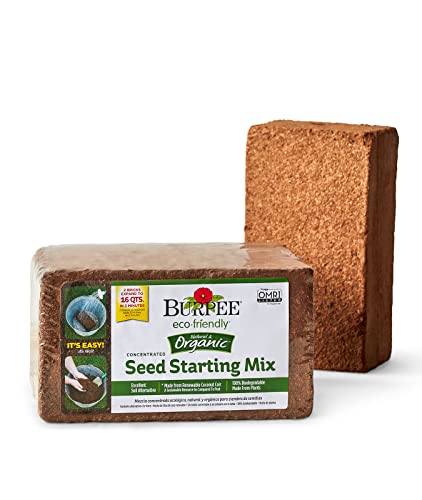
Burpee Organic Coconut Coir Seed Starting Mix

Miracle-Gro Tropical Potting Mix 6 qt
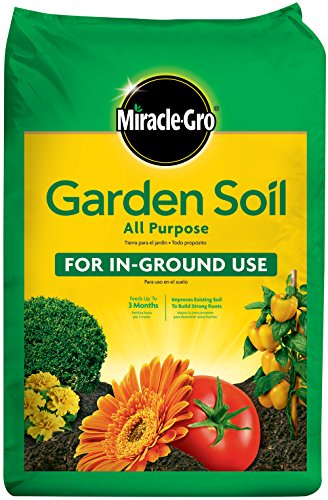
Miracle-Gro Garden Soil All Purpose 1 cu. ft.

Back to The Roots Organic Coir 51 Quart

Coast of Maine Acid-Loving Planting Soil 20qt Pack of 2
More Details On Our Top Picks
This chunky, peat-free blend leans into aroid-style drainage: big, airy pieces that let water rush past while still giving roots something to grip. In a patio container, that texture helps raspberry canes avoid the soggy, oxygen-starved conditions where root rot takes hold. The recipe uses eight organic ingredients and skips peat entirely, which appeals to gardeners trying to lighten their footprint.
Compared to the coir bricks reviewed below, this mix arrives ready to use and stays loose over time without re-expansion work. You’ll likely need to refresh it every growing season because organic components break down, but that also means steady nutrient turnover for hungry canes.
Practical Advantages
- Chunky texture keeps roots oxygenated during heavy summer rains
- Peat-free recipe suits gardeners avoiding bog-style harvesting
- Eight organic ingredients supply a baseline of slow nutrition
- Ready to use straight out of the bag, no soaking required
- Holds structure in tall containers where lighter mixes compact
Things To Consider
- The 6.5-quart volume runs out fast in anything larger than a five-gallon pot
- Organic matter breaks down each season, so expect to refresh yearly
- Not specifically formulated for acid-loving berries, so pH testing still helps
Who It Suits Best
Container gardeners growing raspberries on a balcony or small patio where sharp drainage matters more than volume.
Consider Something Else When
You’re filling a full backyard row and need bulk coverage; the Verdana Coco Coir Brick delivers far more cubic footage per dollar in that scenario.
A single 10-pound brick of compressed coconut coir fluffs up to roughly 72 quarts once you add water, which is the kind of math gardeners appreciate when filling a long raised bed. Coco coir holds moisture evenly without going waterlogged, and it resists the compaction that plagues cheaper potting soils after a wet winter. For raspberry canes, that balance keeps fine feeder roots active through dry July stretches.
Unlike the ready-to-use Forbidden Cereal mix above, this one asks for a few minutes of soaking and breaking apart, but the payoff is a tidy storage profile in a small garage or shed. It’s also peat-free, which matters to anyone watching their garden’s carbon footprint.
What Pays Off
- Ten pounds expands to roughly 72 quarts, enough for multiple beds
- Even moisture retention without the sogginess of straight peat
- Compact brick format keeps storage space minimal until you need it
- Clean, low-dust handling compared to loose bagged mixes
Trade Offs
- Pure coir carries minimal nutrition, so pairing with compost is wise
- Hydration and fluffing take planning before planting day
- Neutral to slightly alkaline pH may need sulfur amendment for acid-loving berries
Made For
Backyard growers prepping large raised beds who already plan to mix in compost or other amendments for nutrition.
Skip It When
You want an all-in-one berry-specific blend; Coast of Maine’s acid-loving formula arrives pre-blended for that crowd.
Burpee’s compressed brick expands to about 16 quarts of fine, fluffy medium tailored for the earliest stage of root development. Raspberries don’t usually come from seed for home growers, but tip-layering and root cuttings root reliably in a soft, low-tangle texture like this one. The lighter composition lets new white roots push through without forcing their way around bark or perlite chunks.
Compared with the bigger Verdana brick, this one targets a smaller volume at a friendlier scale for indoor trays. The coir is organic, made from recycled husks, which fits neatly into a low-input backyard plan.
Where It Excels
- Soft texture supports delicate root formation in cuttings and young canes
- Compressed brick keeps the garage shelf uncluttered until needed
- Organic coir source appeals to chemical-conscious gardeners
- Clean expansion with minimal dust during hydration
Honest Caveats
- Sixteen quarts fills a few seed trays but not a full raised bed
- Seed-starting blends carry little nutrient, so liquid feeding still helps
- Not formulated specifically for berry pH ranges, so monitor over time
Best Suited To
First-time propagators rooting raspberry cuttings indoors before moving plants outside in spring.
Look Elsewhere When
You’re filling full containers for mature canes; the chunkier Forbidden Cereal Potting Mix handles that workload with less fuss.
Miracle-Gro’s tropical blend centers on lava rock, a porous, lightweight mineral that drains fast while holding small amounts of moisture in its surface pits. Raspberry canes dislike sitting in standing water, and that drainage profile mimics the well-aerated conditions brambles prefer. The mix also feeds for up to six months, easing the feeding pressure on gardeners who don’t want to amend every few weeks.
Versus the peat-free aroid mix above, this one ships in a familiar six-quart format with built-in slow-release nutrition. It’s not marketed specifically for berries, but the texture and feeding window line up well for potted raspberry culture.
What It Does Well
- Lava rock component pulls excess water away from cane roots
- Built-in feeding sustains container plants for several months
- Works in both indoor and outdoor container setups
- Loose texture reduces compaction in tall planters over a season
Points To Note
- Six quarts only covers a small grouping of pots
- Formulated for tropical plants, so berry-specific micronutrients are absent
- Lava rock pieces can shift to the surface during watering
The Right Fit
Container raspberry growers who want a low-maintenance, ready-to-use blend with a longer feeding cycle built in.
Swap It Out When
You prefer organic-only ingredients; Back to The Roots Organic Coir skips synthetic fertilizers entirely.
This is the bag to grab when your raspberry patch lives in actual ground rather than a pot. The blend is designed to improve existing soil, feeding roots for up to three months while building stronger annual and perennial growth. In a backyard row, that combination keeps new transplants from stalling while the surrounding native soil catches up.
Compared to the container-focused mixes reviewed earlier, this one is denser and heavier, suited for tilling into a row rather than pouring into a small pot. Continuous-release plant food also cuts down on the summer feeding schedule for busy gardeners.
The Upside
- Blends into native soil without creating a sharp drainage boundary
- Continuous feeding covers the first three months of cane growth
- One cubic foot covers a respectable stretch of planting row
- Widely available format for quick in-ground top-ups each spring
Worth Noting
- Dense texture isn’t ideal for container culture without added perlite
- Not specifically acidified for berries, so pH adjustment may still help
- Heavier bag is harder to haul to back-row garden sites
Who Should Grab It
Backyard gardeners establishing new in-ground raspberry rows who want a blended soil-and-feed product in one bag.
A Better Fit Elsewhere
Your patch sits in containers or raised beds; the lighter, peat-free Verdana brick suits that setup with far less weight to move.
The Back to The Roots brick expands into roughly 51 quarts of fluffy organic coir, a middle-ground size between Burpee’s starter brick and Verdana’s bulk option. Coconut coir’s airy texture keeps raspberry roots breathing, and the clean expansion process avoids the dust and mess of traditional peat. For patio growers, the lighter weight makes hauling water-filled buckets easier than wrestling a dense soil bag.
Compared to Miracle-Gro’s tropical blend, this one skips synthetic fertilizers entirely and relies on you to feed the canes separately. In a small patio setting, that tradeoff gives you control over the feeding schedule.
Practical Pluses
- Organic-only ingredients align with chemical-free gardening plans
- Compressed format stores easily in a closet or garden shed
- Good moisture and aeration balance for container bramble roots
- Clean expansion keeps indoor prep low-mess
Points To Keep In Mind
- No built-in nutrition, so compost or fertilizer additions are necessary
- Coir leans toward neutral pH without amendments for berry acidity
- Fifty-one quarts only covers a few medium containers
Whose Shelf It Belongs On
Patio gardeners who want organic, peat-free coir at a manageable volume without the storage bulk of larger bricks.
Consider A Different Pick When
You’d rather buy a single bag that’s already mixed and pH-balanced for berries; Coast of Maine’s acid-loving formula covers that need directly.
Coast of Maine’s blend targets the slightly acidic soil range that blueberries, azaleas, hydrangeas, and yes, raspberries, all prefer. A low pH formulation helps cane roots access iron and manganese, nutrients that lock out in alkaline ground. The two-pack totals 40 quarts, which fills a small raised bed or a generous cluster of patio pots.
Where the coir bricks above ask you to mix and amend, this blend arrives pre-balanced, with organic compost already doing the work. For gardeners who want a single bag that handles pH without extra testing, that convenience justifies the premium positioning.
Well-Handled Touches
- Low pH formulation matches what berry canes prefer for nutrient uptake
- Organic compost base feeds the soil biology alongside the plants
- Lightweight texture eases hauling compared to denser garden soils
- Balances moisture retention and drainage for steady root health
Things To Weigh
- Smaller total volume than single bulk bags, so plan for multiple purchases
- Premium pricing adds up across larger berry patches
- Specific acid-loving focus limits versatility for general garden use
Built With In Mind
Berry-focused gardeners who want a ready-to-use, pH-balanced organic mix without testing their native soil first.
Reach For A Different Pick When
You need large in-ground volume on a tighter budget; Miracle-Gro Garden Soil All Purpose fills bigger rows more economically.
Picking Soils For Raspberries That Actually Perform
Raspberries thrive in soil with a pH between 5.5 and 6.5, the slightly acidic range that unlocks iron and manganese for cane growth. Drainage matters just as much as pH, because bramble roots drown quickly when water sits around them longer than a day. Aim for a medium that holds moisture but releases the excess, similar to a wrung-out sponge.
Texture drives drainage. Chunky mixes like the Forbidden Cereal blend keep air pockets alive, while fine coir holds water evenly for steady uptake. For in-ground rows, dense garden soils need amending with compost to avoid crusting and runoff during summer storms.
Organic matter feeds both plants and soil life. A baseline of compost, worm castings, or well-rotted manure turns a soilless mix into a living system that supports mycorrhizal fungi, the helpful network that extends root reach. Berry canes respond to that biology with stronger cane growth and fuller clusters at harvest.
Match the format to your planting setup. Coir bricks suit raised beds where you want bulk without weight, while pre-mixed bags suit patio containers where convenience matters more than volume. Plan for refresh cycles every one to two seasons, since organic components break down and lose structure over time.
Spotting Trouble Before You Buy
Common Shopping Slip Ups
Grabbing a generic houseplant mix for raspberries is a frequent mistake, since those blends often retain too much moisture for bramble roots. Another slip is ignoring pH entirely and assuming any rich, dark soil will do, when alkaline ground can quietly starve berry canes of key micronutrients. Always check the ingredient list for coarse, airy components before committing.
Where The Extra Money Goes
Premium berry-focused blends like Coast of Maine’s acid-loving mix invest in pH-balanced organic compost and screened mineral components. That careful sourcing cuts out the testing and amending work for gardeners who want a turnkey bag. For a small patio patch, the convenience adds real value, while larger in-ground plots often benefit more from a basic soil amended with bulk compost and sulfur.
